




Charim Galerie curated by Tamar Margalit
„Manuals for Getting By“
www.charimgalerie.at
Curator(s):
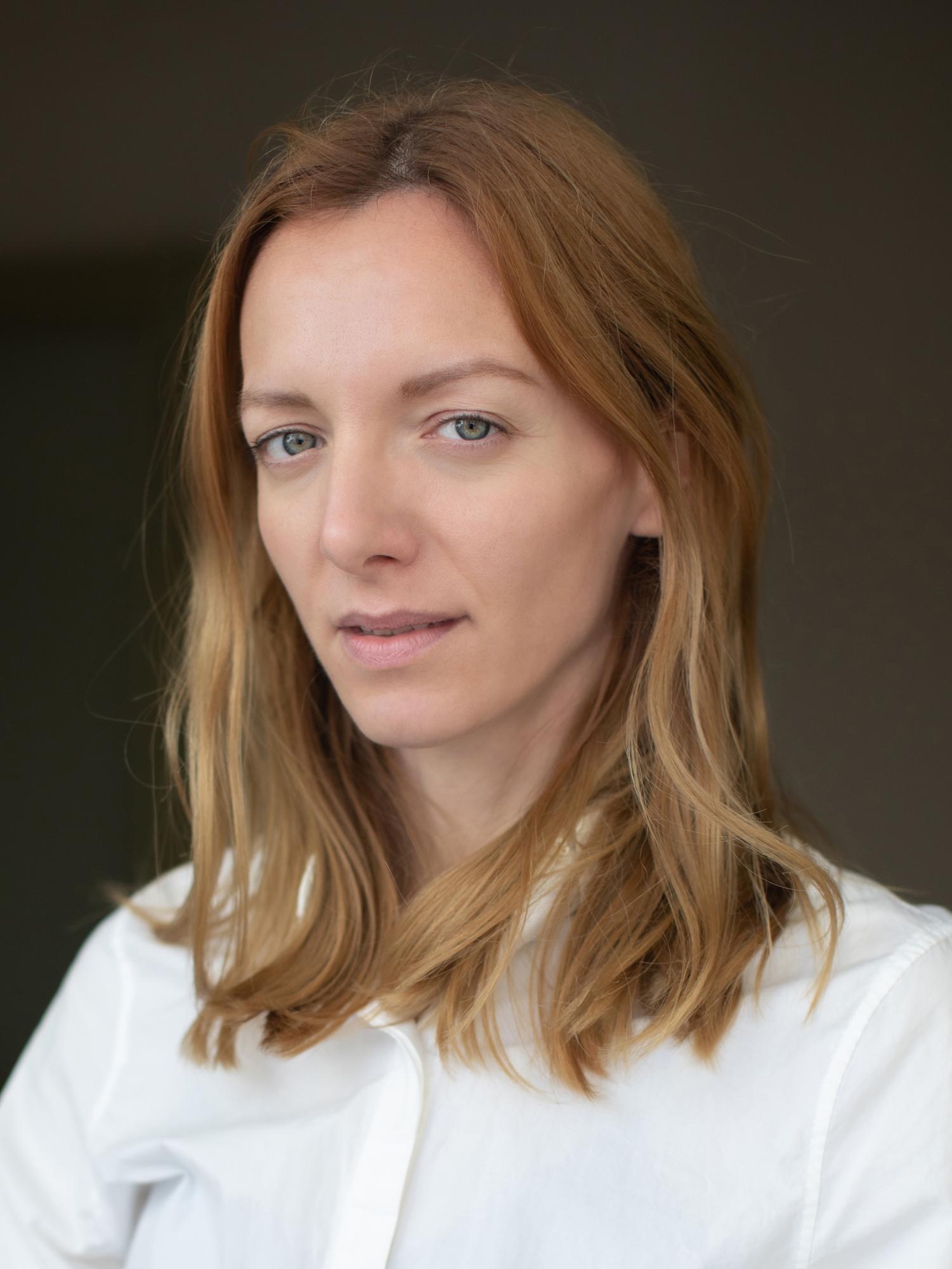
Tamar Margalit (b. 1983) has been working as a curator at the Center for Contemporary Art (CCA), Tel Aviv-Yafo since 2022. In that capacity, she has organized solo exhibitions of artists Rona Yefman, Ruth Patir, Etti Abergel, Gilad Ratman, Daniel Meir, Omer Halperin, Yasmin Vardi, Manar Zuabi, and Amir Yatziv as well as the group exhibitions Substrate and Spectacular Failure. She was a co-curator of Ruth Patir’s exhibition at the Israeli Pavilion in the 60th Venice Biennale, and its subsequent presentation at the Tel Aviv Museum of Art in 2025.
Between 2016-2021, Margalit worked as a Curatorial Assistant at The Museum of Modern Art in New York, where she was part of the curatorial team of Donald Judd’s museum retrospective, and participated in the acquisitions working group of contemporary art for MoMA’s collection. Between 2013-2016, she was an Exhibitions Director at Luxembourg & Dayan Gallery, New York, where she organized exhibitions of Alex Da Corte, Enrico Baj, and performances by Aki Sasamoto and Madeline Hollander, among others. She has also organized exhibitions at Columbia University’s Wallach Gallery, New York; Sommer Gallery, Tel Aviv; Charim-Ungar Gallery, Berlin; the Artists’ Studios, Jerusalem, and the Artists’ House, Tel Aviv.
Margalit’s writings have appeared in several MoMA publications, including Judd and Being Modern. She has recently edited, and contributed writings for, the catalogues Etti Abergel: Memoir and Ruth Patir: (M)otherland. She holds a Master's degree in modern art history from Columbia University in New York, and a Bachelor's degree in art history and economics from Tel Aviv University.
Artist(s):
-
b. 1983, lives and works in Tel Aviv
-
*1984, lives in Vienna
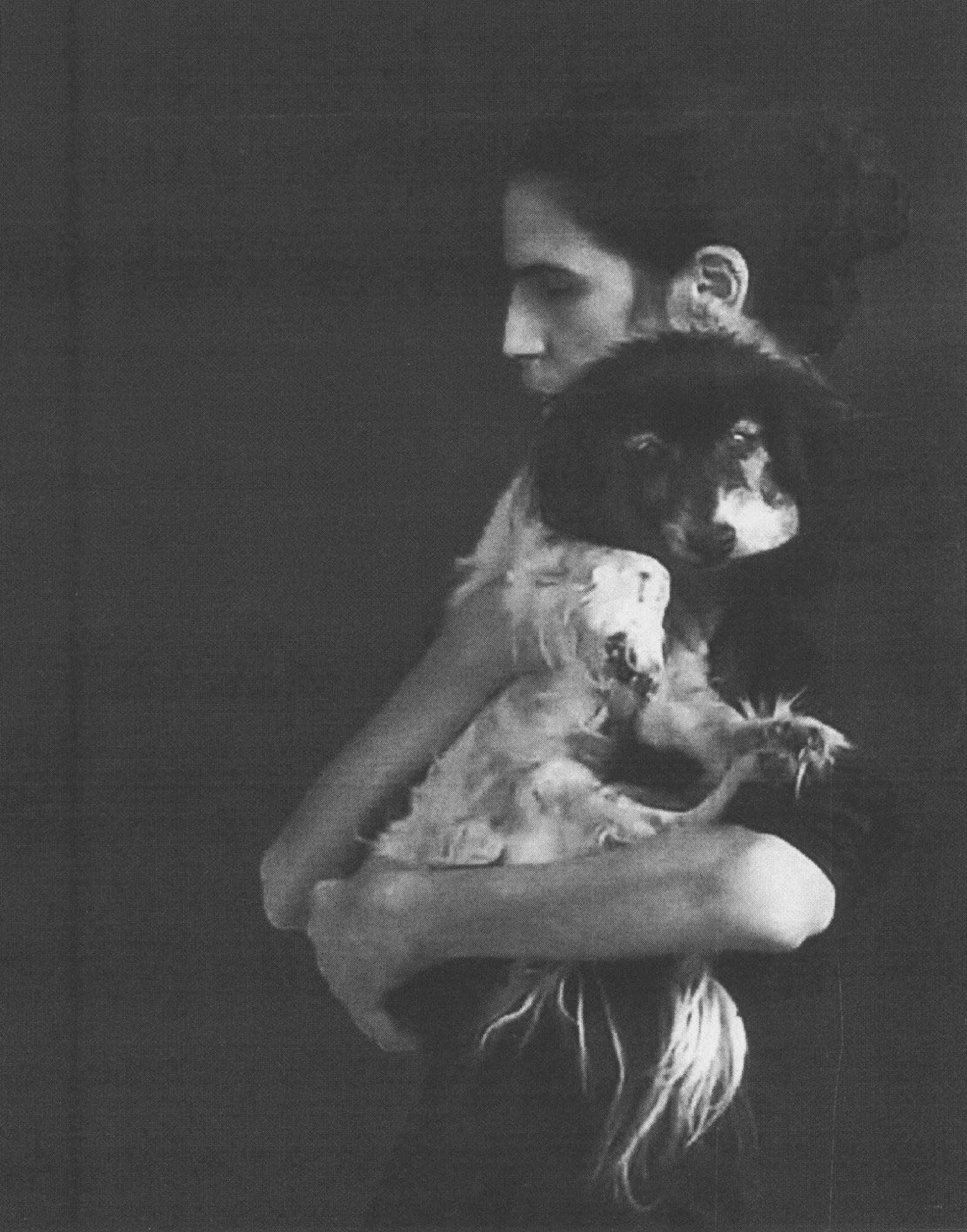
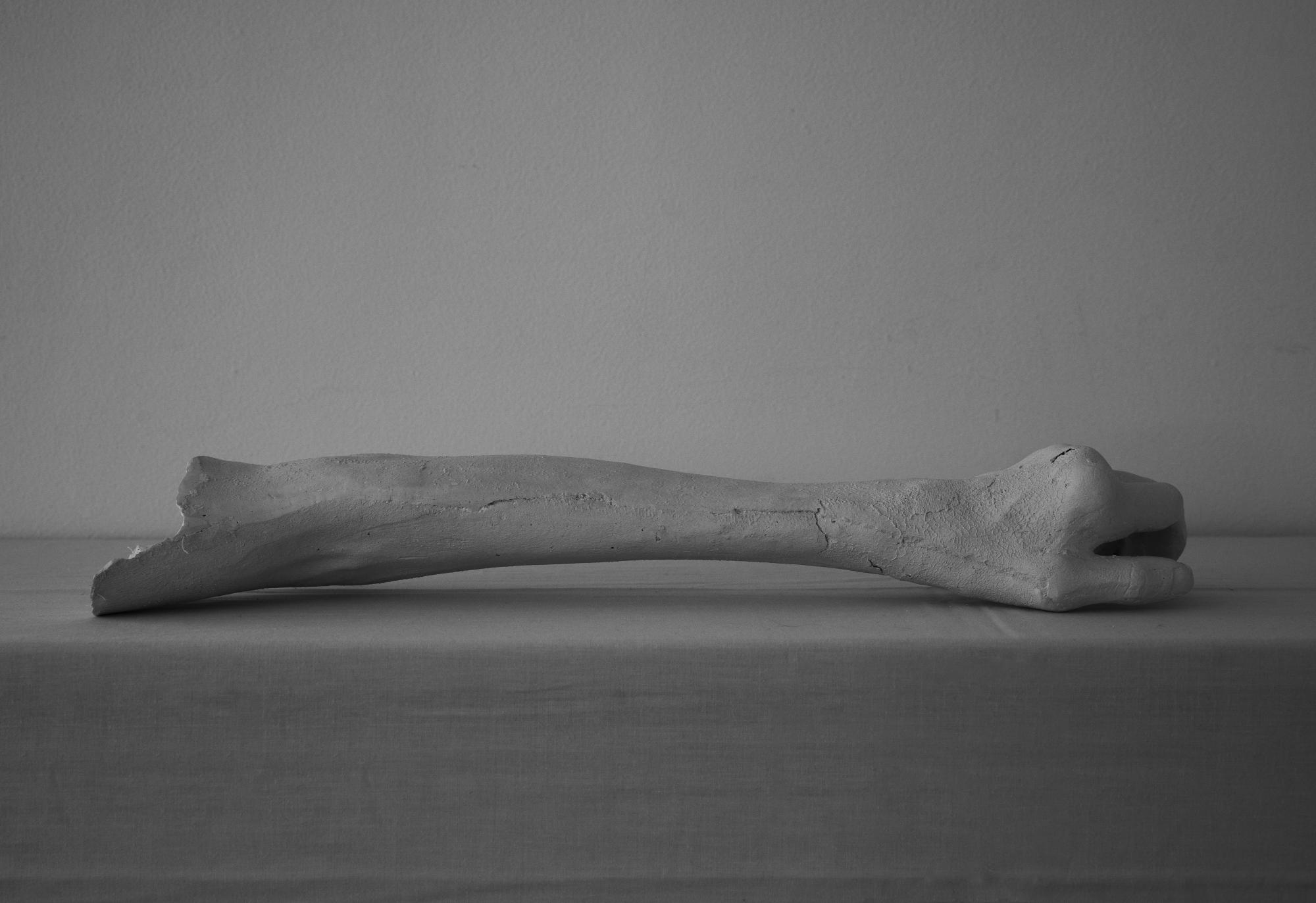
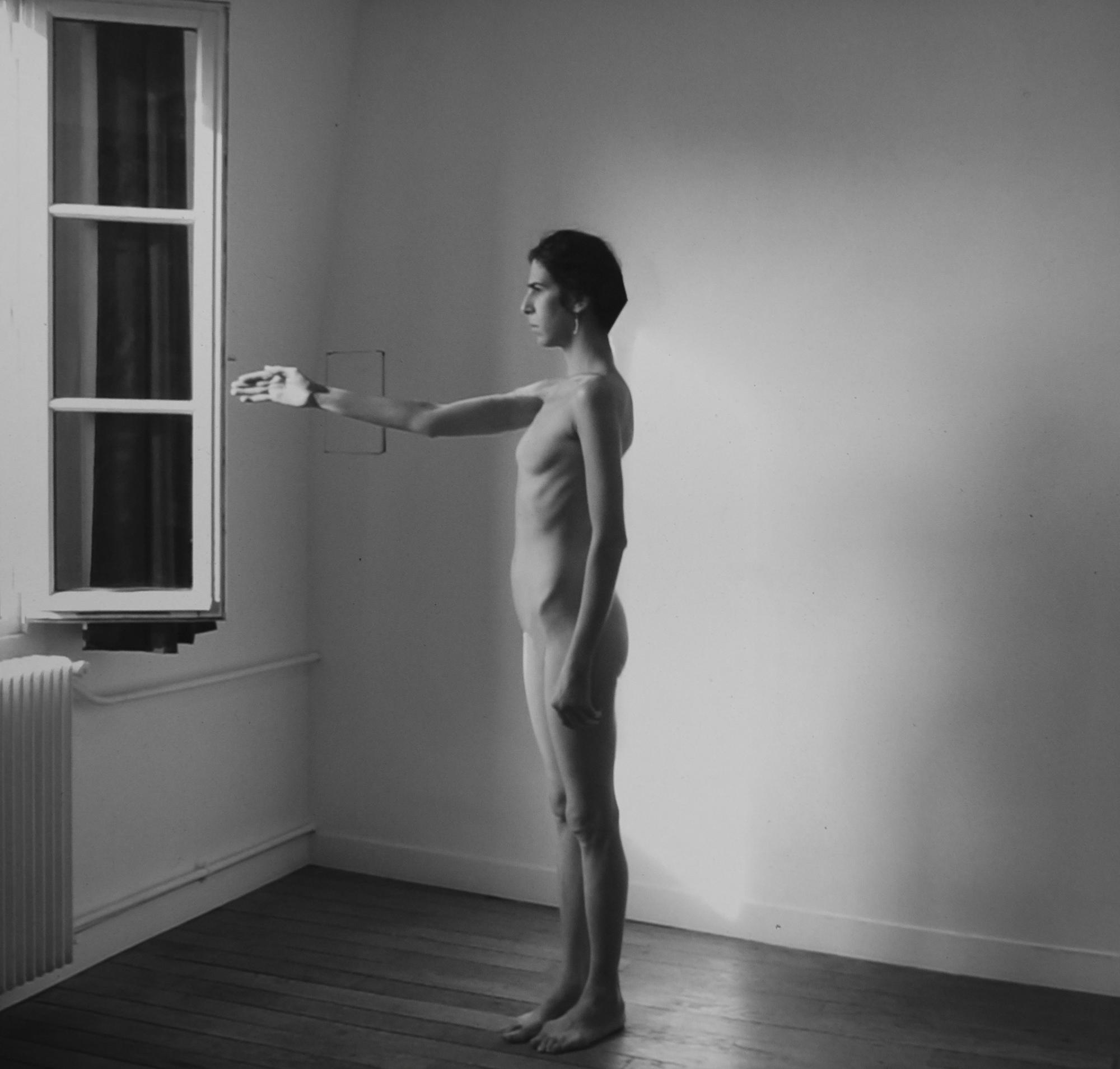
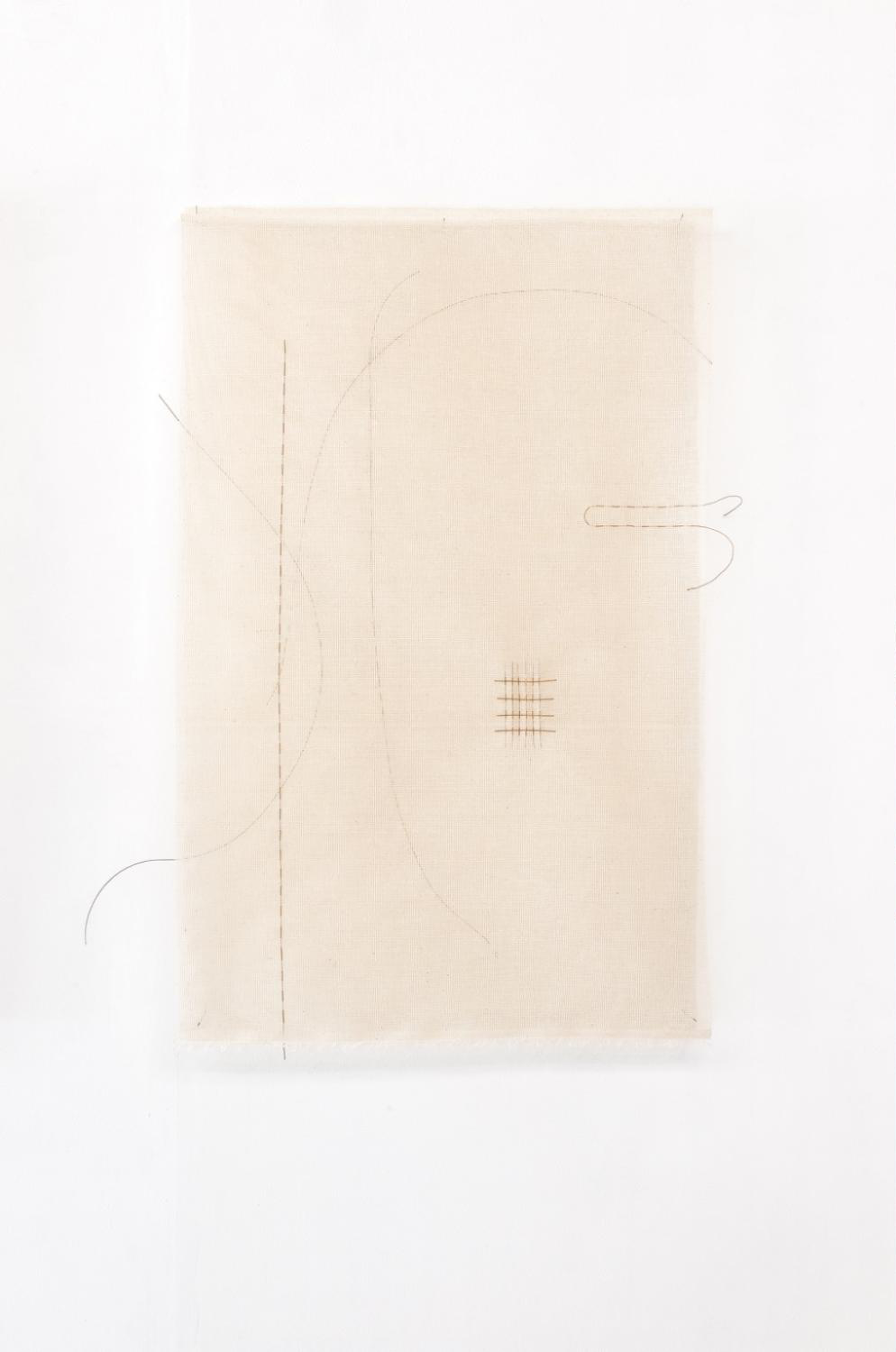
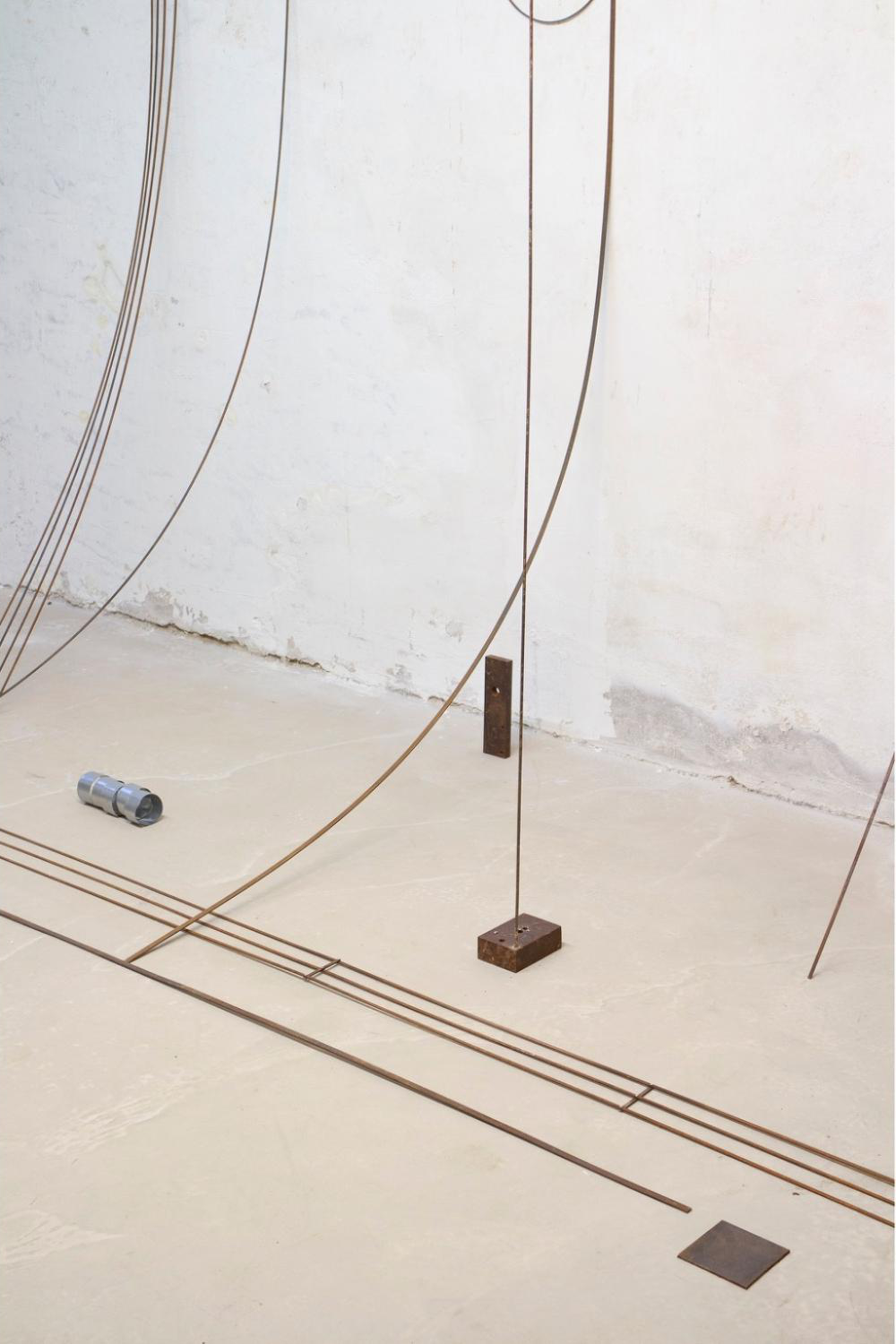
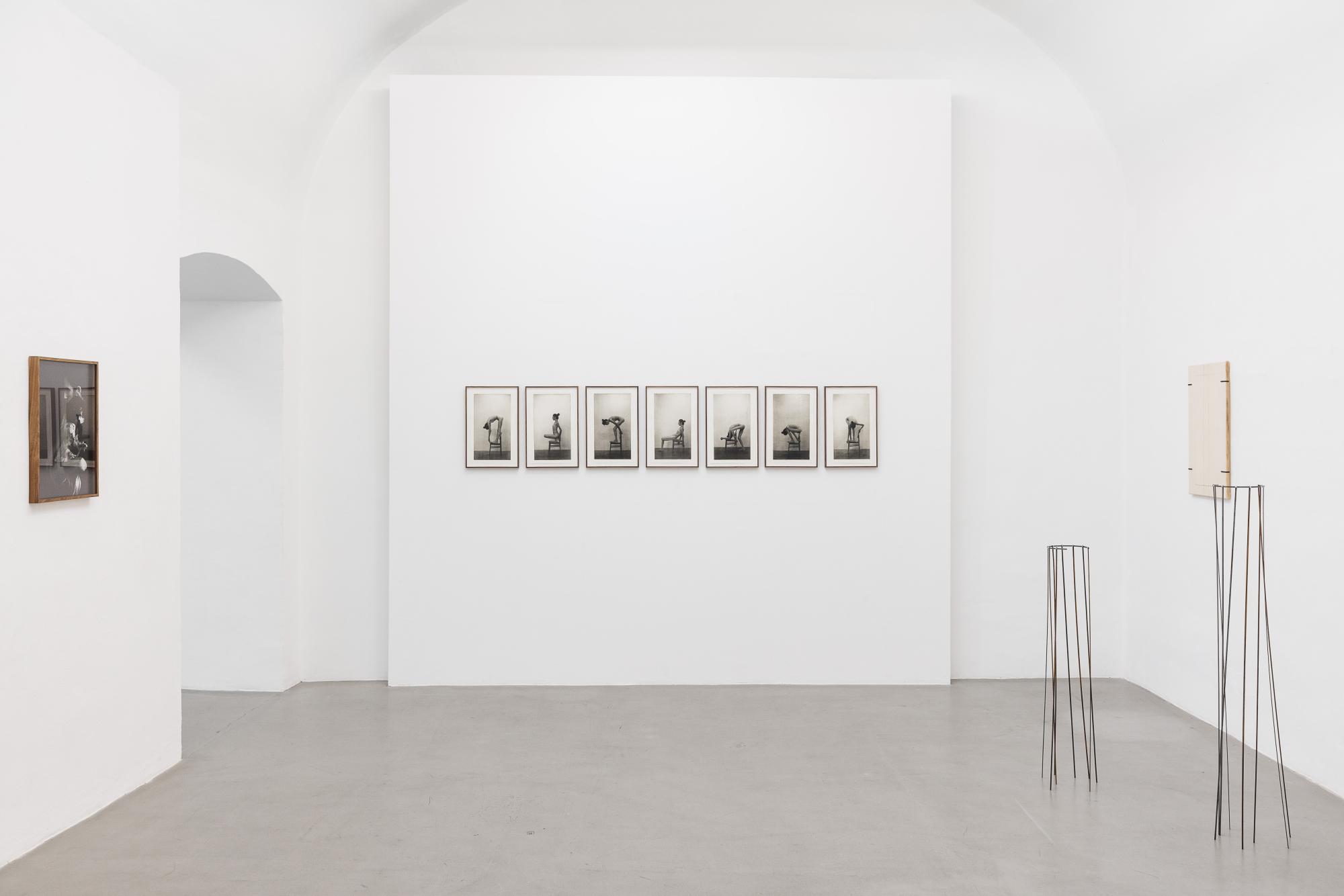
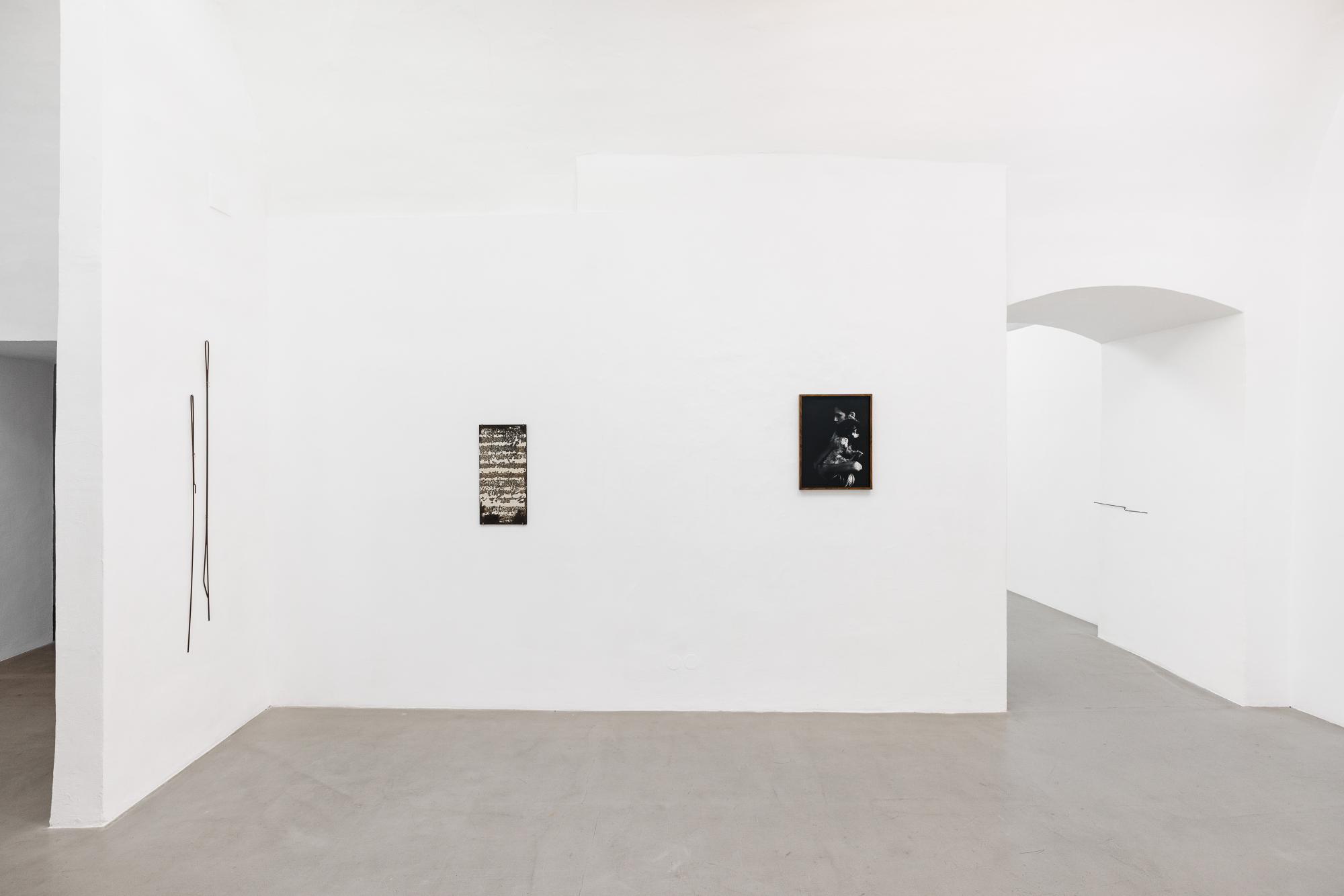
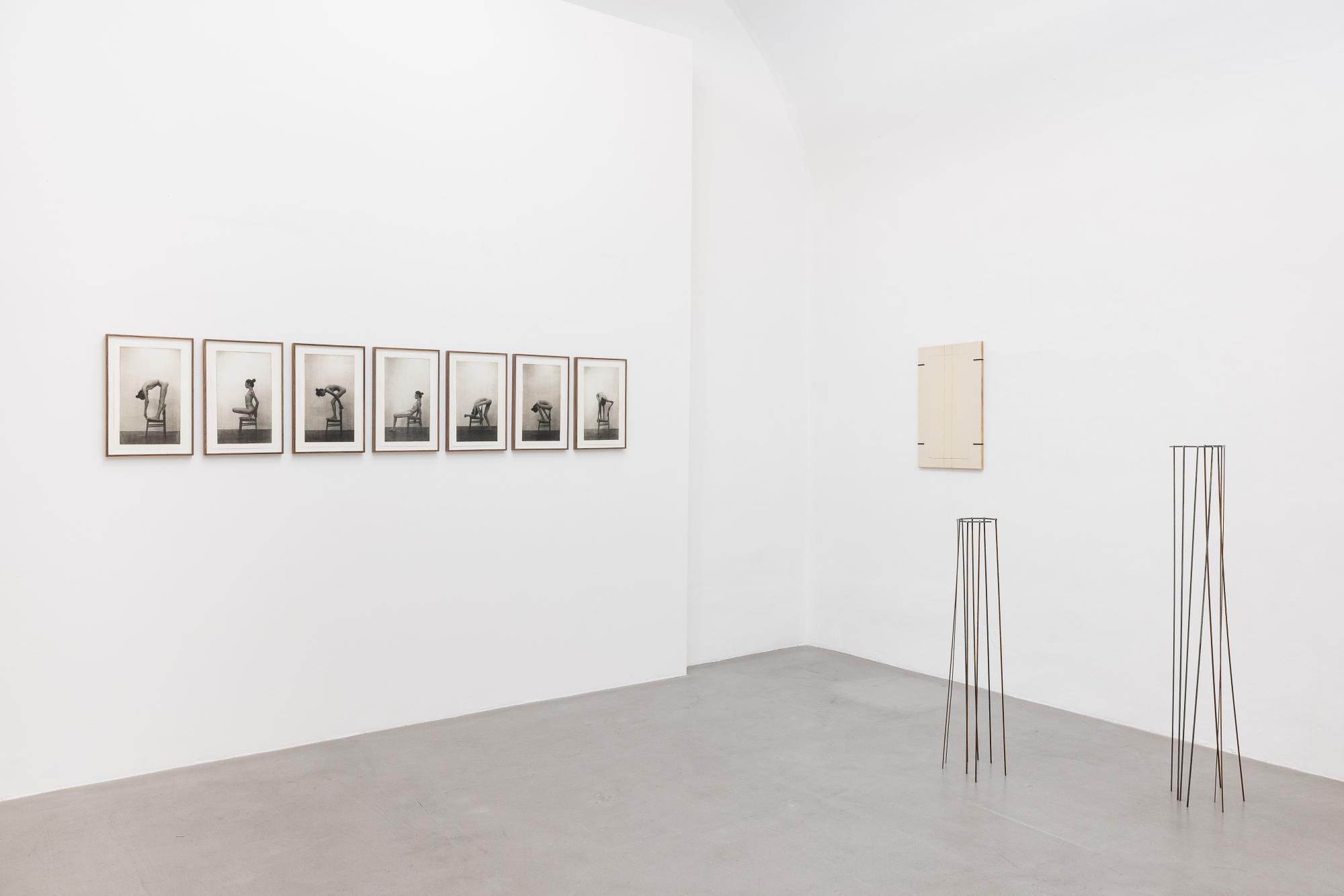
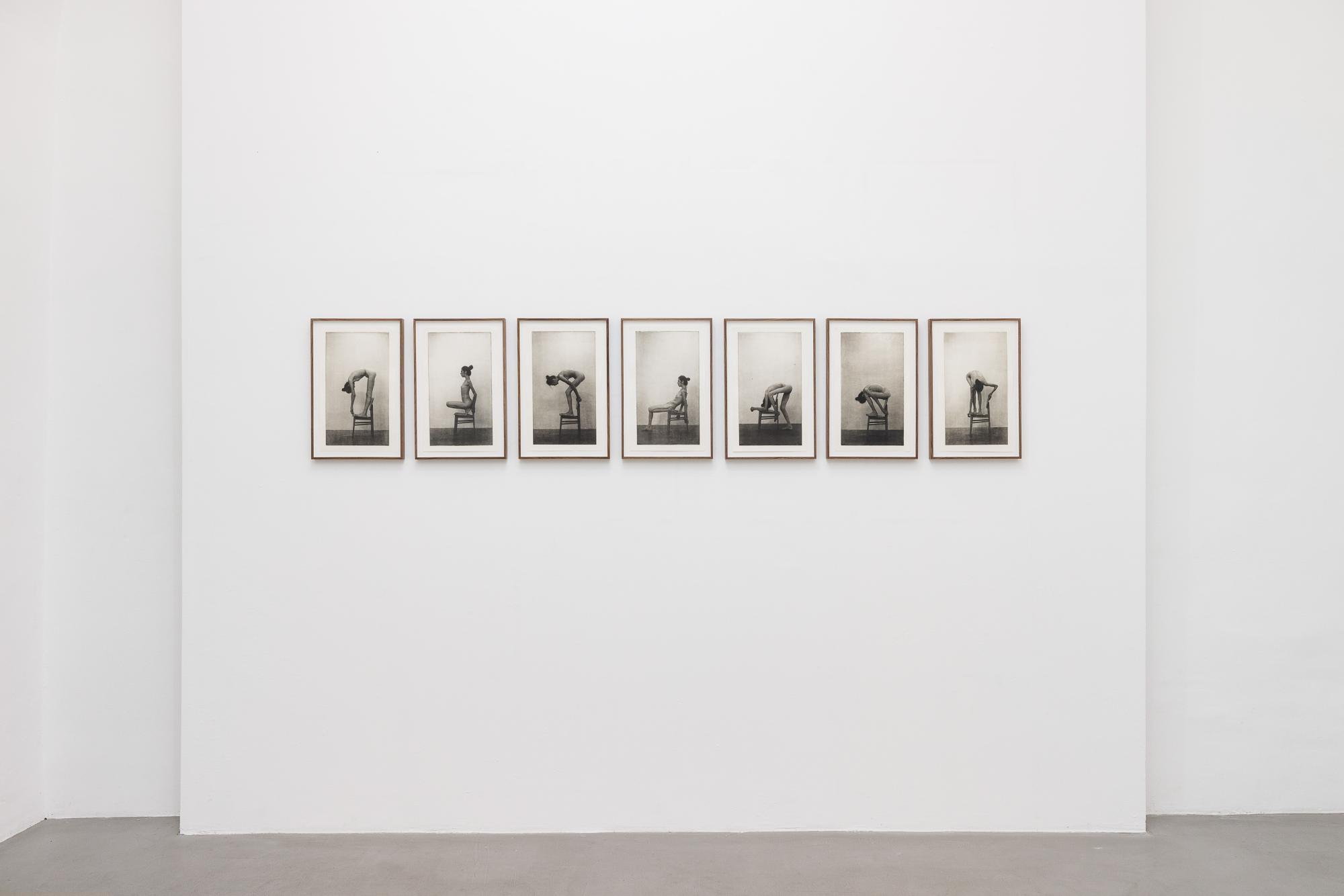
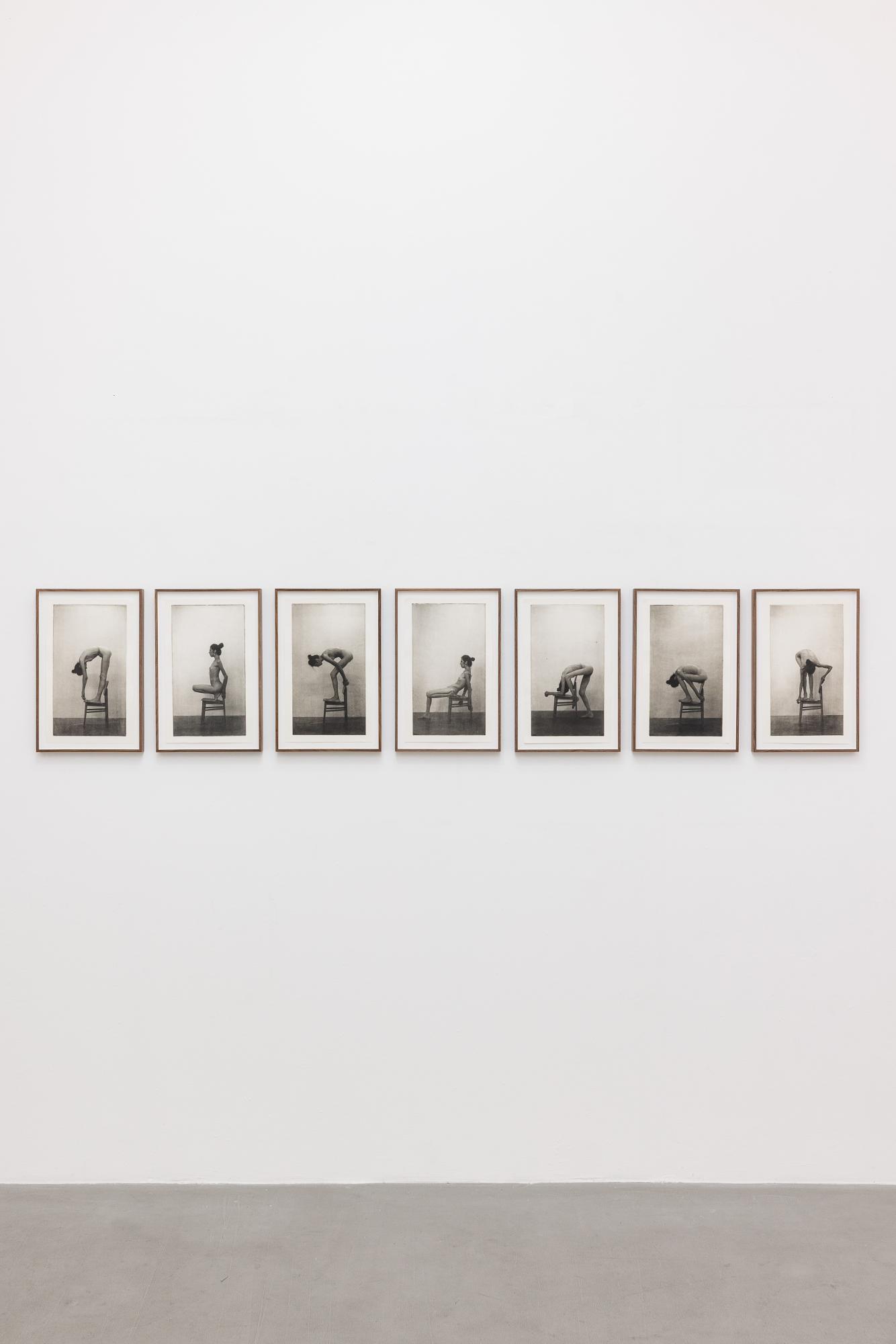
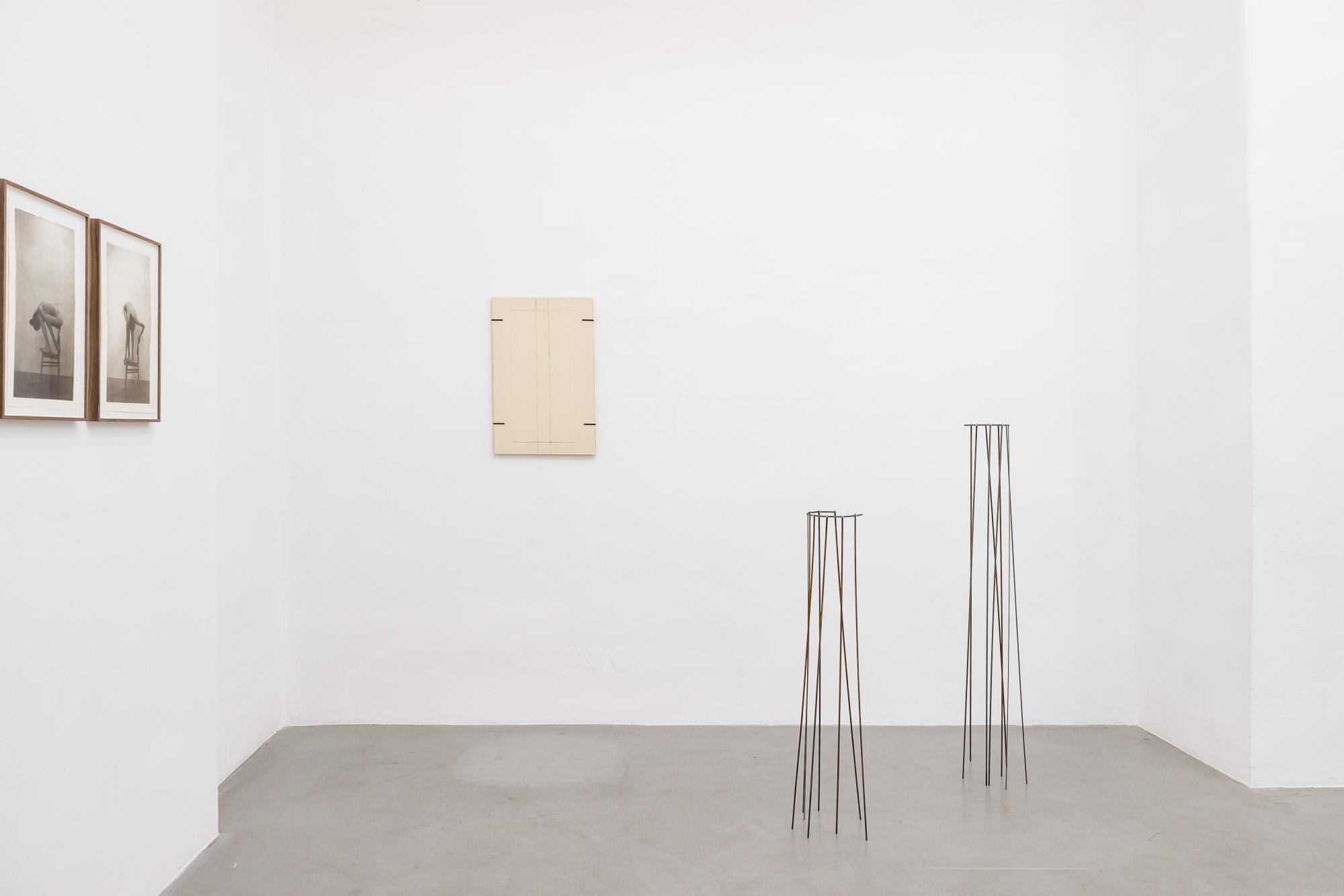
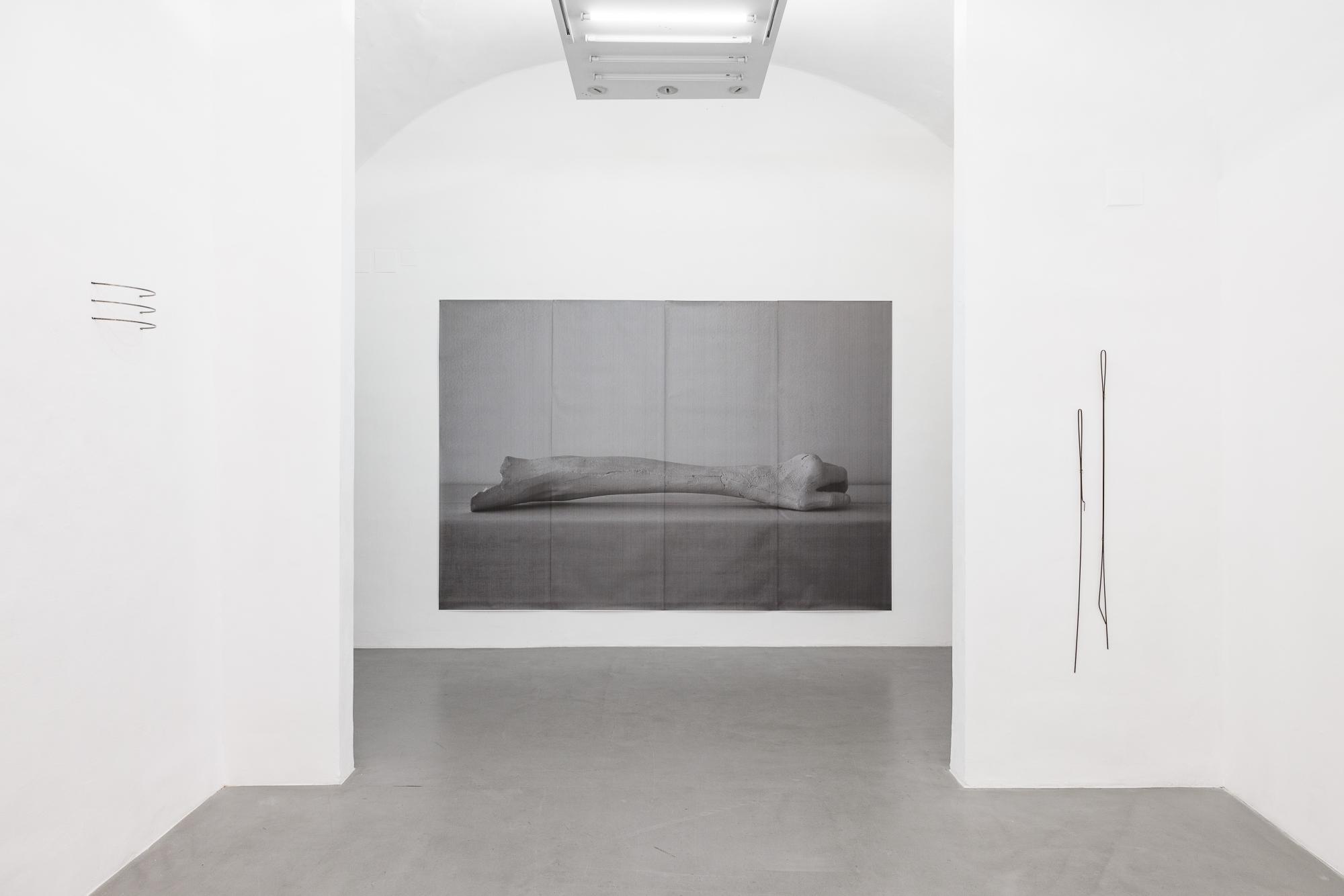
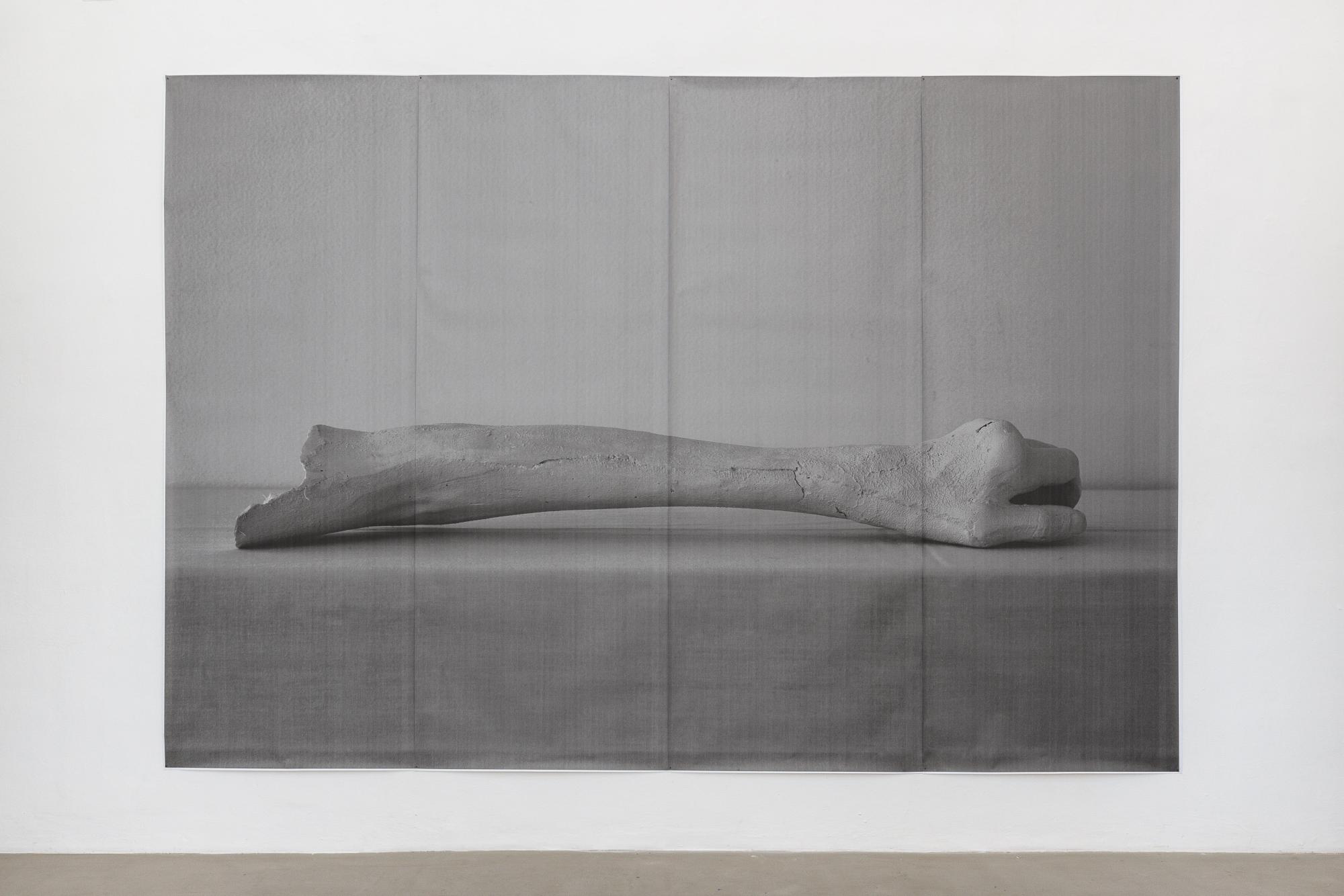
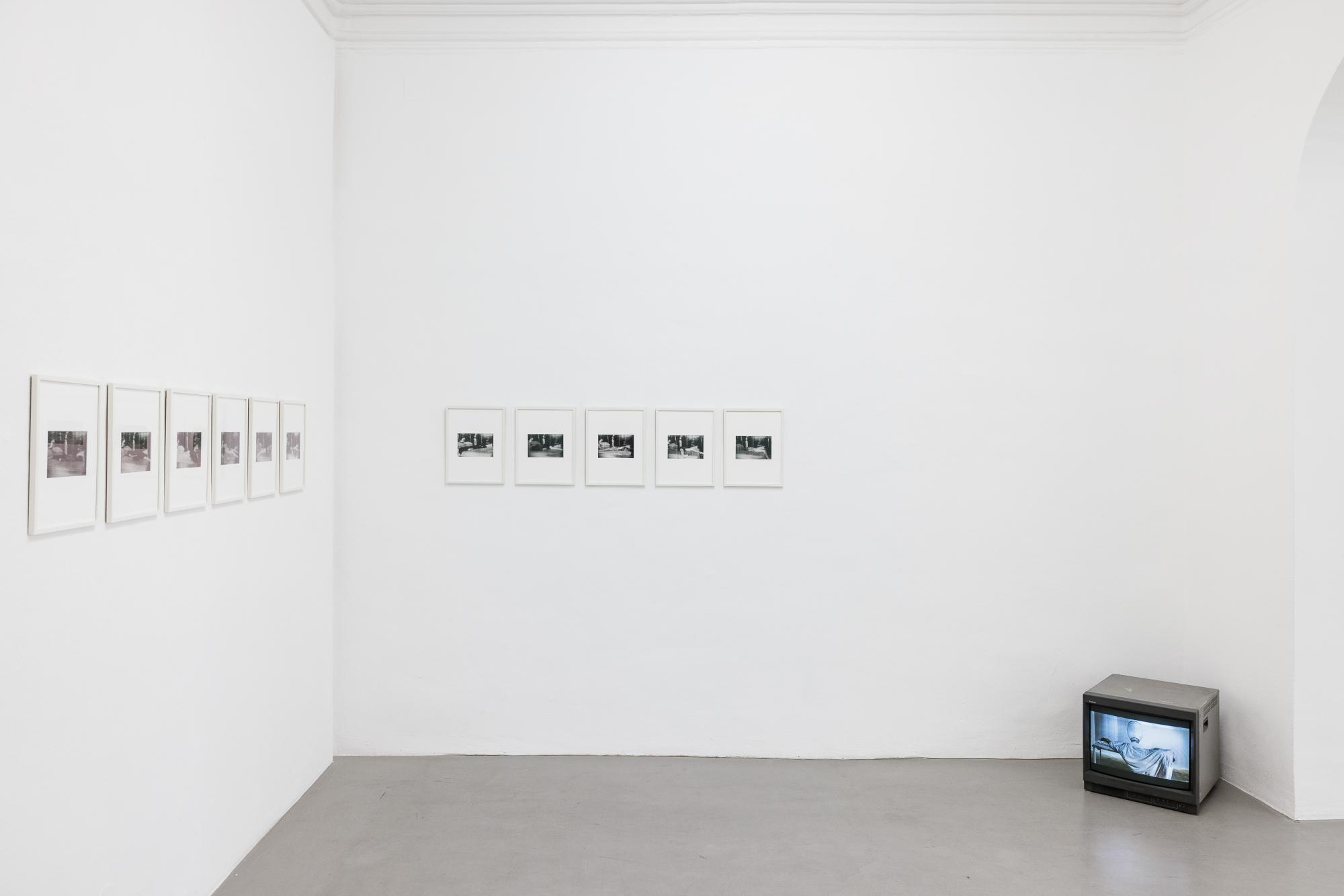
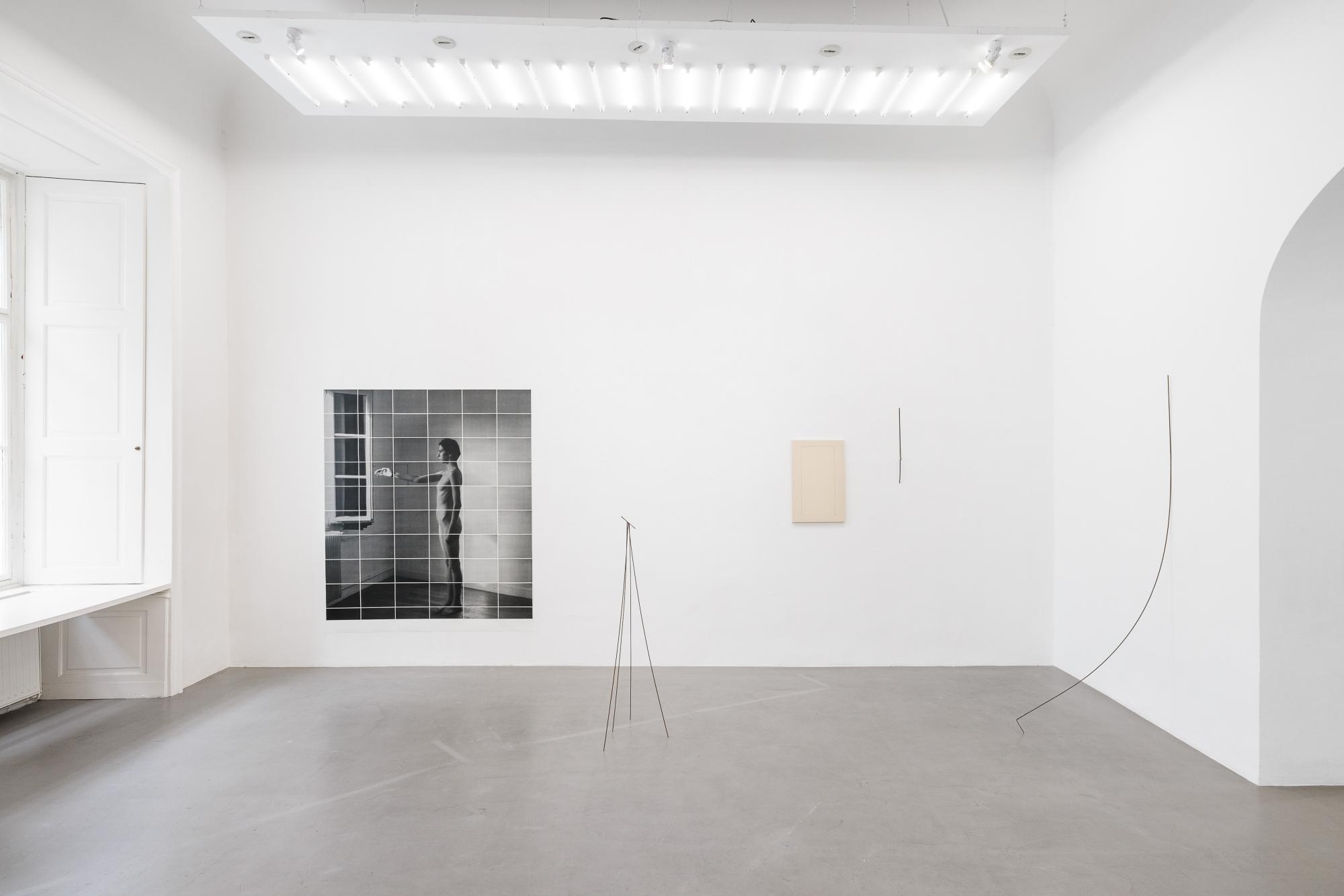
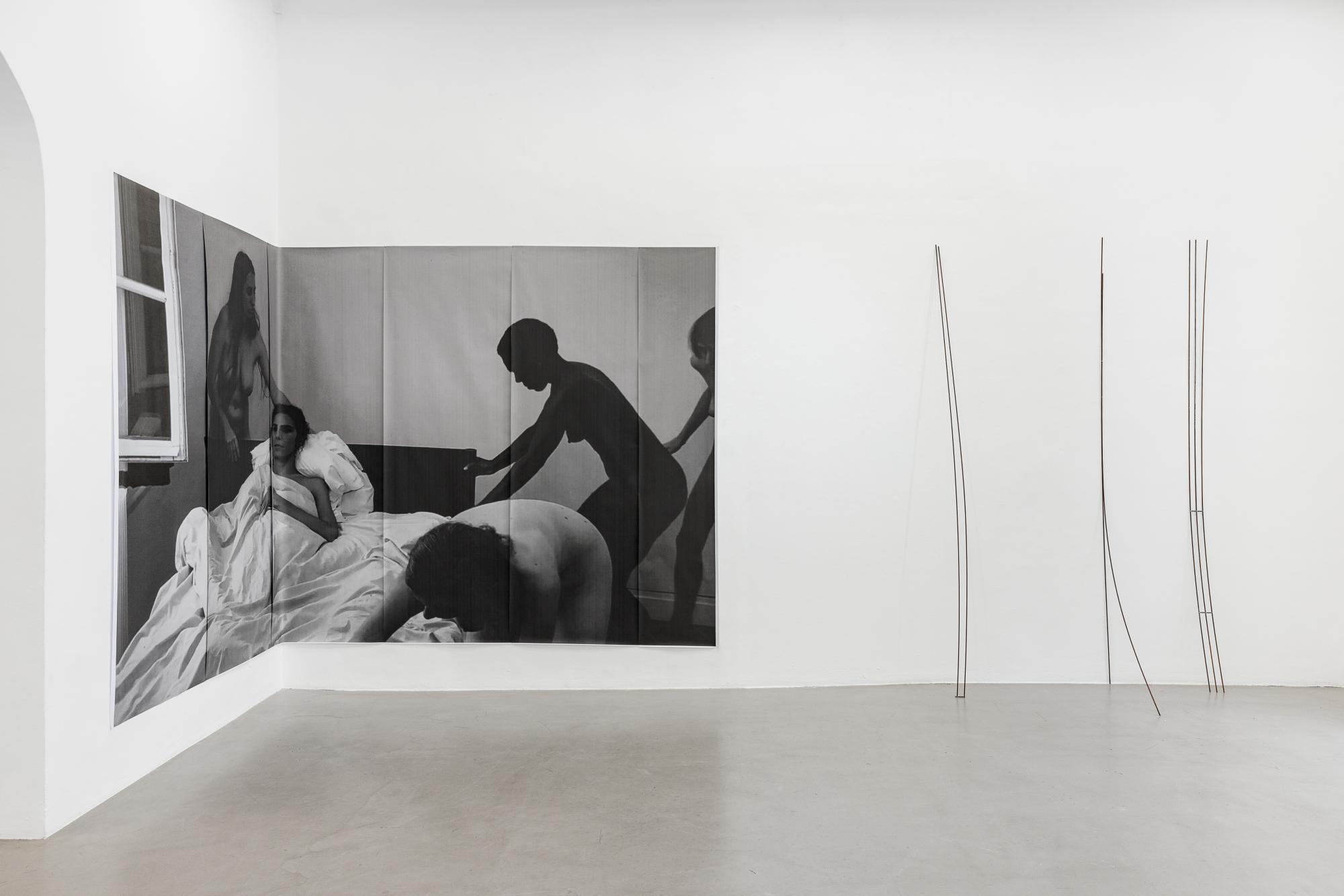
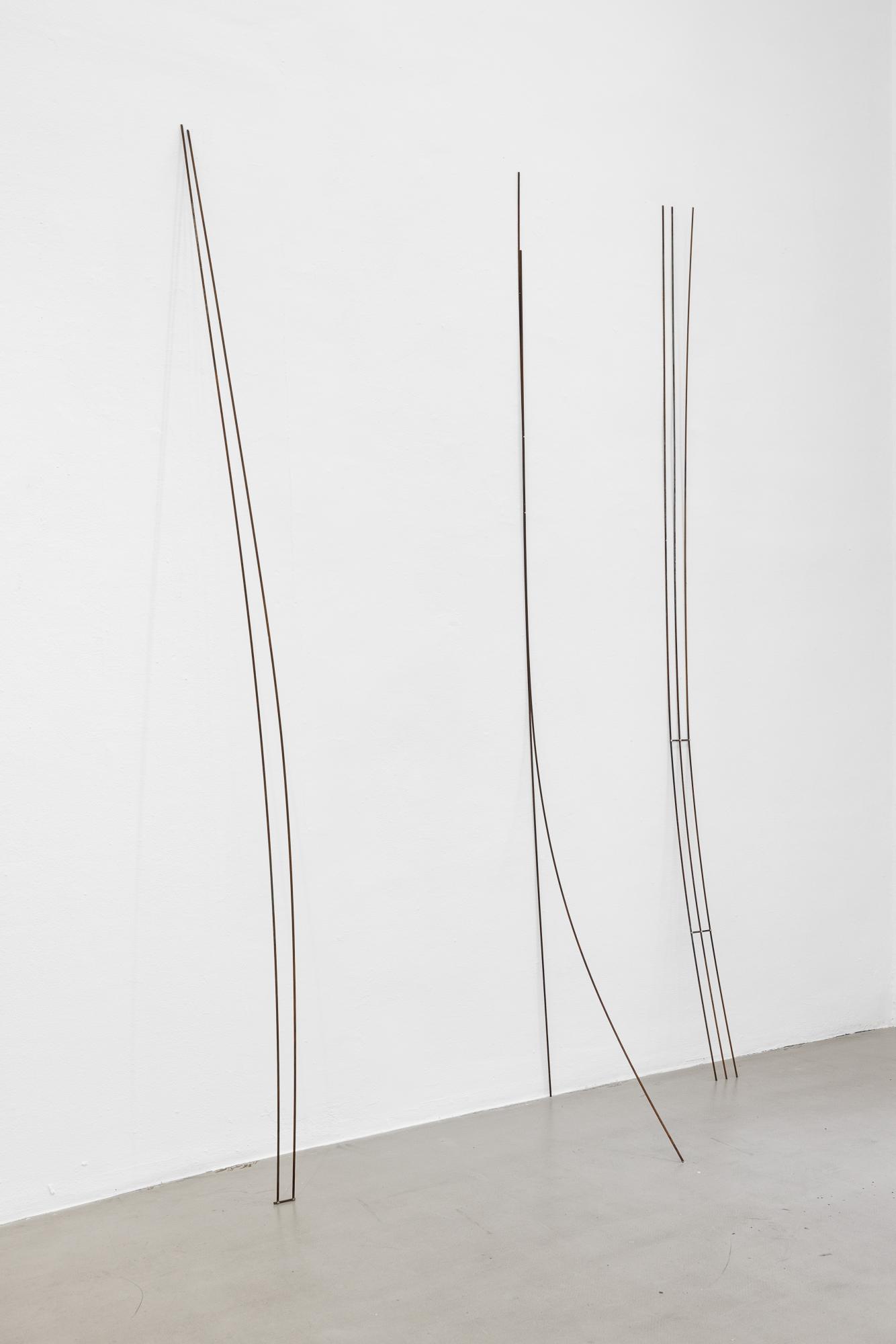
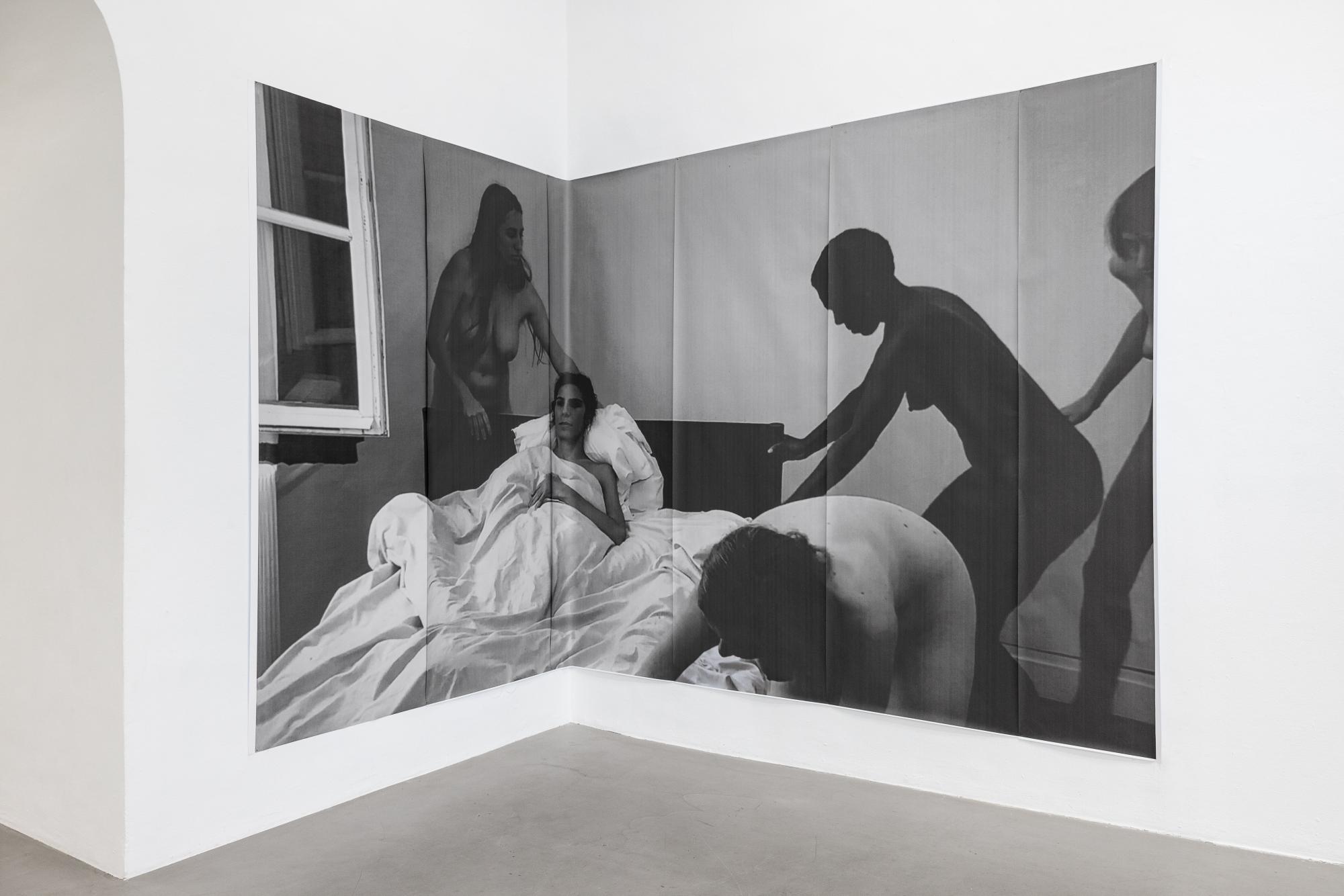
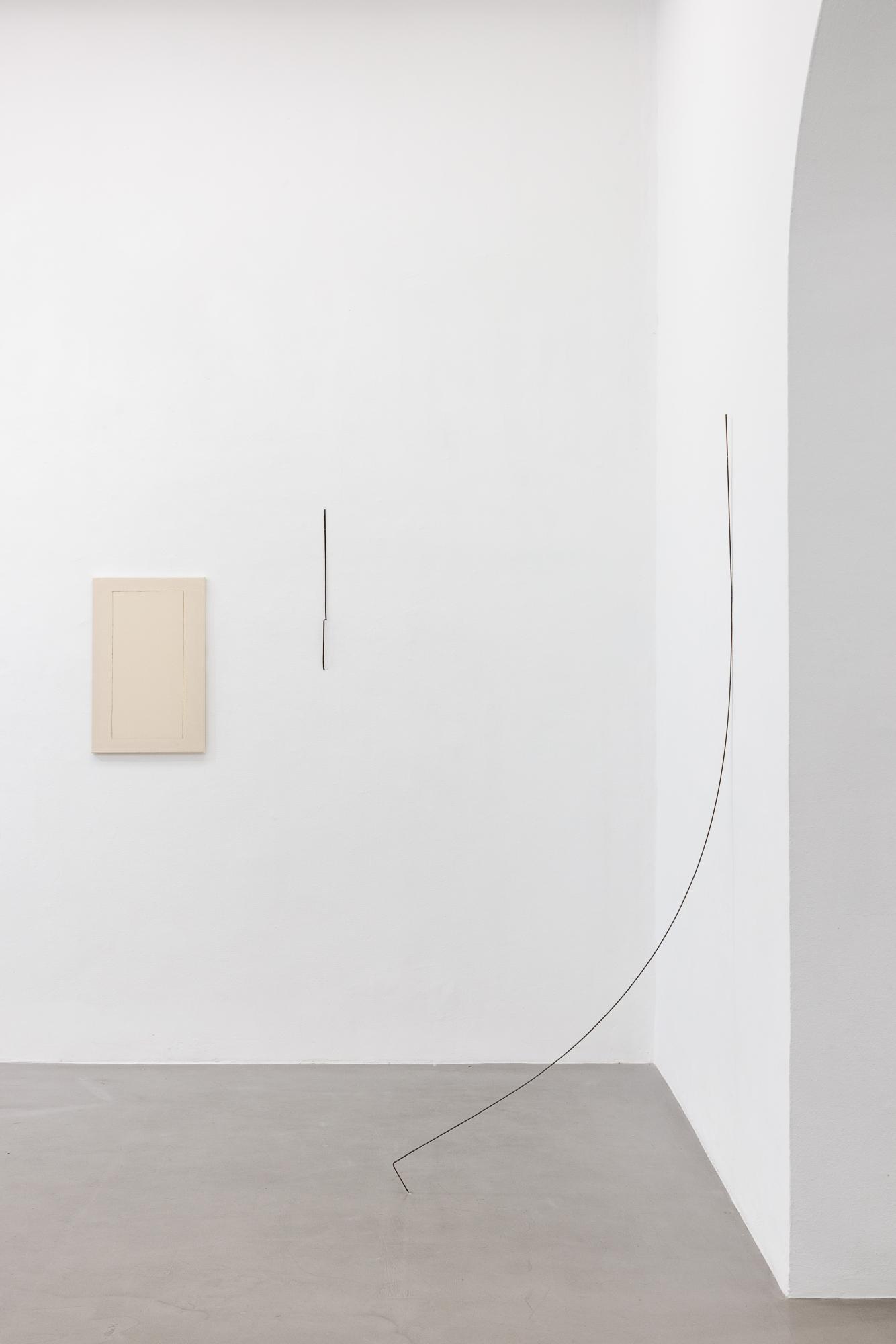
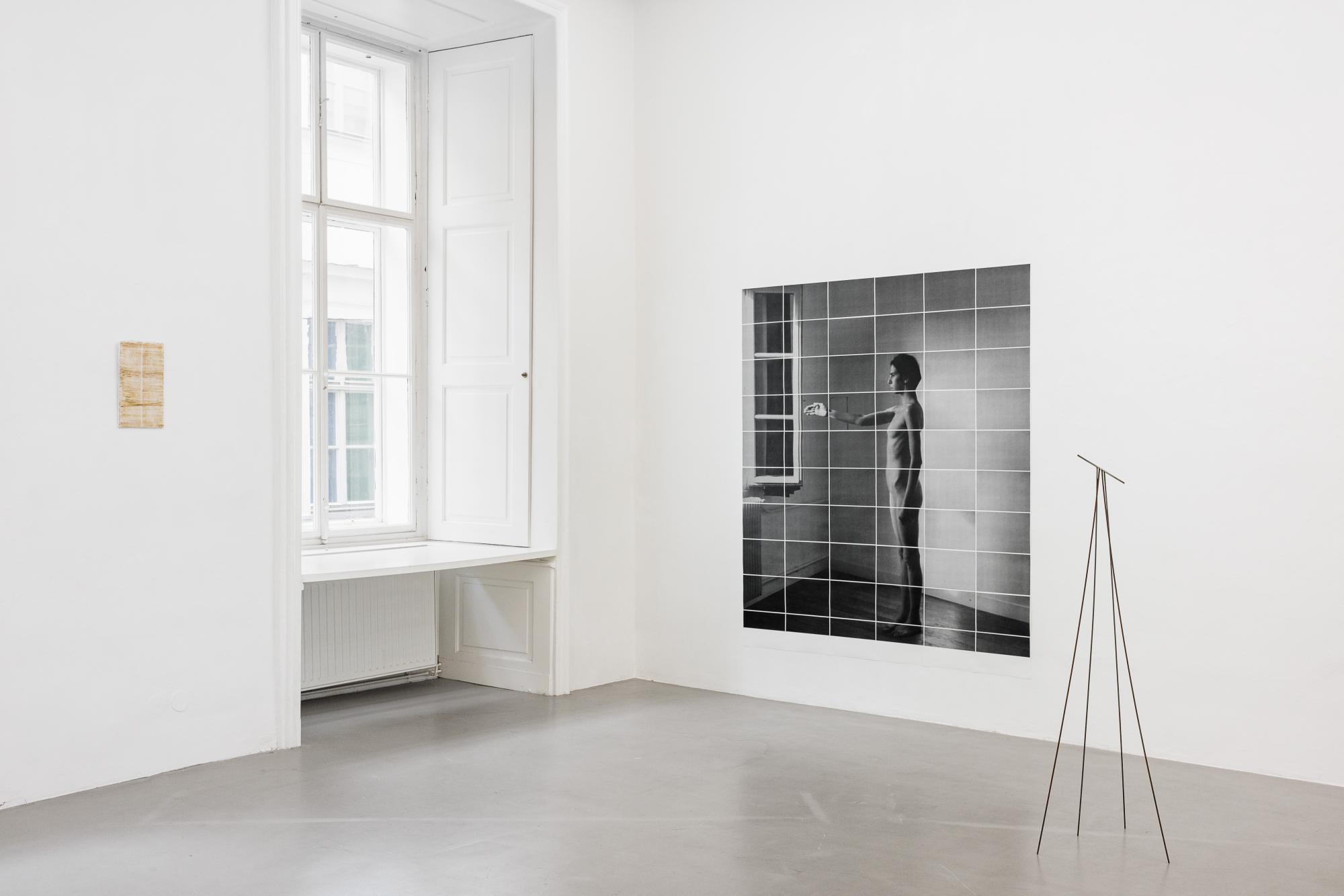
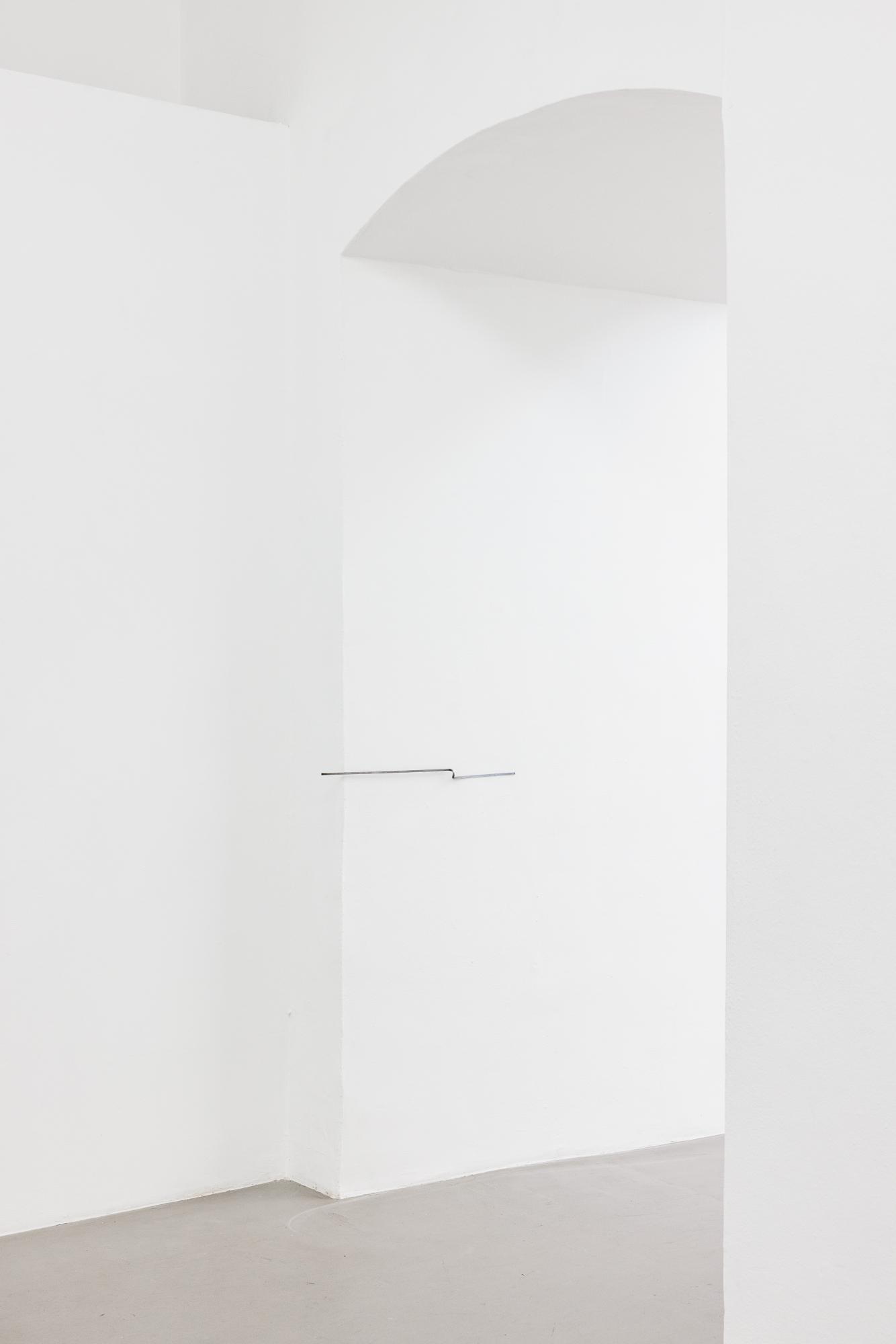
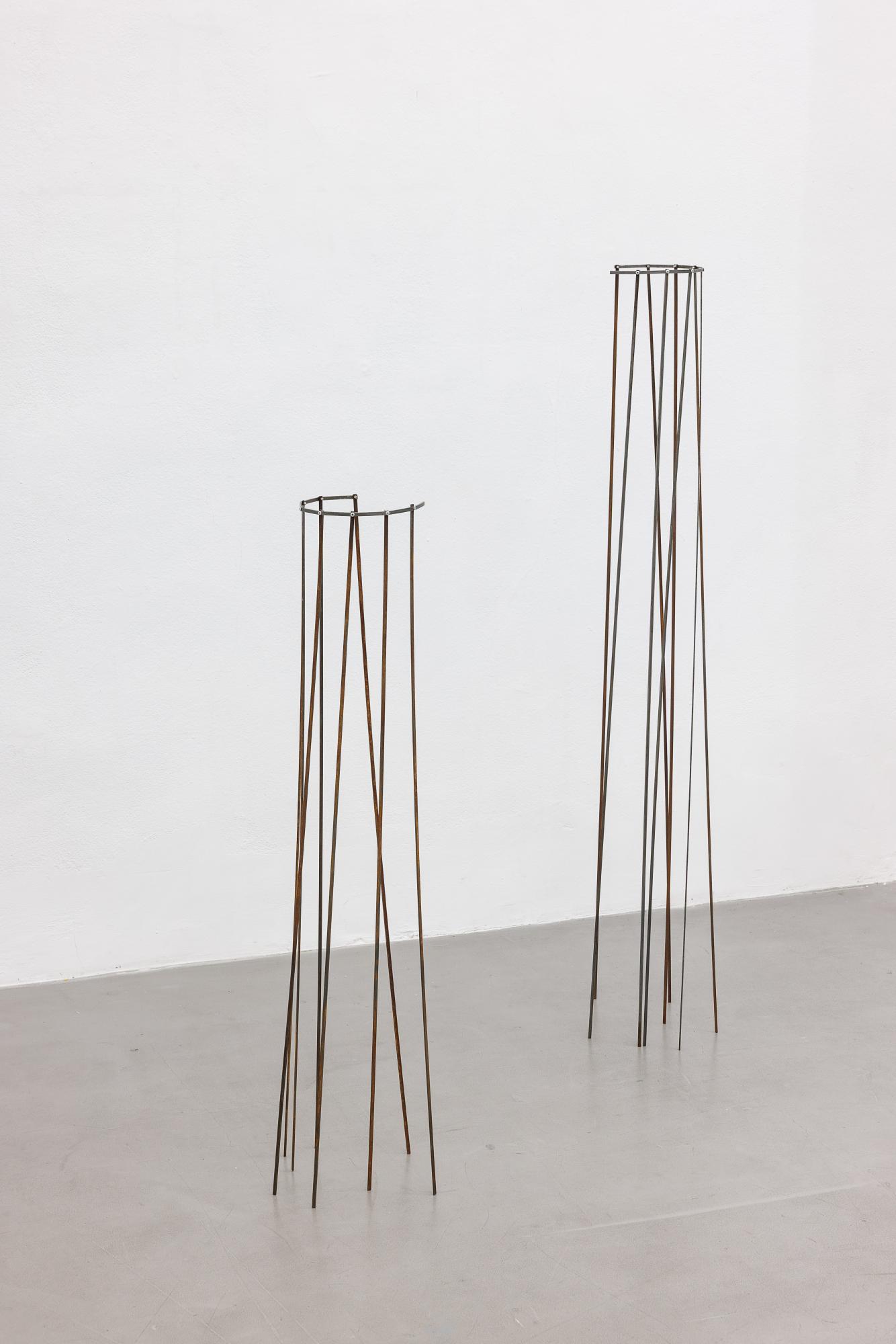
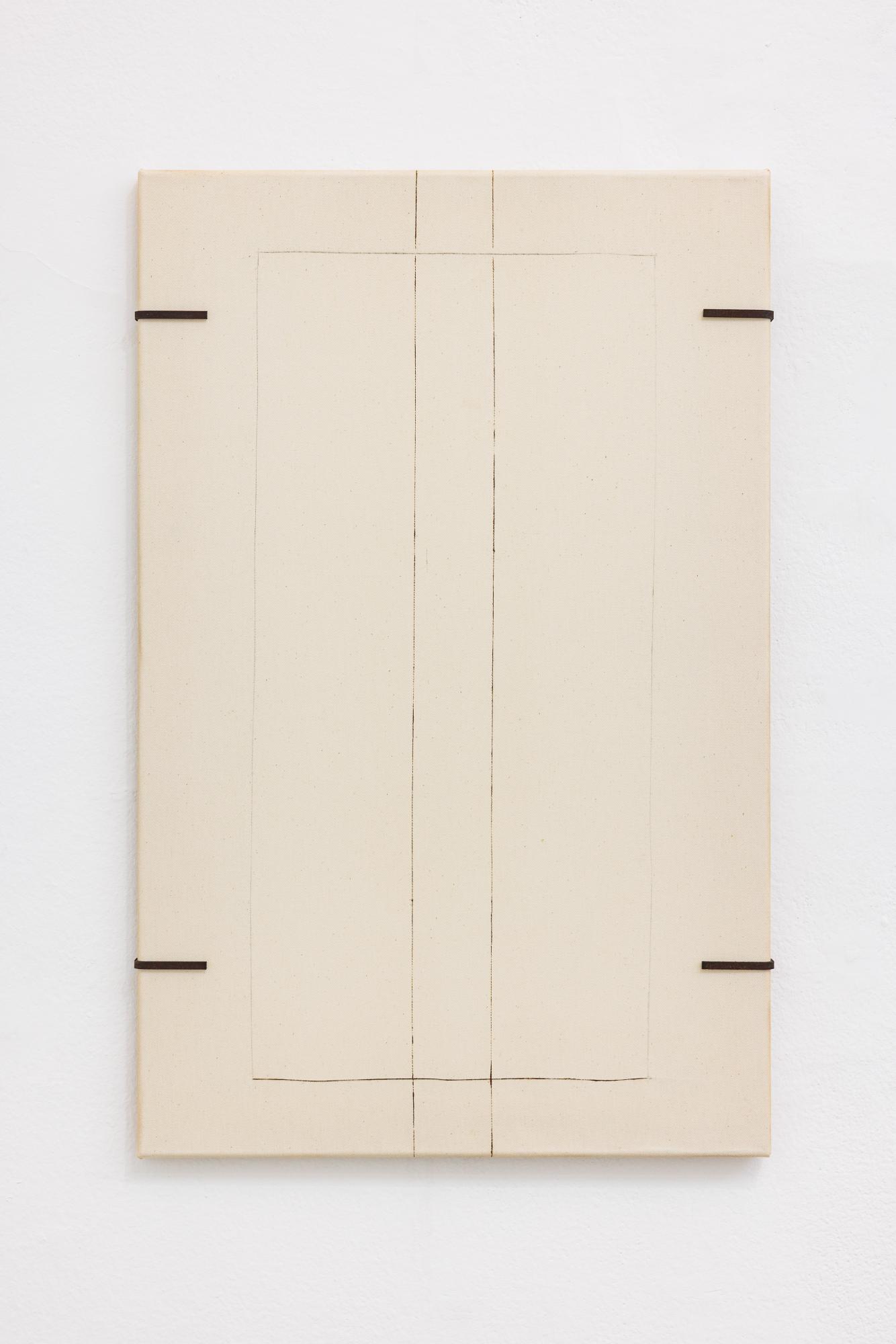
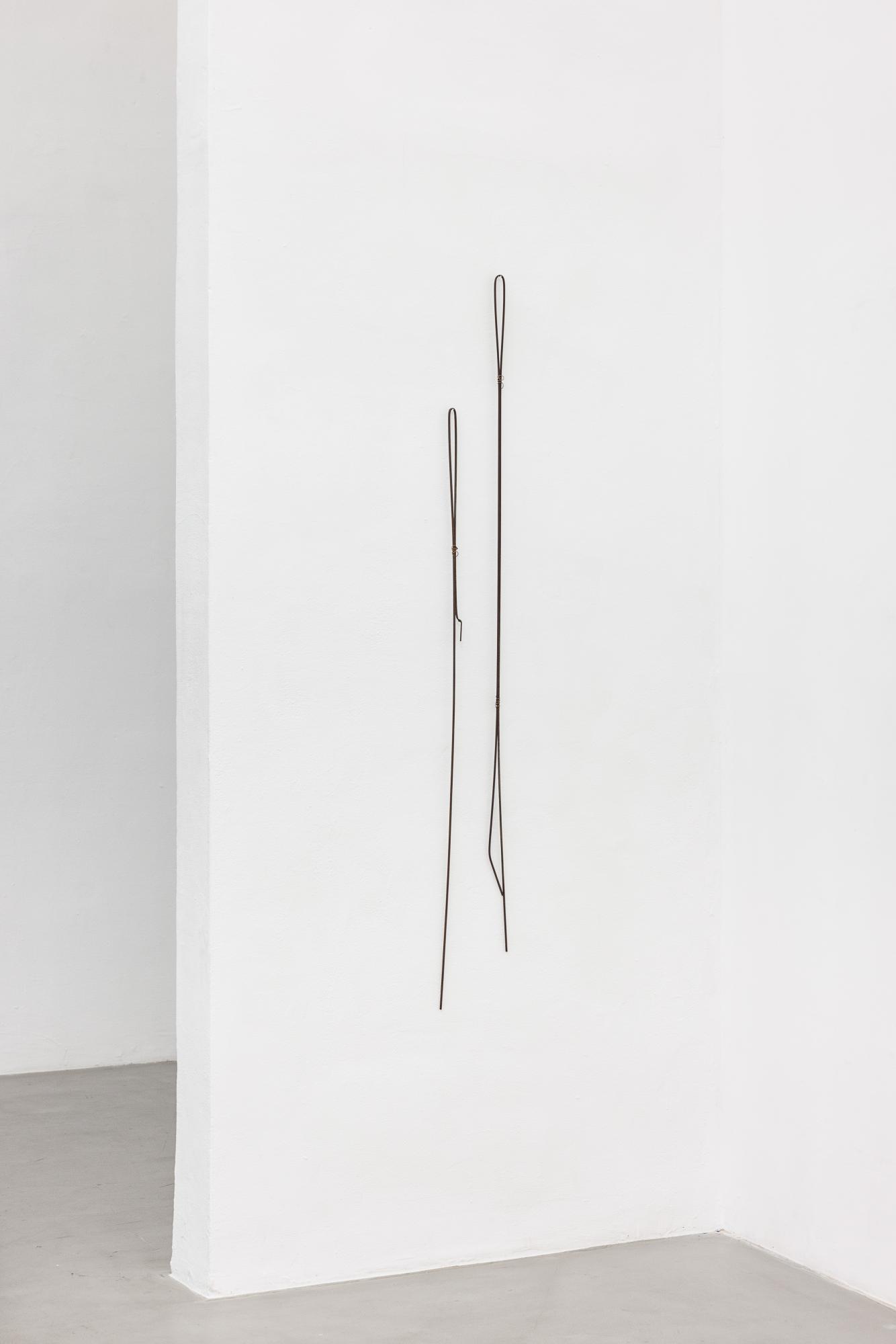
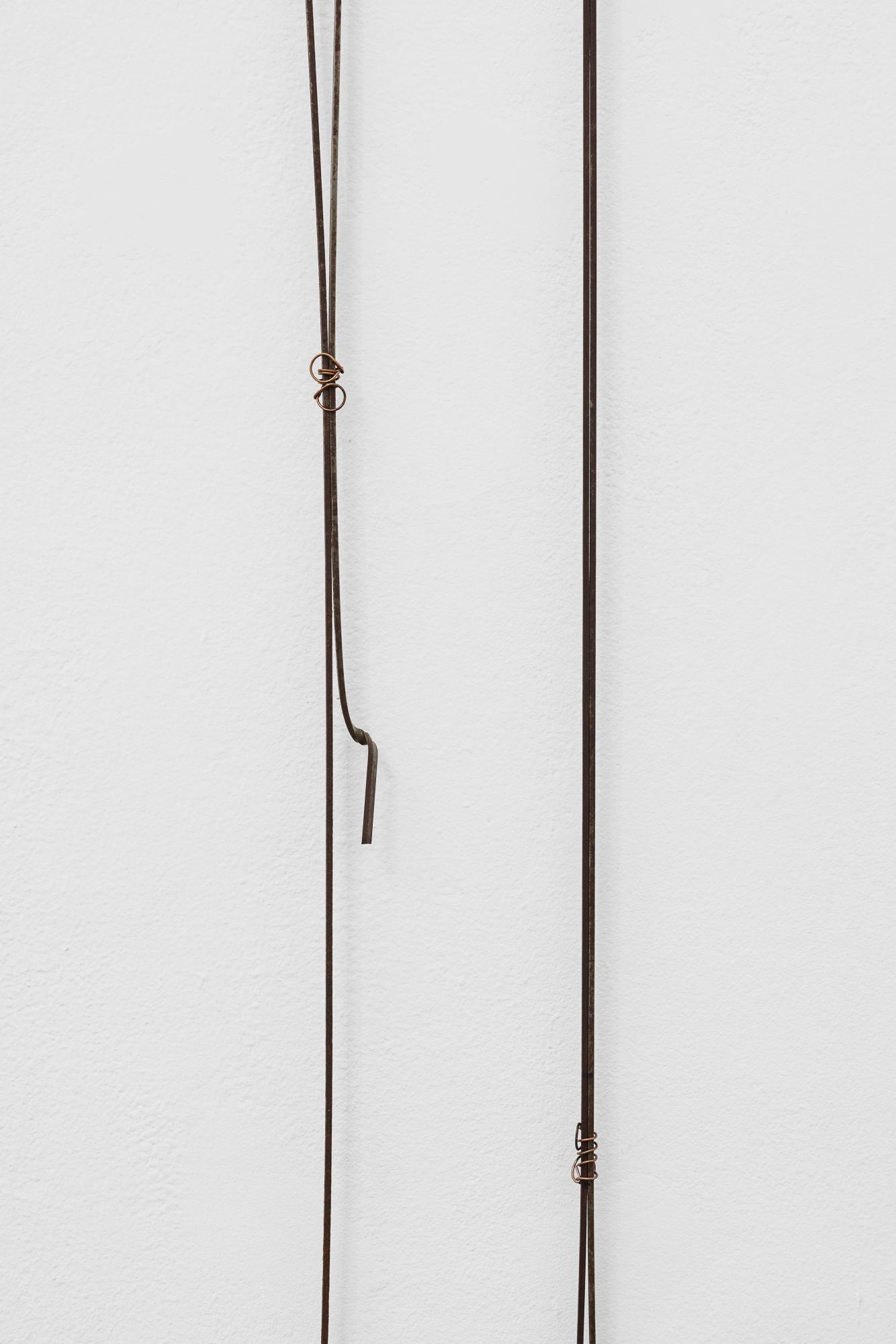
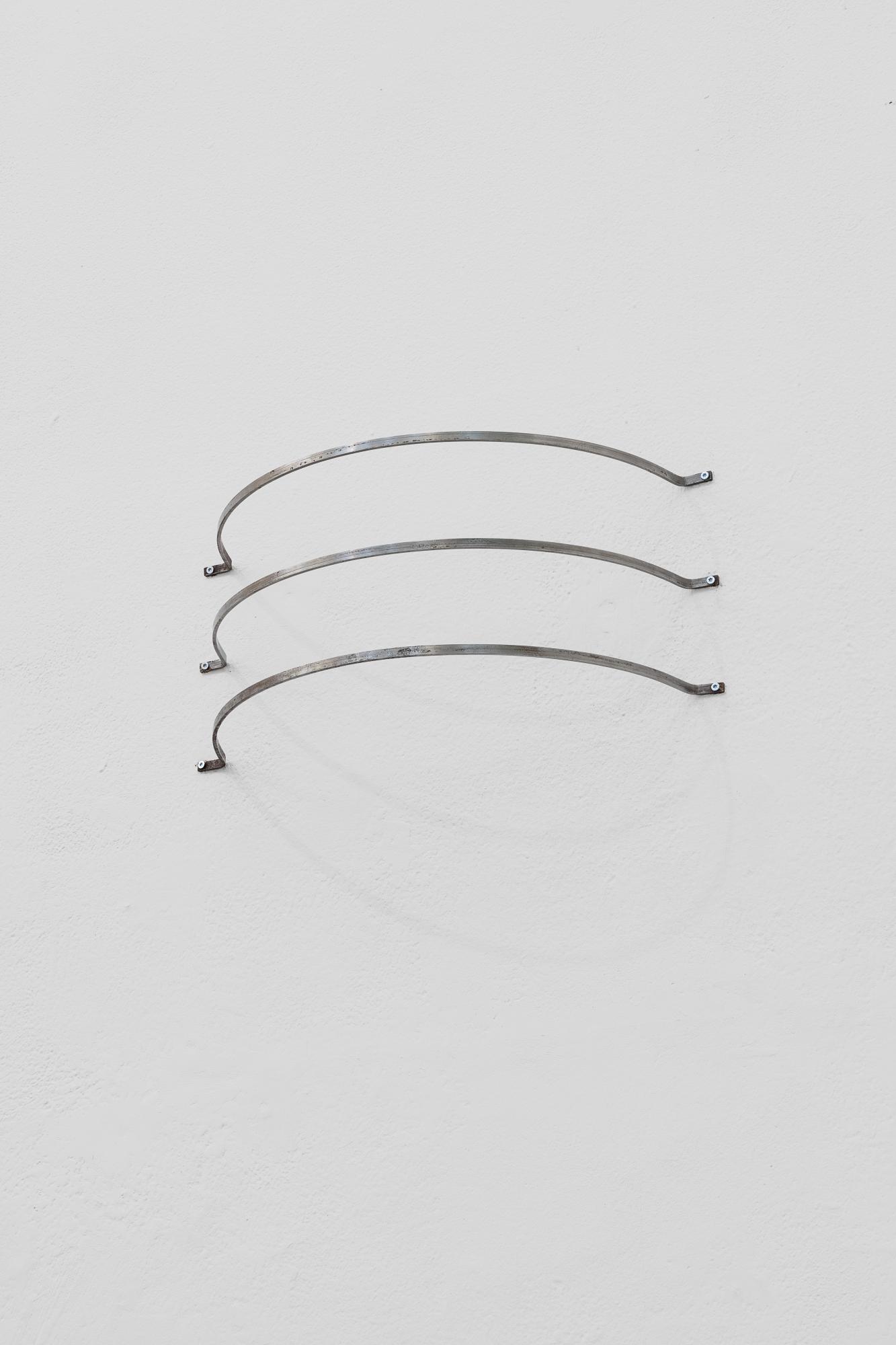
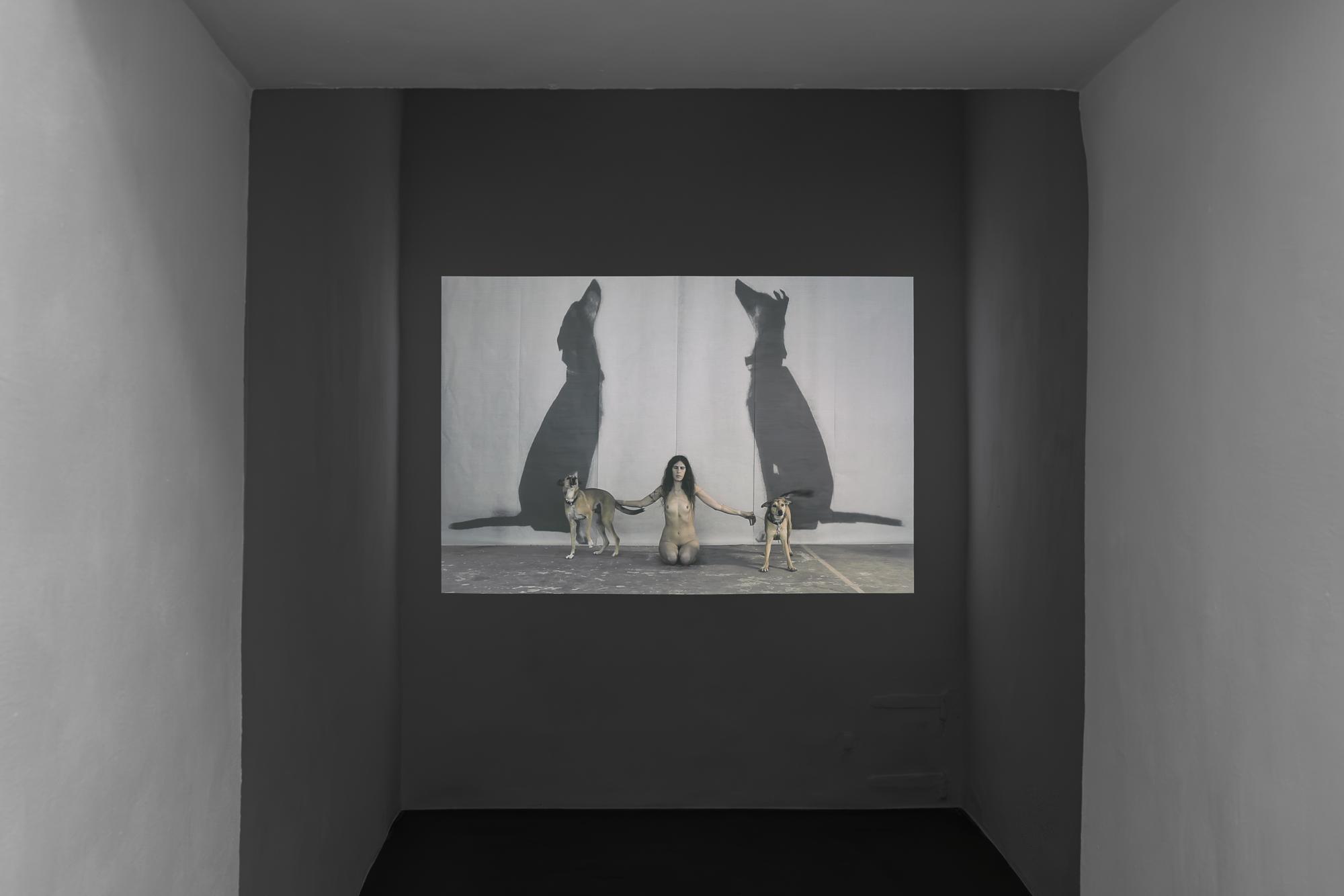
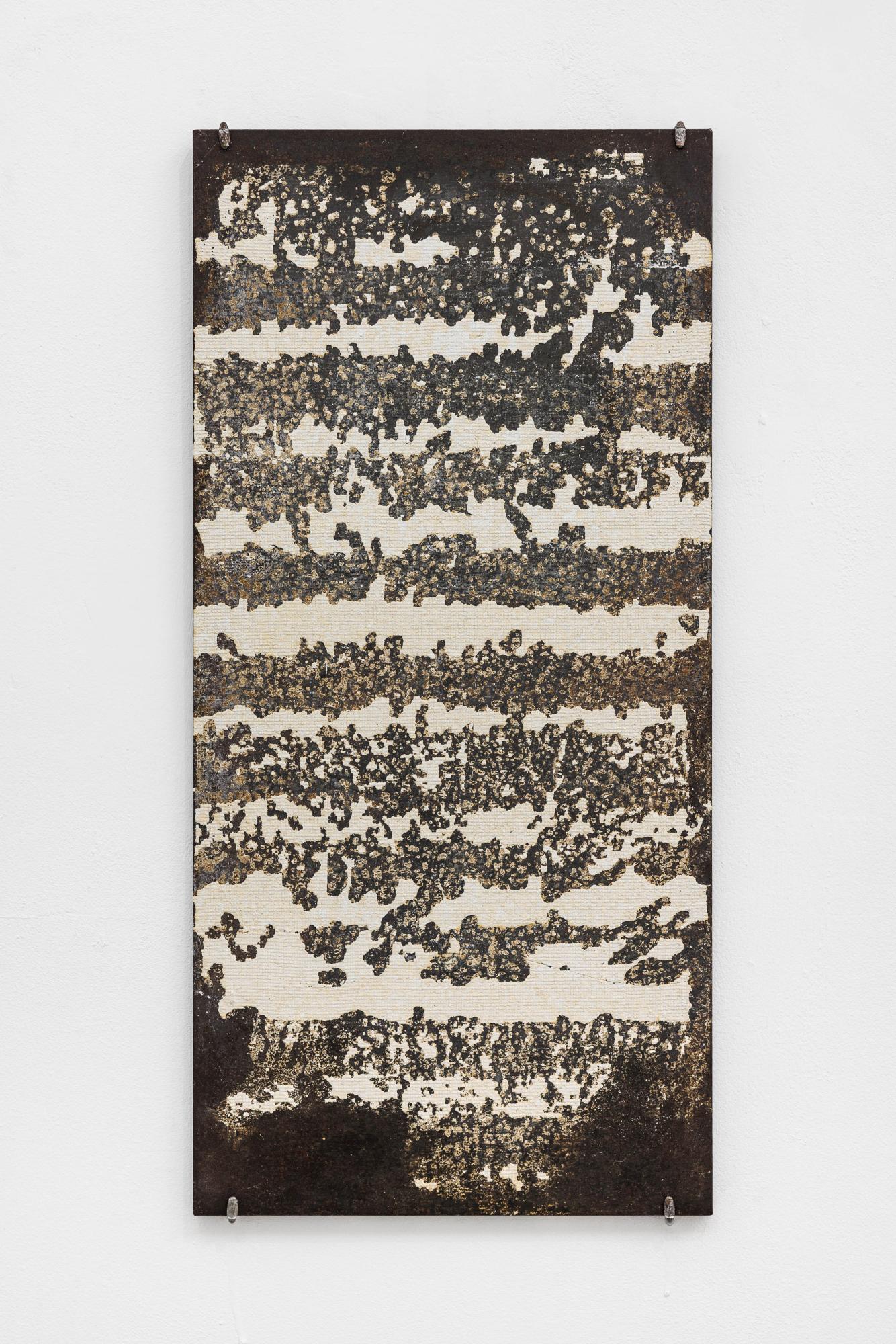
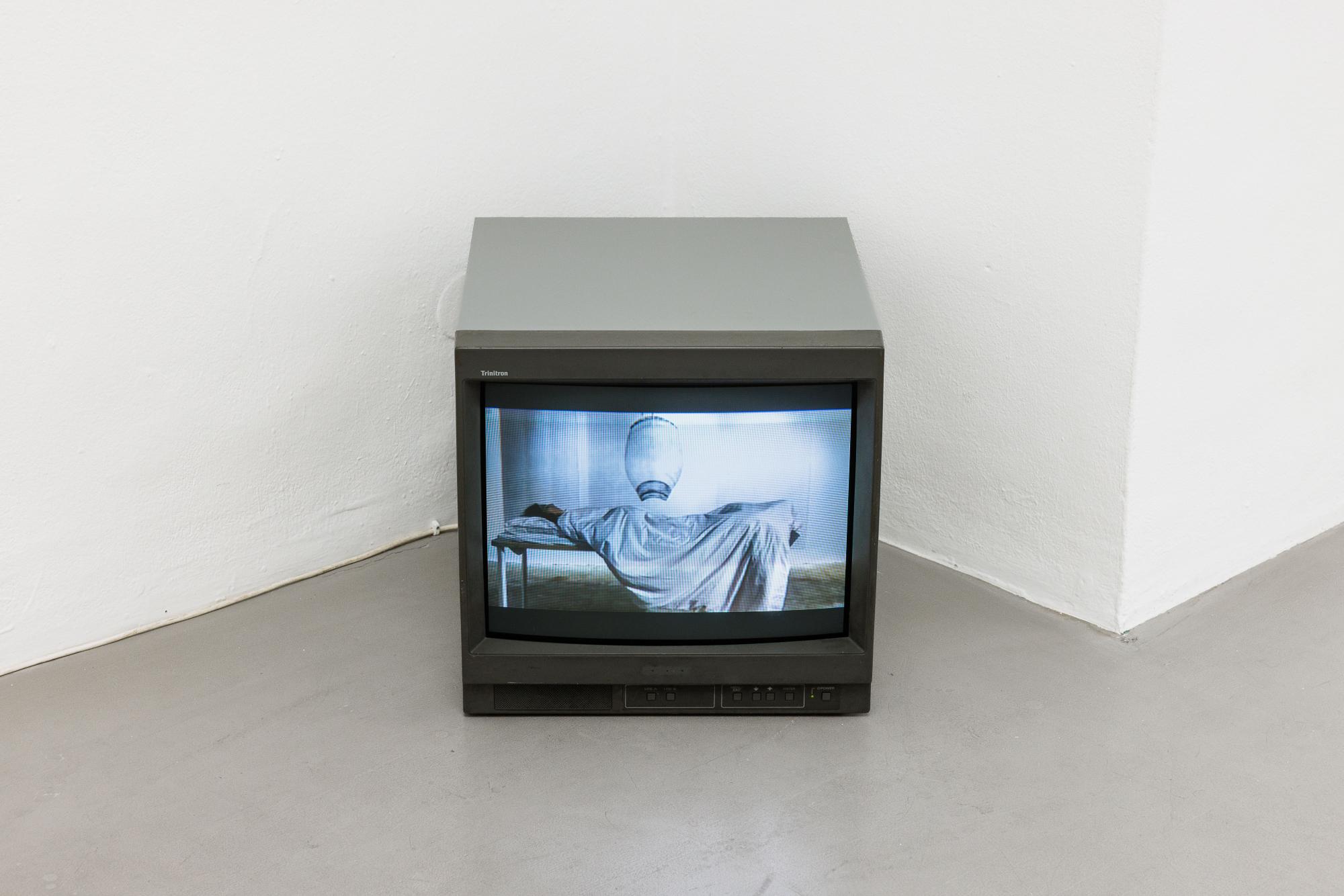
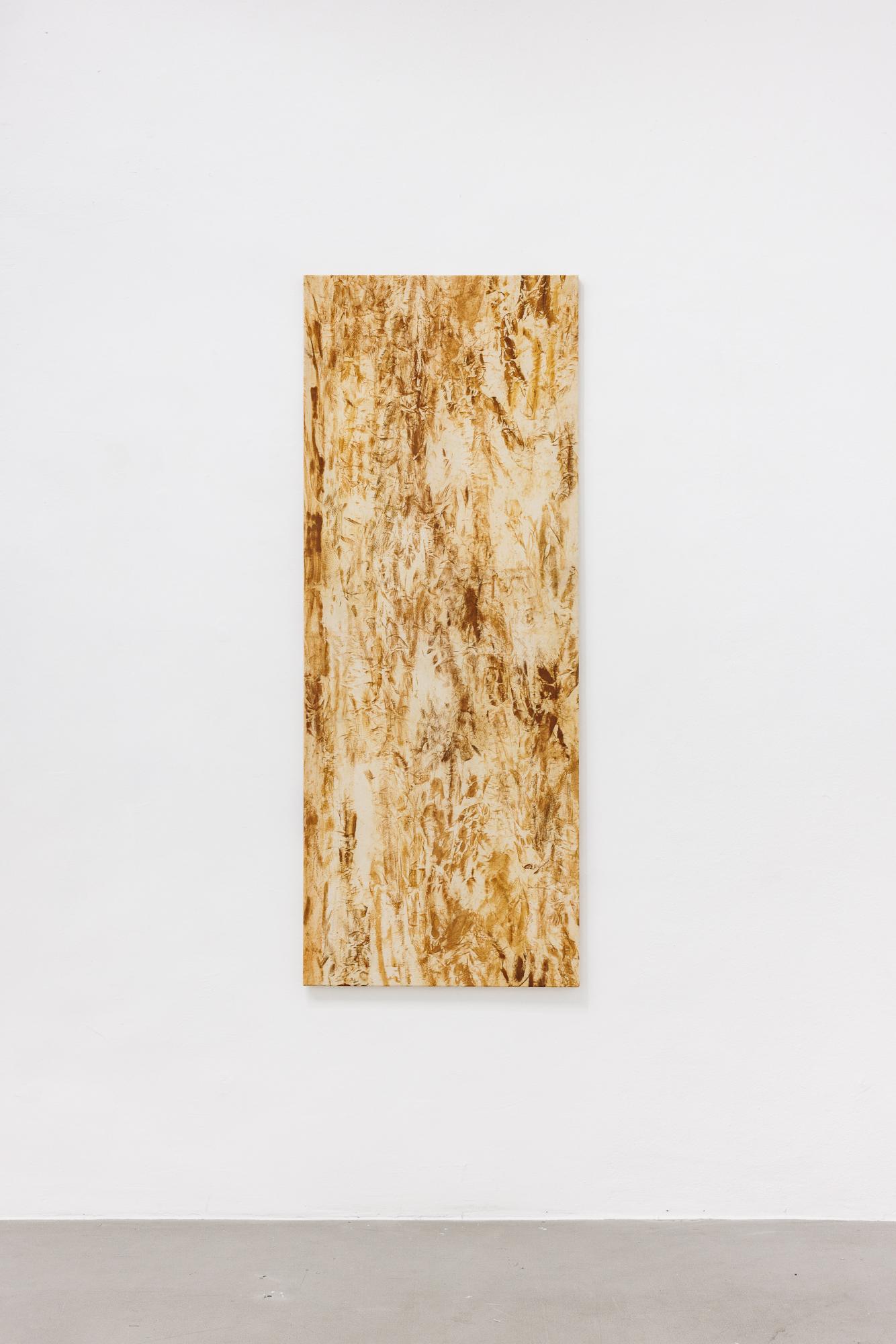
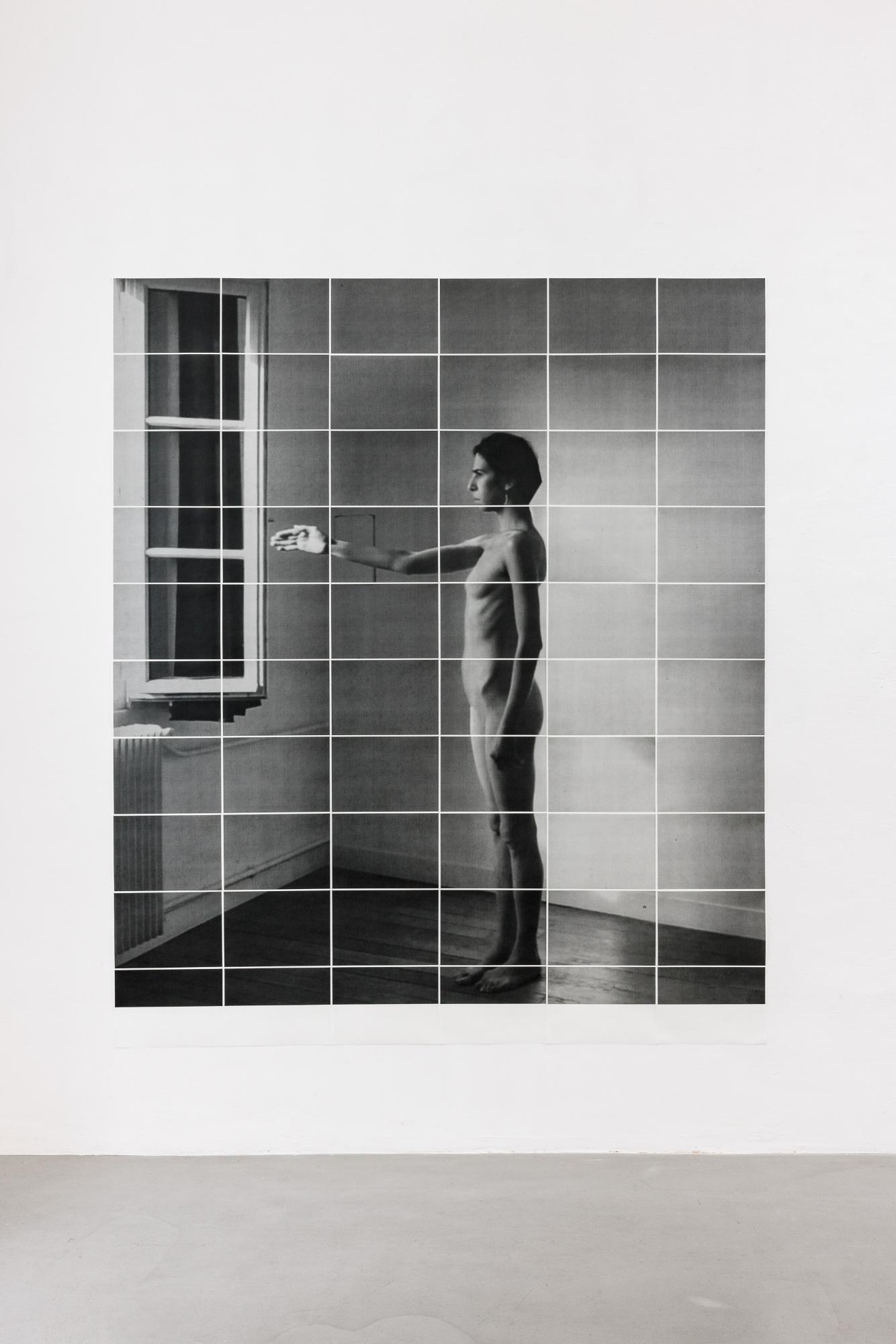
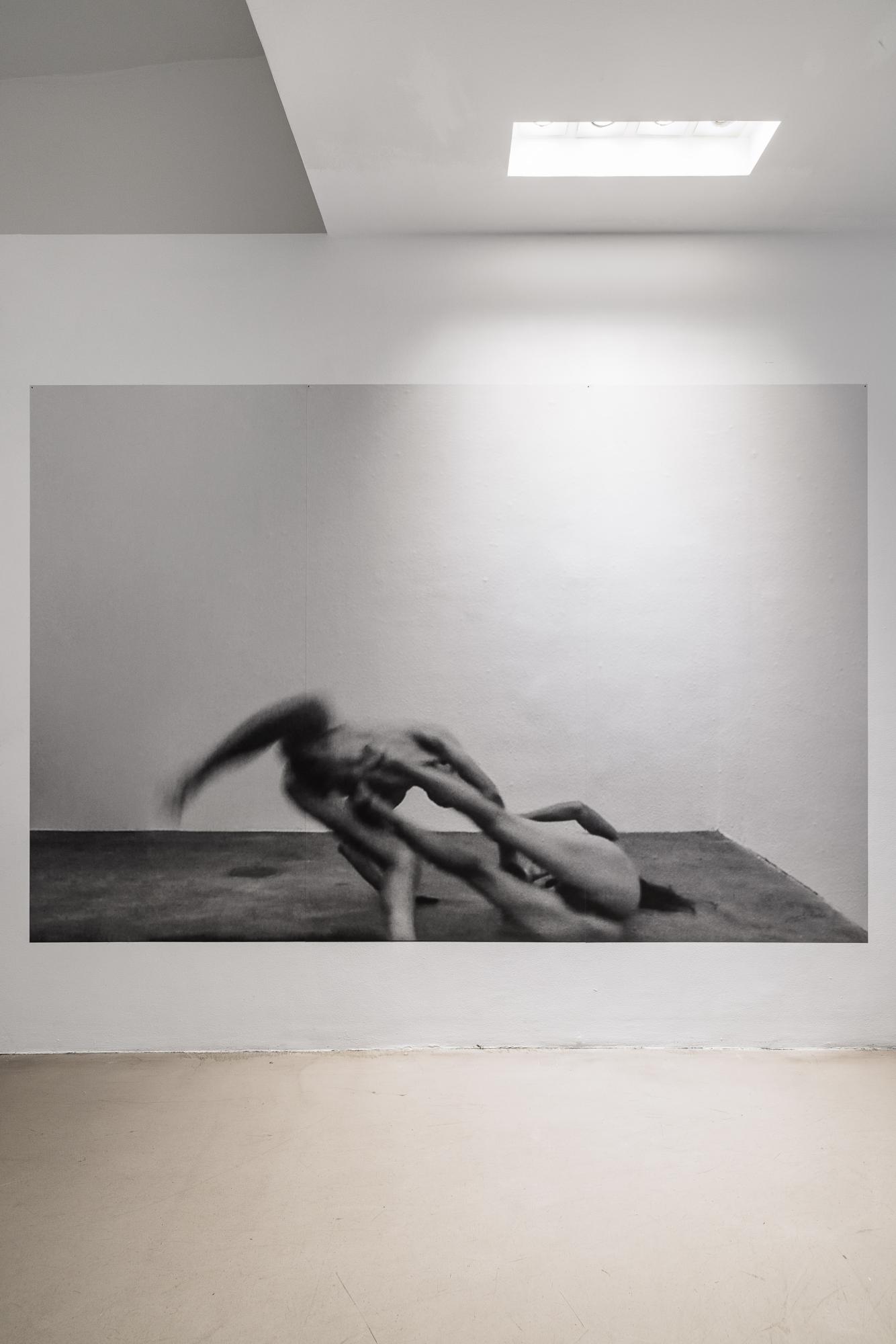
Manuals for Getting By brings together the work of Chen Cohen and Melanie Ender, two artists whose practices think through serial procedures: gestures are repeated, materials are returned to, images are printed and reprinted, surfaces change, forms are continually adjusted. Repetition for both artists is not simply a formal strategy but a way of negotiating the conditions of existence. The exhibition, which borrows its title from the modest promise of a manual – a set of provisional instructions assembled through practice – probes tenderness as a mode of sustained attention: to another person, to one's own body, to the stubborn materiality of the world. Like the milkmaid in Vermeer's painting, forever pouring milk, these works insist on the quiet necessity of mundane acts.
Photos