



Crone Wien curated by Andrea Kopranovic
„Containment & Desire in the Leaking Body“
www.galeriecrone.com
Curator(s):
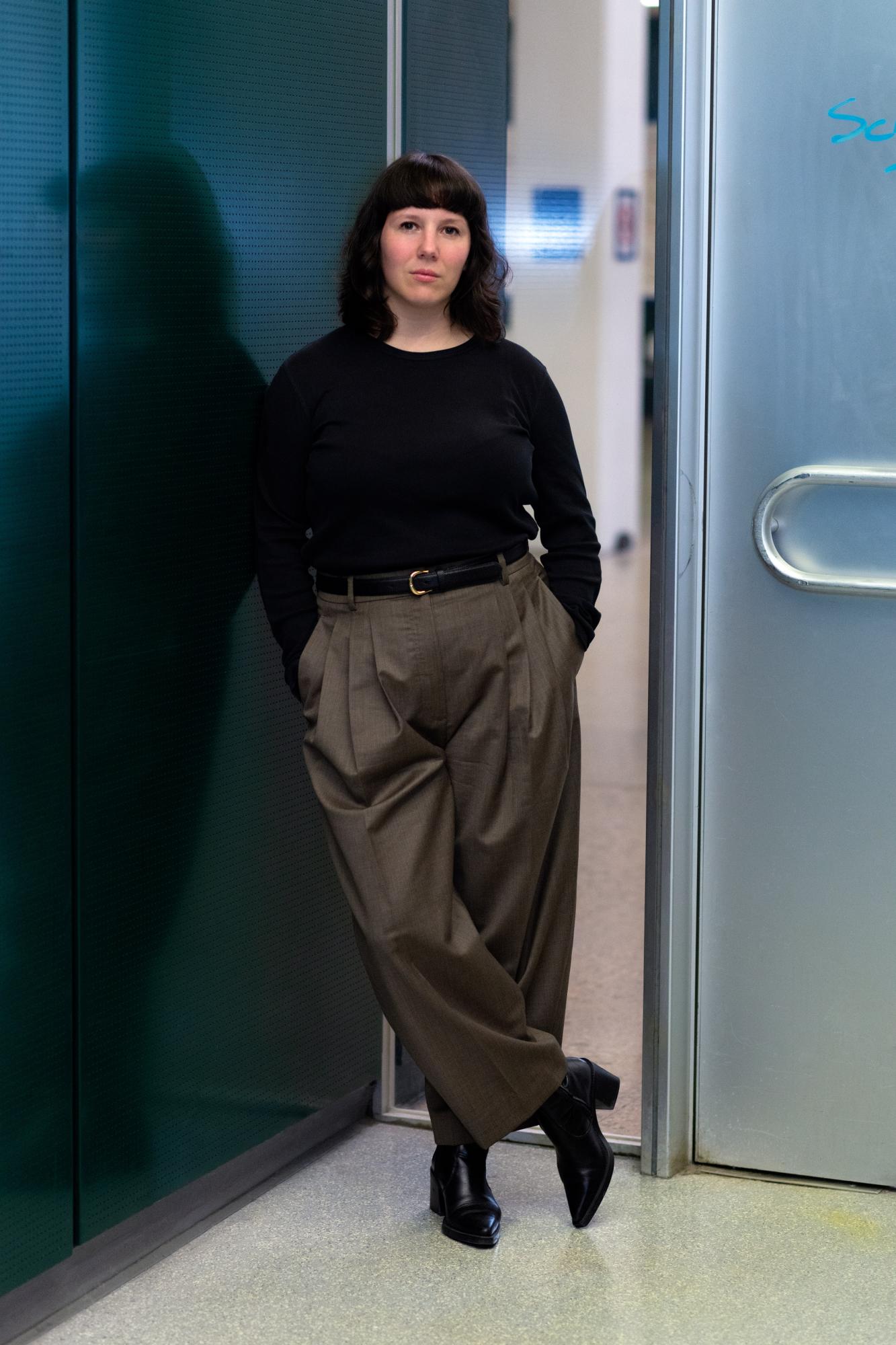
Andrea Kopranovic is a curator and writer. She studied art history and English and American studies at Paris Lodron University Salzburg, and architecture theory and philosophy of technics (ATTP) at the Vienna University of Technology. Since 2022, she has been working as assistant curator of contemporary art at Belvedere 21, where she has contributed to the following exhibitions, among others: Ashley Hans Scheirl. In & Out of Painting* (2025), Monster Chetwynd. Moths, Bats and Velvet Worms! Moths, Bats and Heretics! (2024), Kazuko Miyamoto (2024), On the New. Viennese Scenes and Beyond (2023), and Public Matters. Contemporary Art in the Belvedere Garden (2023). From 2016 to 2021, she was Associate Director of Christine König Gallery in Vienna. She was a co-teacher at the Salzburg International Summer Academy of Fine Arts and a lecturer at the Vienna University of Technology.
Artist(s):
-
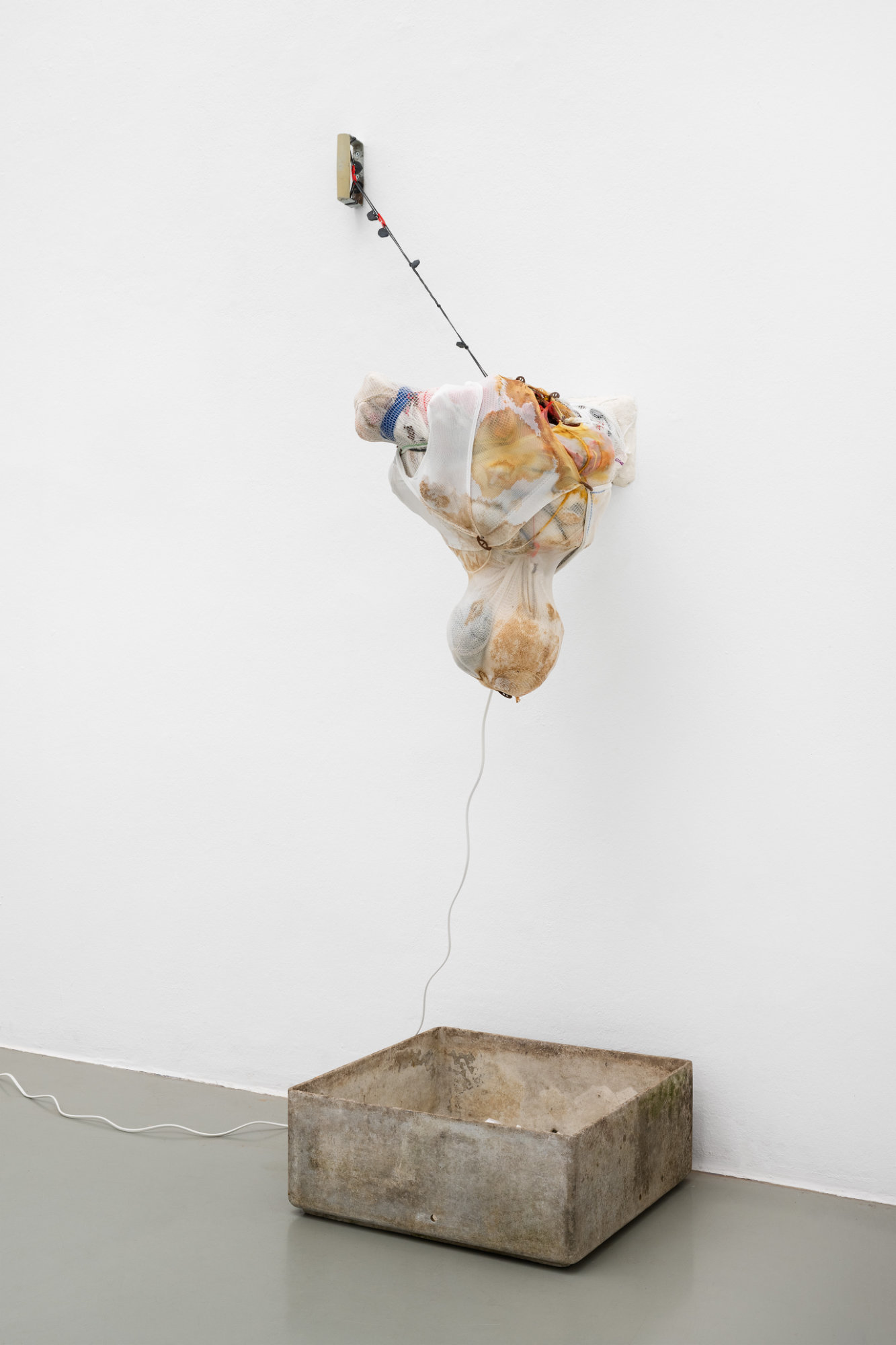
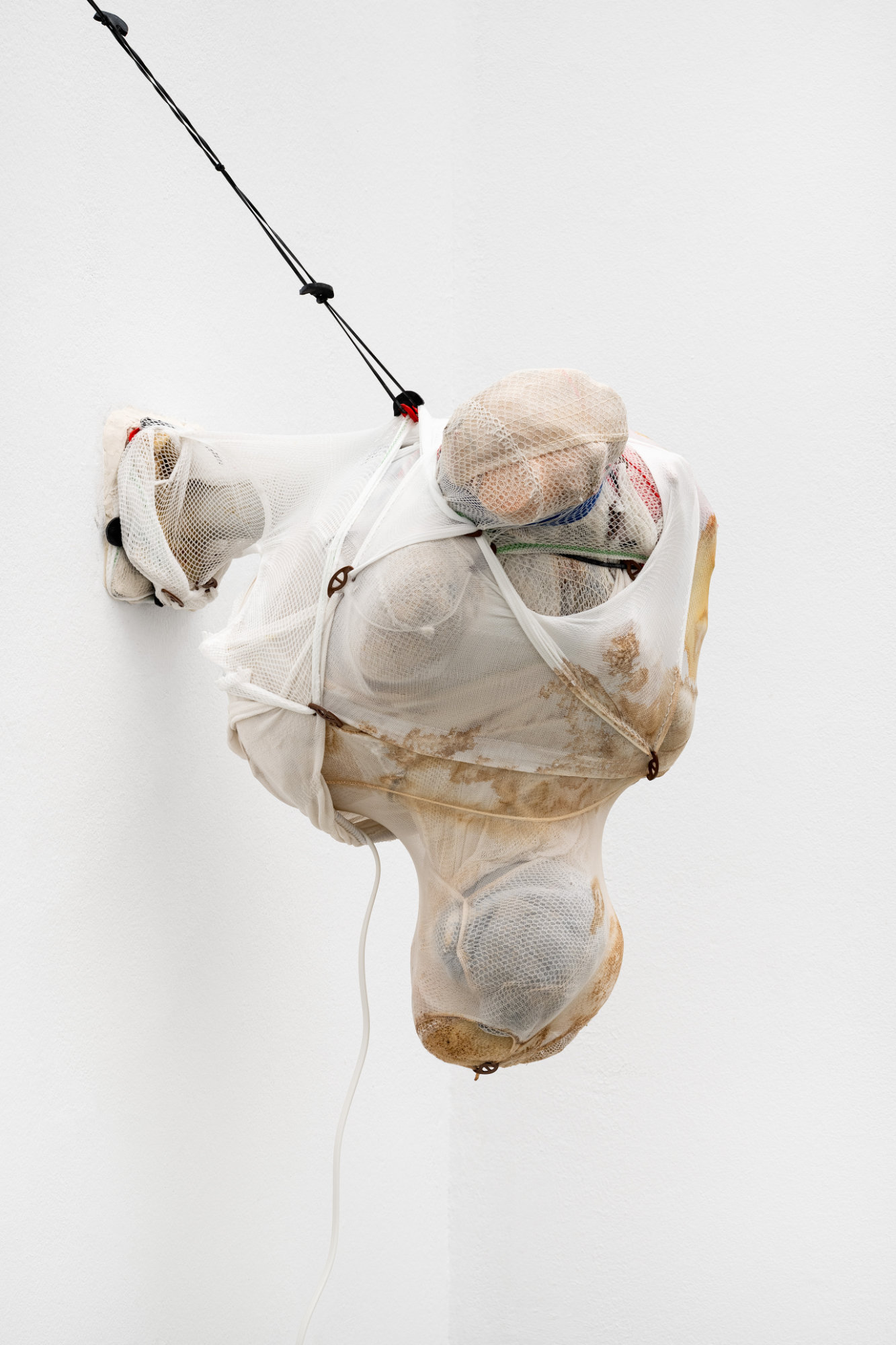
“The body I work with is male and wounded. It is amputated and unstable. It hurts, leaks, scabs, and contaminates its surroundings. It suffers repression because of its fluidity. It remains in need of expression”.
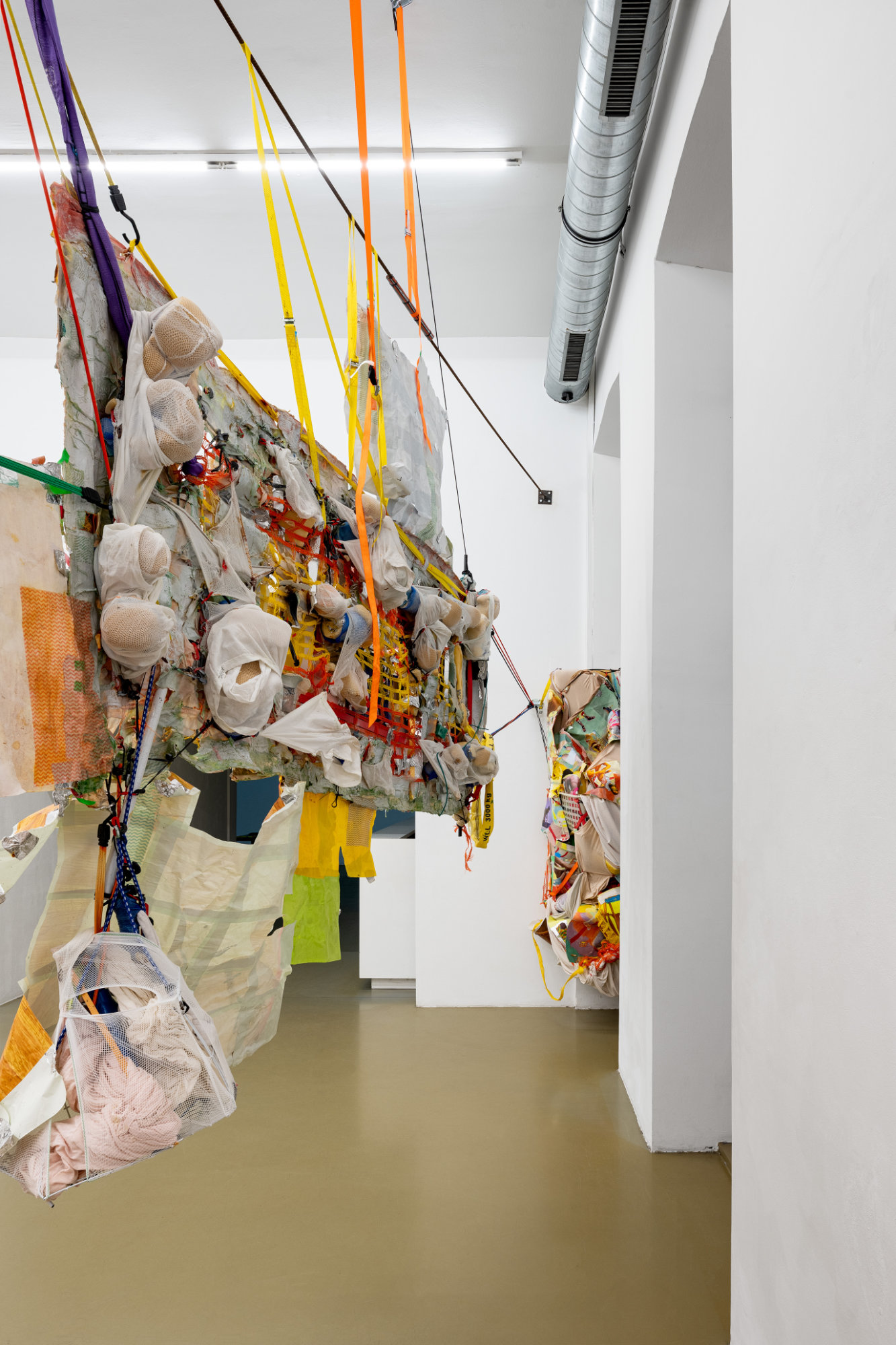
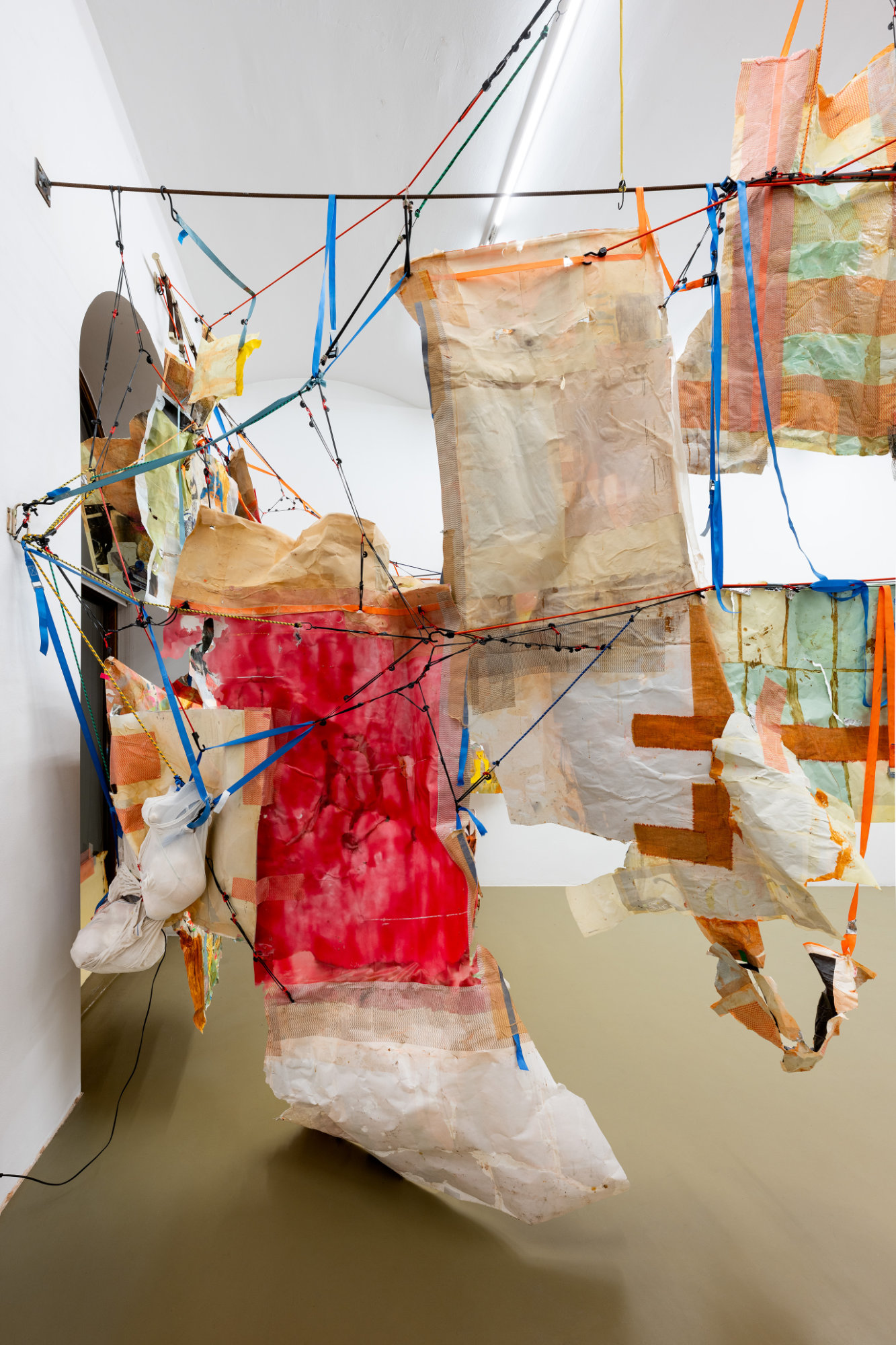
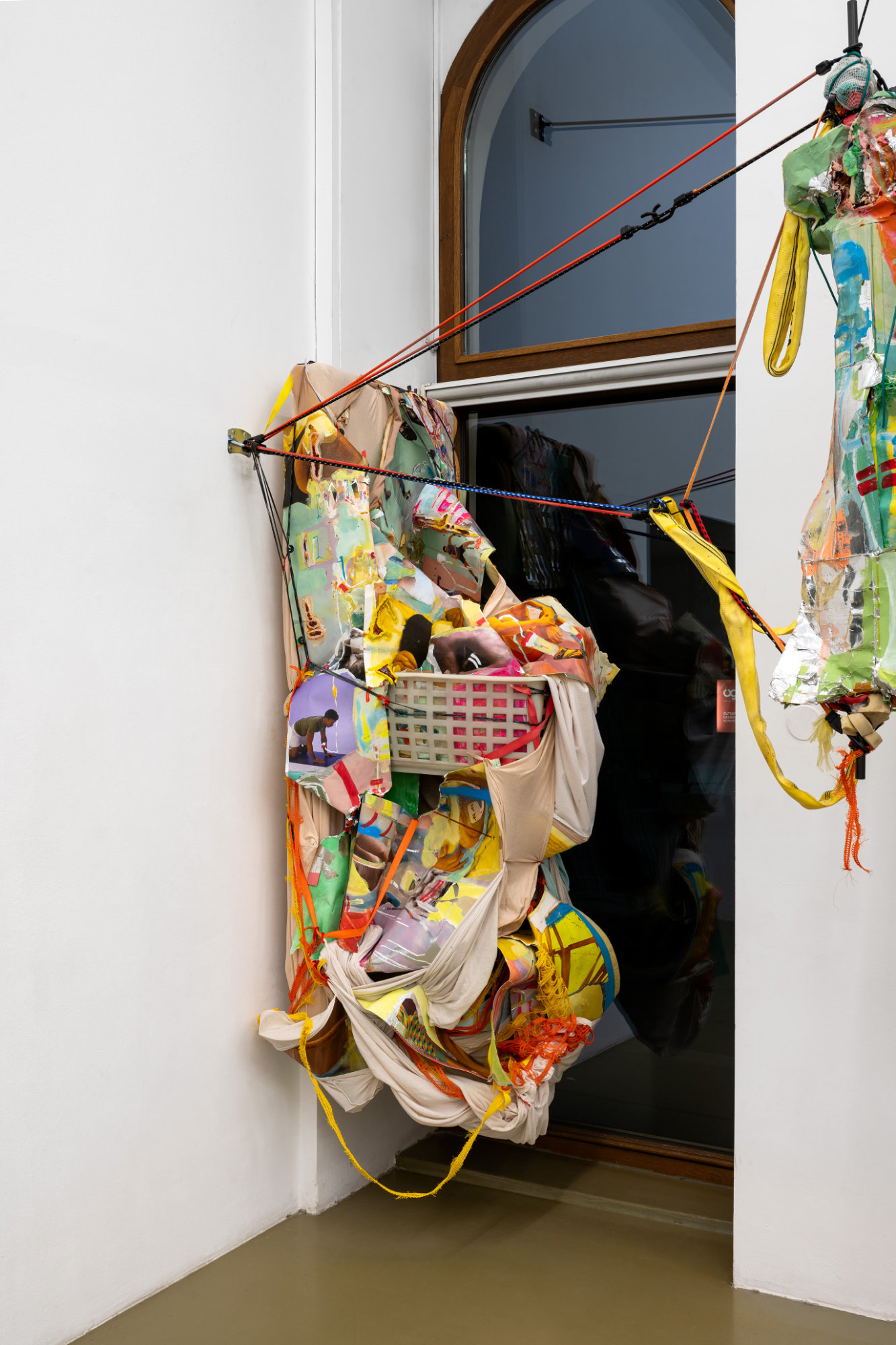
Paul Prothesis (he/him) is a pseudonym and functions as a necessary, provisional body that gives artistic expression to personal experiences of caregiving and queer self-care. Paul Prothesis works through, with, for, and against an injured and vulnerable masculinity. At the center of this artistic exploration are bodily constructions and overwritings that are transferred from the injuries of the cared-for body to the social body of the caregiver. Part of these transformational processes are the shifts in societal notions and implications of masculinity–brought about by care work, in which both the caregiver and the patient are marked as queer–Queer(ed) through Caring.
Paul Prothesis lives and works in Vienna and in southern Burgenland. He has been caring for his father since 1985 following a work-related accident. Since 2014, he has been engaged in ongoing artistic work based on this experience. The Paul Prothesis construct has existed since 2021. From 2021 to 2025, Prothesis studied Contextual Painting at the Academy of Fine Arts with Ashley Hans Scheirl and Alice Kreischer & Andreas Siekmann. Since 2025, he has been studying Health Care and Nursing at Campus Wien University of Applied Sciences.
Many of us, myself included, have grown a little weary of constantly reading and hearing about ‘care’, particularly in the visual arts. The problem of oversaturation, however, does not lie with the philosophical, socio-political and lived field itself, but rather with the excessive generalisation and conflation – even the commodification – of its diverse meanings and qualities.
If we take medical care work as an example, we see that, instead of (self-)love and a profound humanistic understanding of shared care, care work repeatedly emerges as a symbolised, theorised and appropriated arena of opinion. Yet caregivers, whether professional healthcare workers or untrained carers, exist entirely without applause, visibility or external evaluation. Their actions generate a productive ambiguity that goes far beyond binary-regulated giving and taking, as the ailing body in need of care demands constant attention.
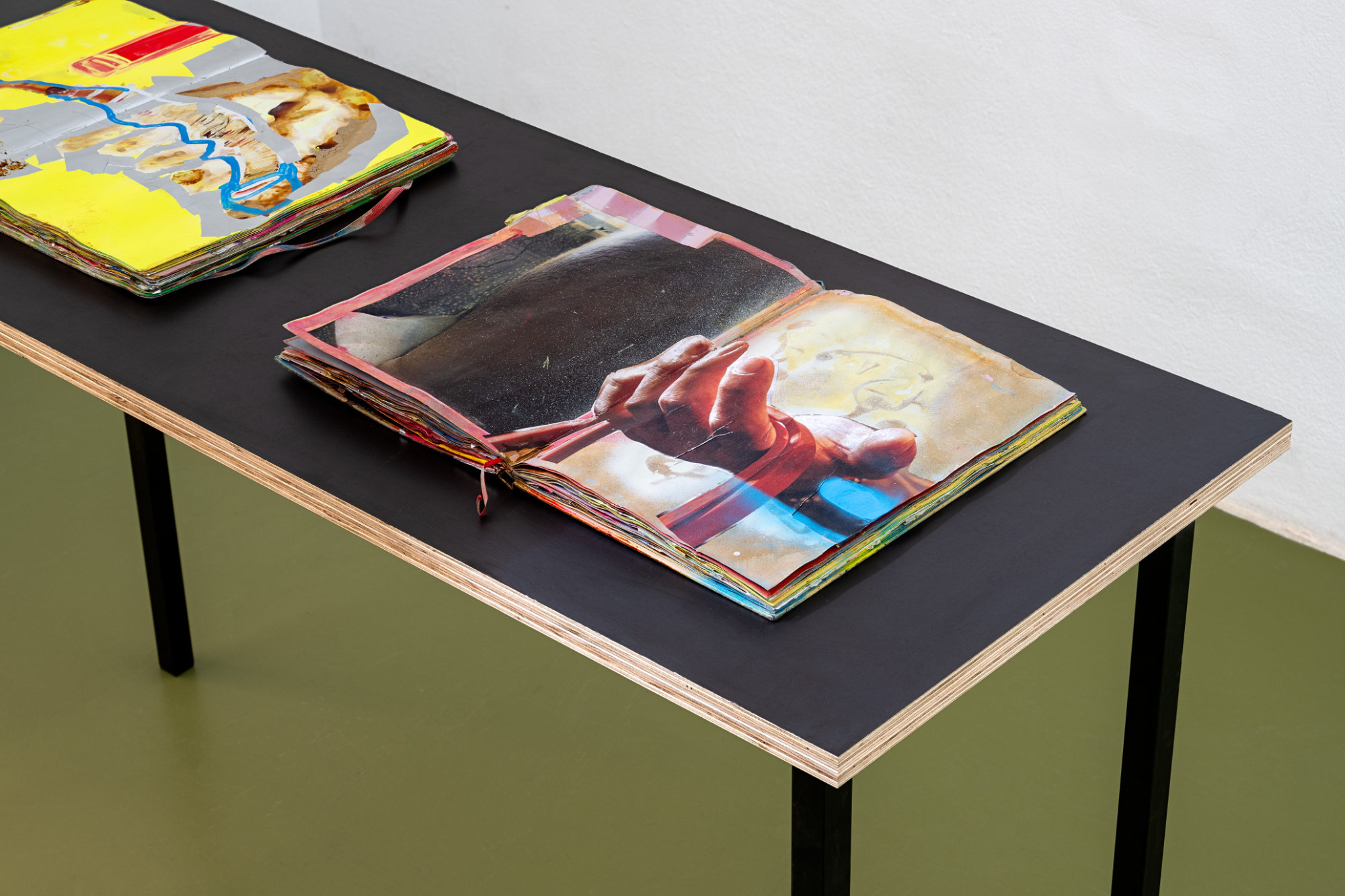
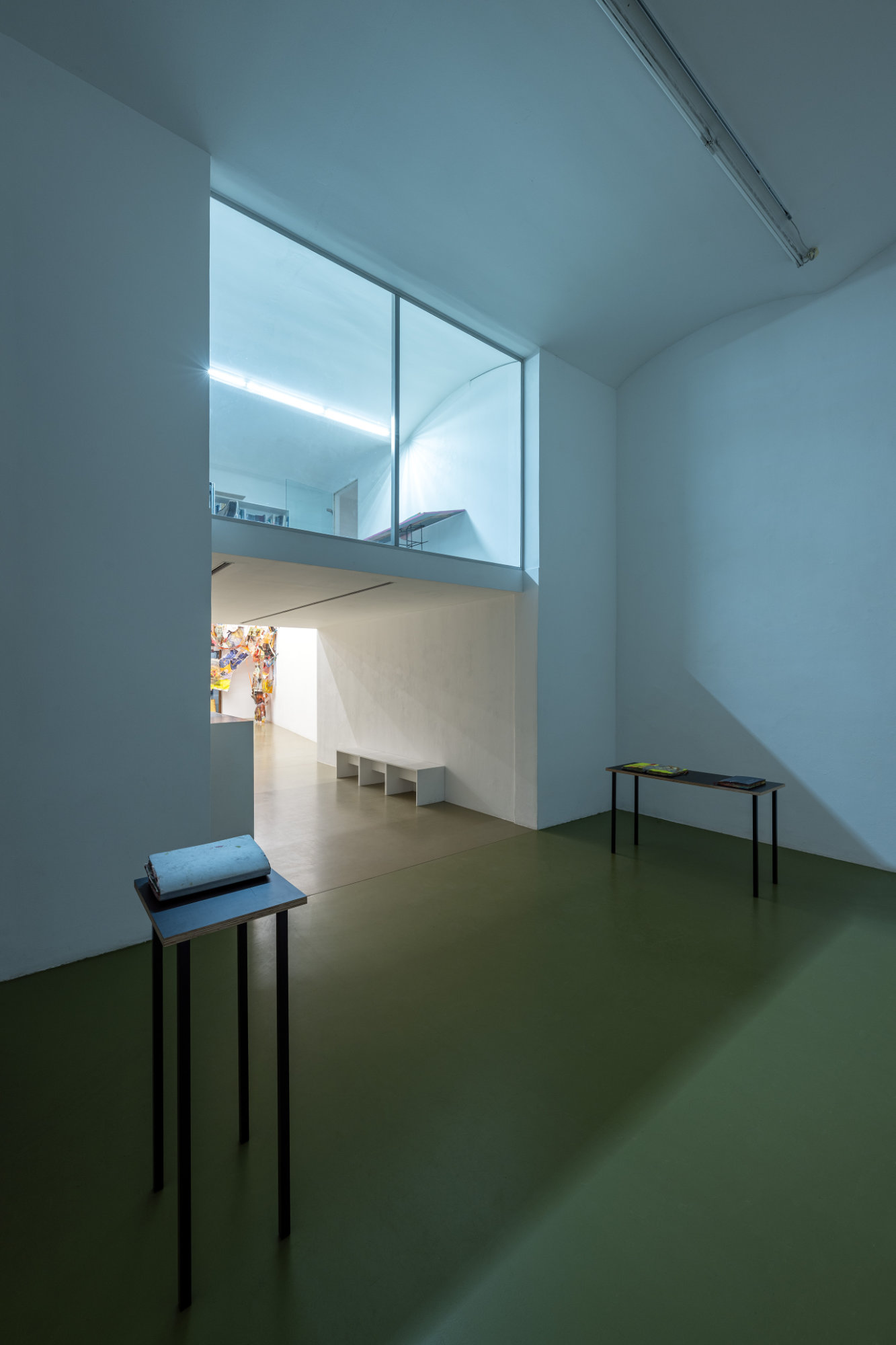
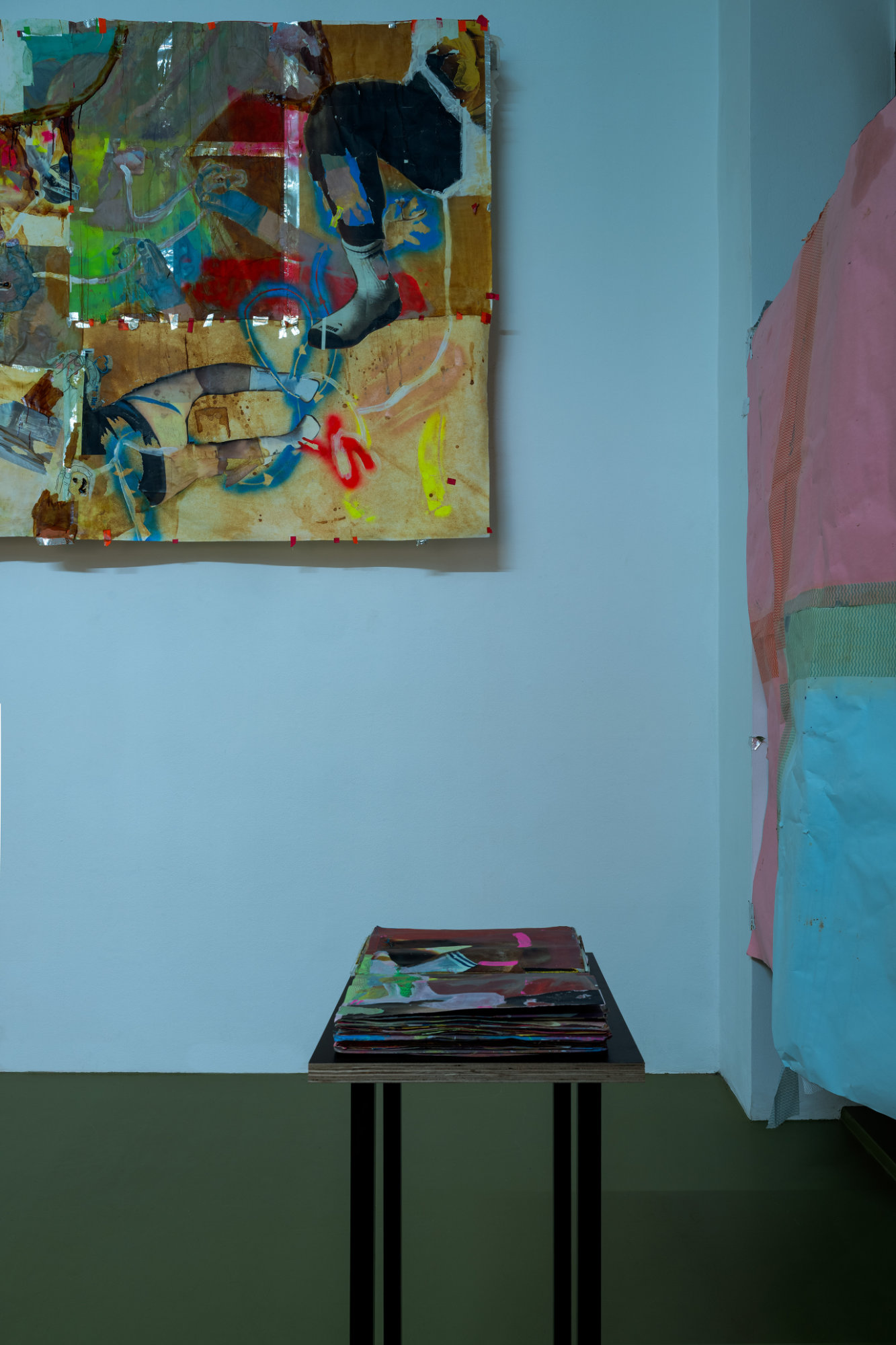
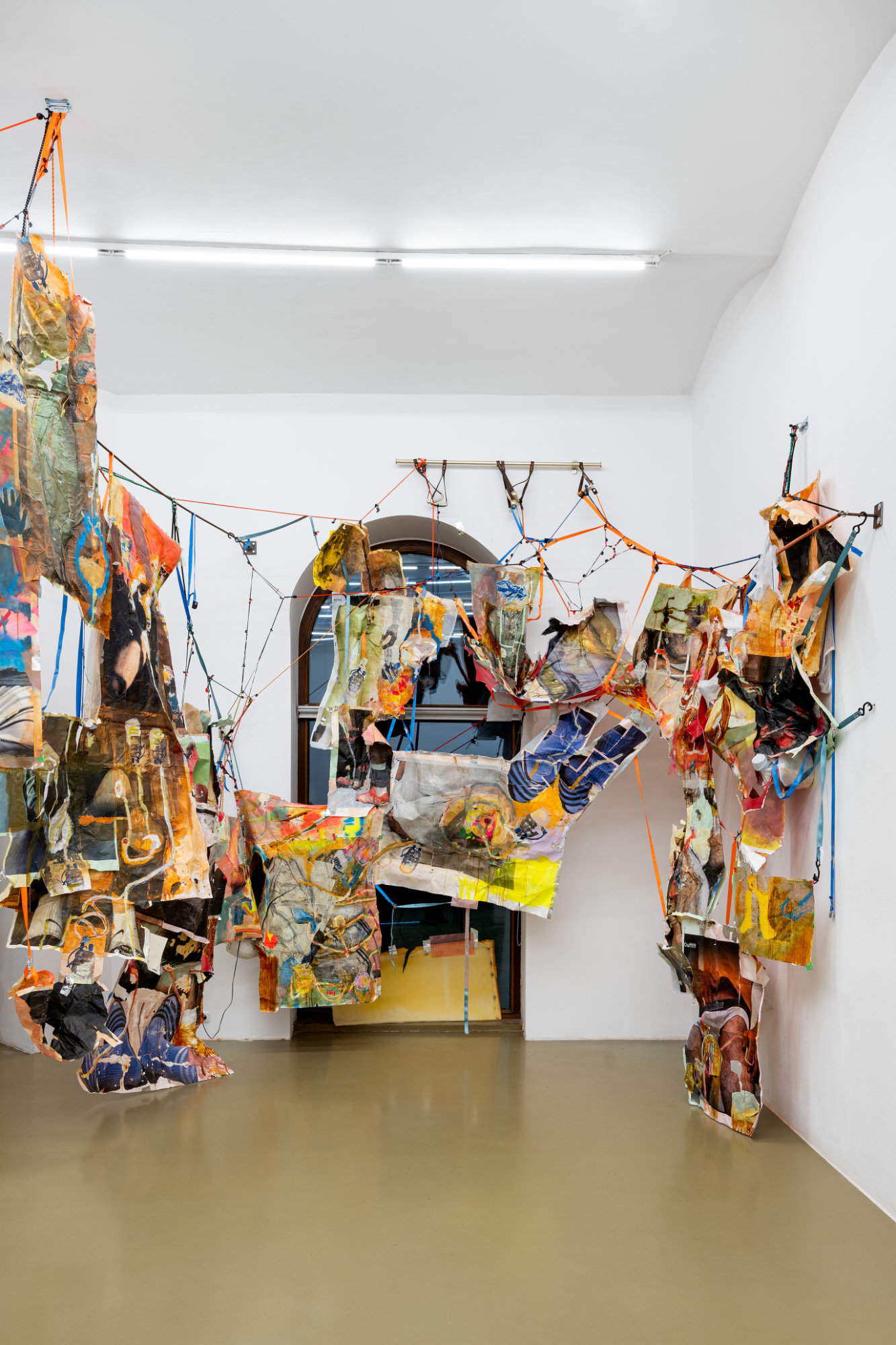
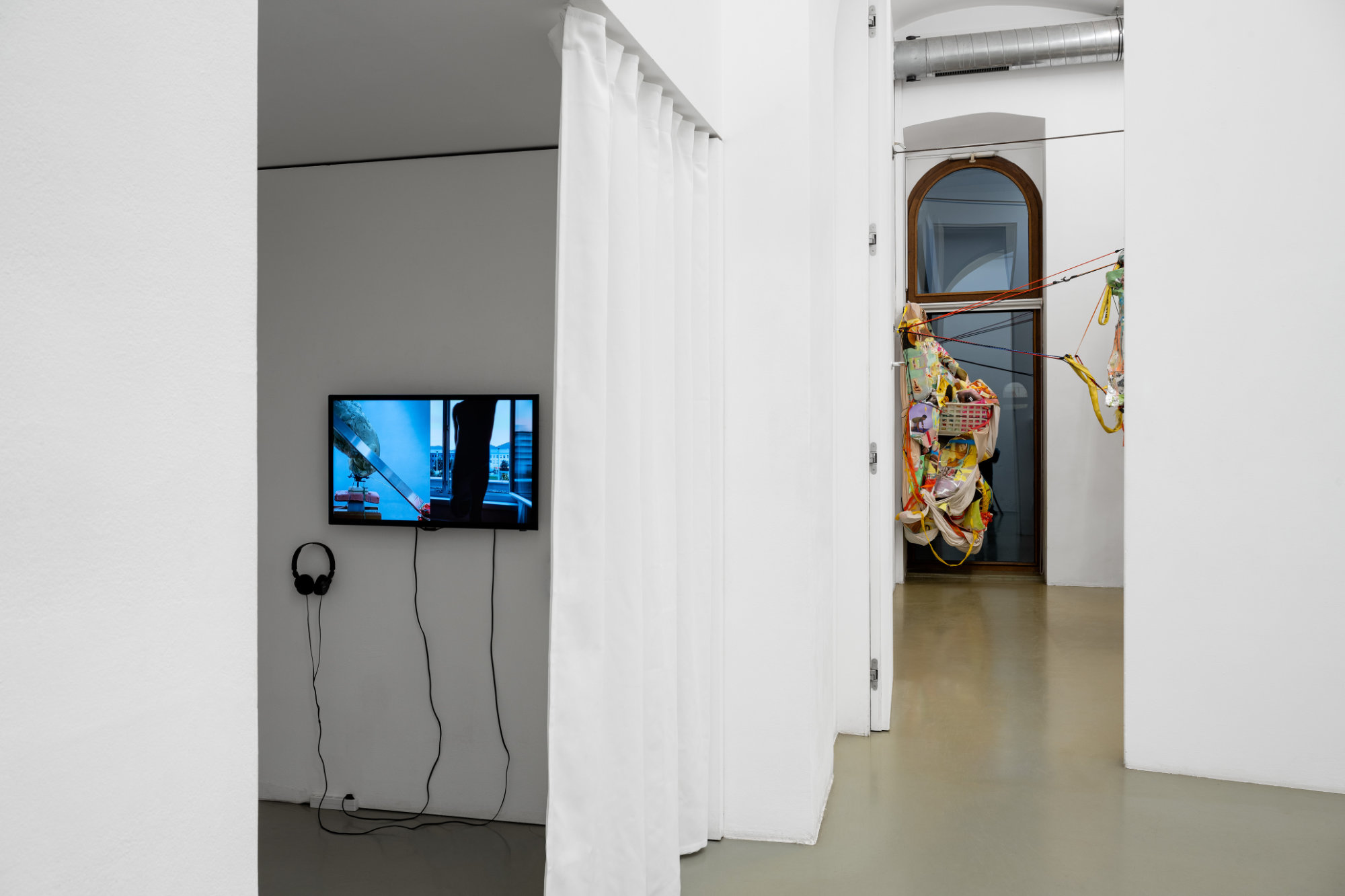
As is well known, this form of care work comes at a price and entails unpleasant side-effects, including shame, disgust and the suppression of gazes, feelings and longings. Containment & Desire in the Leaking Body is an exploration of the place, time and experience of taboos, shedding light on supposedly dirty and abject aspects from the perspective of a queer, care-giving artist known as Paul Prothesis. In this first exhibition, the artist explores forms of visibility and intimacy that are both disabling and disabling, emotional and physical leaks, phantom limbs and wound dressings, as well as questions of masculinity, alongside the desire to remain permeable in close relationships with illness.
Andrea Kopranovic
Photos
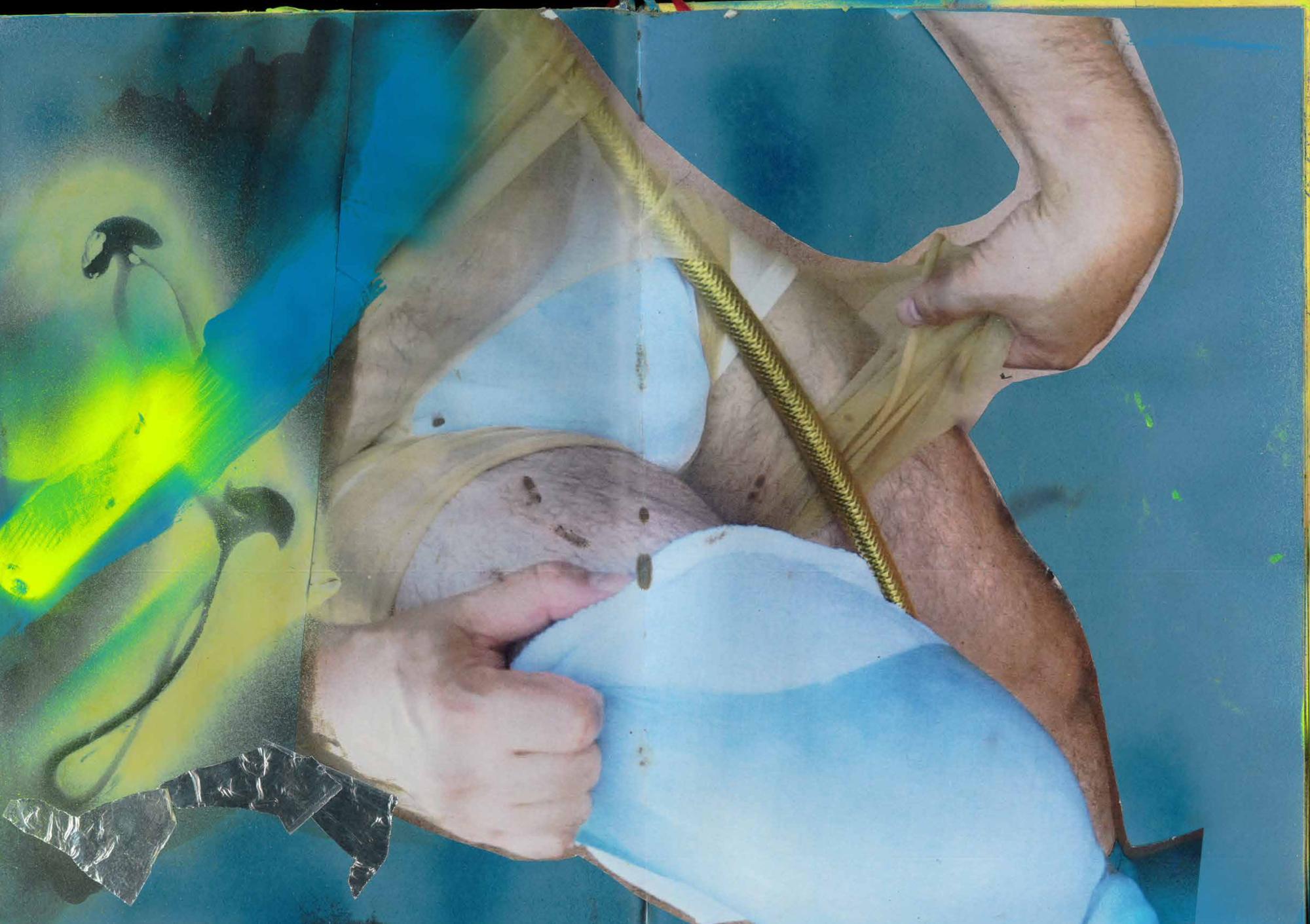
Paul Prothesis, T-shirts, Underwear, Diapers, Socks – Lifestyle Objects of Caring Male Alliances, A4 / 33 double pages, Jan–Mar 2025
© Paul Prothesis, Courtesy of the artist and Galerie Crone, Berlin Vienna
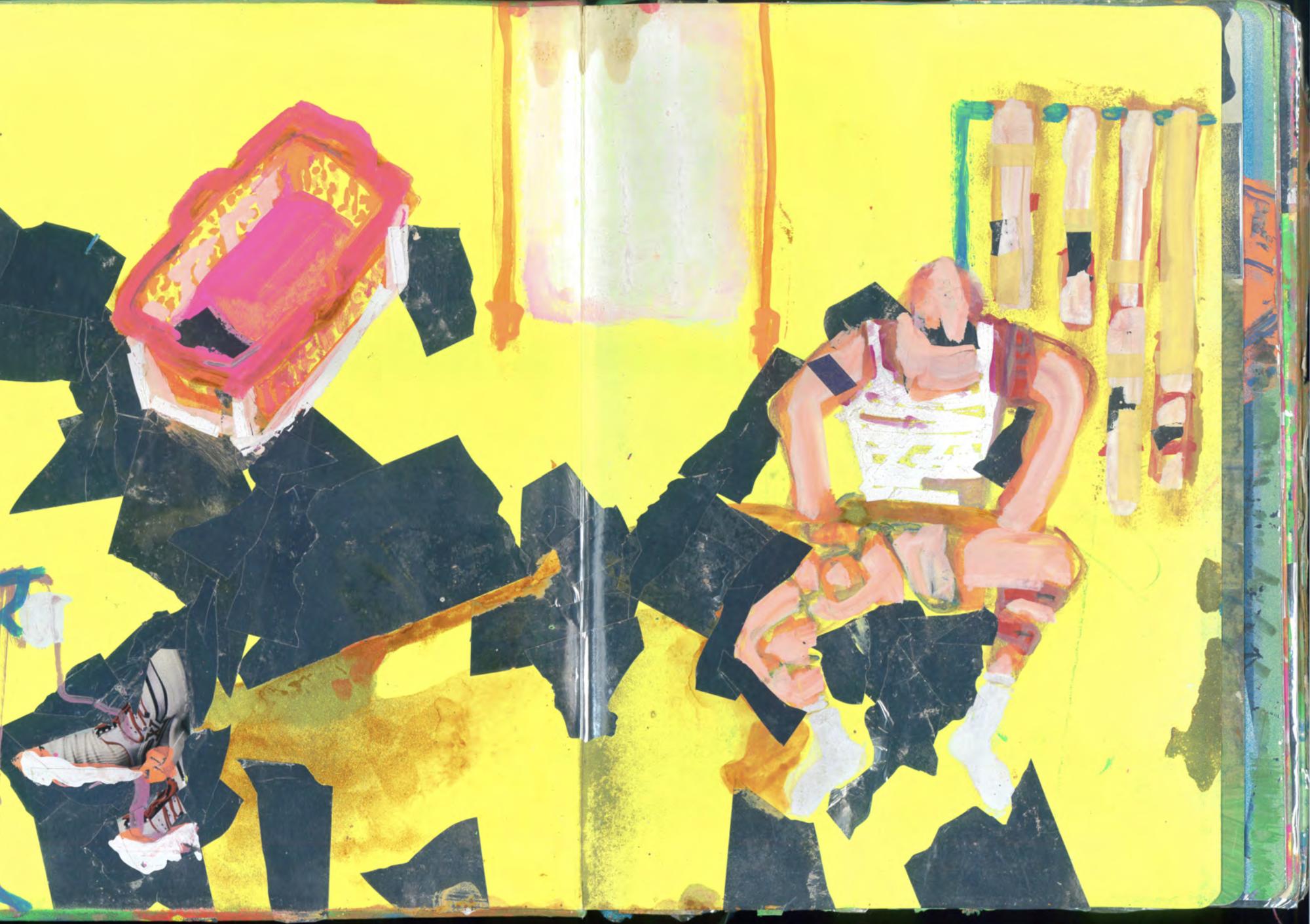
Paul Prothesis, Queer(ed) through Caring – Role Models of a Vulnerable Masculinity, A4 / 81 double pages, Sept–Dec 2024
© Paul Prothesis, Courtesy of the artist and Galerie Crone, Berlin Vienna
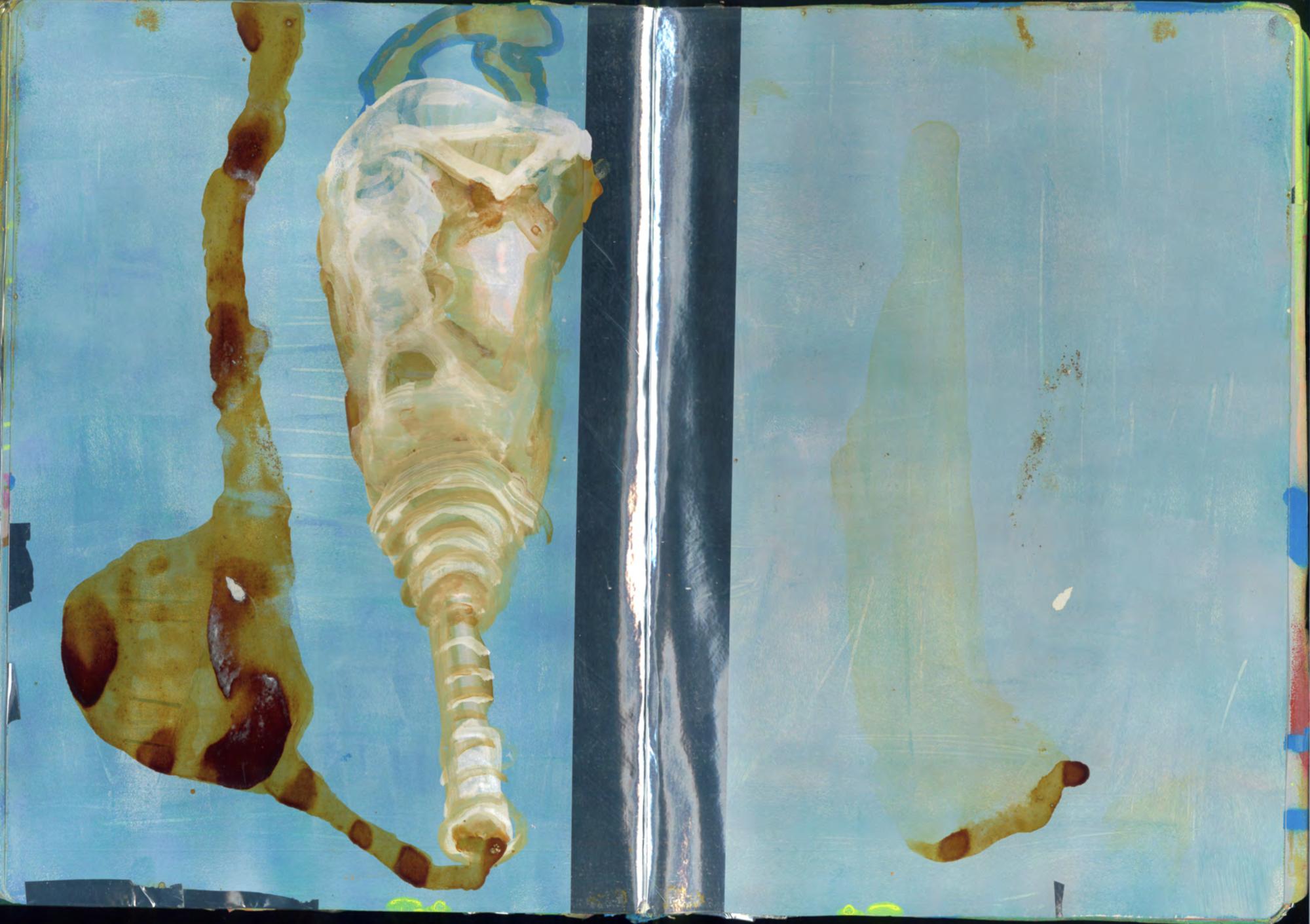
Paul Prothesis, Queer(ed) through Caring – Role Models of a Vulnerable Masculinity, A4 / 81 double pages, Sept–Dec 2024
© Paul Prothesis, Courtesy of the artist and Galerie Crone, Berlin Vienna
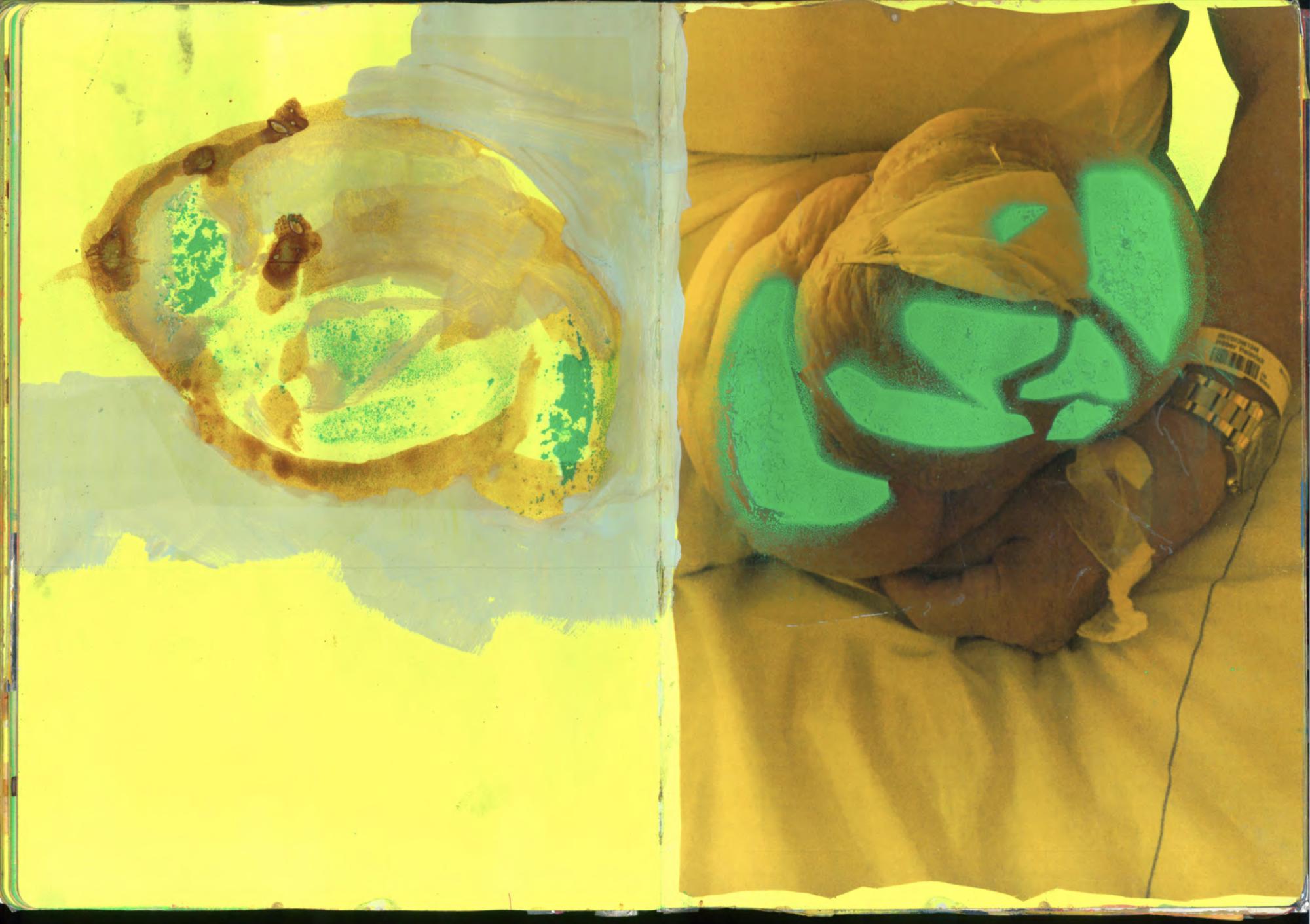
Paul Prothesis, Queer(ed) through Caring – Role Models of a Vulnerable Masculinity, A4 / 81 double pages, Sept–Dec 2024
© Paul Prothesis, Courtesy of the artist and Galerie Crone, Berlin Vienna
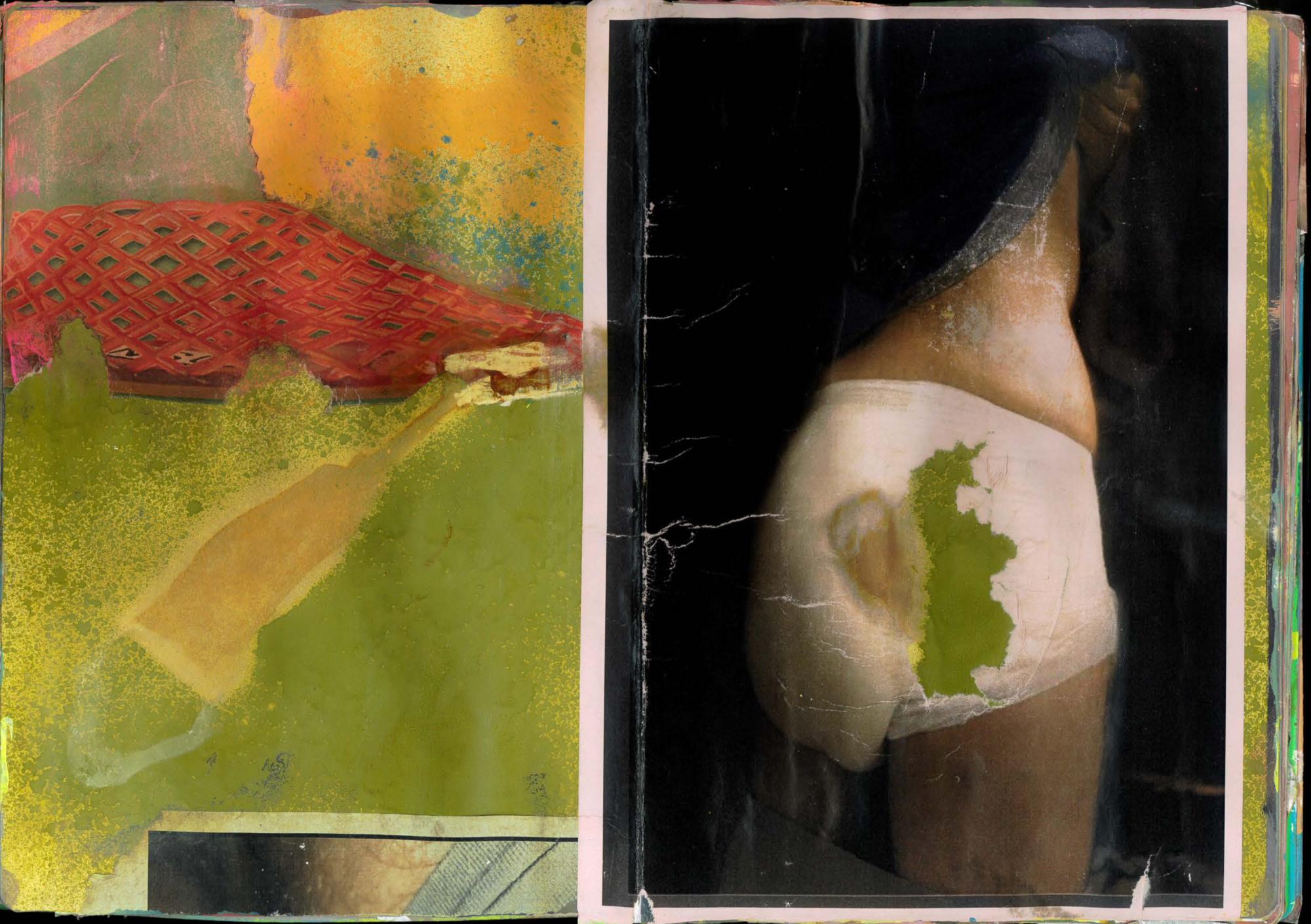
Paul Prothesis, Incontinence_Diaries – fluid exchange, fluid presentation and fluid documentation, A4 / 86 double pages, 2026
© Paul Prothesis, Courtesy of the artist and Galerie Crone, Berlin Vienna
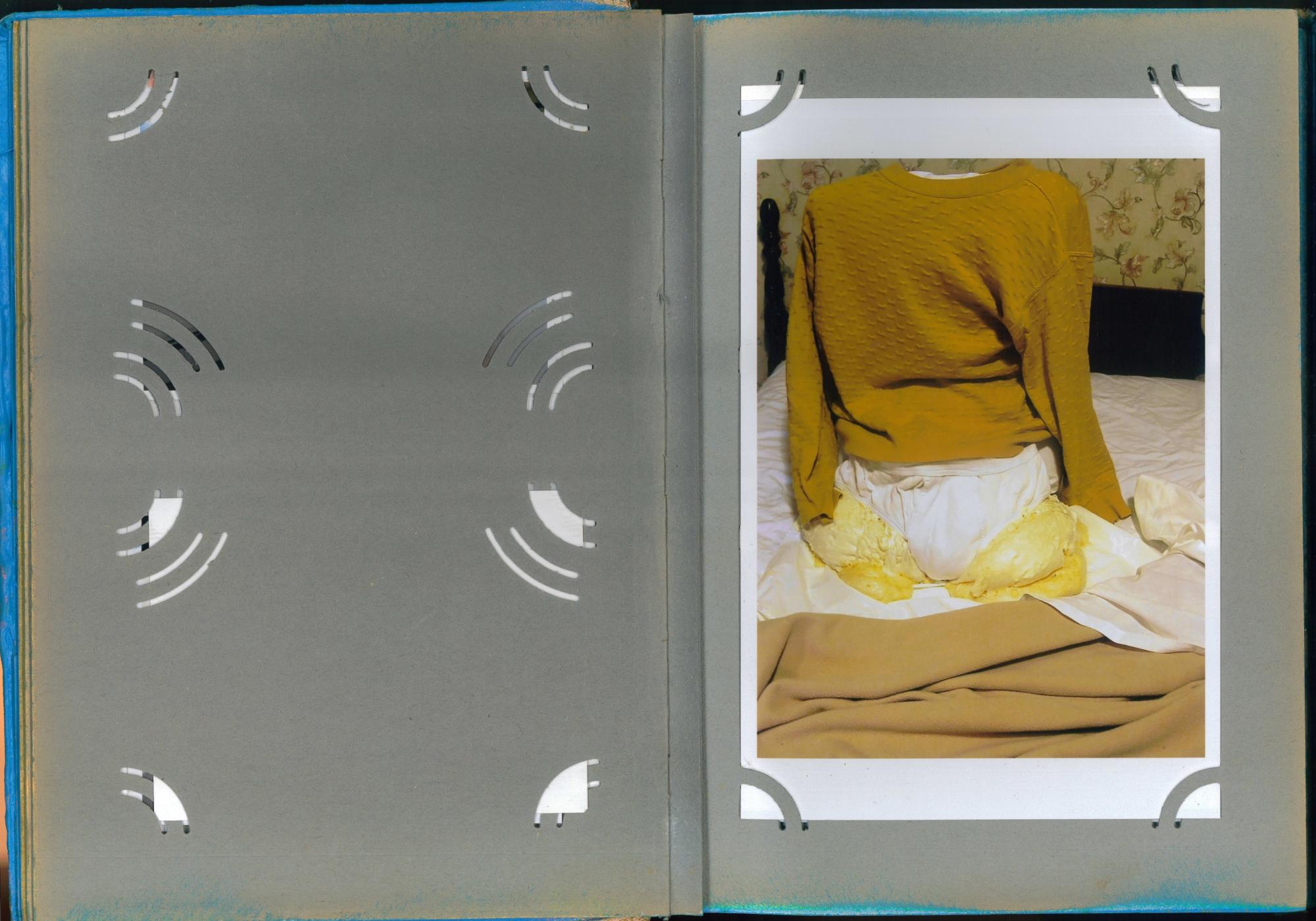
Paul Prothesis, Returning the Handicap – continuous visual inquiry, A4 / 33 double pages, 2014–2025
© Paul Prothesis, Courtesy of the artist and Galerie Crone, Berlin Vienna
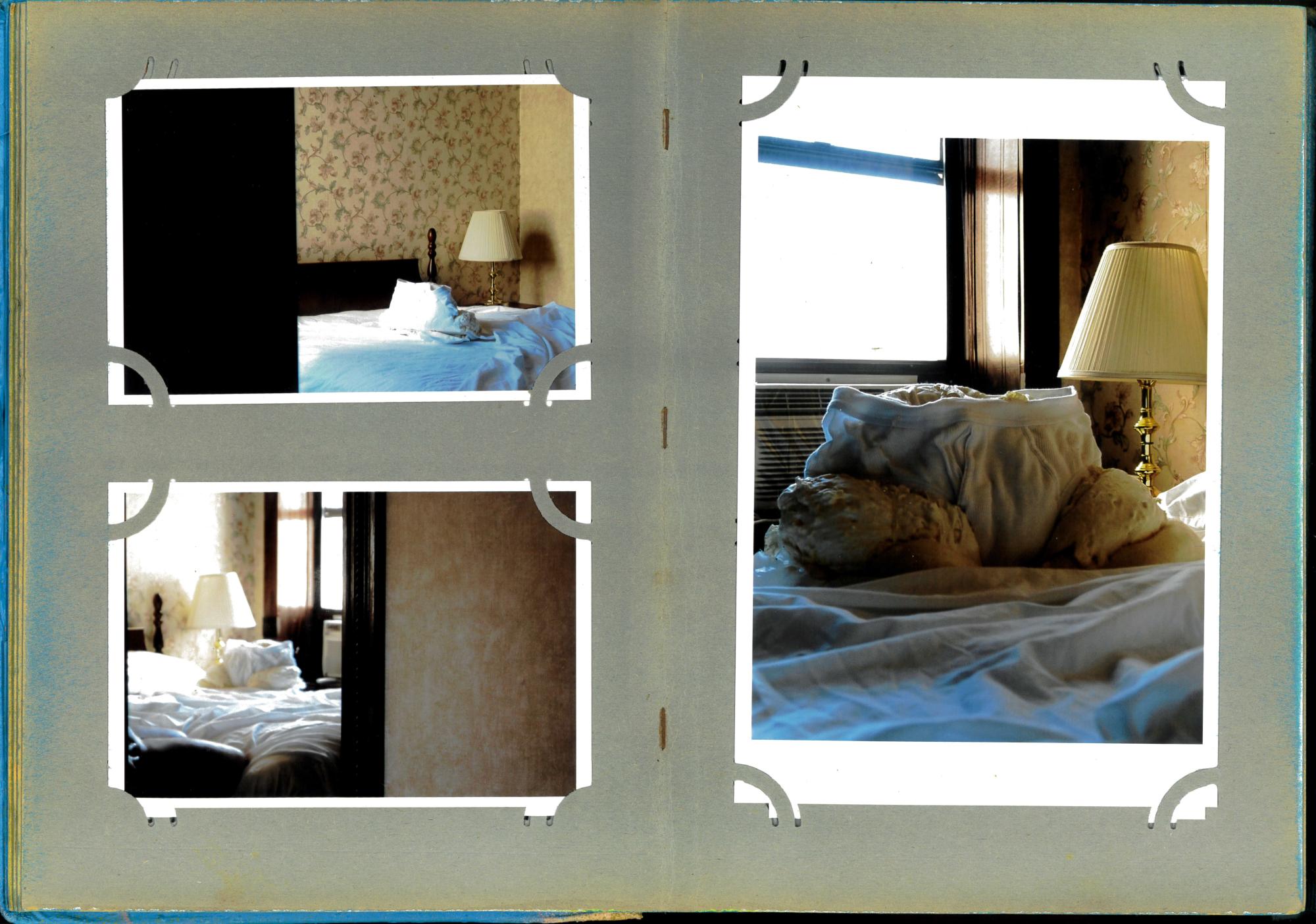
Paul Prothesis, Returning the Handicap – continuous visual inquiry, A4 / 33 double pages, 2014–2025
© Paul Prothesis, Courtesy of the artist and Galerie Crone, Berlin Vienna
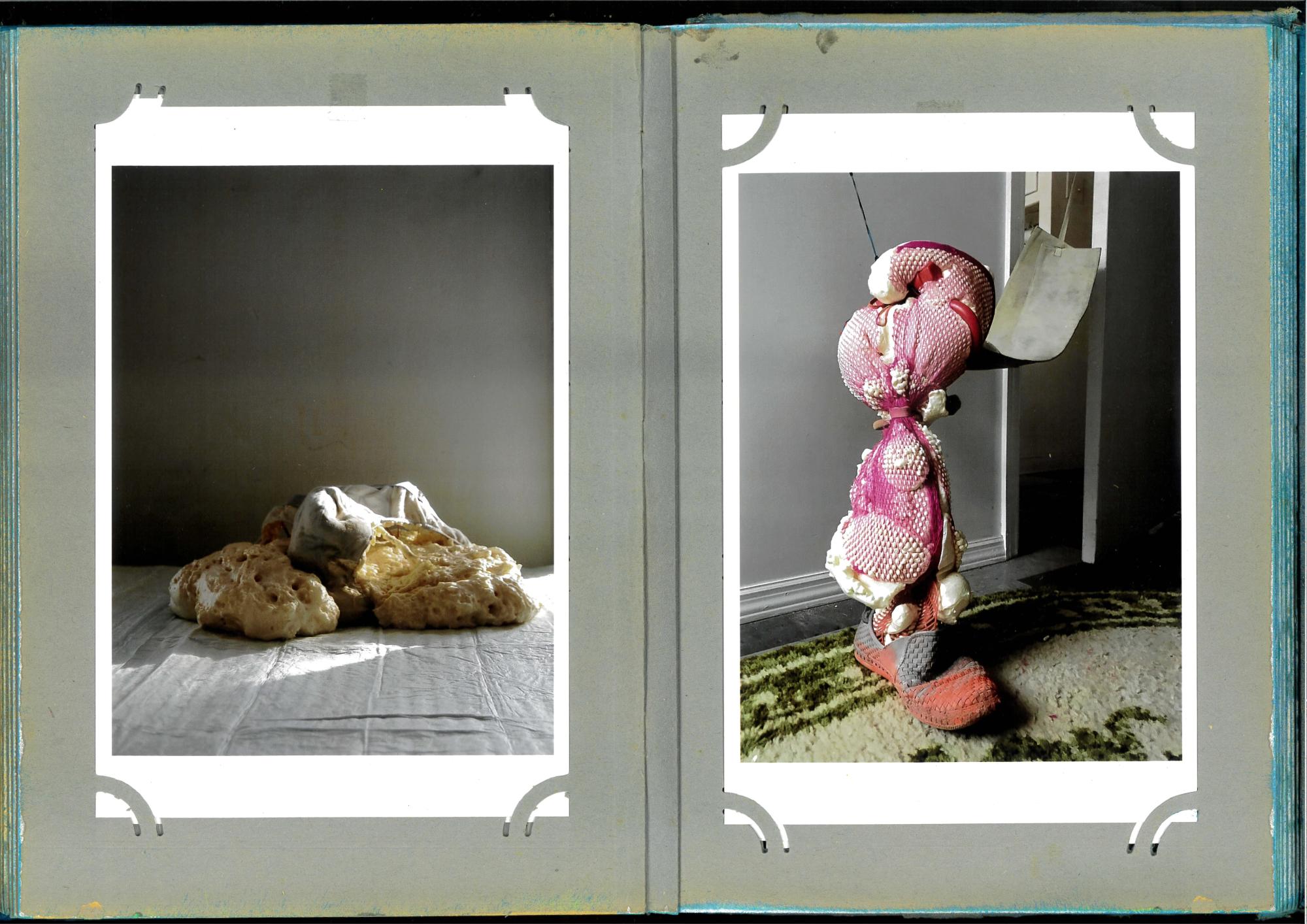
Paul Prothesis, Returning the Handicap – continuous visual inquiry, A4 / 33 double pages, 2014–2025
© Paul Prothesis, Courtesy of the artist and Galerie Crone, Berlin Vienna
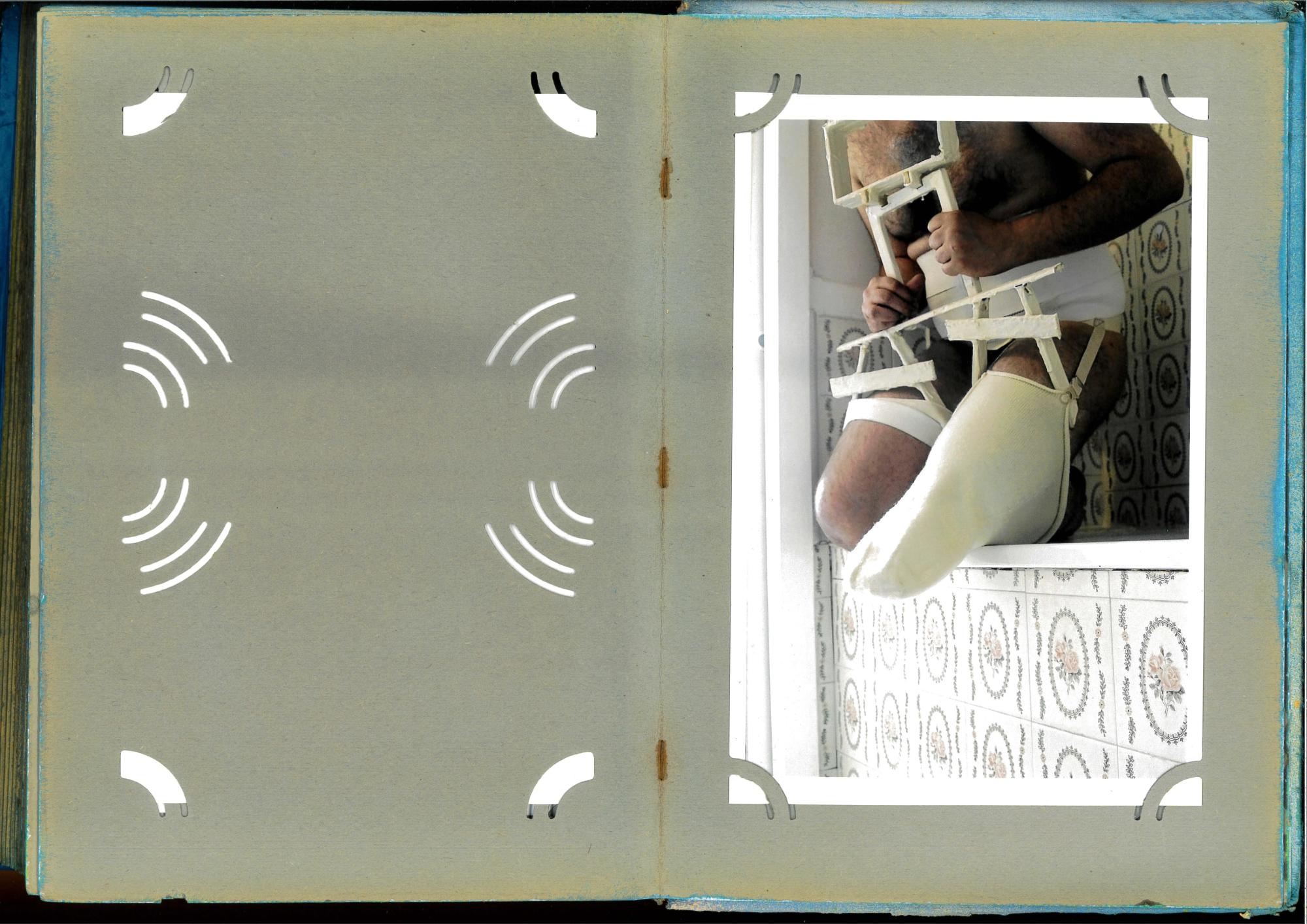
Paul Prothesis, Returning the Handicap – continuous visual inquiry, A4 / 33 double pages, 2014–2025
© Paul Prothesis, Courtesy of the artist and Galerie Crone, Berlin Vienna