



Galerie Hubert Winter curated by Théo-Mario Coppola
„I Am a Wanderer in My Heart“
www.galeriewinter.at
Curator(s):
Théo-Mario Coppola is a curator and arts writer. Viewing aesthetic issues as inherently tied to social struggles, their curatorial and critical practice engages with research-based, experimental, narrative and political forms. The projects they have conducted deal with experiences of concrete utopia, personal and collective narratives of emancipation, as well as initiatives of resistance, and examine how these enable the transformation of values in art, governance and society. Théo-Mario Coppola has contributed to catalogues, magazines and online publications. They regularly lecture on radical aesthetic practices at art schools and universities. Their current research is on the notion of 'commons' as developed by Elinor Ostrom.
Artist(s):
- Barbara Hammer
-
Bhupen Khakhar (born 1934 in Bombay, British Raj, now Mumbai, India, died in 2003 in Vadodara, India)
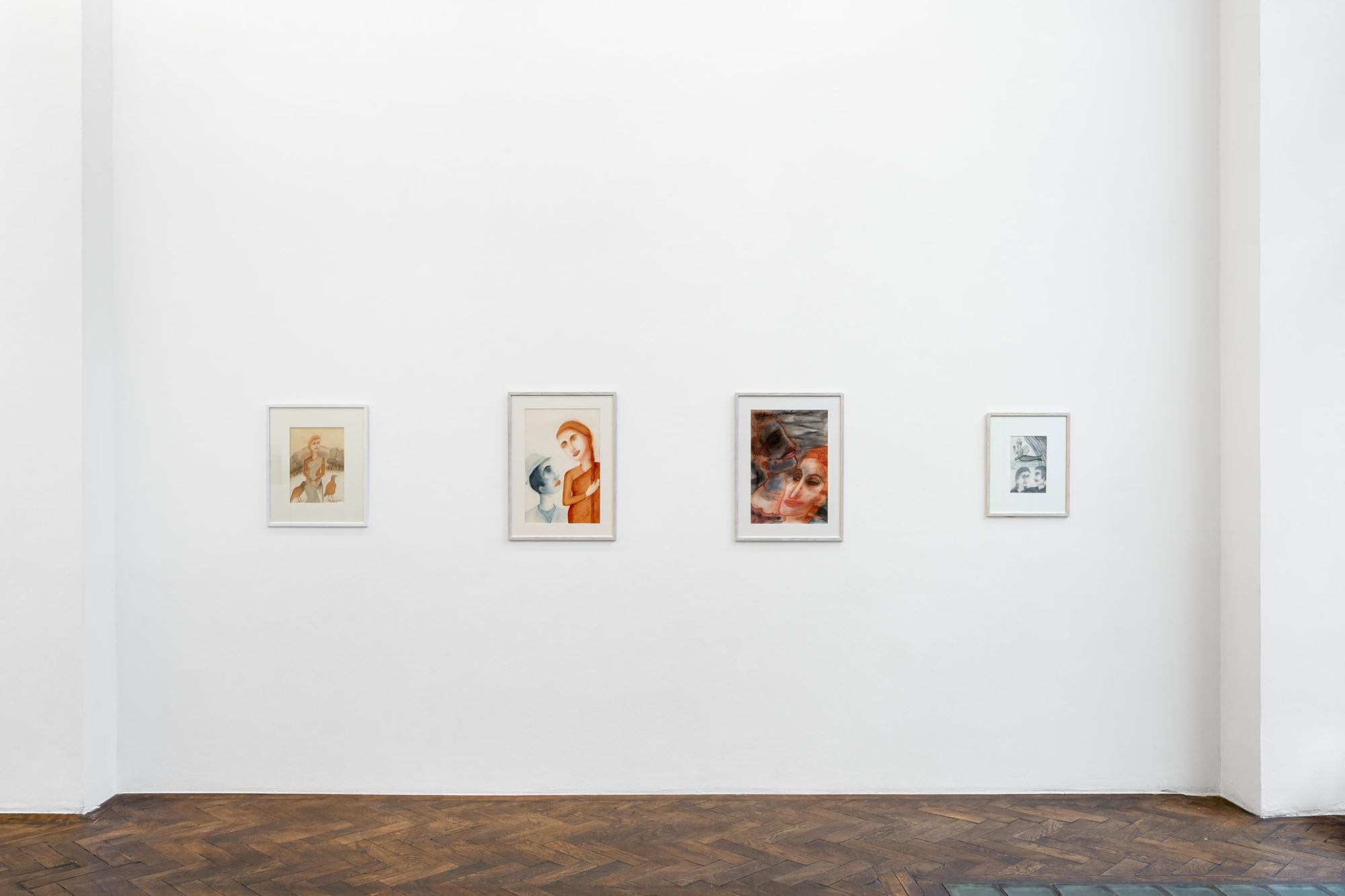
Bhupen Khakhar’s work reflects the tensions and challenges of the society of his time, intertwining everyday life with broader social issues. Aware of his role as a witness and storyteller, Bhupen Khakhar never held back from depicting desire between people of the same sex and refused to pander to the bigotry and taboos of post-partition Indian society. Bhupen Khakhar contemplated modern, consumerist, and urban uses of lifestyle and individuality from the perspective of mundane routine and the monotony of city life. His unfathomable mastery of his subject matter enabled him to turn his works into a personal dialogue between eras and genres, drawing on the colors of Mughal miniatures, the framing and spatial arrangements of Vincent Van Gogh’s or Henri Matisse’s paintings, and iconography used in commercial or devotional imagery, filled with empathy, sensitivity, and humility, qualities that set him apart.
-
Hudinilson Jr. (born 1957 in São Paulo, Brazil, died 2013 in São Paulo, Brazil)
Hudinilson Jr. has been reflecting for several decades on the status of the artist, their political and aesthetic position—not seeking to make a distinction between them. He was also part of the 3NÓS3 art collective, connected to the youngest and most transgressive agents willing to intervene in the city and to scholarly focused figures interested in discussing new technologies in art and its power to convince, to reach, and also to violate behavioral and political rules during Brazilian dictatorship. Hudinilson Jr. developed a practice at the intersection of diary, new media experiments, and political activism. The use of found documents and found objects combined with the self-produced images invites to contemplate the self-representation of the body, and its intimacy as a political autofiction. Outrageous, excessive, and confrontational, Hudinilson Jr. drew on popular and commercial culture, erotic and pornographic imagery, and the visual language of art history, in a quest for self-affirmation and an appreciation of desire as the driving force of his practice.
-
Kirill Savchenkov (born 1987 in Moscow, Soviet Union, now Russia, based in Paris, France)
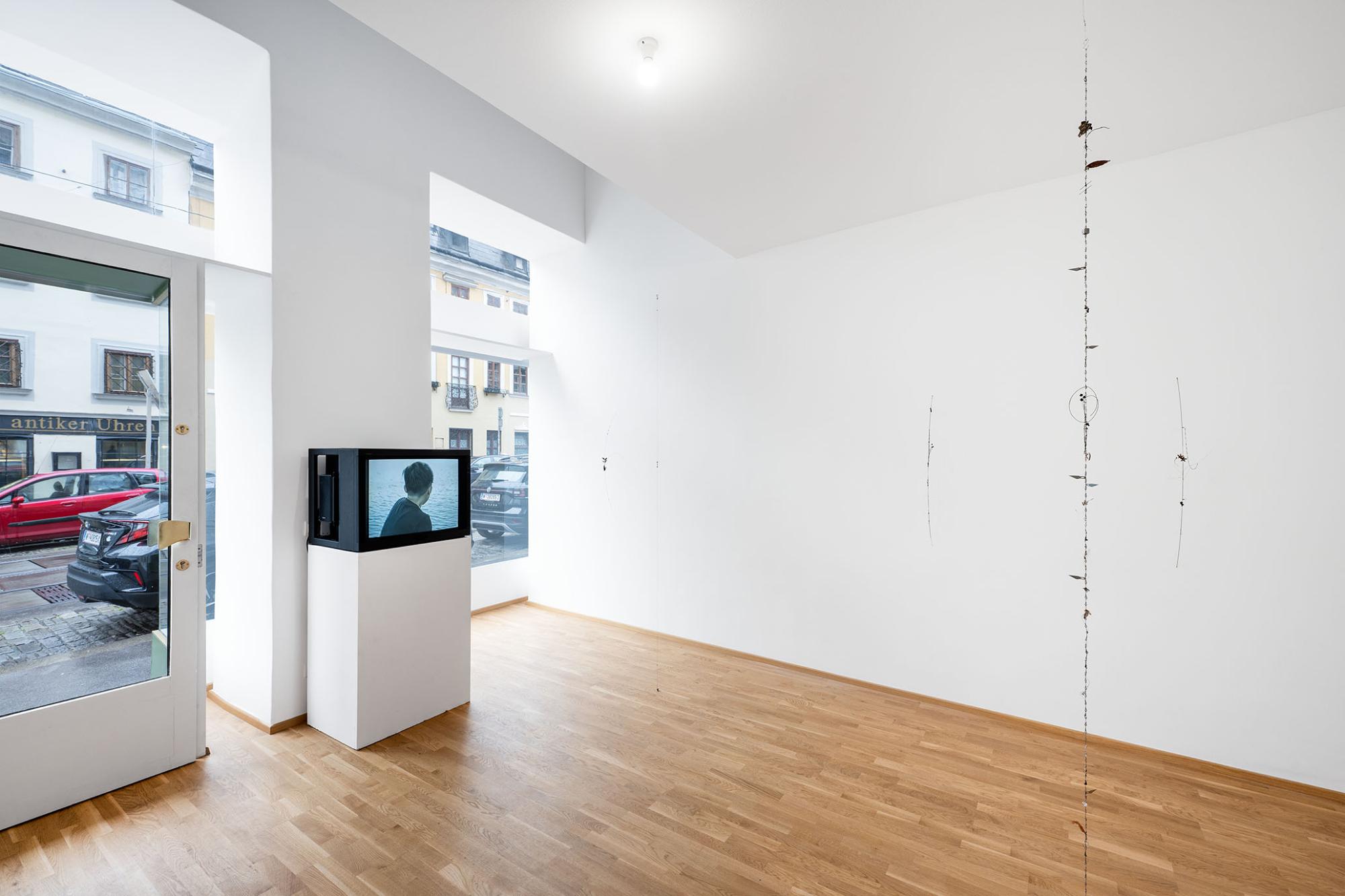
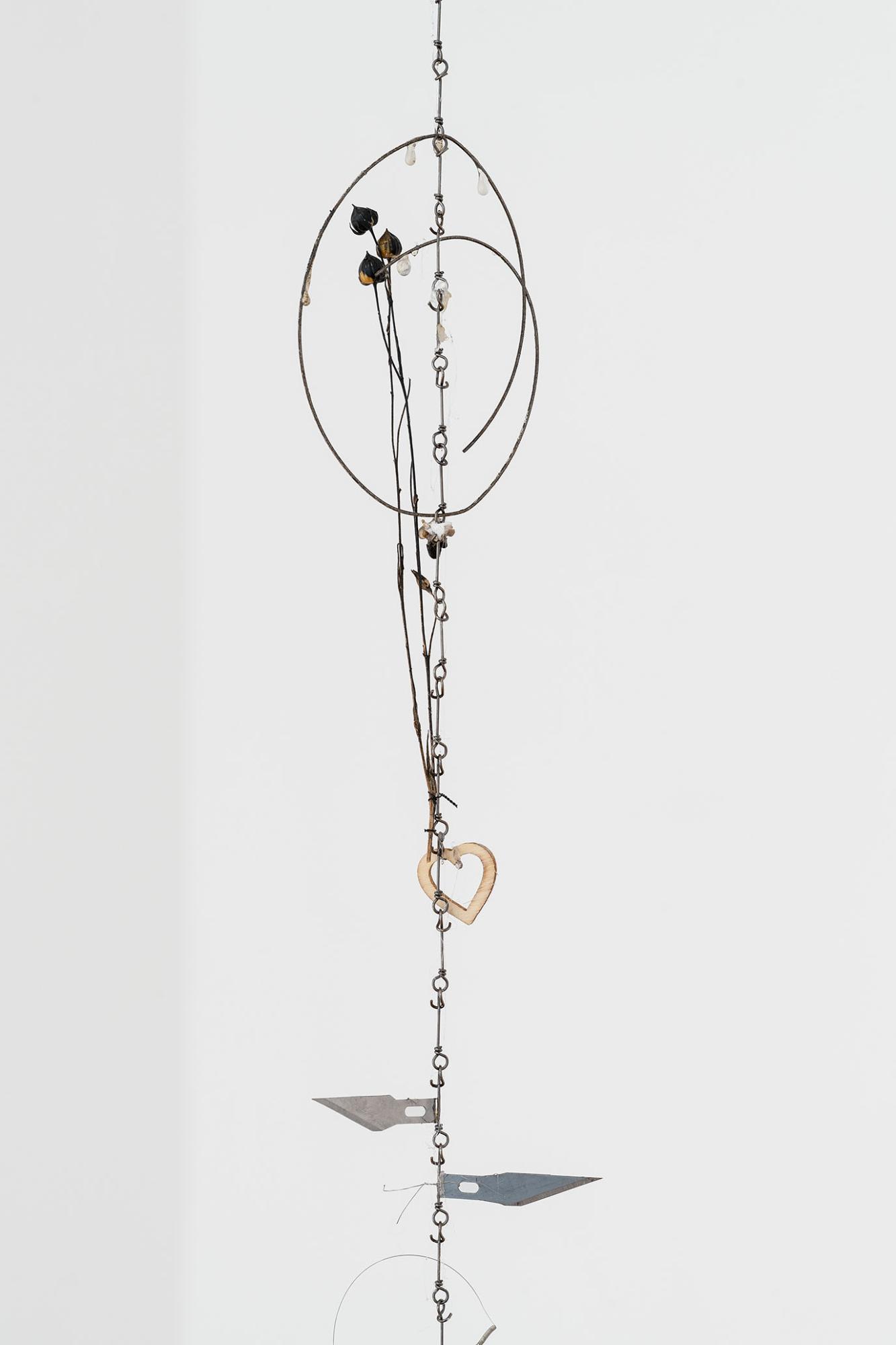
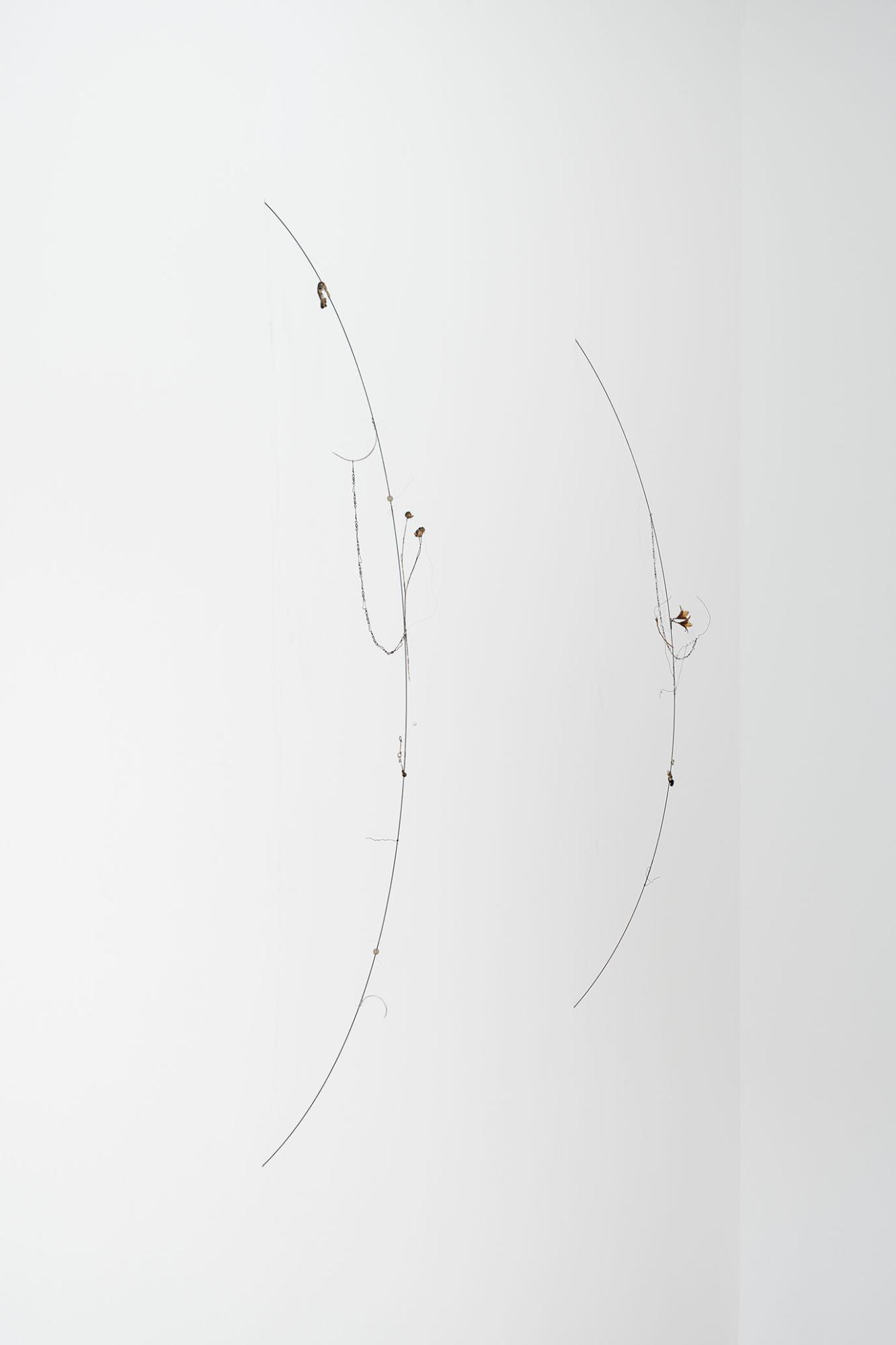
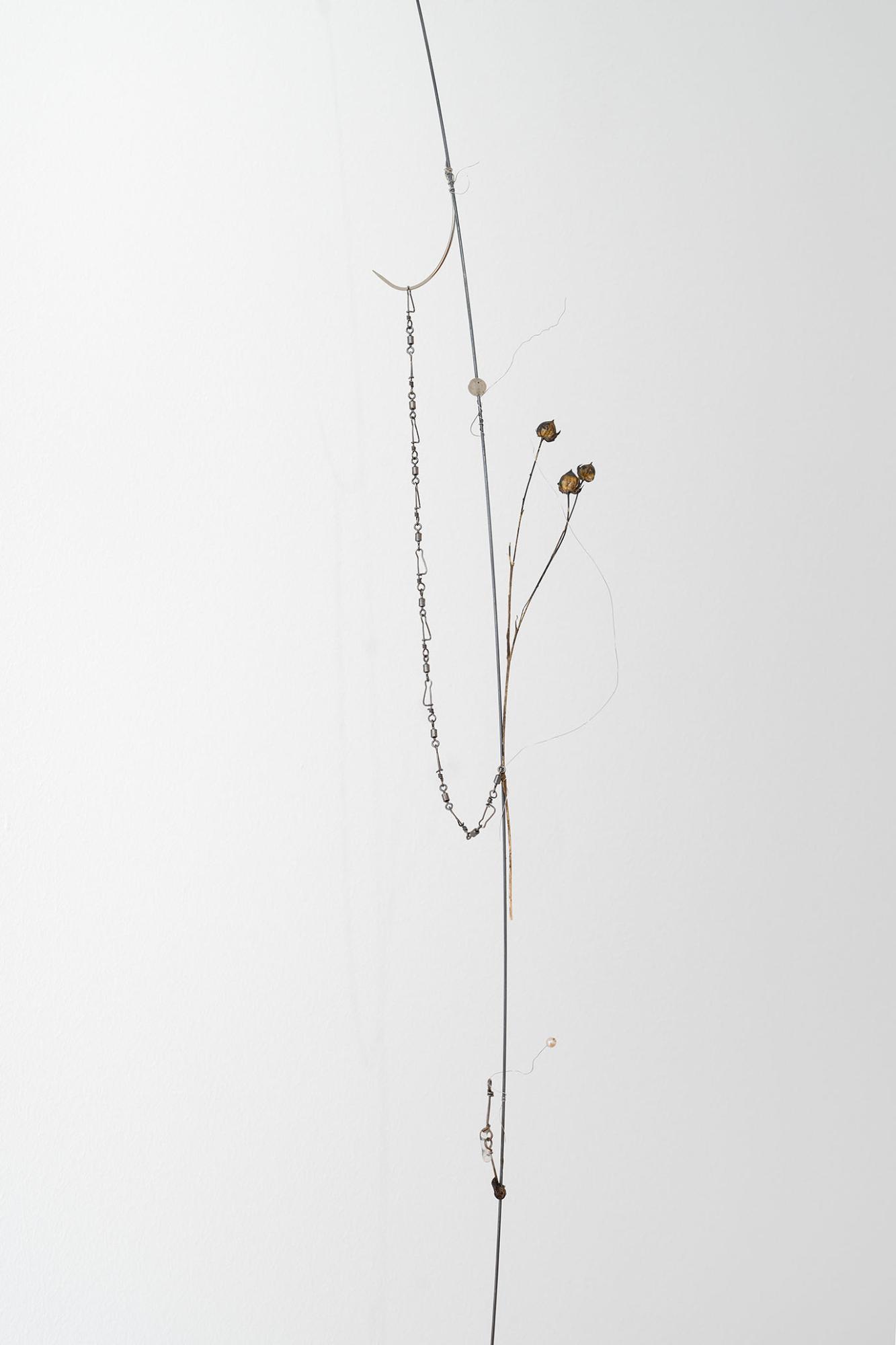
Kirill Savchenkov’s work is haunted by the weight of prohibition, silence, and control that bear down on human destinies, constraining their actions and thoughts. He is particularly interested in the way in which norms, laws, narratives, and customs constantly reconfigure the freedom to be and to act, as well as human desire. His works operate as visual poems or essays, drawing on social literature and political theory and adopting symbolic and allegorical registers. They reveal the restrictions imposed by surveillance and repression, drawing on his personal experience of living under a despotic regime in Russia. His approach suggests that bodies metabolize and, conversely, produce constraints, leaving infinitesimal spaces for liberation. Such spaces are associated with neglected urban areas, wastelands, and marshes, as well as with nocturnal environments, which are seen as sites of metamorphosis and hybridity. Science fiction in all its guises, nineteenth-century political anarchism, atmospheric ecology of imperceptible flows, and mass social theory all nurture a concealed repertoire of multifaceted narratives open to multiple interpretations. The motif of the werewolf is invoked as an emblem of the predicament of those who endanger themselves and are under threat, yet who also strive to break free from a compromised humanity.
-
Lalitha Lajmi (born 1932 in Calcutta, British Raj, now Kolkata, India, died 2023 in Mumbai, India)
In her subtle and refined works, imbued with gentleness and melancholy, Lalitha Lajmi juxtaposes elements of her daily life—as a woman, a practitioner, a daughter, a sister, and a mother—with images drawn from her own dreams and reveries. This association of sources tends to blur the lines between the seemingly real, the likely and the imaginary. This approach results in a manifestation of her psyche, her inner conflicts and her expressed and unspoken desires, sometimes with a tragic undertone. She received a culturally rich education, frequently attending the cinema as a child with her brother, the practitioner Guru Dutt, accompanied by their uncle. Literature would also play a central role in her life throughout her lifetime. She brought the richness and refinement of Bengali culture vividly in her work, incorporating dance, circus arts, visual arts, India’s great tales and gods, wildlife and nature, and her relatives alongside fabulous and other fictional characters. The desire to love is tinged with unease, longing, and distance, revealing an intense emotional state and an even greater level of sophistication.
-
Pauline Boudry / Renate Lorenz (founded 2007 in Berlin, Germany, based in Berlin, Germany)
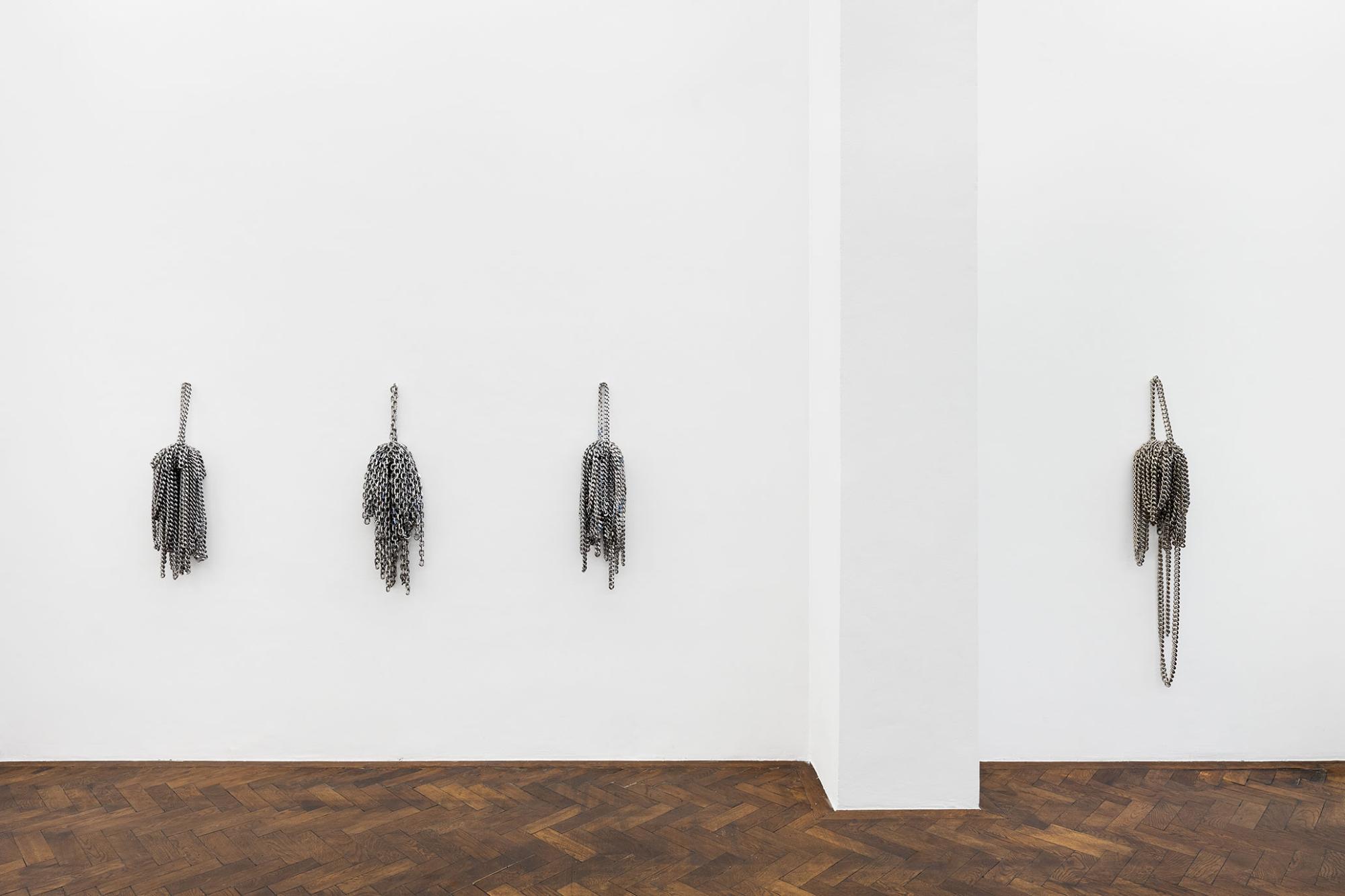
Aware of the marginalization of queer narratives, of the need to establish lineages, and of the imperative to give form to what is silenced, censored or erased, Pauline Boudry / Renate Lorenz have consistently brought into conversation the spoken and the unspoken, the secrecy and the excess that toss about the queer lives of their own contemporaries and those who came before them. The duo is mindful of the queer experience, caught between suffering secrecy, chosen opacity, forced visibility, and embraced performativity—that is to say, torn between the labels imposed by others and the journey of personal expression, with the support of one’s community and allies. Incorporating references to critical theory and gender studies, and firmly rooted in a network of solidarity and aesthetic practices encompassing visual arts, dance, and music—though not limited to these—Pauline Boudry / Renate Lorenz draws upon variations (the same) and fundamental differences (the unique) to reflect on the condition of becoming and to envision desirable futures.
-
Yasmina Benabderrahmane (born 1983 in Rueil-Malmaison, France, based in Paris, France)
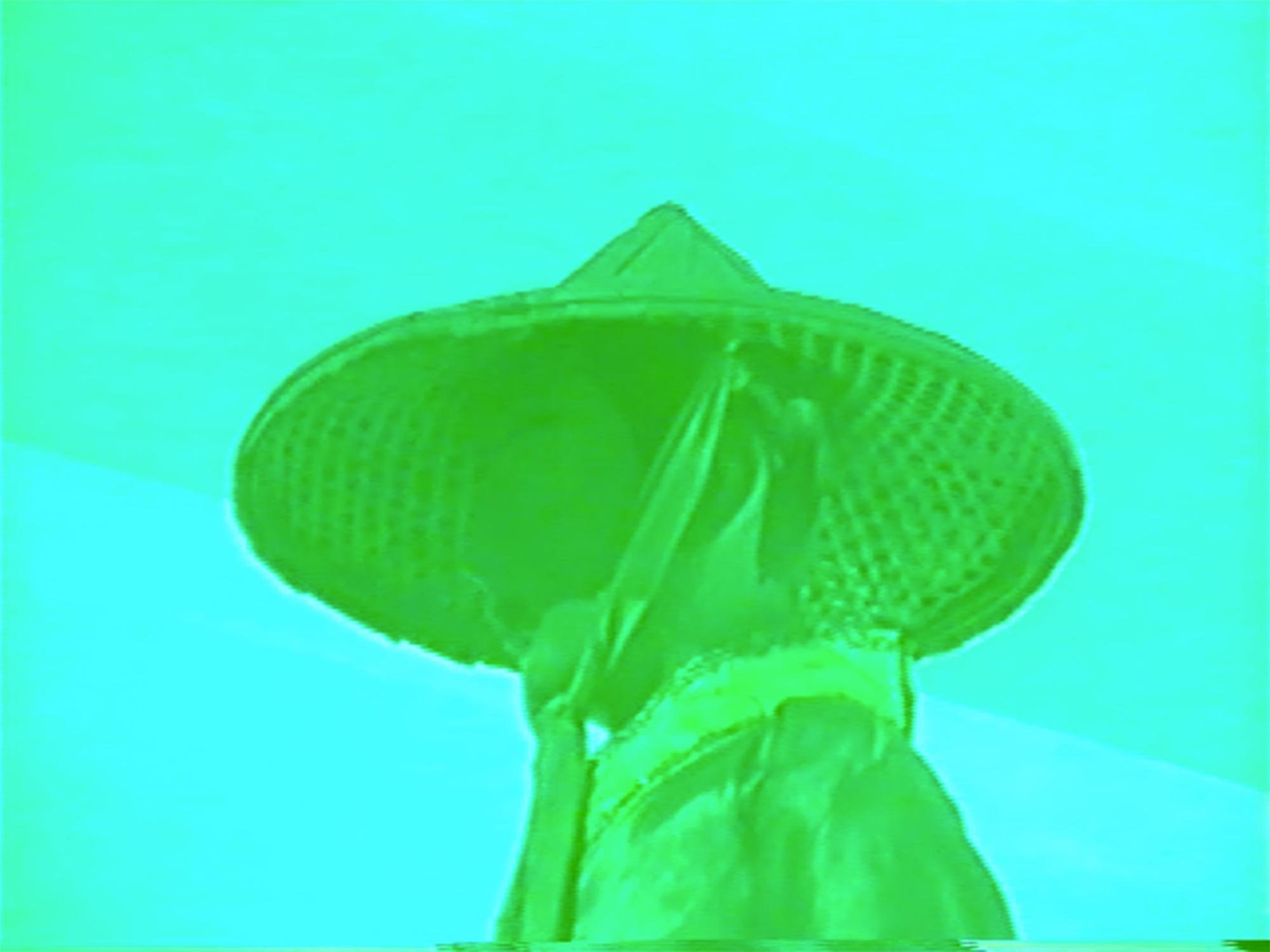
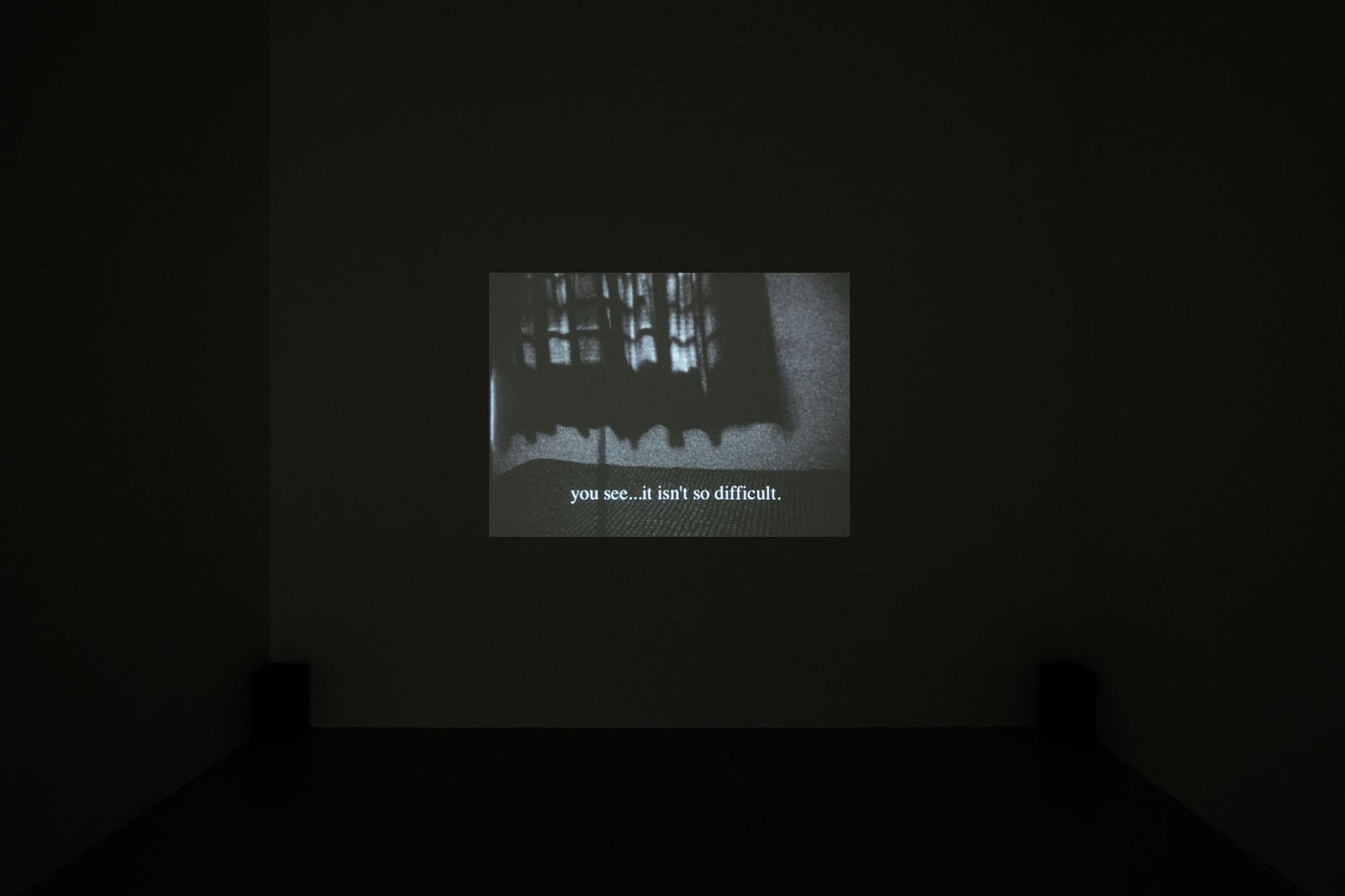
Yasmina Benabderrahmane has developed projects, series, and individual works that lie at the intersection of moving image, both film and digital, photography with and without the use of a camera, and the sounds, texts and sensory components that accompany them. Her personal experiences and body in relation to the world—as well as the people, her family and the figures that appear in her works—are an invitation to reflect on the obsessions, hardships, and moments of ecstasy that life offers or denies. Characterized by her mastery of lens-based experimentation, which borders on the alchemical, Yasmina Benabderrahmane examines blind spots, double meanings and excesses in representation, rejecting mainstream, conventional imagery in favor of a repertoire ranging from sensual abstraction to frenetic eroticism, blatant provocation, and the captivating sweetness of quiet contemplation.
-
J Triangular (born 1987 in Bucaramanga, Colombia, based in Taoyuan City, Taiwan and Medellín, Columbia)
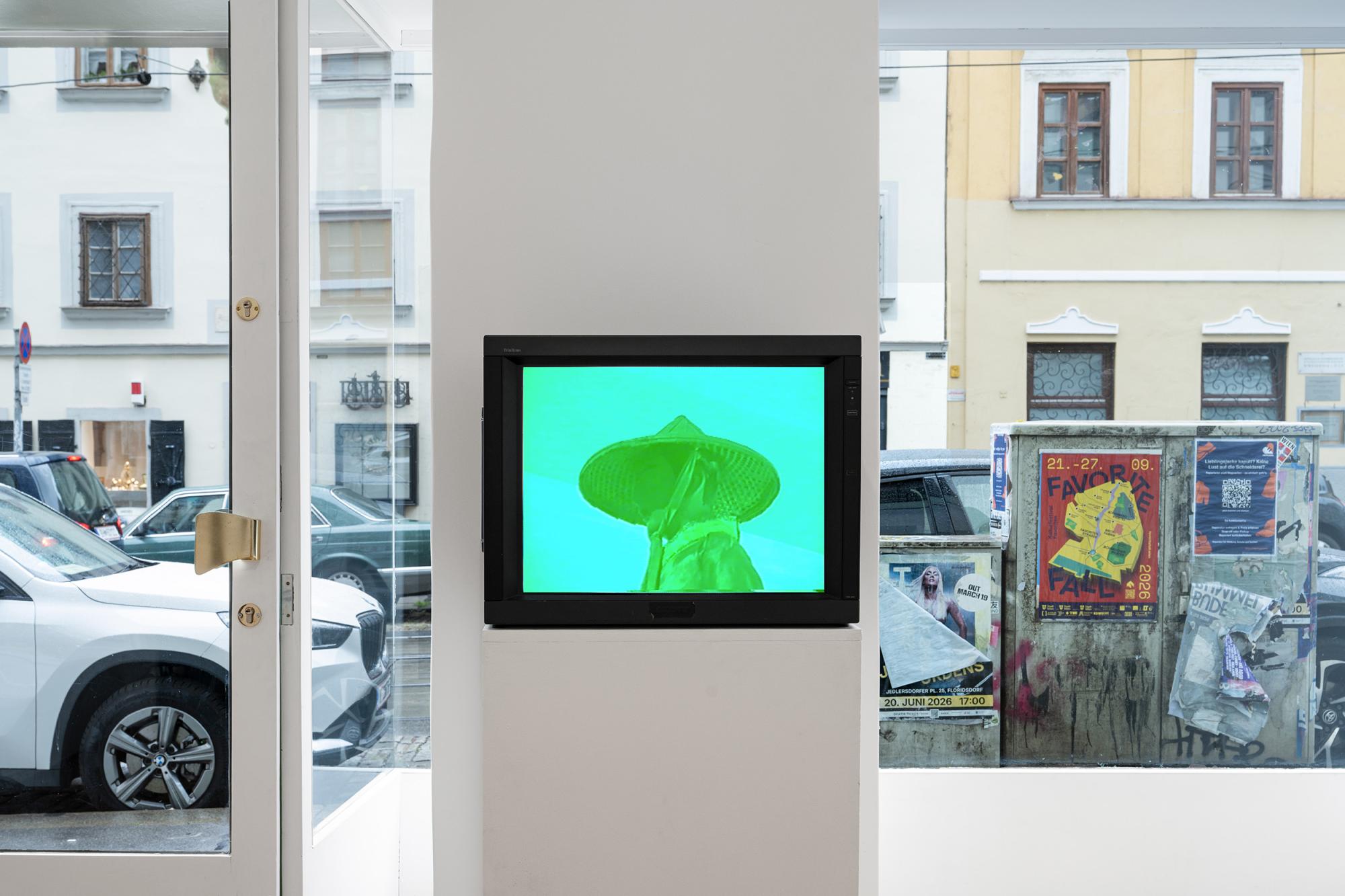
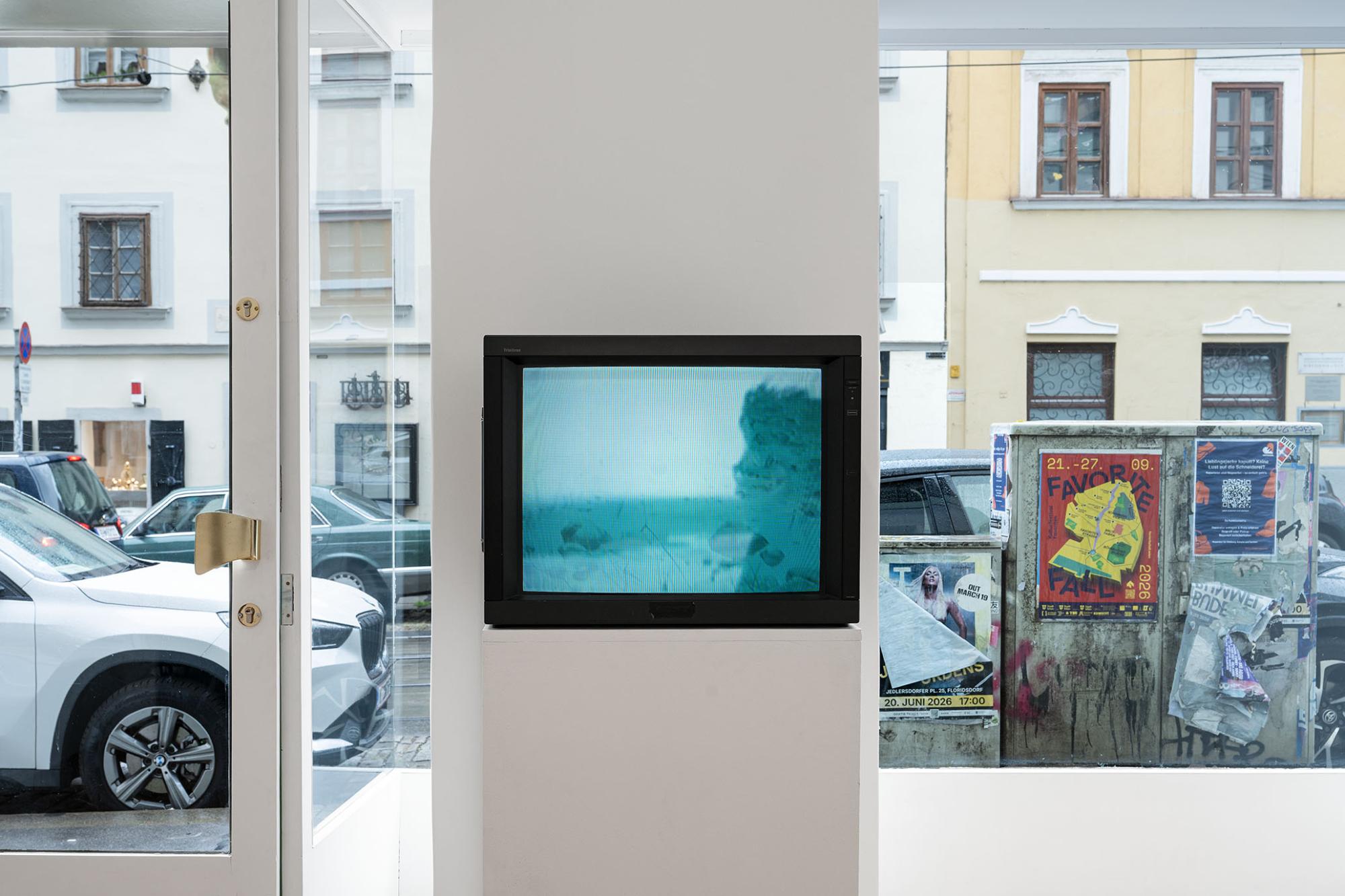
J Triangular’s practice is rooted in a highly personal and experimental approach, involving other practitioners or members of the trans community, and is characterized by a predominantly transnational and intersectional perspective. Their moving-image projects combine narrative fiction techniques with documentary investigative processes. Some of their works draw upon various codified cinematic genres, with particular reference to the Asian cultural context, featuring characters, settings, and storylines that are either epic, surreal or explosive. The political resistance to oppression, the social generosity of collective bonds and the sensitive aesthetic ambiguity between provocation and the poetics of imagination, make their work a kaleidoscope of images, sounds, and reference points, all of which are embedded in the history of cross-cutting struggles and national liberation movements, including those in Colombia and Taiwan, where several of their works have been made. J Triangular also appears on screen, either filming themself or being filmed by others. Film crews are conceived as platforms for exchange and artistic interaction, as collective ventures whose moving-image output is reflected in their exalted, melancholic or rebellious expressive style. J Triangular is part of a history of alternative and experimental cinema and seeks to develop works that reflect this lineage of personal cinematic expression.
-
Jimmy Robert (born 1975 in Saint-Claude, Guadeloupe, France, based in Berlin, Germany)
Jimmy Robert’s multifaceted body of work extends across a variety of mediums and their areas of interaction, establishing his art practice as a catalyst for the construction of the self, as well as expressions of vulnerability, doubt, desire, whether through an assertive presence, a deliberate appearance or an evocative absence. In his works, the aesthetic and critical space between ways of showing and ways of looking serves as an opportunity to consider what happens between the transmission and reception of information, and to assess or reinvent the margins of representation—particularly those of queer and racialized bodies, both his own and others’, to which he grants a central role in his works. For Jimmy Robert, visibility is not limited to representation or to the art world and should be regarded as an intrinsic part of society as a whole, in terms of citizenship and equality. His approach is rooted in personal expression and a firmly grounded point of view—with its fragments, its unspoken elements and its suspended moments—rather than in an attempt at objectivity or linearity.
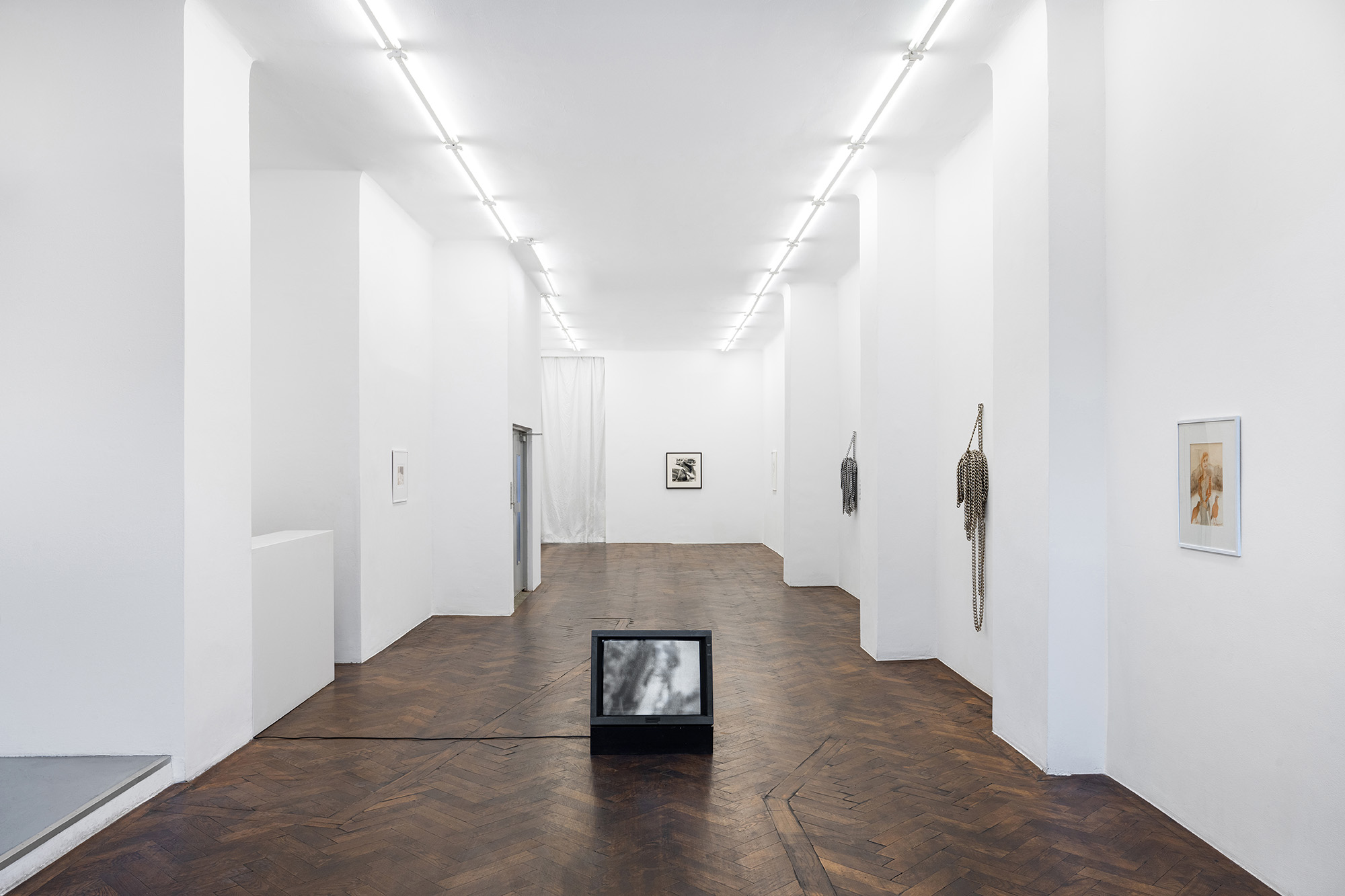
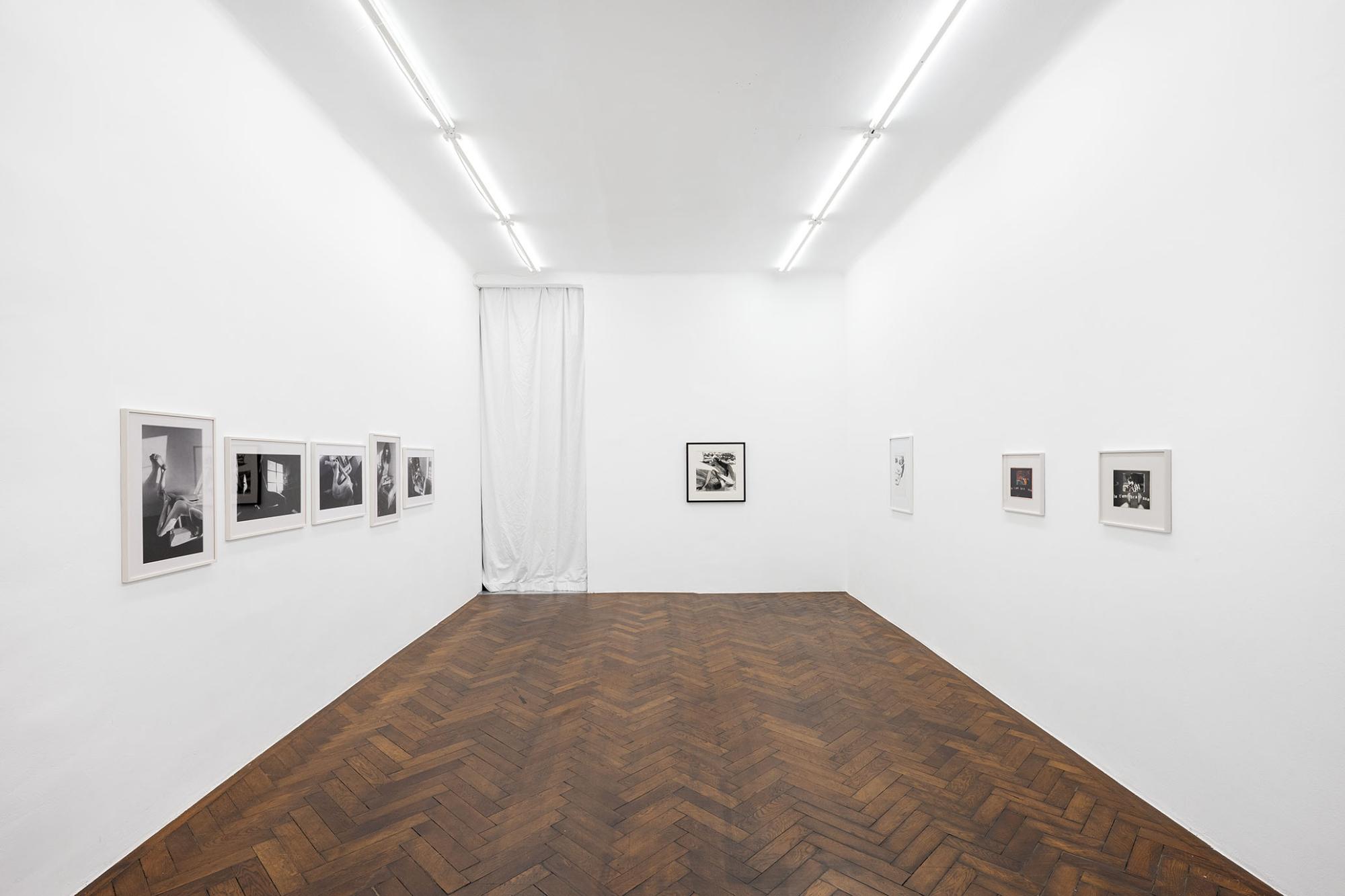
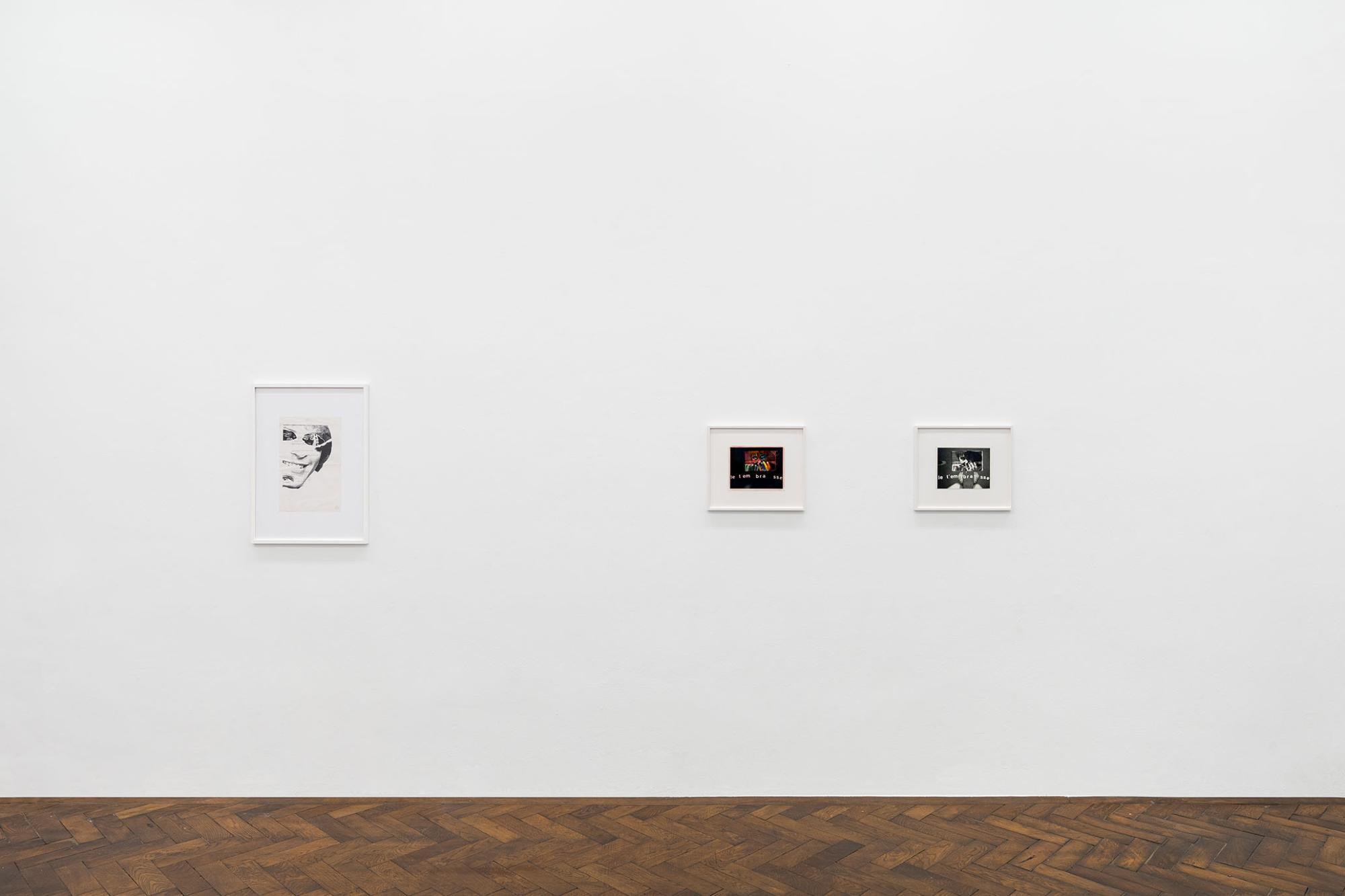
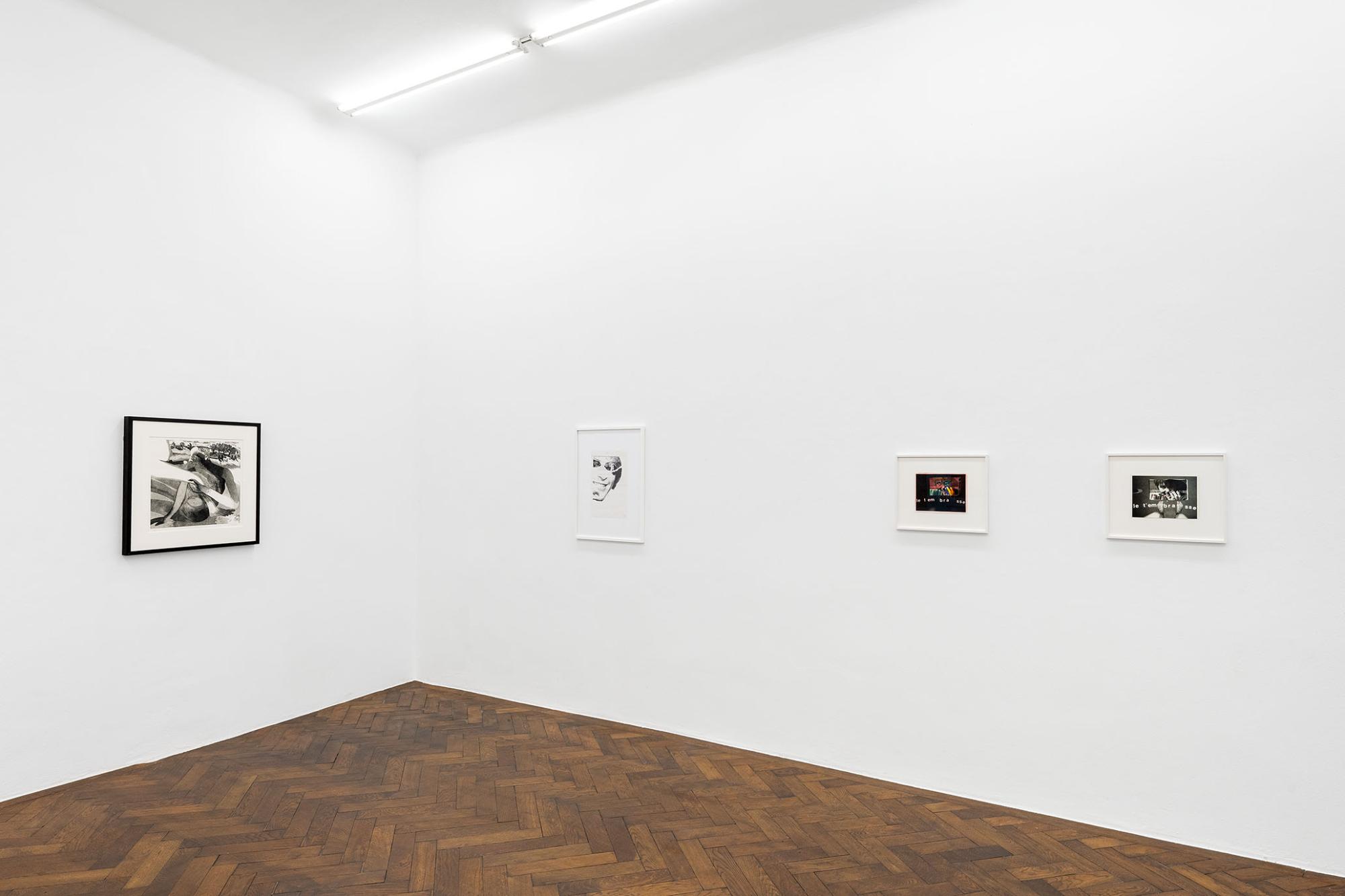
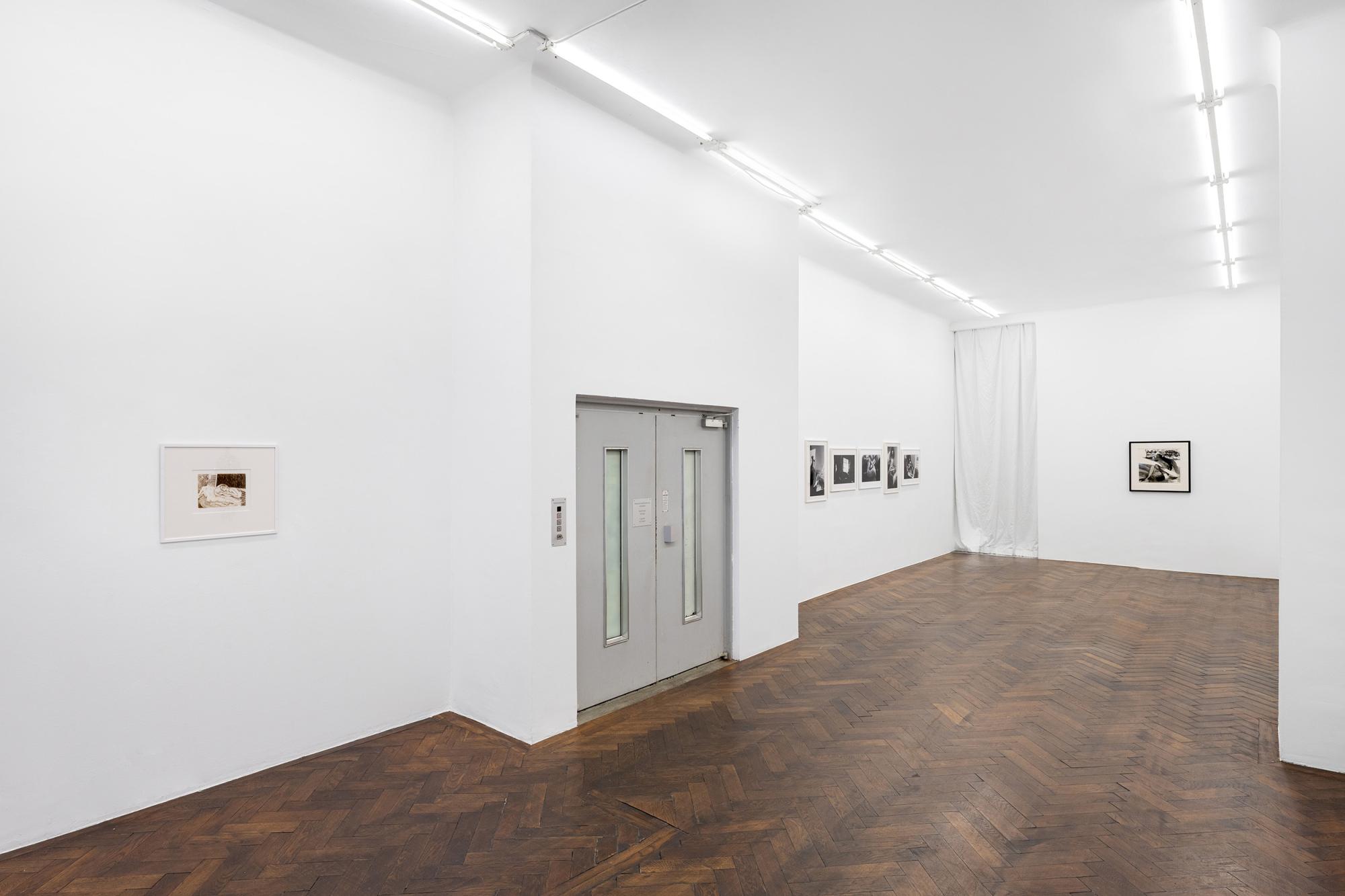
I Am a Wanderer in My Heart is a group exhibition curated by Théo-Mario Coppola at Galerie Hubert Winter in Vienna, Austria, as part of the eighteenth edition of the curated by festival entitled LOVE. Its title is taken from a poem by Rabindranath Tagore, which captures existential and conflicting desires, as well as the turmoil they generate. It gathers practices and works from various geocultural backgrounds, each providing a distinctive take on longing, inner conflict, and the erotic impulse, with works by Yasmina Benabderrahmane, Pauline Boudry / Renate Lorenz, Barbara Hammer, Hudinilson Jr., Bhupen Khakhar, Lalitha Lajmi, Jimmy Robert, Kirill Savchenkov, and J Triangular. Théo-Mario Coppola’s curatorial approach aims to examine, from a transhistorical and transgeographical perspective, the stories of those whose lives have been shaped by adversity, and to highlight how each practice and form of desire is rooted in particular circumstances. Their curatorial approach also seeks to identify commonalities, points of tension and patterns of differentiation in these practices and forms of desire.
Curational Text by Théo-Mario Coppola here.
Photos
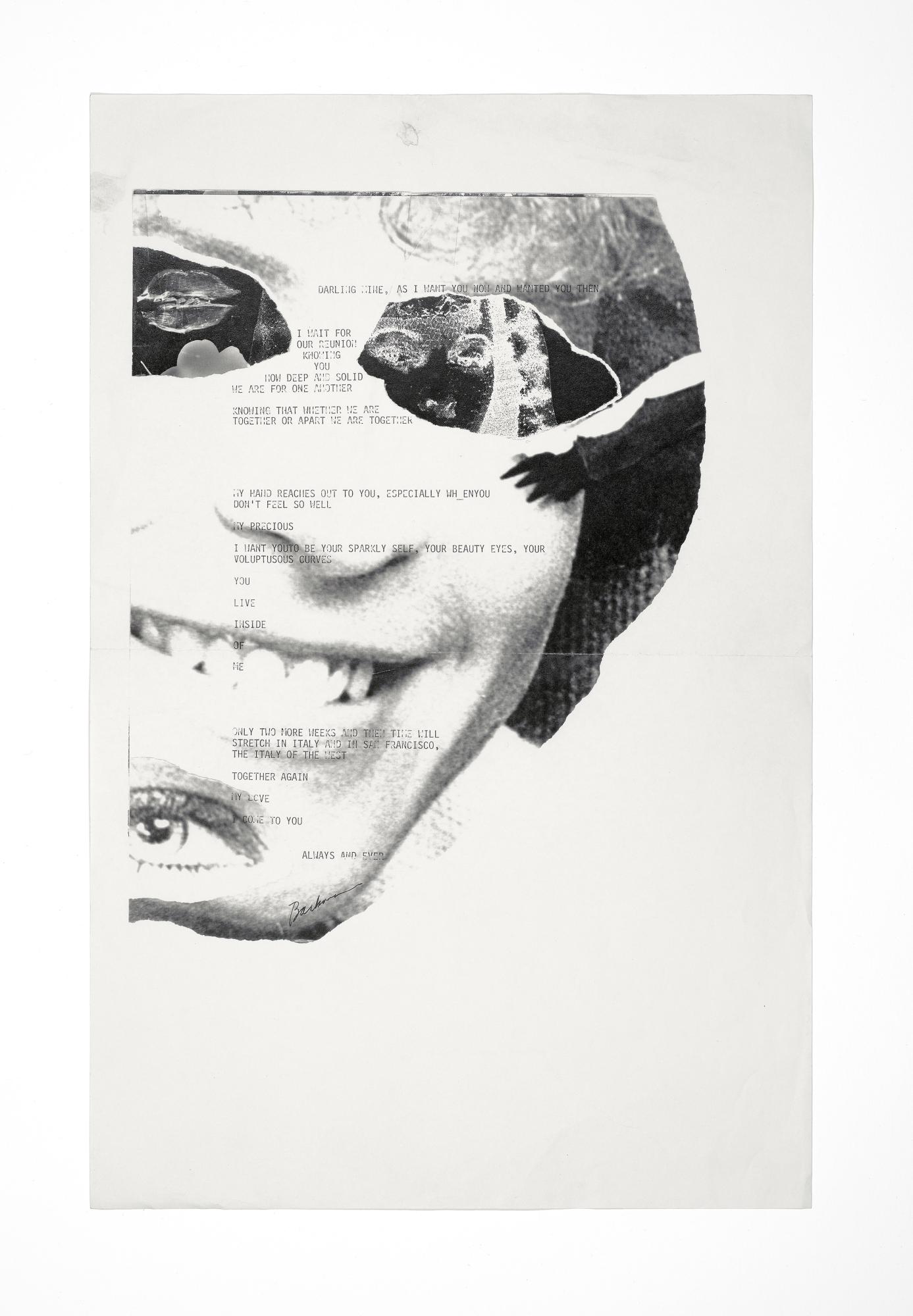
Barbara Hammer, Love Letter, 1996. Work on paper (Xerox), 43.18 x 27.94 cm.
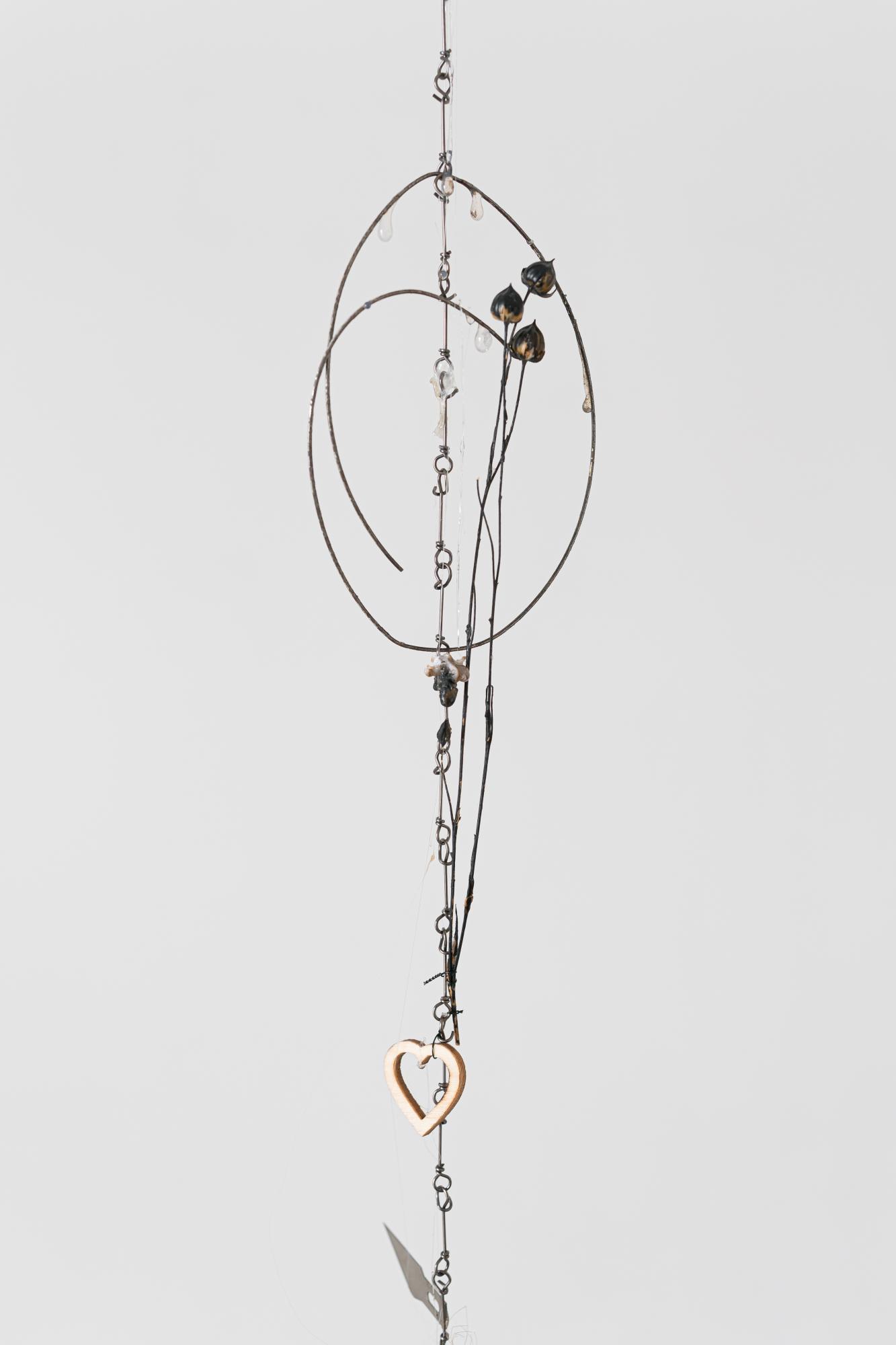
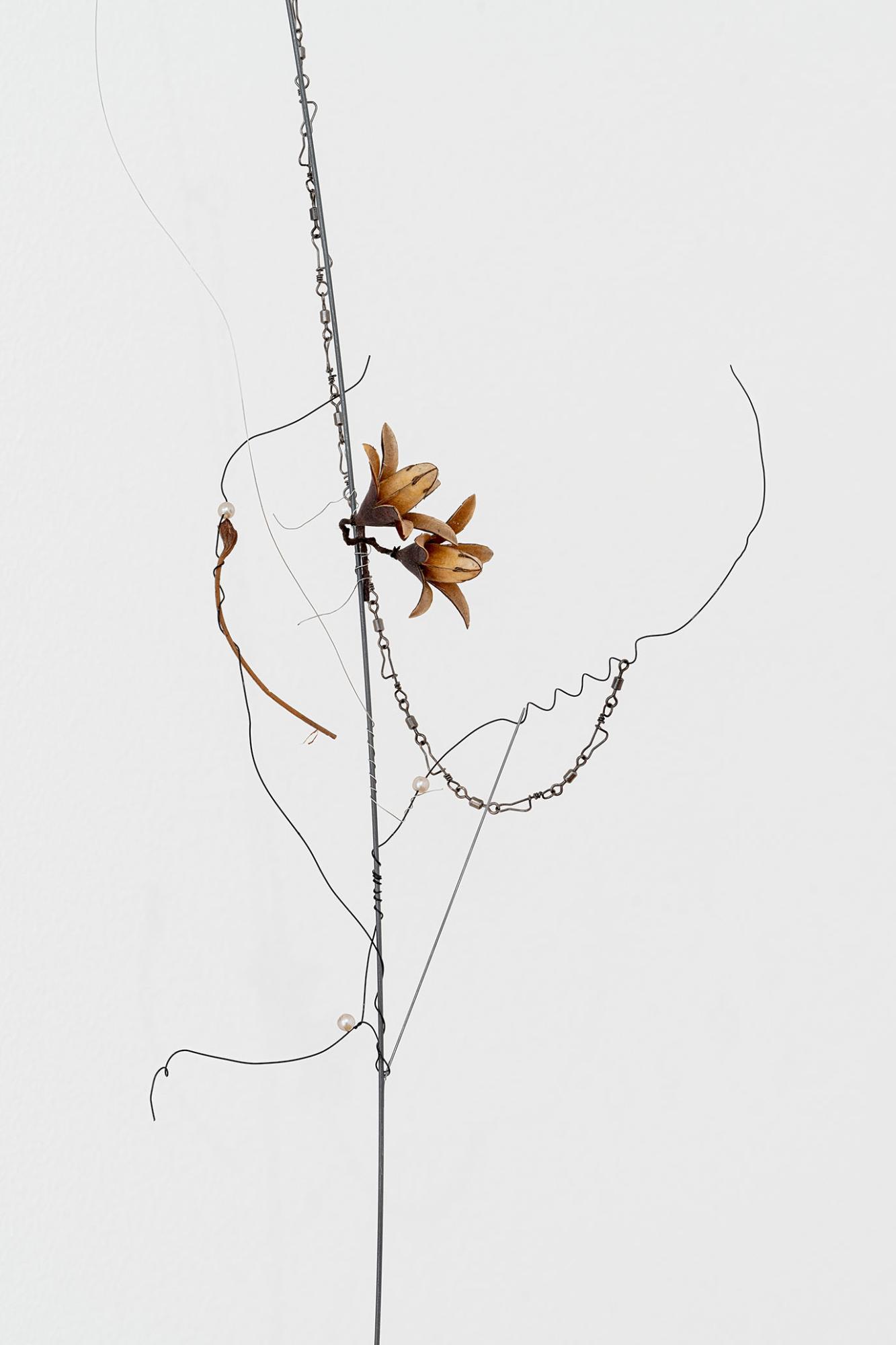
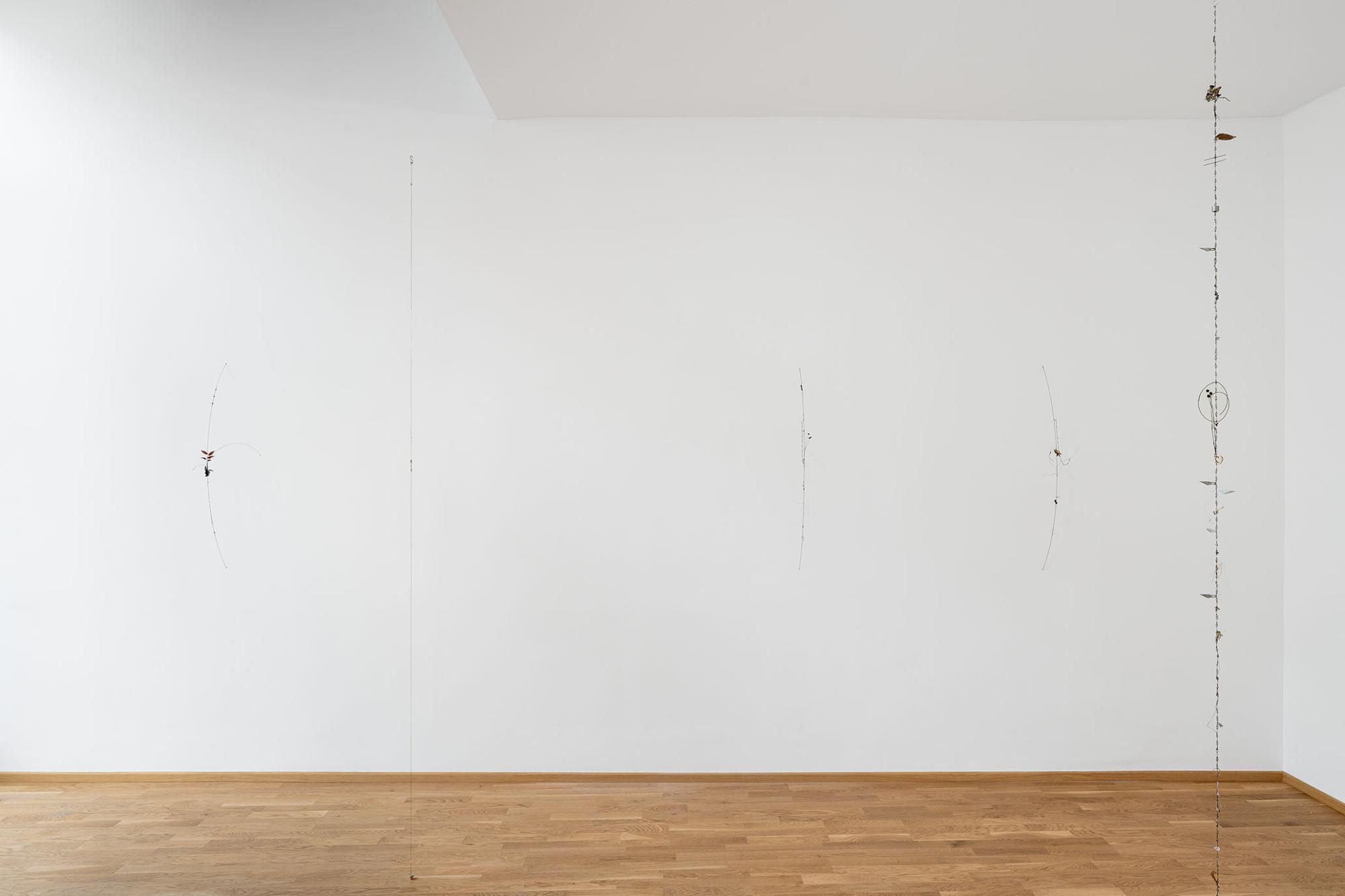
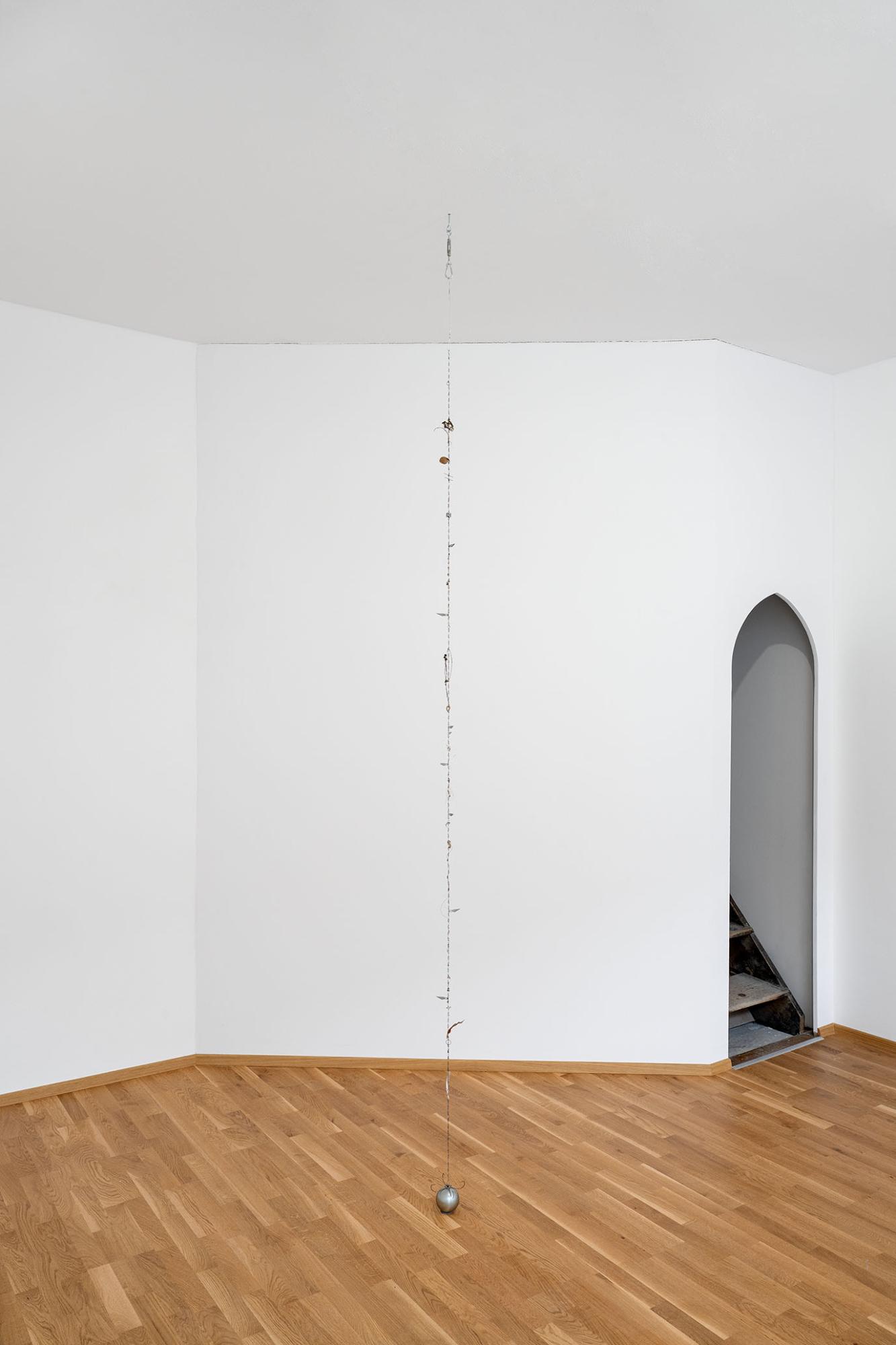
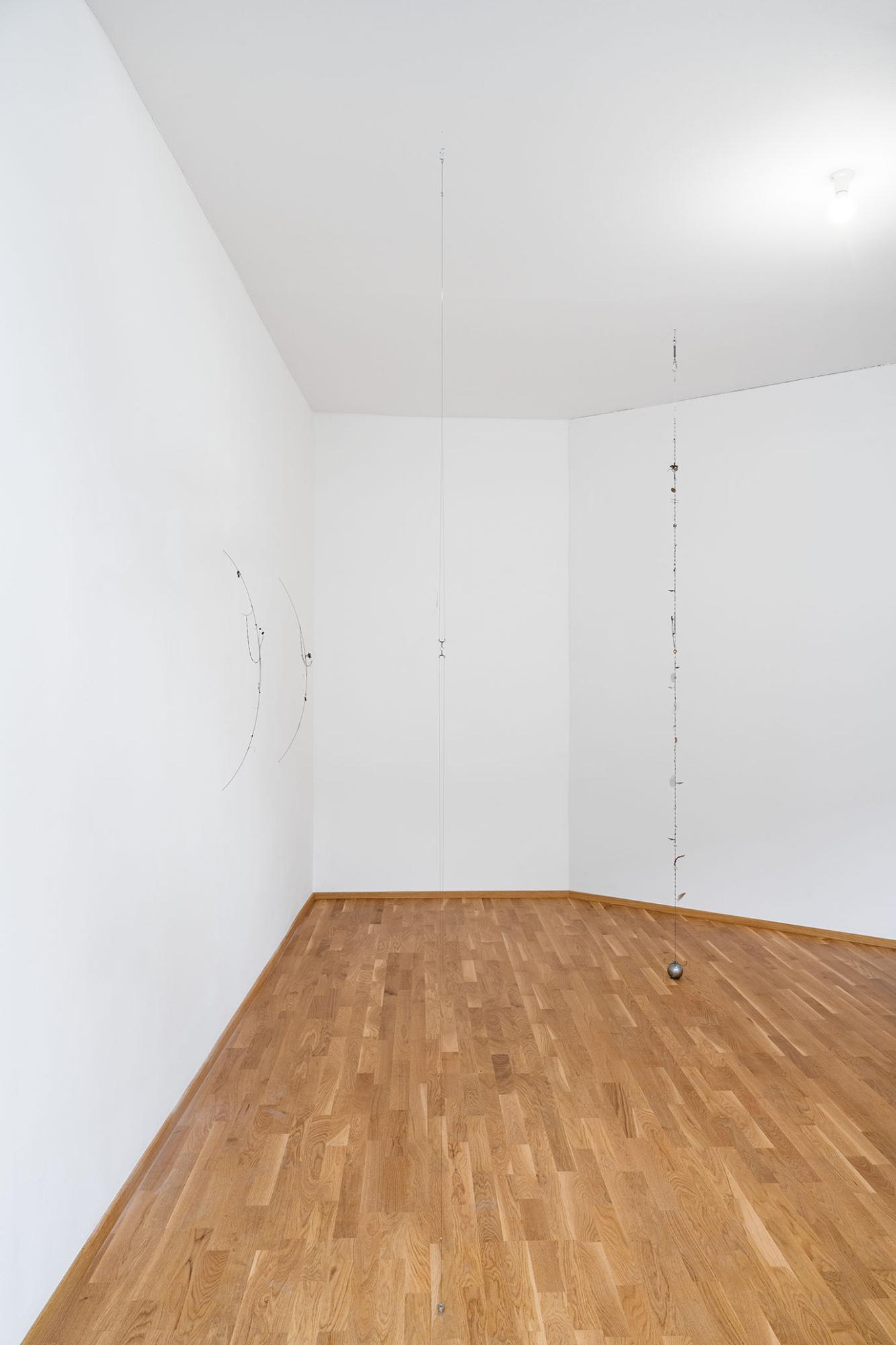
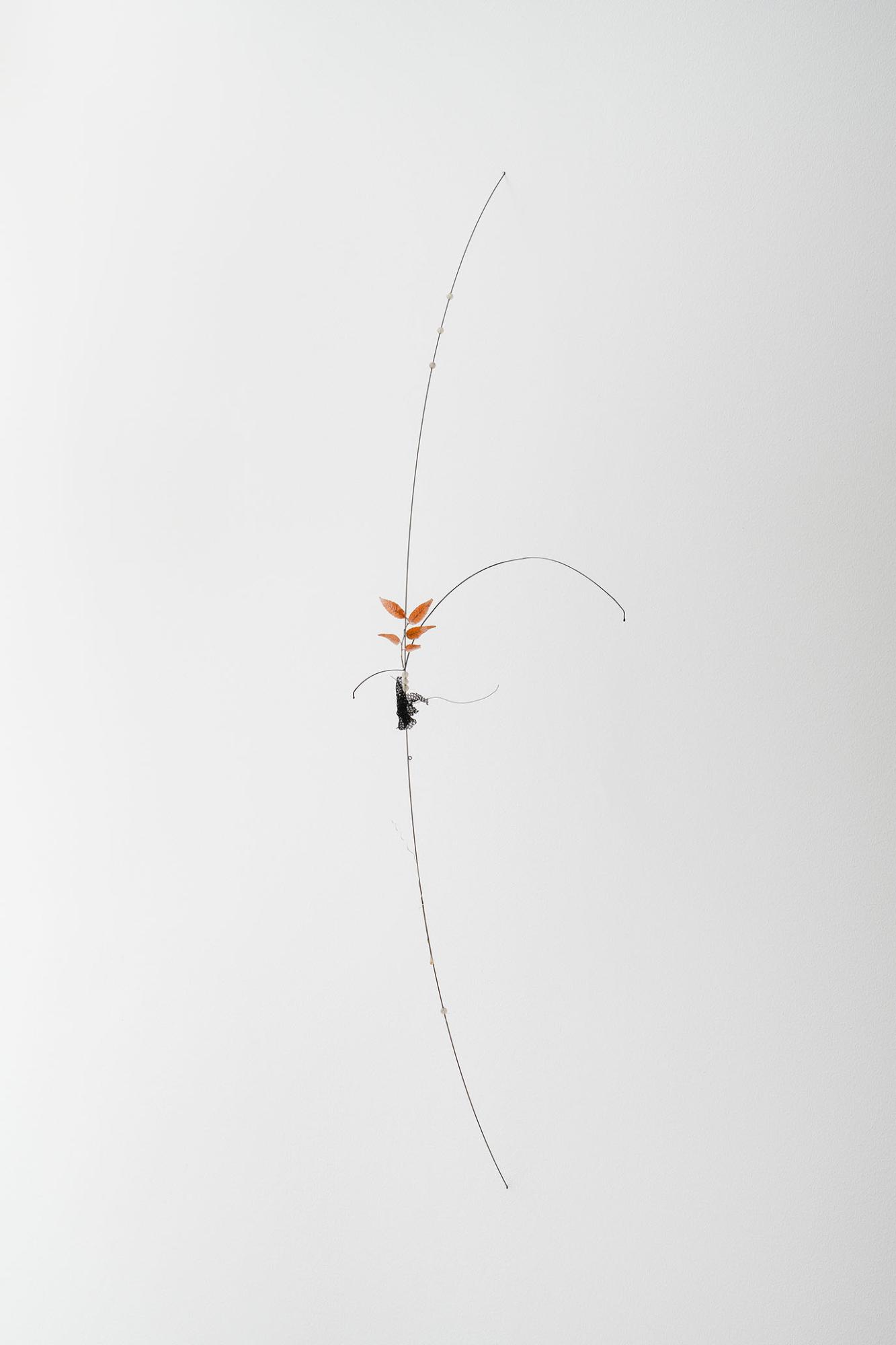
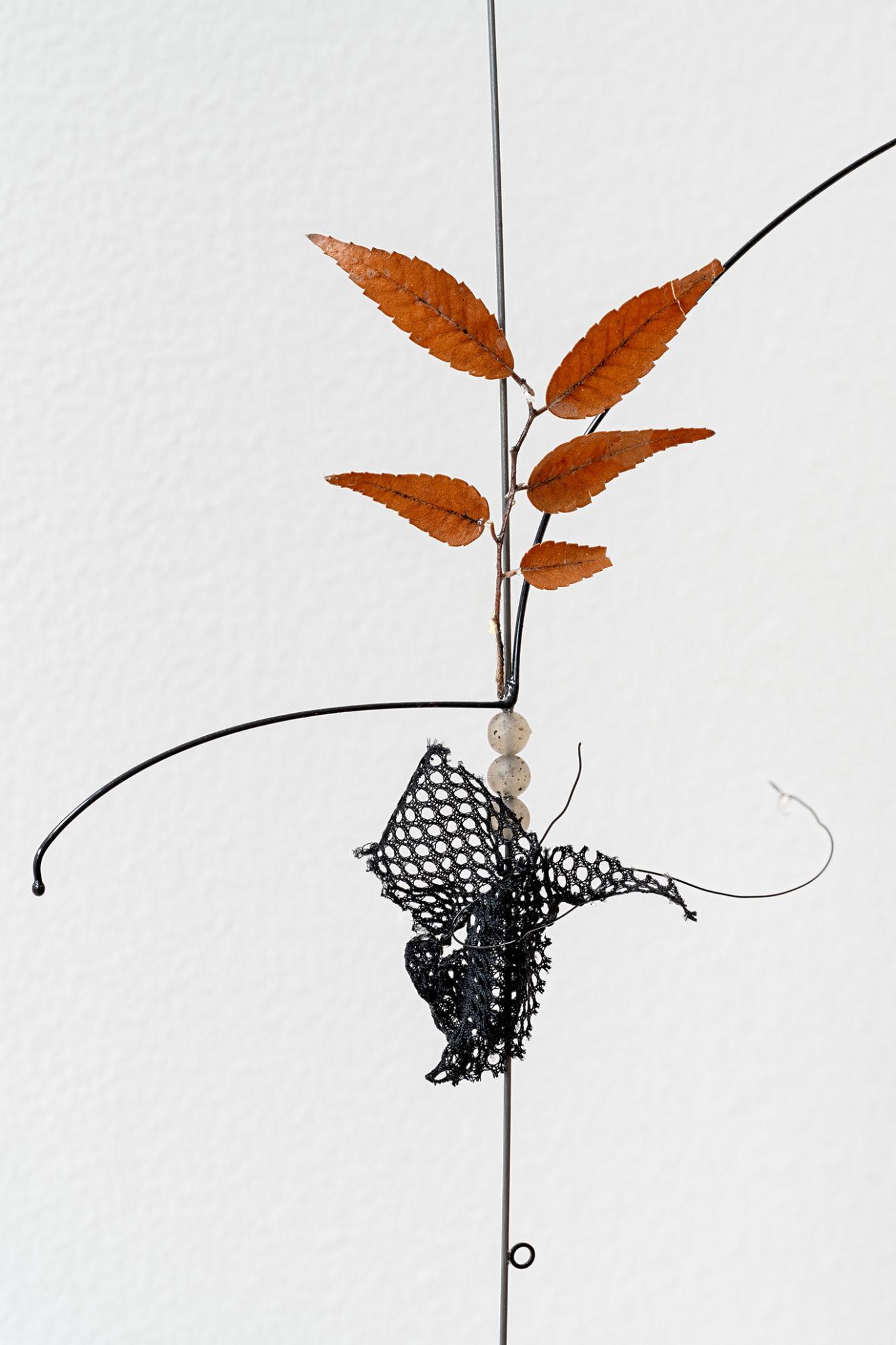
Kirill Savchenkov, Essay P: Repressed Memory, 2025 (detail). Part of the Wolfsbane Letters project, 2024–ongoing. Stainless steel, aluminium alloy, nickel, HMA, magnet, copper, fly, fabric, hair, wood, plant, pigeon feather, 248 x 12 x 9 cm.
Courtesy of the artist and Galerie Allen, Paris, France. Photo: Kirill Savchenkov.
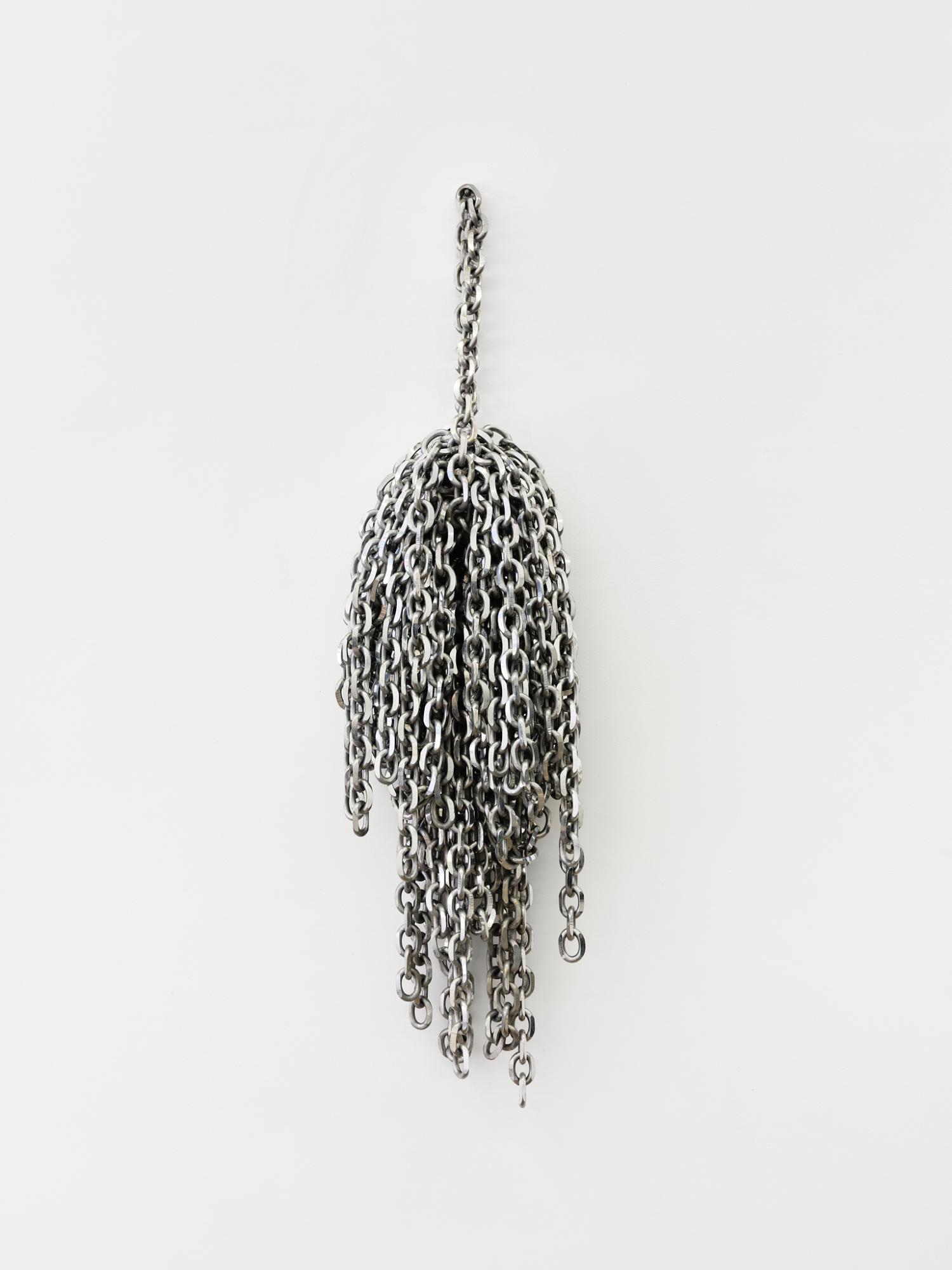
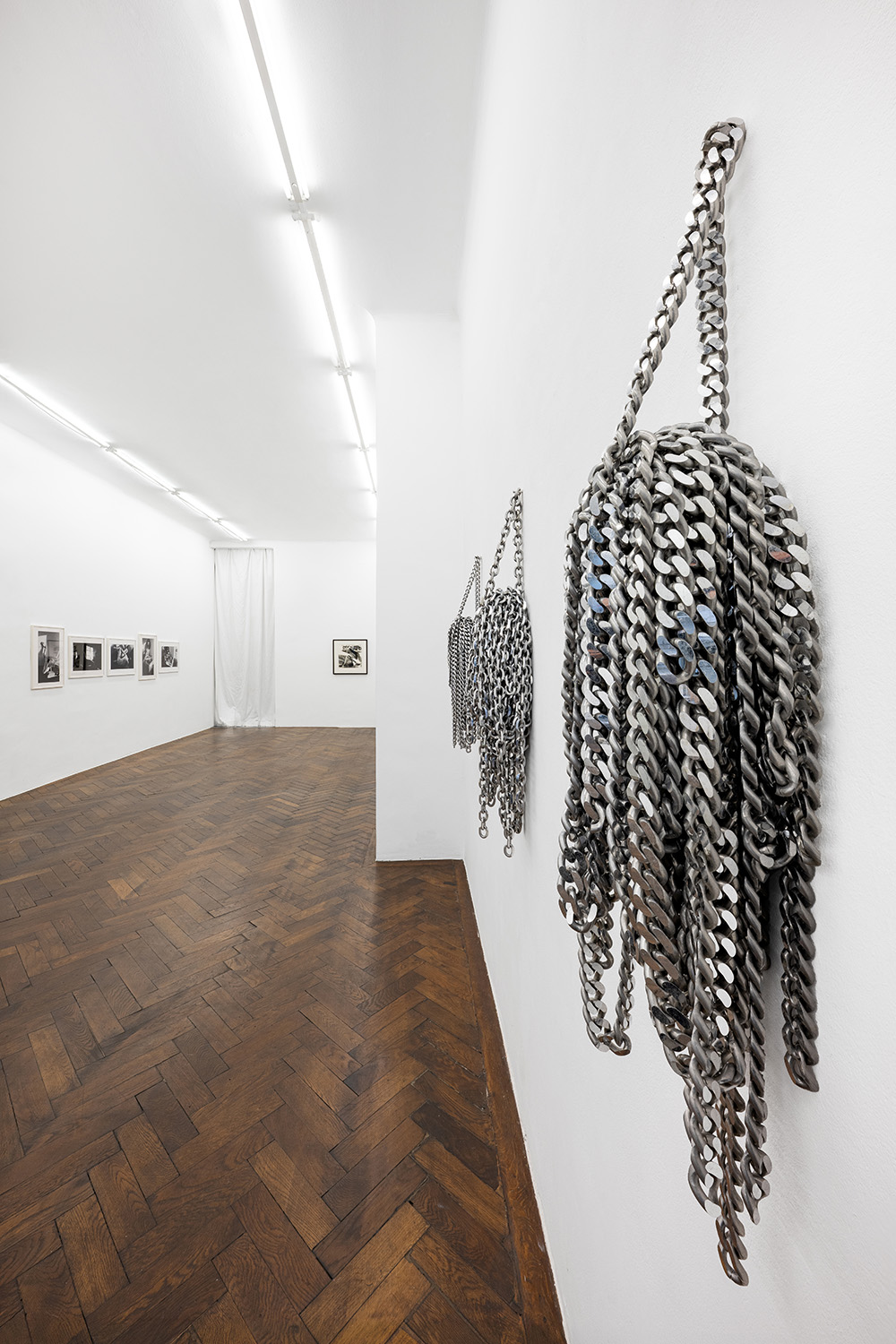
Pauline Boudry / Renate Lorenz, chain piece (three lovers, sex unkown, separation pending, 2), 2025. Chains, 105 x 30 x 20 cm.
Courtesy of Pauline Boudry / Renate Lorenz and Marcelle Alix, Paris, France. Photo: Nicolas Lafon.
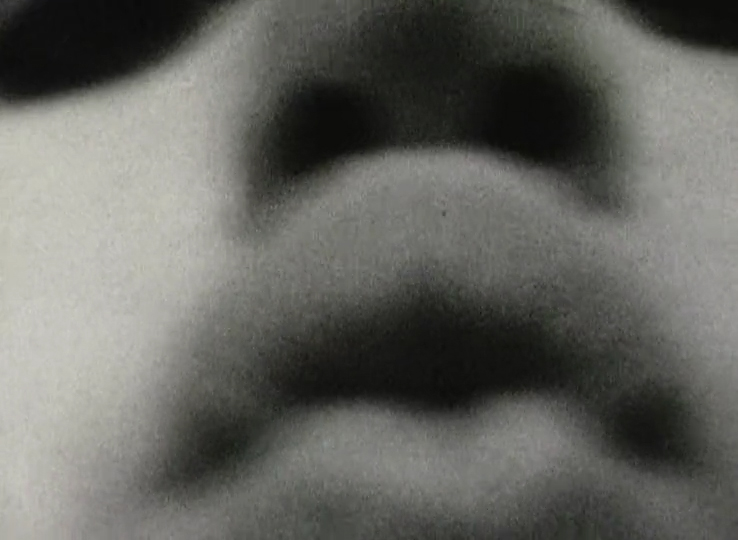
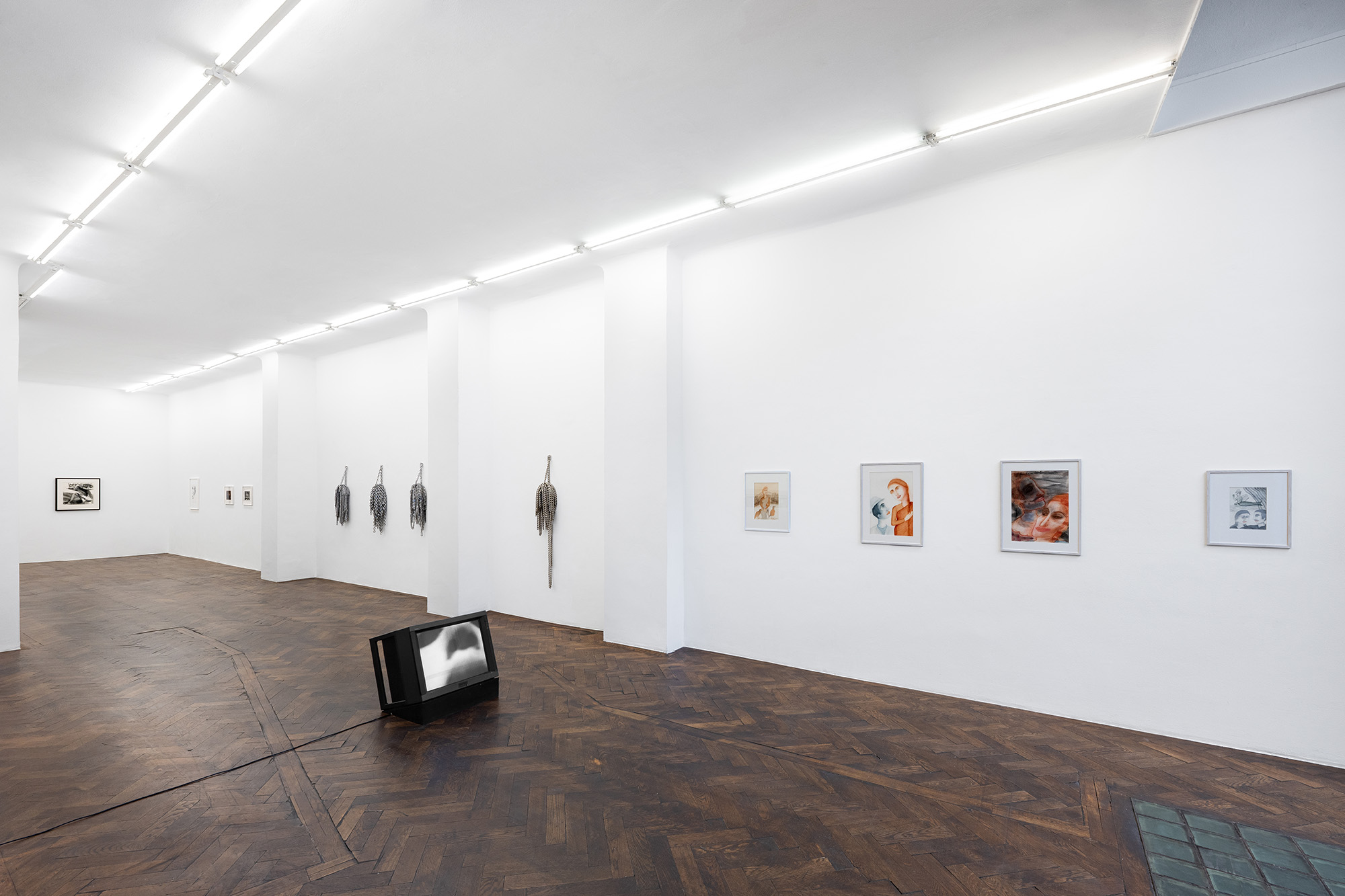
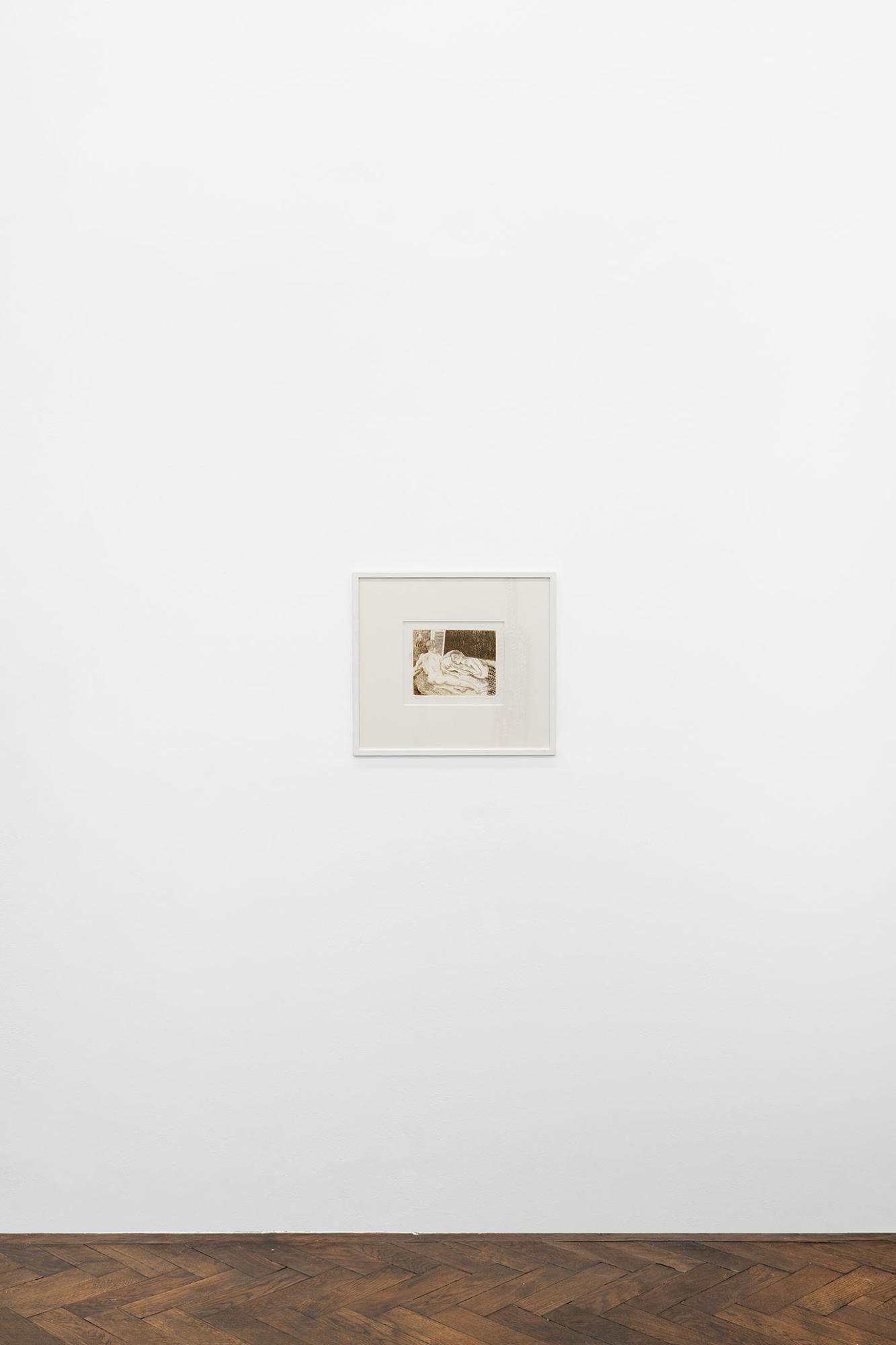
![Hudinilson Jr., Exercício de me ver II / Narcisse [Exercise of Seeing Myself II / Narcissus], 1982. Installation view, “I Am a Wanderer in My Heart” curated by Théo-Mario Coppola, Galerie Hubert Winter, 2026.](https://curatedby.at/archive/items/uploads/images/1790081262_cms_QmofwRovTM0.jpg)