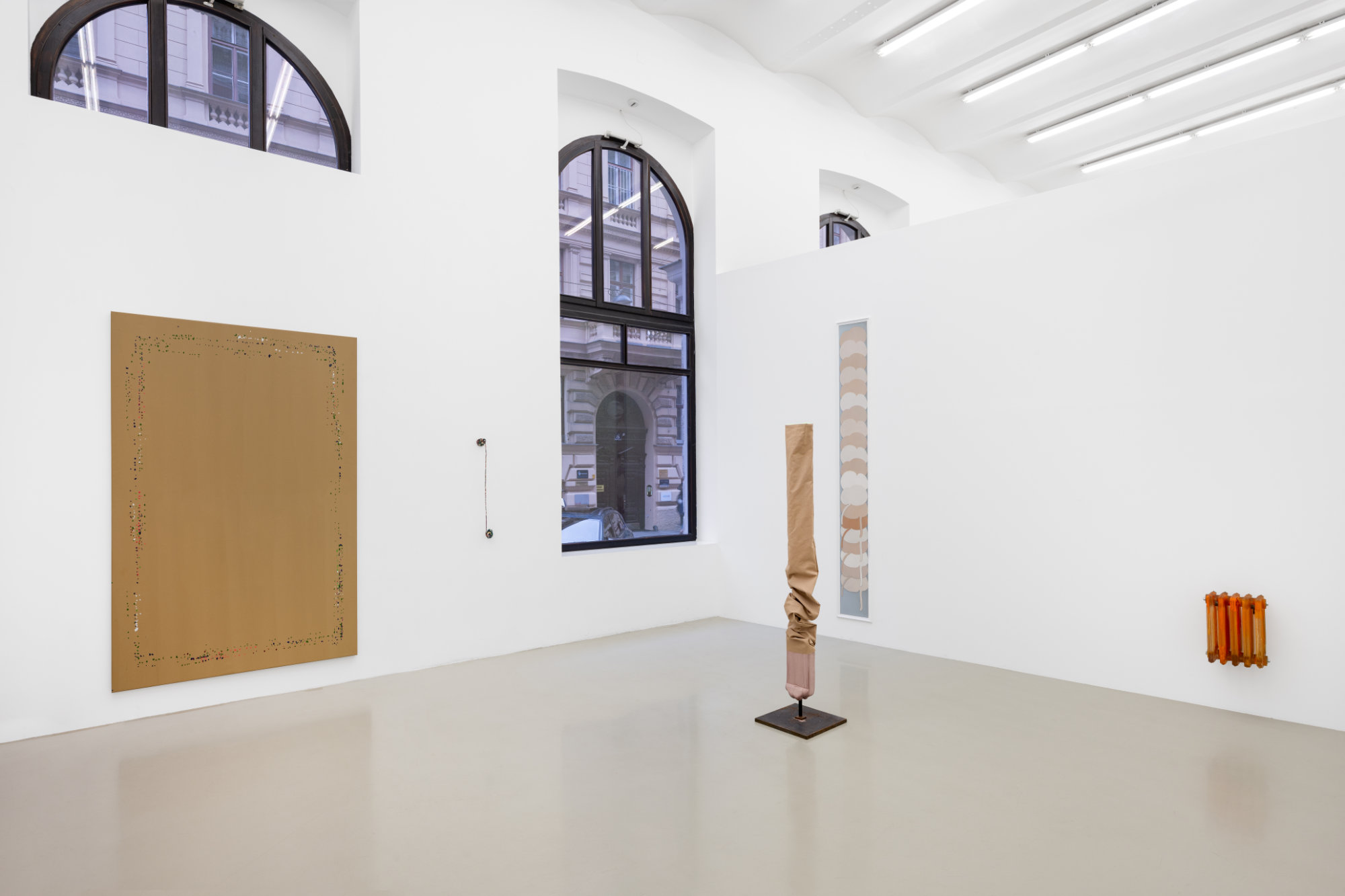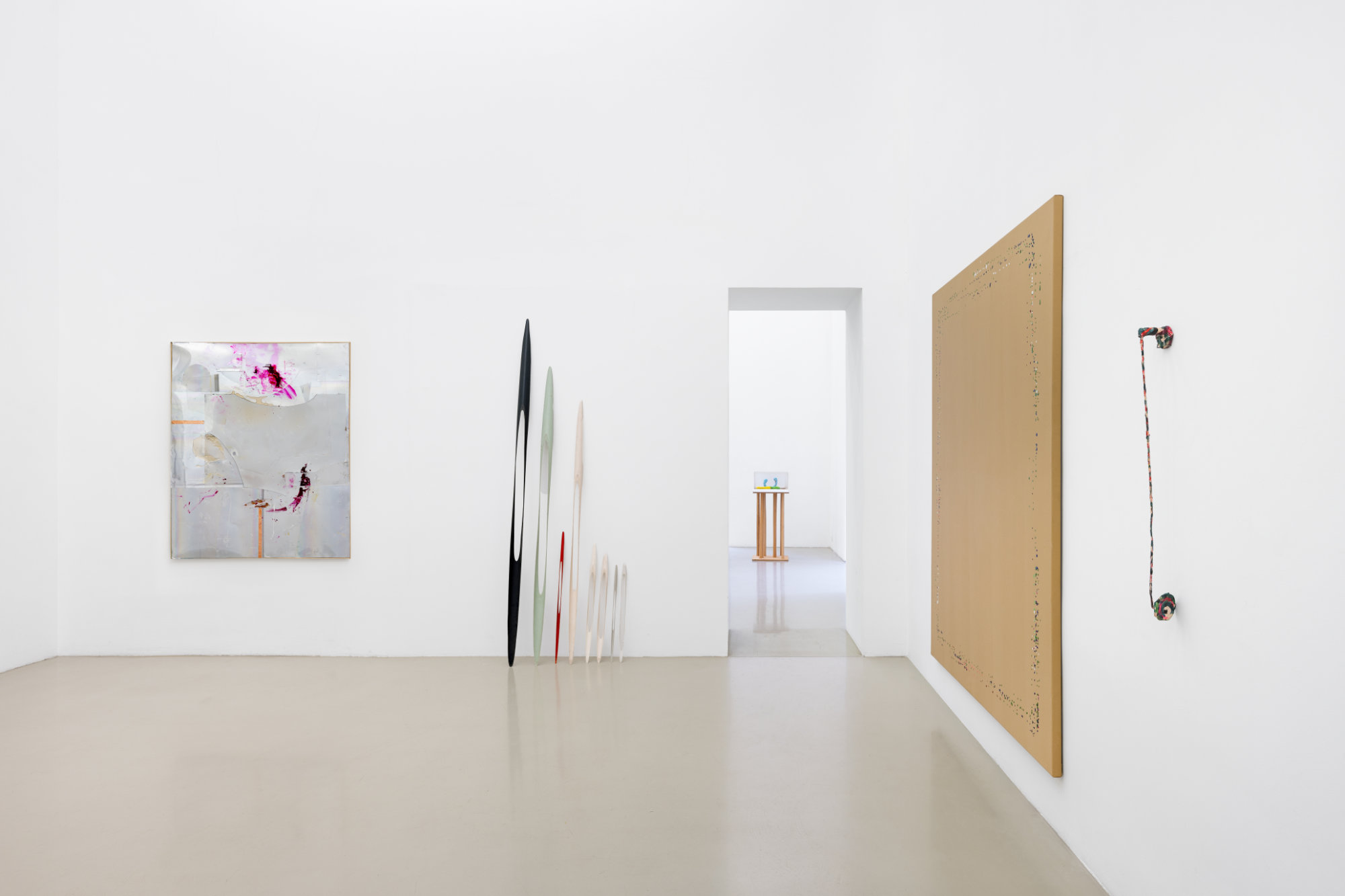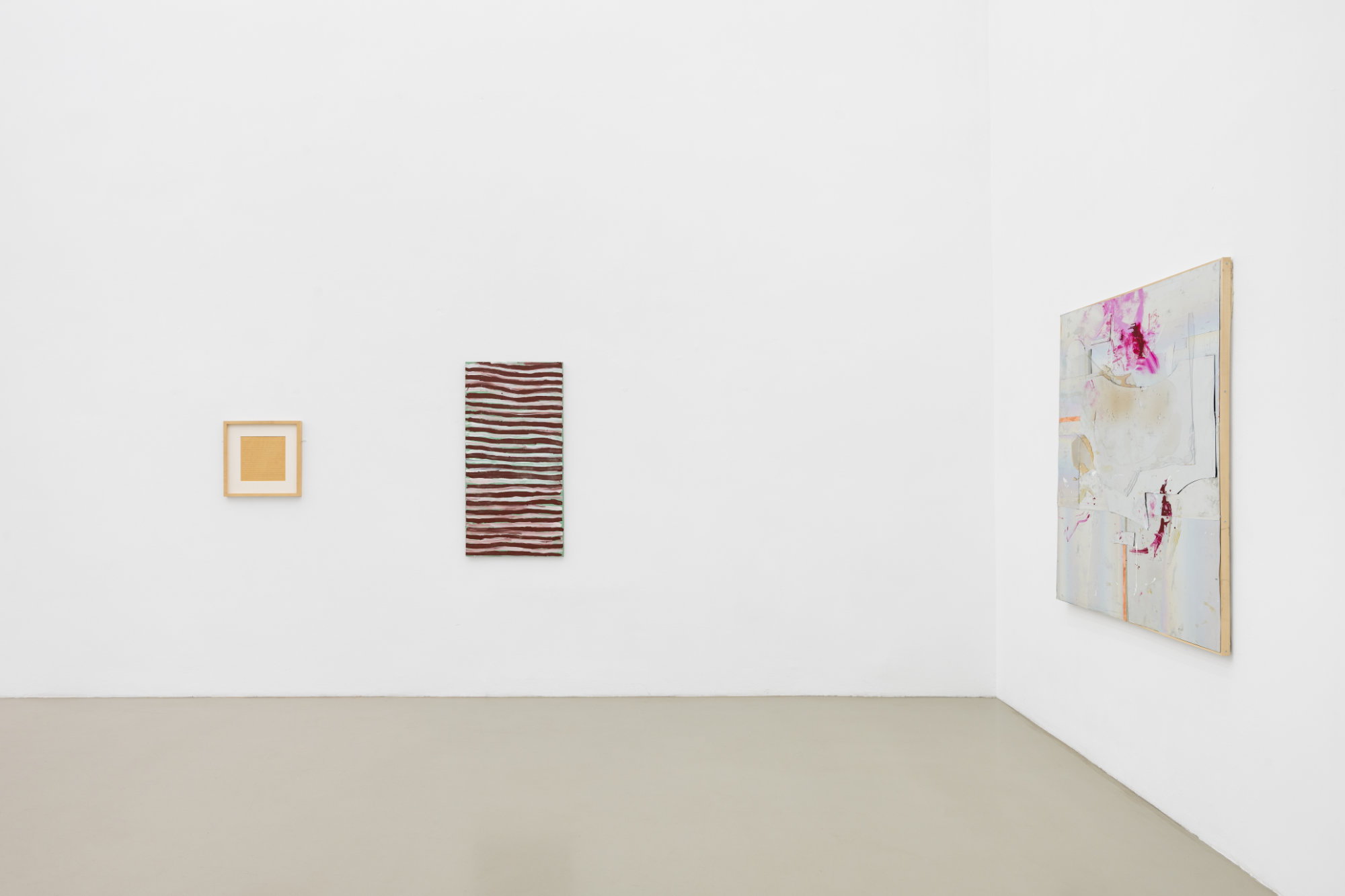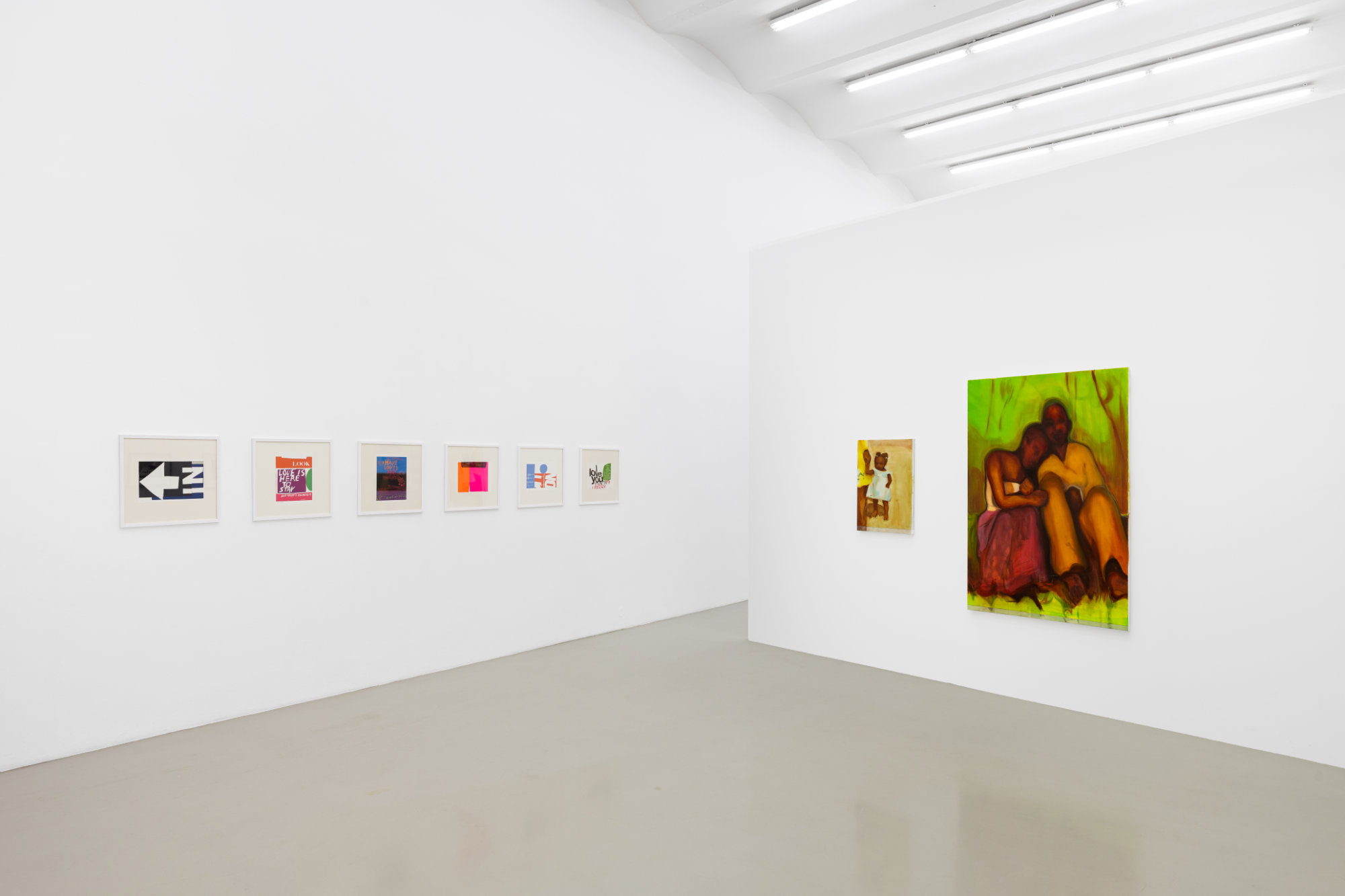




MEYER*KAINER curated by Andreas Reiter Raabe
„Side by Side“
www.meyerkainer.com
Curator(s):
Artist / Curator
Exhibitions include: Secession Vienna, PS1 New York, Villa Merkel, Esslingen, Palazzo Doria Pamphily, Valmontone, Daimler Collection, Berlin, Sydney College of the Arts, Ian Potter Museum, Melbourne, MCA Sydney, HDTS Joshua Tree, mumok Vienna, Singapore Art Museum, Inverleith House, Edinburgh, JWD Bangkok, MOCA Skopje.
Curated exhibitions since 1992, include: Melbourne Biennale (Austrian Pavilion), Galerie Fotohof, Galerie Allen Paris, Sarah Cottier Gallery Sydney, Gesso Artspace Vienna, ACF New York, De 11 Lijnen, Oudenburg, Galerie Stadtpark, Krems.
Artist interviews since 1996 with Ed Ruscha, Sol LeWitt, Daniel Buren, Louise Lawler, John Baldessari, Franz Erhard Walther, and many others.
Public talks with Franz West, Sarah Lucas, Albert Oehlen, and Laura Owens, held at, among others, the Royal Institute in London, USC in Los Angeles, and Punta della Dogana in Venice.
Teaching: Sydney College of the Arts, USC Los Angeles, University of Applied Arts Vienna, and, since 2008, at the Royal Academy in London.
Artist(s):
- Anonymous
- Hany Armanious
- Korakrit Arunanondchai
- Gernot Bubenik
- John Currin
- Tacita Dean
-
The artist collective gelatin employs humor, provocation, and disgust to challenge societal values. They fuse excrement, art, and gold as symbols of value, taboo, and transformation. Drawing inspiration from Freud and Dada, their installations often lead into absurd, corporeal visual worlds reminiscent of Hieronymus Bosch, deliberately pushing boundaries and embracing transgression.
- Sister Corita
- Ronagorn Kerdchot
- Emily Kam Kngwarreye
-
*1985, lives in Tallinn & Vienna
- Agnes Martin
- Sikelela 'Ziggy' Owen
-
* 1970, l. in Los Angeles
- Jack Pierson
- Isa Schieche
-
* 1965, l. in Wien Vienna
- Rudolf Stingel
- Walter Obholzer
-
In the 1980s, West repeatedly turned to the material of gold, as seen in works like Freude or Idiosyngramm, which oscillate between psychoanalysis, ornament, and irony. His pieces allude to cultural, psychological, and art-historical meanings, inviting layered associations—even if they often resist rational interpretation.
-
*1958, lives in Vienna Zobernig ironically links the allure of gold with the banal. His golden chairs parody both the Rococo style and mass production. In his paintings, he uses gold and silver to disrupt classical forms with gestural abstraction. For Zobernig, the process of painting takes precedence over conveying a clear message—his approach is at once free and structured.
- Karen Kilimnik
- Rebecca Ackroyd
On painting, attention, and the space that abstraction opens
There are ways of remaining with a thing that exceeds understanding, and there exists a form of attention that cannot be measured because it produces nothing immediately useful. It does not optimise, predict or accelerate. It lingers, and allows the world to remain partially opaque, accepting that what matters most often withdraws precisely at the moment we attempt to possess it. Before interpretation, before language settles into certainty, there is the duration of looking. It is neither passive nor analytical; it resembles waiting more than knowing. A painting has always depended on this improbable interval: the suspension in which recognition hesitates, where perception continues after identification has already concluded. It is within this hesitation that images acquire density – not through what they depict but through the strange persistence with which they continue to accompany us.
There are also forms of knowledge that diminish the world. Every answer closes a door; every definition establishes a boundary. Our time excels at this operation, transforming forests into resources, faces into data, attention into currency, memory into storage, culture into content. The unknown is treated as an engineering problem, ambiguity as a temporary malfunction awaiting resolution. Yet the world has perhaps never asked to become transparent. Art has always belonged to this resistance – not because it refuses knowledge, but because it understands another kind of knowing. Perhaps beauty has never belonged to objects at all – perhaps it exists only in the relation between bodies and forms, appearing briefly whenever attention exceeds function. Perhaps beauty has always depended on this paradox. It invites proximity while refusing possession; it promises intimacy without abolishing alterity. It gathers without collapsing difference. Without distance there is only projection.
A surface accumulates gestures that can no longer be separated from the bodies that produced them, even after those bodies have disappeared. Every layer contains another decision, another revision, another refusal to arrive too quickly. What appears immediate is often the sediment of countless returns. A painting is never simply an image. It is evidence that another relation to existence remains possible. Colour refuses the economy of information; a surface records not only gestures but durations, hesitations, returns. A painting does not explain the world – it renders it inexhaustible. Perhaps this is why the greatest works never become familiar. One does not finish seeing them, because they refuse to become facts. The history of painting is therefore less a history of images than of persistence – the history of repeatedly insisting that something fragile deserves material form. The icon, the monochrome, the landscape, the diagram, the portrait, the ornament, the abstraction: each proposes a different economy of attention, a different threshold between presence and absence. Their differences matter, yet beneath them lies a shared conviction that seeing is never merely optical. Vision always carries memory, desire, projection, ideology, intimacy. Perhaps this is why painting continually exceeds itself. It migrates into architecture, into textiles, into language, into sculpture, into choreography, into the organisation of space itself.
To look at a painting – truly look, not merely recognize – is already to have surrendered the fiction that seeing is something we do to a world held apart from us; the eye that meets the canvas finds itself met in turn, caught up in a gaze that no longer runs in one direction only, so that the work seems, impossibly, to be looking back. This reversal asks something of us that resembles less an act of comprehension than an act of giving: for what is attention, at its rarest and purest, if not a kind of generosity – the willing suspension of the mind’s hunger to explain, so that the thing before us might, for once, disclose itself on its own terms rather than ours? It is a small, deliberate death of the self. The brooding self dissolves; there is, for an instant, nothing but the seeing. This is not a suspension of thought so much as another mode of it, one that does not calculate nor seize and does not demand that mystery resolve itself into fact, but lets be – patiently, without grasping – what exceeds our capacity to name. And perhaps this is why abstraction unsettles and rewards us in equal measure: stripped of a recognizable object, offering nothing to solve, it refuses the mind its usual alibi and asks instead for the rarer discipline of remaining, unirritated, inside uncertainty itself – of dwelling among doubts and half-lit meanings without reaching after the false comfort of an answer. It is the same discipline love asks of us, when it is honest: not to resolve the other person into something known, finished, safely categorized, but to keep meeting them as one meets a work that watches back – unfinished, resistant to paraphrase, worthy only of that rarest form of generosity we call attention.
Our contemporary condition increasingly replaces encounter with targeting. Before we discover what we seek, systems anticipate it; desire arrives preformatted, preferences calculated in advance, attention continuously redirected towards measurable outcomes. Algorithms promise perfect visibility, images circulate faster than experience itself. Nothing should surprise us for long. Prediction replaces encounter, efficiency replaces contemplation and even imagination risks becoming a branch of logistics. What disappears under these conditions is not beauty. It is wonder. Wonder requires opacity – the possibility that another person, image, landscape or thought might forever exceed our grasp. Without this excess there is no encounter, only confirmation; no culture, only consumption; no imagination, only preference.
What if we imagined the possibility of another condition, one in which precision could coexist with soul, where reality exceeded the facts through which it was described. The world becomes bearable not because it offers meaning, but because human beings continue creating forms that answer its silence without denying it. In an age governed by frictionless circulation, where images arrive detached from duration and disappear before memory has formed, slowness begins to acquire unusual significance. The exhibition does not oppose technological vision, nor does it retreat into nostalgia. It insists on another rhythm, one in which repetition becomes method rather than redundancy, in which surfaces demand proximity instead of consumption, in which meaning accumulates through return rather than revelation. This return should not be mistaken for certainty. Nothing here resolves into a unified language. Forms drift between vulnerability and confidence, restraint and exuberance, precision and accident. Histories overlap without collapsing into chronology. Spiritual traditions encounter popular culture. Collective memory intersects with private mythology. Craft refuses to distinguish itself from concept. Seriousness remains inseparable from play. Beauty emerges somewhere within these crossings. Not as harmony, but as resistance against indifference. Not as perfection, but as a particular intensity of presence. Not as an aesthetic category, but as the moment in which the world briefly exceeds its own utility.
Nowhere does this excess become more legible than in conceptually reduced fiction (konzeptuell reduzierte Fiktion), because abstraction opens up the possibility to introduce the idea that there is no single narrative or simple explanation, but rather that it (art) carries an atmospheric quality that resists explanation – and it is often exactly the thing that cannot be accounted for that gives a work its hold on us. It is the impossibility of that task that the work actually locates. That impossibility is not a failure. It might be the goal.
As Agnes Martin put it:
„I am simply painting concrete representation of abstract emotions such as innocent love, ordinary happiness. I do want an emotional response. And I paint about emotions, not about lines. The truth is that it’s not the lines that express the emotion. […] It’s the space between the lines that counts.“[1]
This is why abstraction becomes, the closer one looks, increasingly difficult to explain — and why that difficulty is not a shortcoming, but something built into the work from the start. Abstraction was never meant simply to ‘work’ the way an illustration works, because that would misdescribe what it does. But as in a relationship, it becomes visible once you look properly: a gesture meant in a certain way, can, for the person receiving it, register as something closer to its opposite, or simply as something else entirely. That gap between intention and reception is not a failure of communication. It is the condition of intimacy itself, and abstraction, again and again, stages exactly this gap.
Placed together, these practices/positions do not agree with one another, and they are not meant to. What connects them is not a style. It is the shared insistence that abstraction is a place where something otherwise unhousable – love, inheritance, devotion – can, briefly, be given room to stand. Perhaps this is what continues to draw us back to images despite every prediction of their exhaustion – not the promise of novelty, nor the reassurance of recognition, but the possibility that a surface might still transform the way a body inhabits the world. That colour might continue to think. That material might continue to remember. That looking, when extended beyond certainty, remains one of the few places where freedom is exercised without conquest. For what ultimately persists in art is neither style nor medium. It is the unwavering insistence that no person, no object, no landscape, no gesture can ever be exhausted by its function, its category or its usefulness. The mystery was always there. Art simply teaches us to recognise that it cannot – and should not – be exhausted.
“Today is a yellow day”[2]
Marie Rosa Schneider
[1]Agnes Martin, Leon d’Avigdor interviewed the artist at her studio in Taos, New Mexico, for a 2002 documentary about her life and work titled Agnes Martin: Between the Lines.
[2]Emily Kame Kngwarreye, Andreas Reiter Raabe interviewed the artist 1995 at Delmore Station NT while filming her painting.
Photos
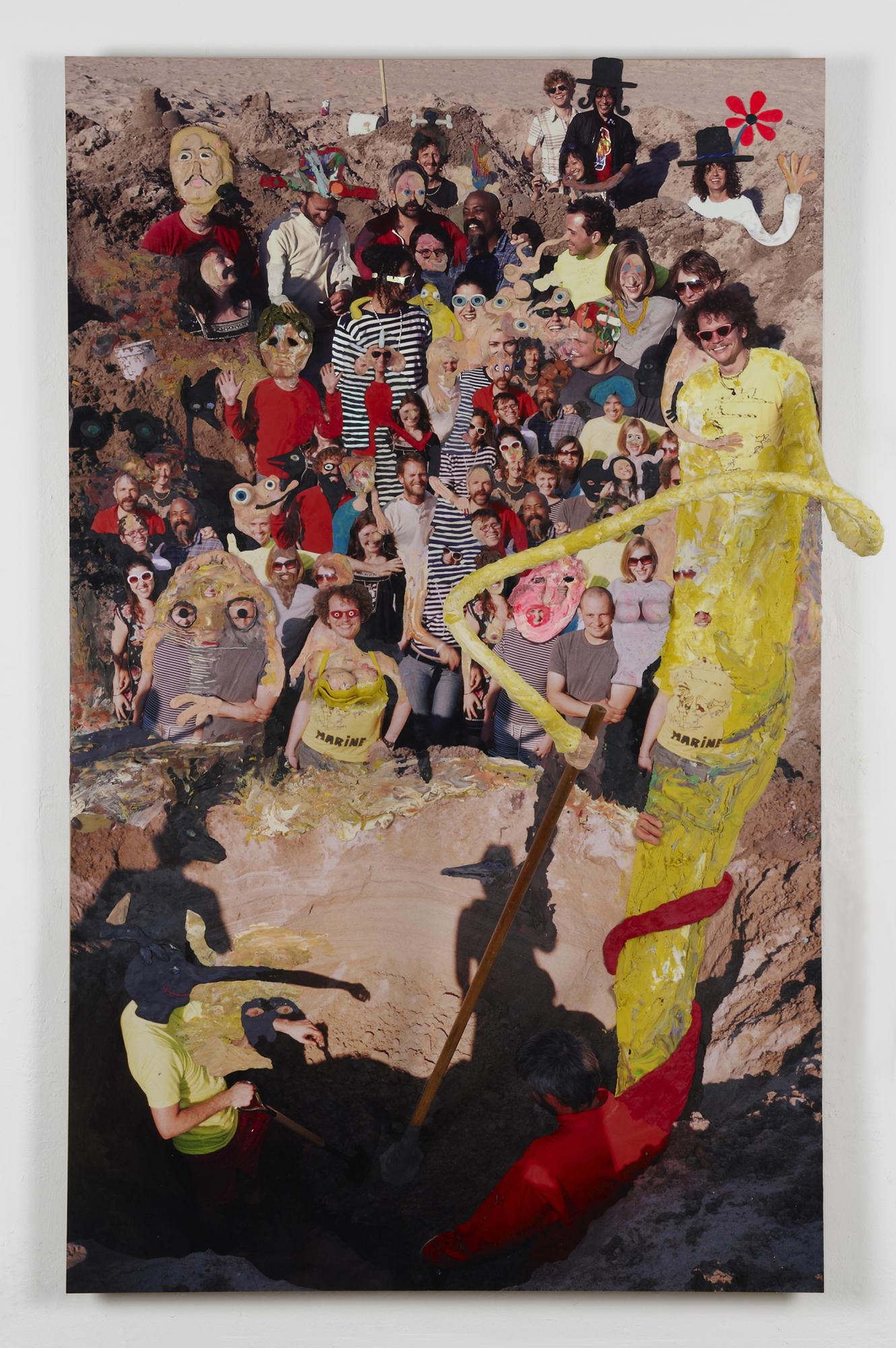
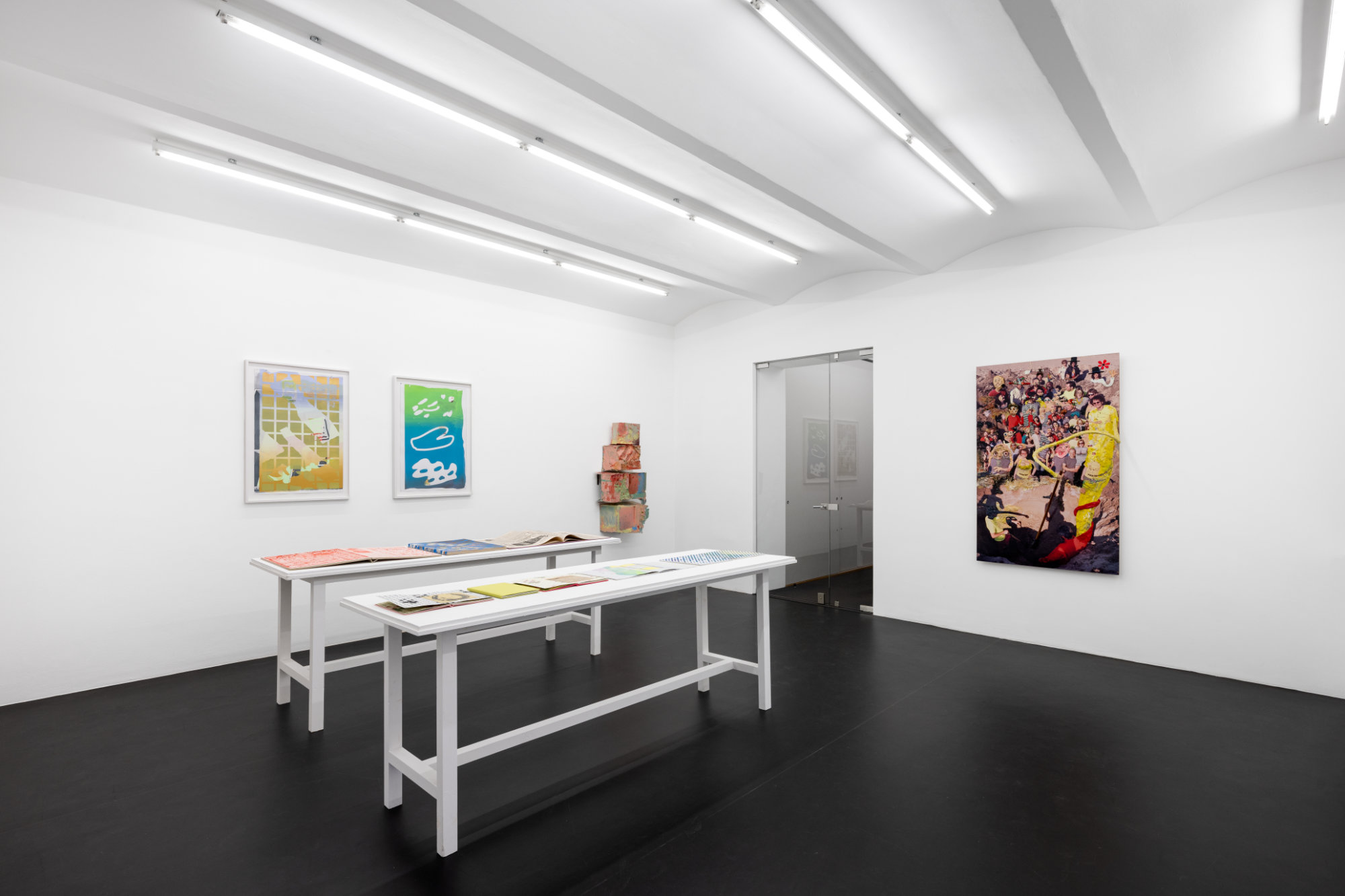
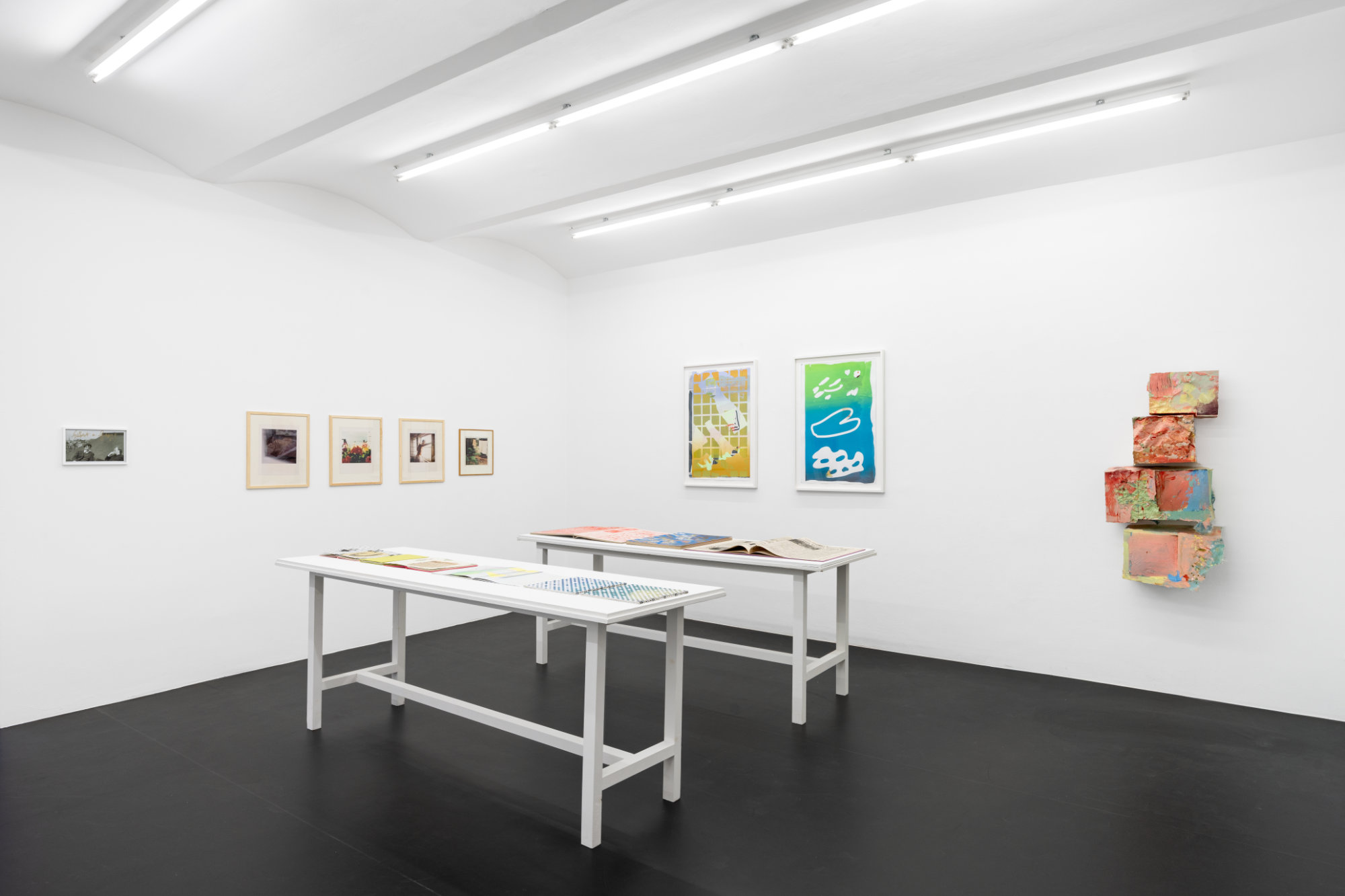
Gelatin, Voulez vous dick cunt, 2011, Plasticine, wood on photograph on wood, 170 x 104 x 30 cm
© Gelatin
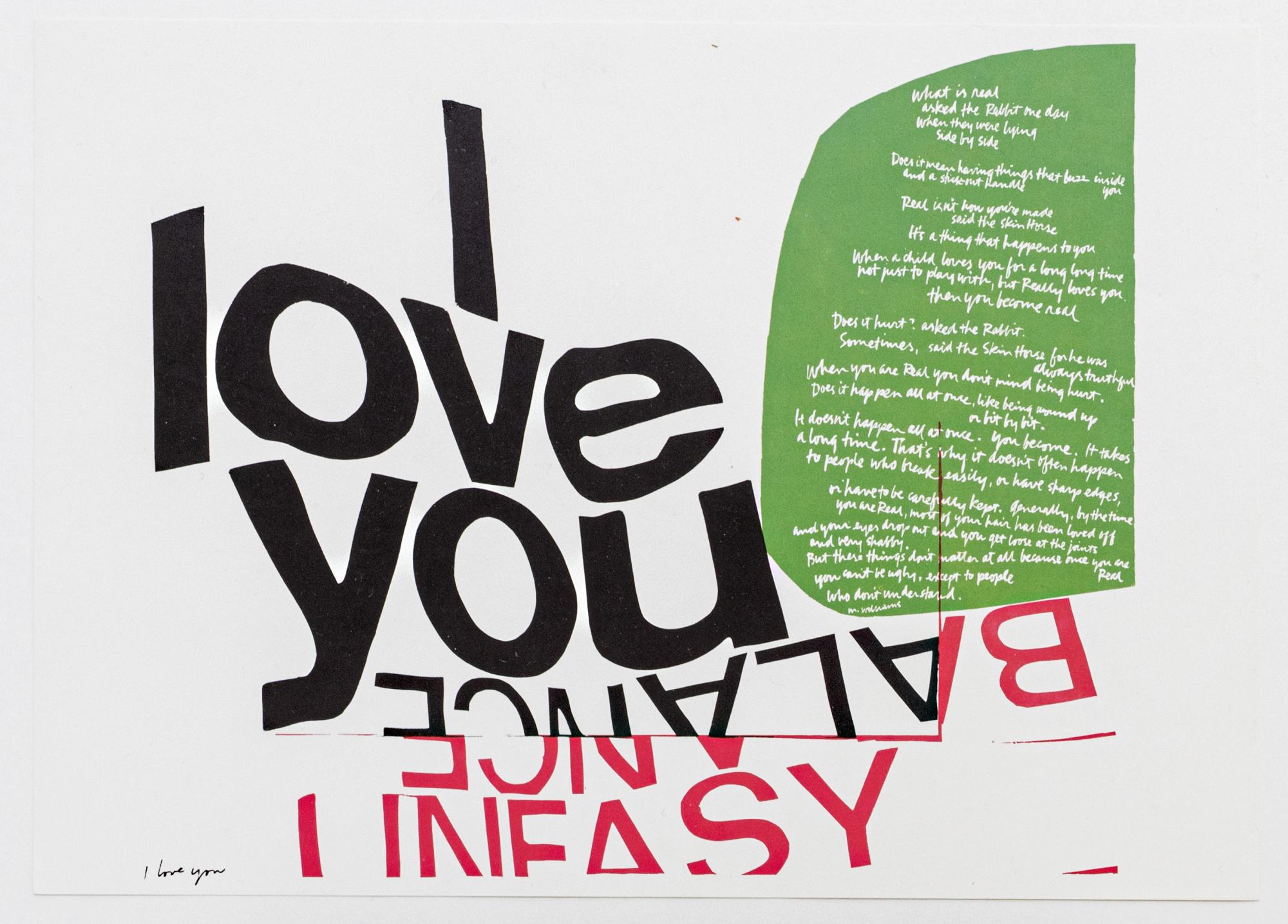
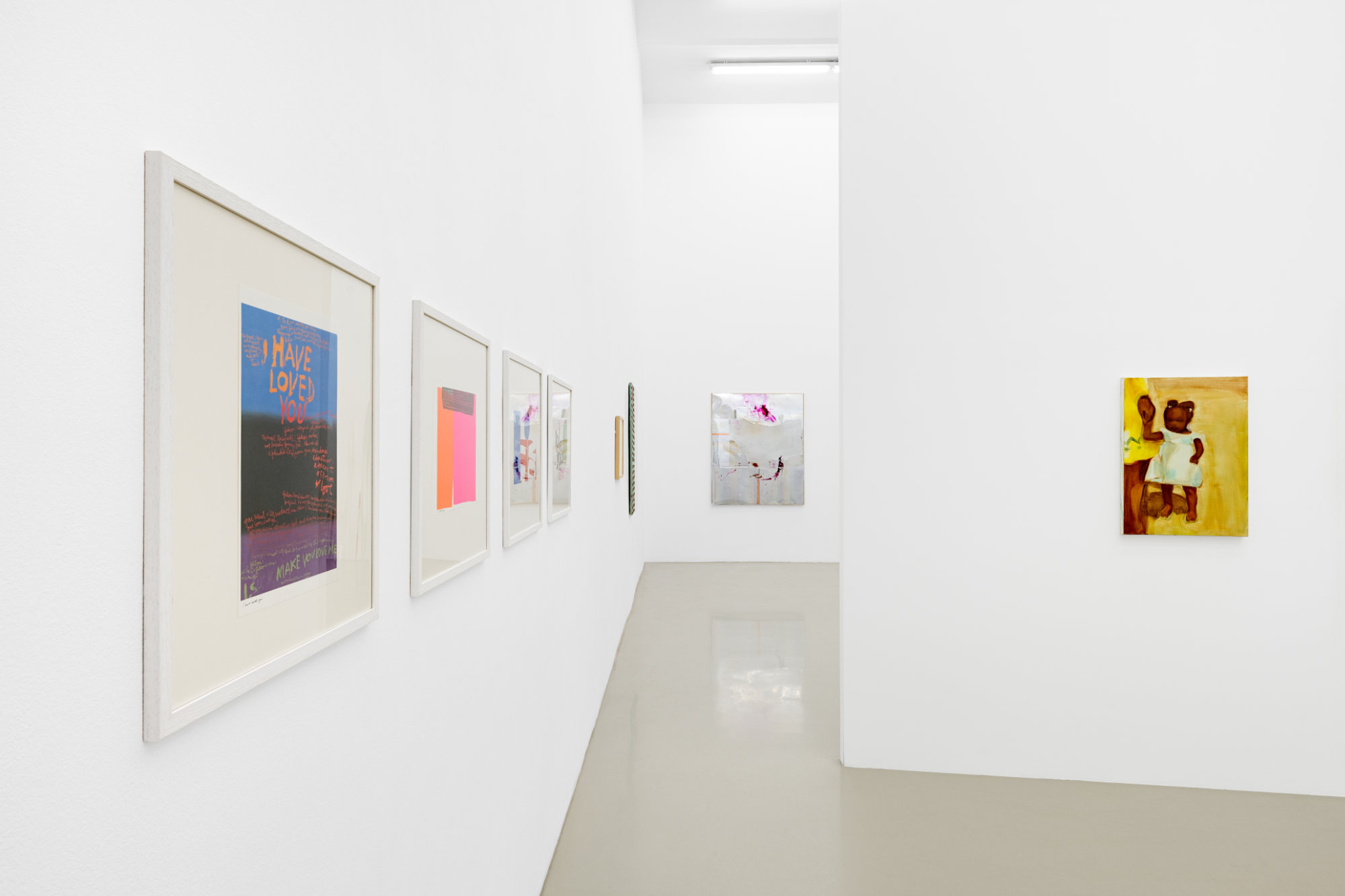
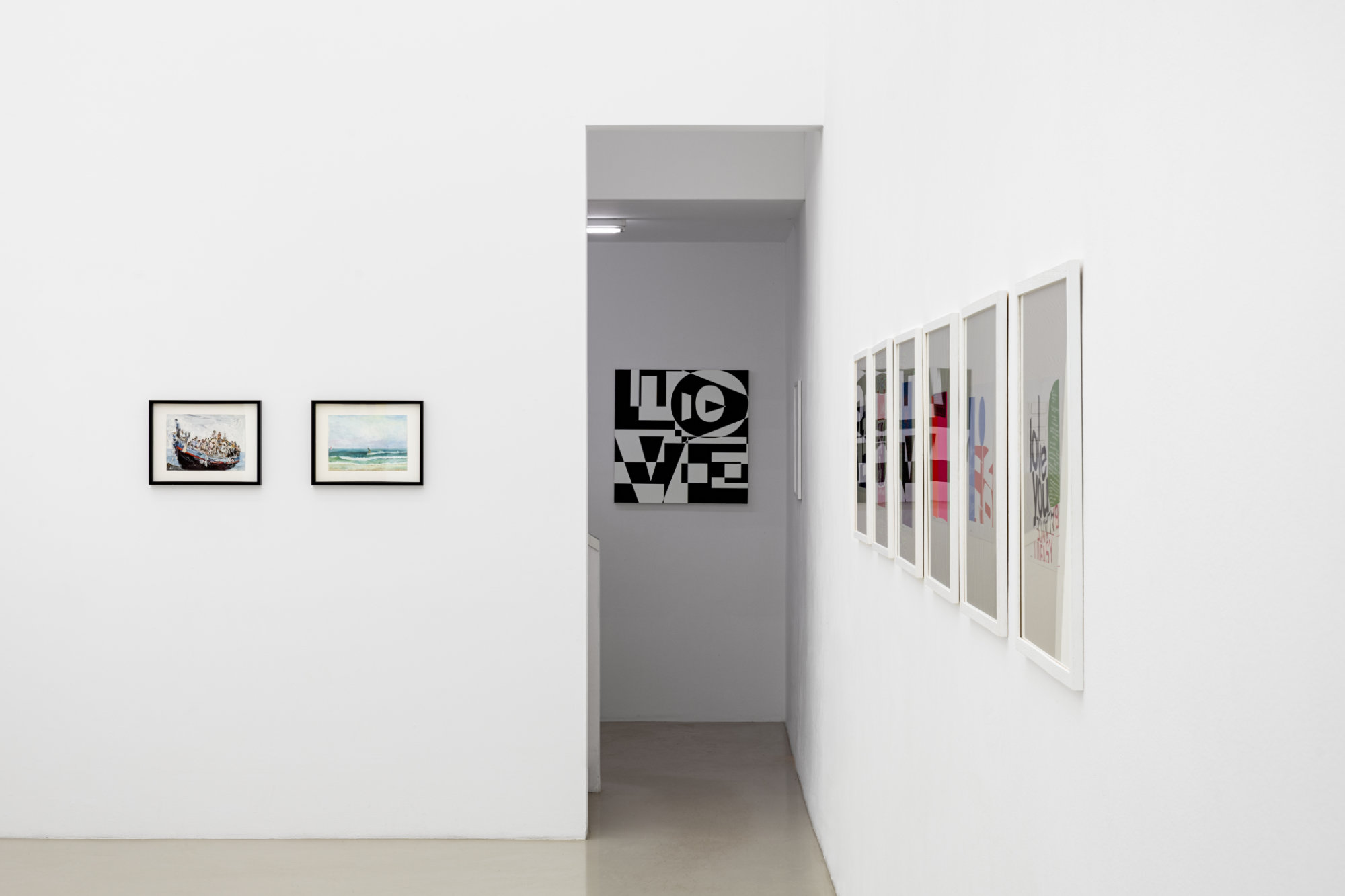
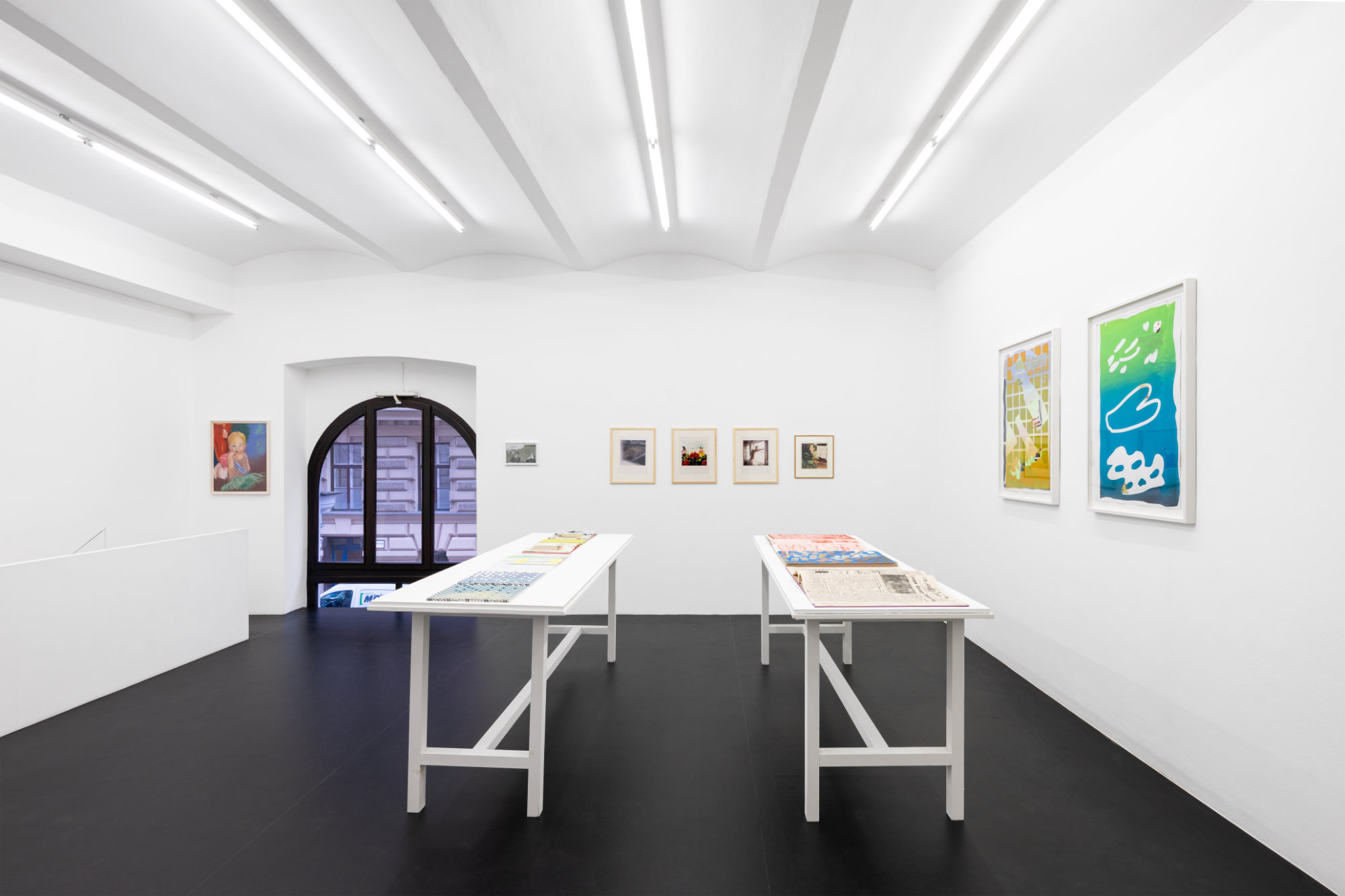
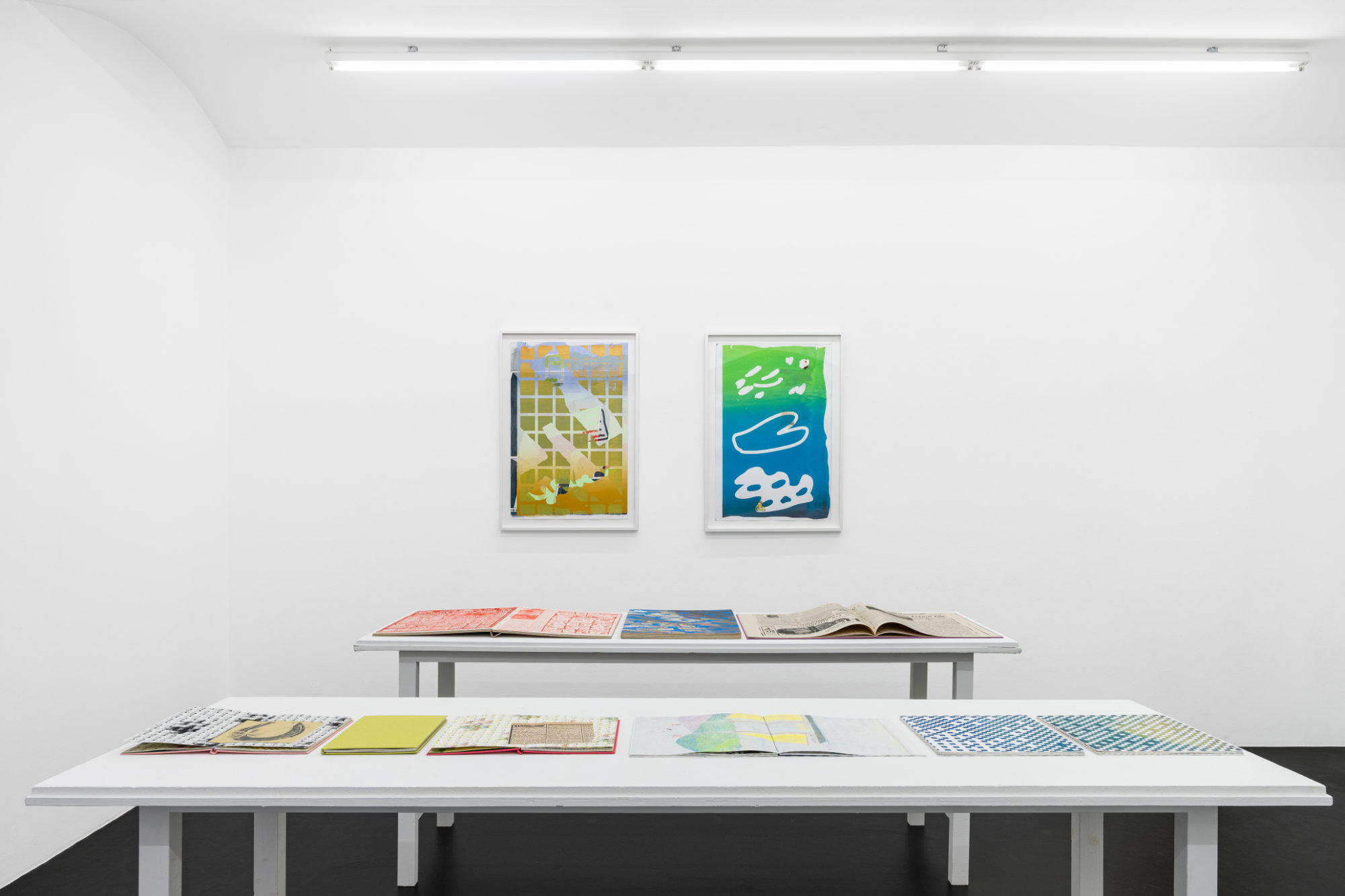
(Sister) Corita Kent, I love you, 1968, Pilgrim Press, 25.3 x 35.7 cm
Photo: Severin Koller
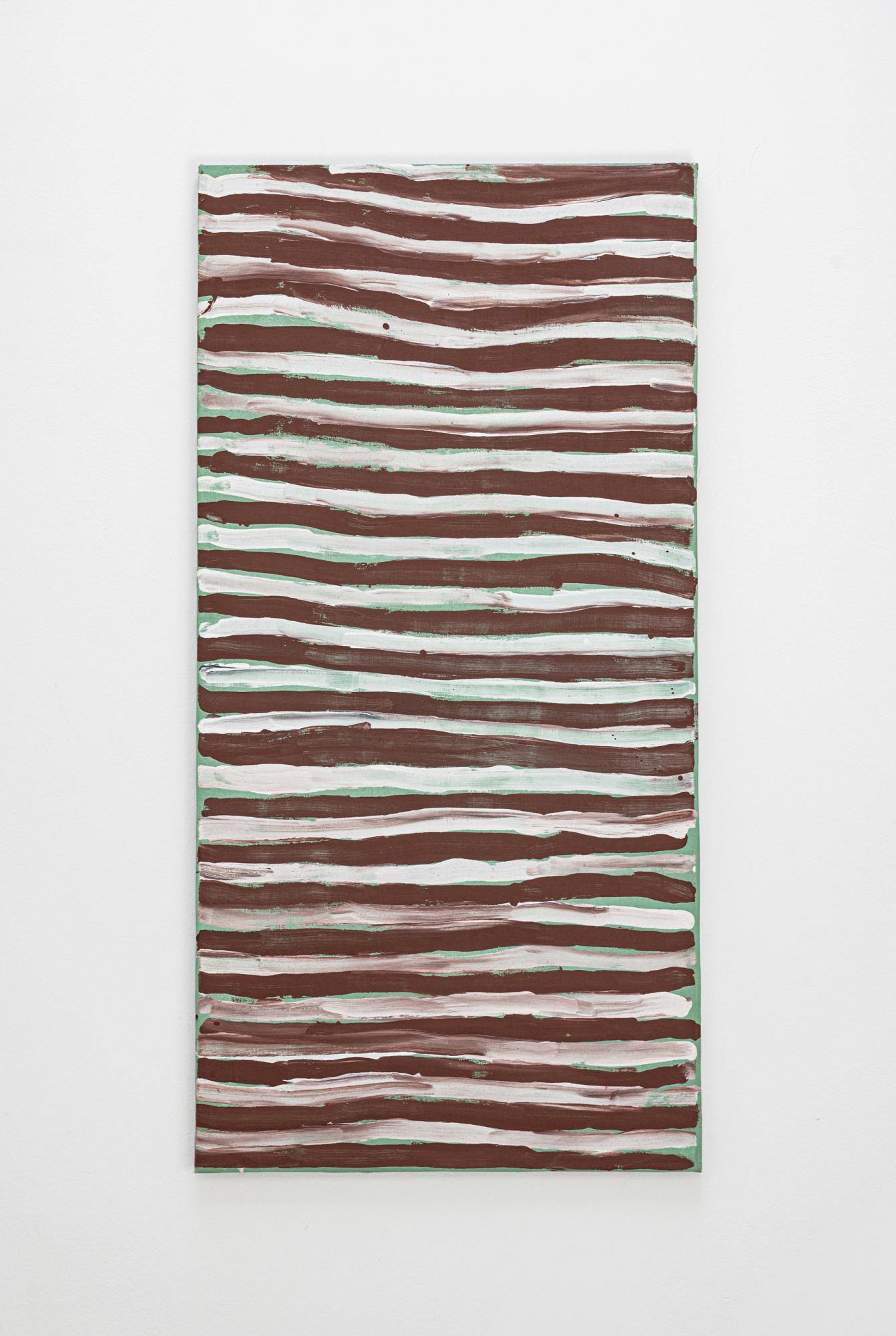
Emily Kam Kngwarrey, 1995, Acrylic on canvas, 121 x 60.5 cm
Photo: Severin Koller
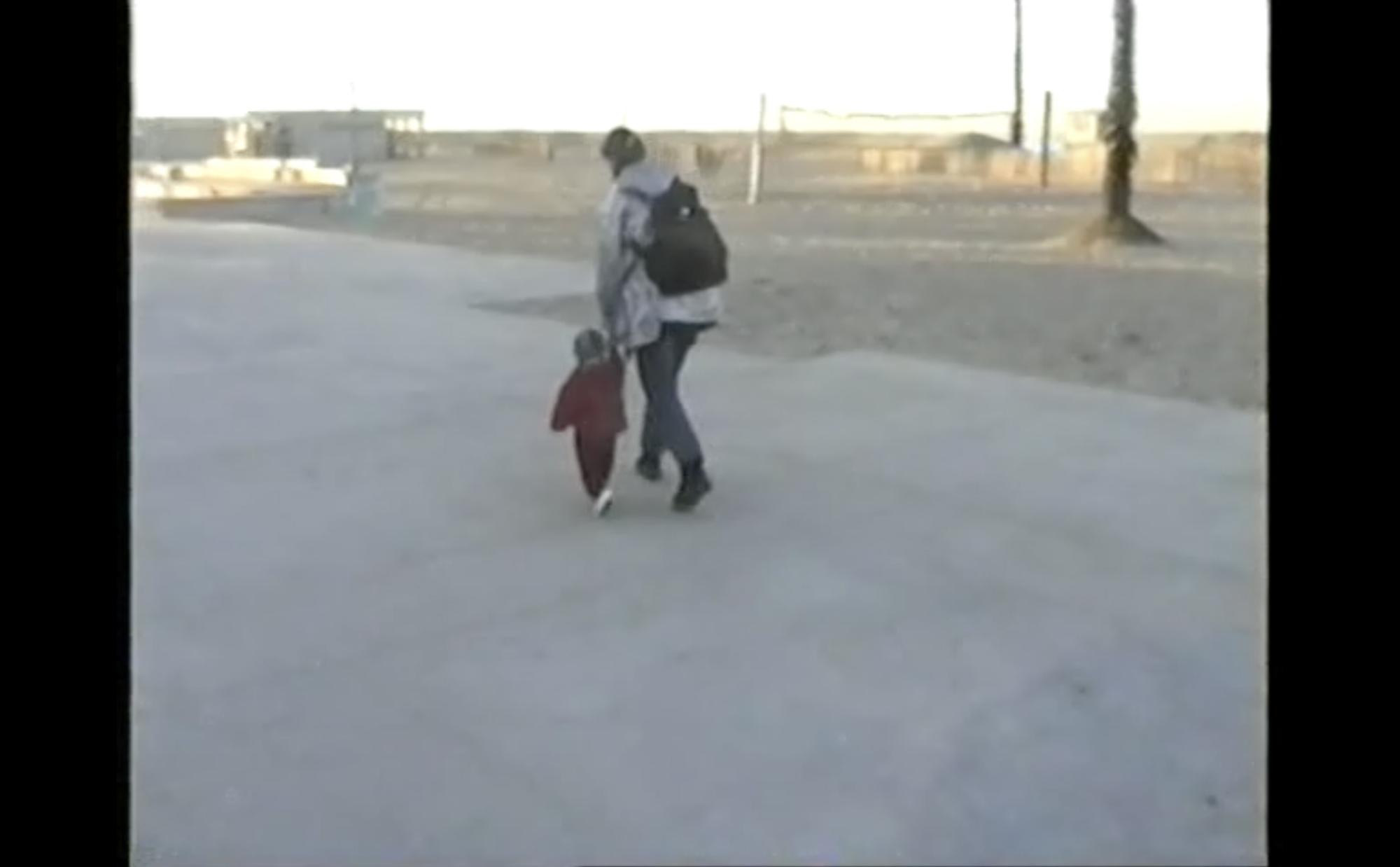
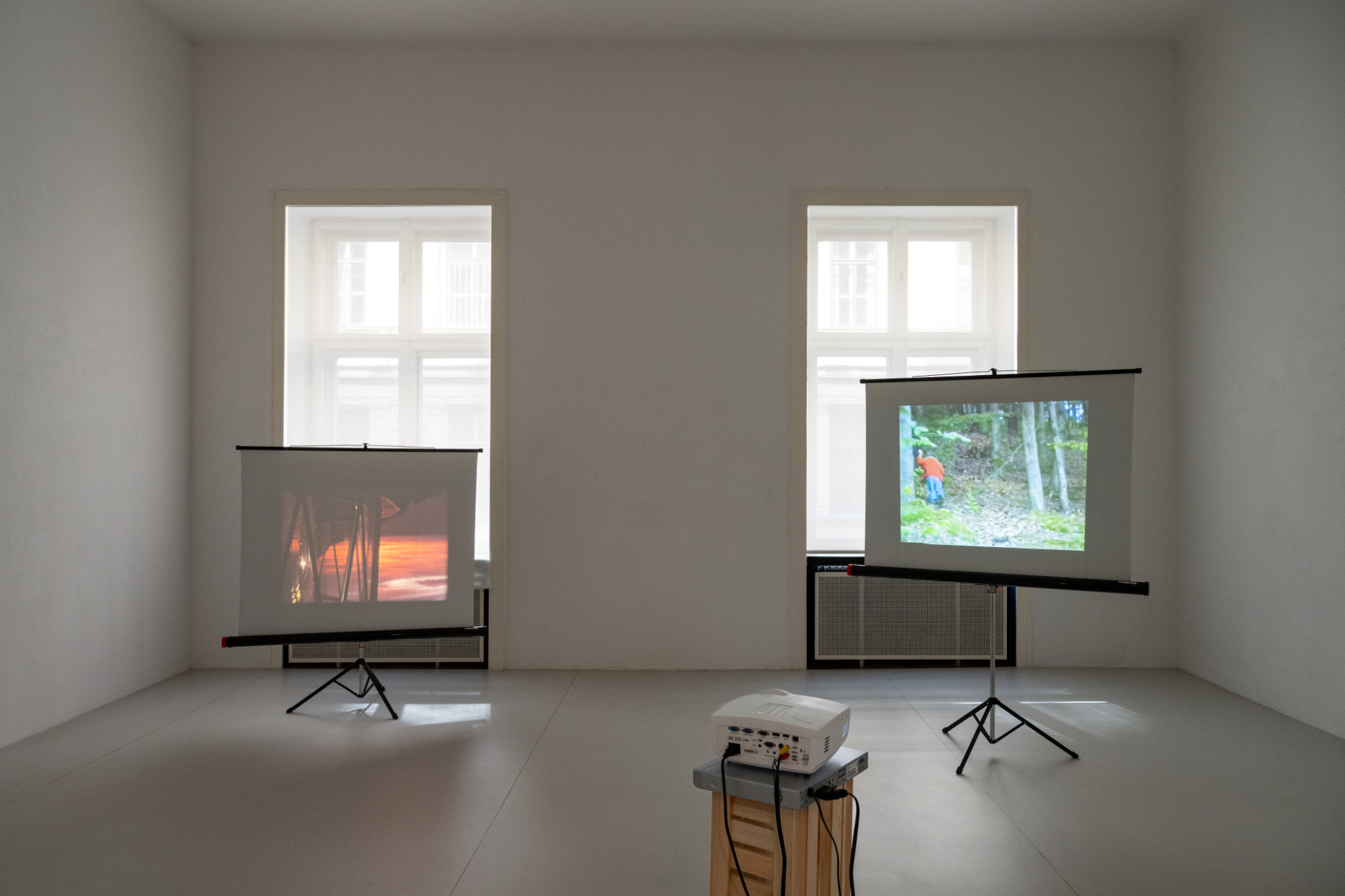
Anne Schneider, Good Luck, 1998–2005, Video, 12 min 11 sec
© Anne Schneider