



Galerie Steinek curated by Julika Bosch
„Love’s Practitioner“
www.galerie.steinek.at
Curator(s):
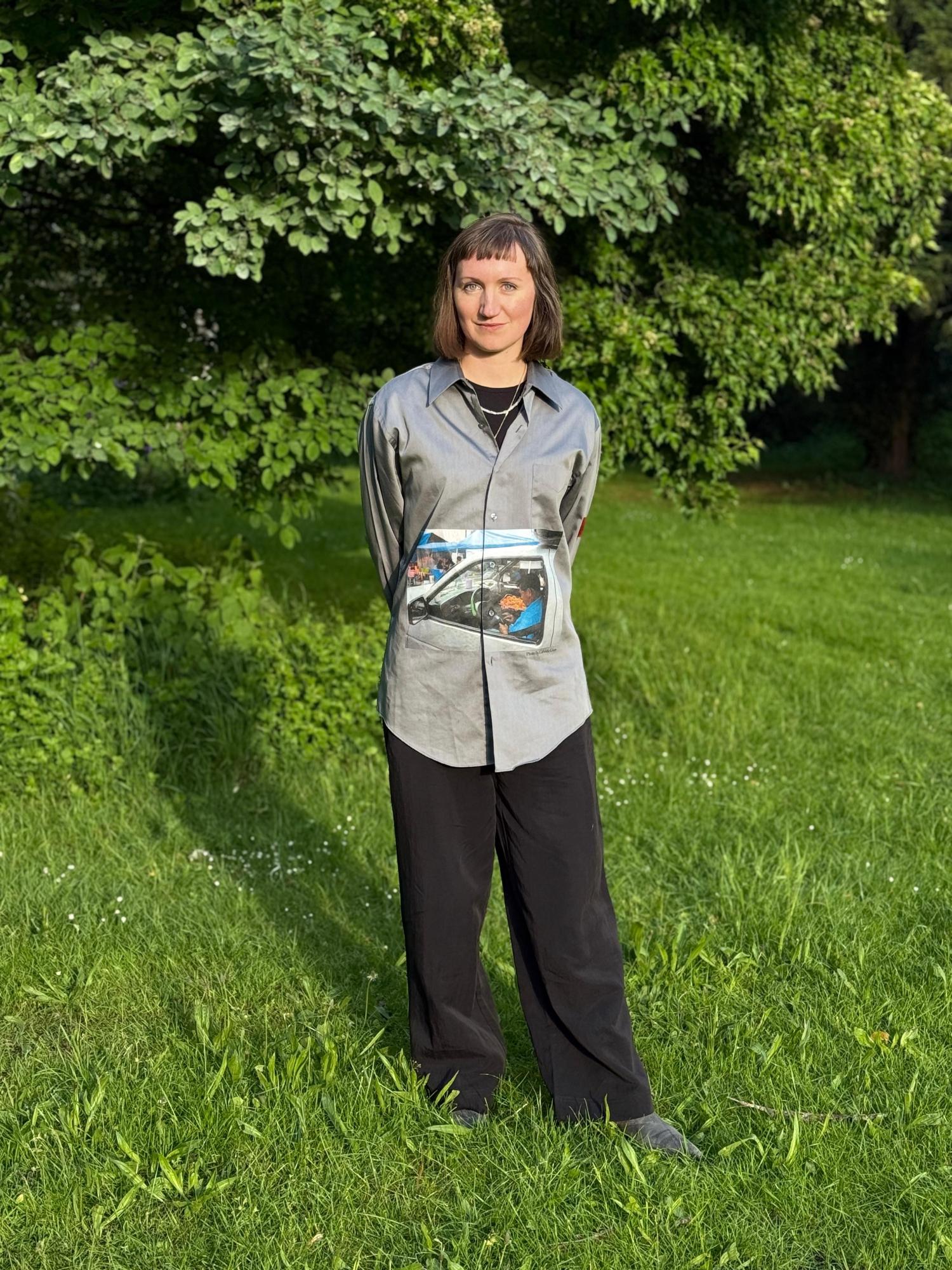
Julika Bosch lives and works in Düsseldorf. In 2026, she is curating exhibitions at VAW, Düsseldorf, and initiating a project for the 70th anniversary of the Schwimmoper, Wuppertal: Together with Vincent Stange, she is developing a "Schwimmoper" (“Swimming Opera”) in the community pool which carries the same name, featuring artist statements, a choir, synchronized swimming, and sound above and below water.
From 2021 to 2026, she was a curator and, from 2022, the director of the Philara Collection, Düsseldorf. There, her projects included the comprehensive group exhibition "Cutting the Puppeteer’s Strings", which explored the possibilities of action in relation to power dynamics, control, and personal freedom through puppetry, marionettes, and shadow play. The exhibition brought together artistic positions such as Jos De Gruyter & Harald Thys, Leila Hekmat, Lili Huston-Herterich, Eva Koťátková, Lap-See Lam, Wael Shawky, Mikołaj Sobczak, Kara Walker, and Dardan Zhegrova. She also presented extensive solo exhibitions featuring Phillip Sollmann & Konrad Sprenger, William N. Copley & Dorothy Iannone, Mercedes Azpilicueta, and others.
In 2020, she was commissary director (together with Lea Altner) and curator (2018–2021) at the Kestner Gesellschaft in Hanover. There, she realized the extensive solo exhibition Mother Tongue by Camille Henrot, as well as the exhibition "HOST" by Hassan Khan, among others. In 2019, Julika Bosch worked with Christina Végh and Philipp Kaiser on the exhibition "Wo Kunst geschehen kann. Die frühen Jahre des CalArts" ("Where Art Might Happen. The Early Years of CalArts"), which brought together 41 positions from the legendary founding years of the California Institute of the Arts (CalArts), including Michael Asher, John Baldessari, Carrie Mae Weems, Judy Chicago, and Allan Kaprow. Julika Bosch is the co-founder of the online journal "Kunstgeschichte und Zeitgenossenschaft" ("Art History and Contemporaneity"), has published various catalogue essays, and has written for Hyperallergic.
Artist(s):
-
*1943, lives in Vienna
- Alice Channer
-
*1982, l. in New York
- Ja Jess
-
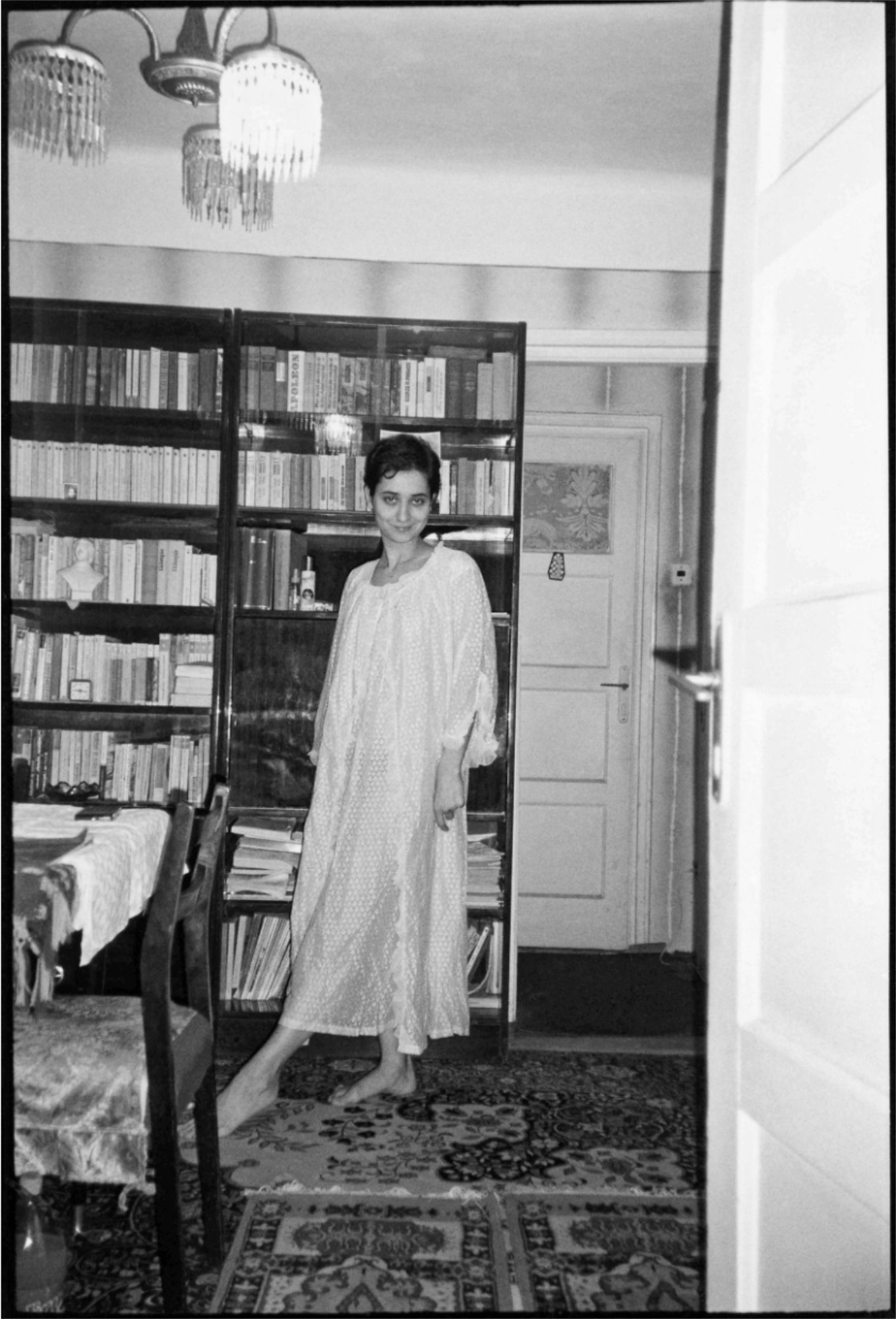
(*1957 | RO)
- Aurora Király
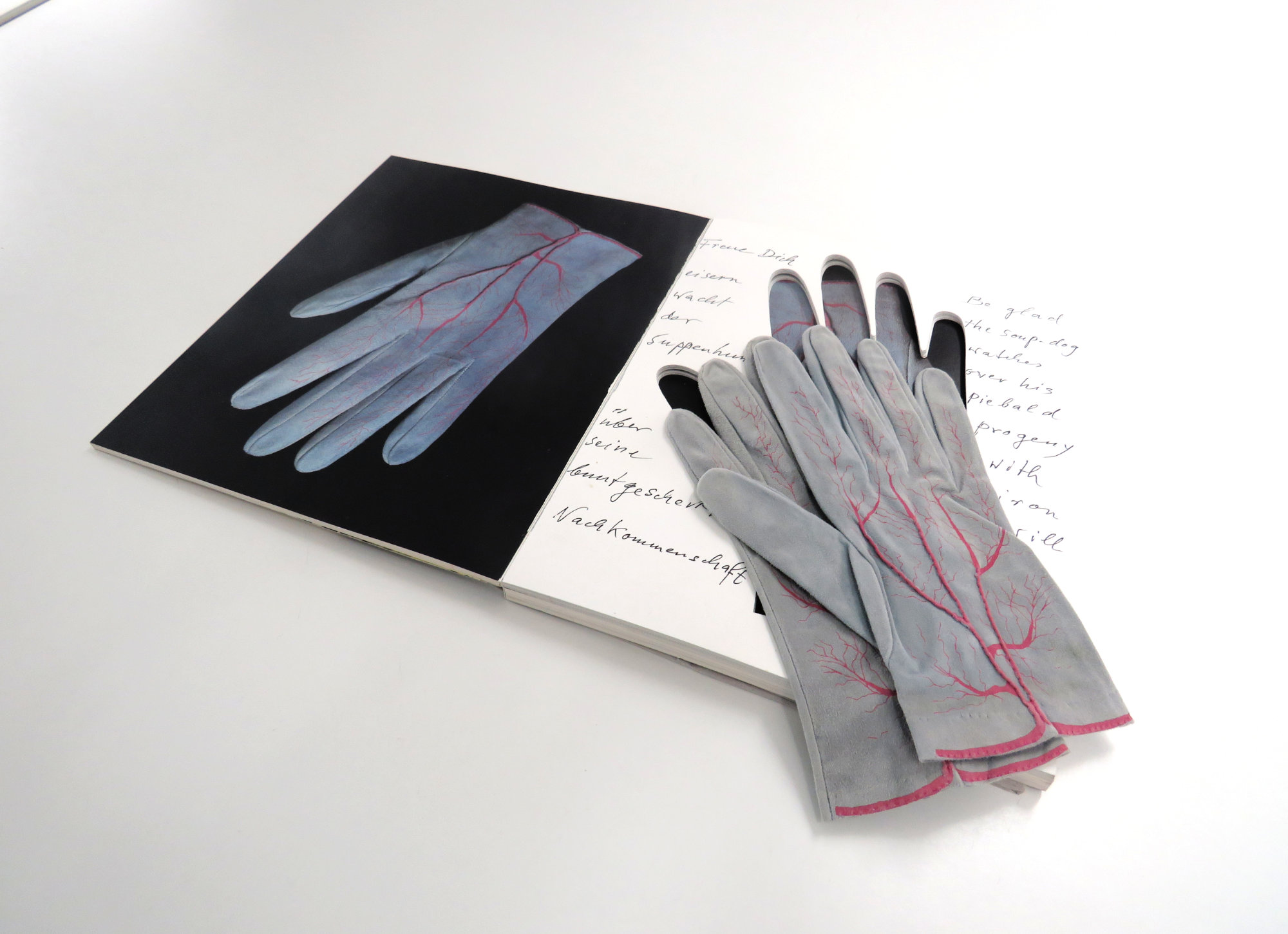
- Meret Oppenheim
- Sarah Pucci
- Haiqing Wang
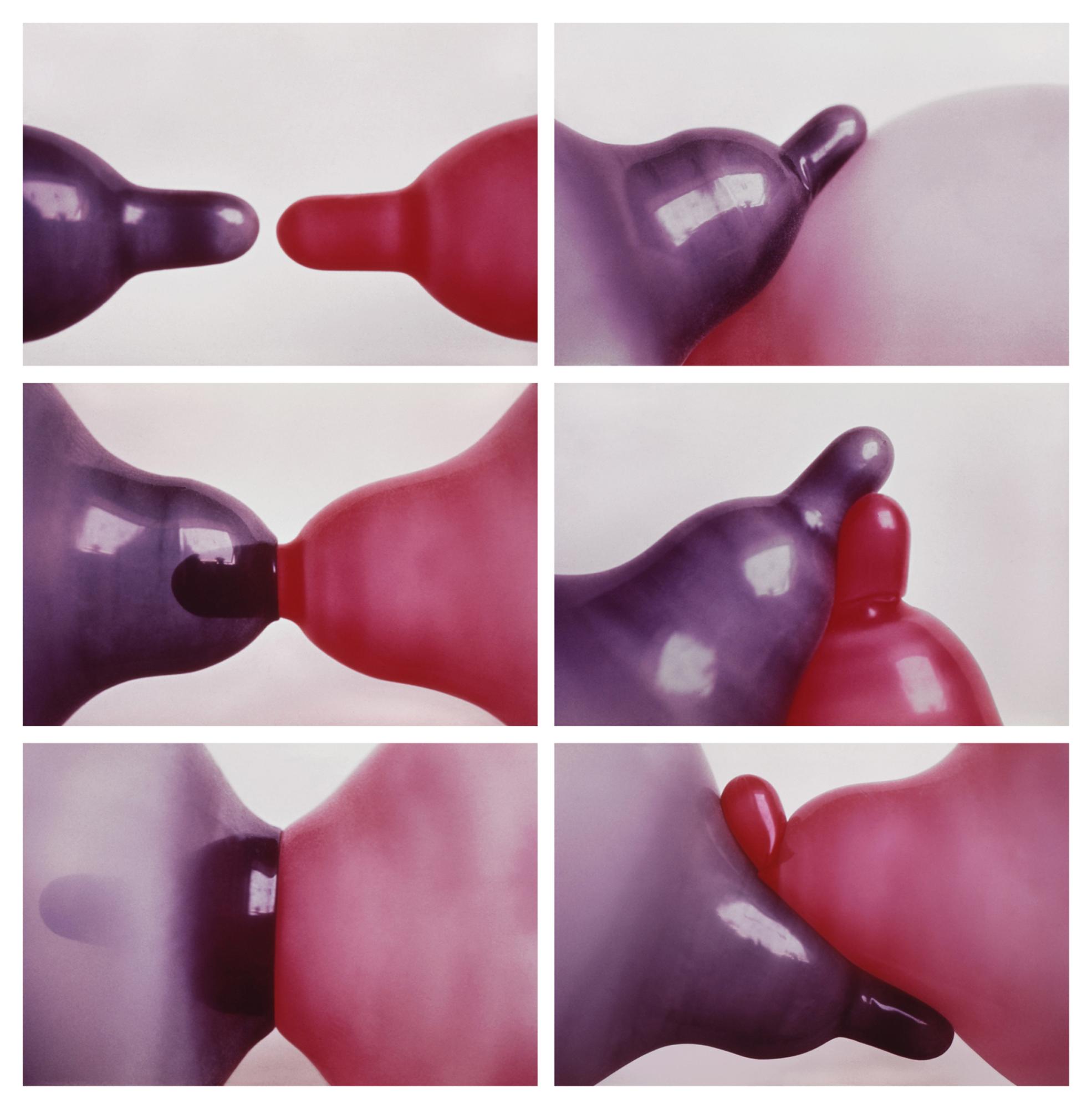
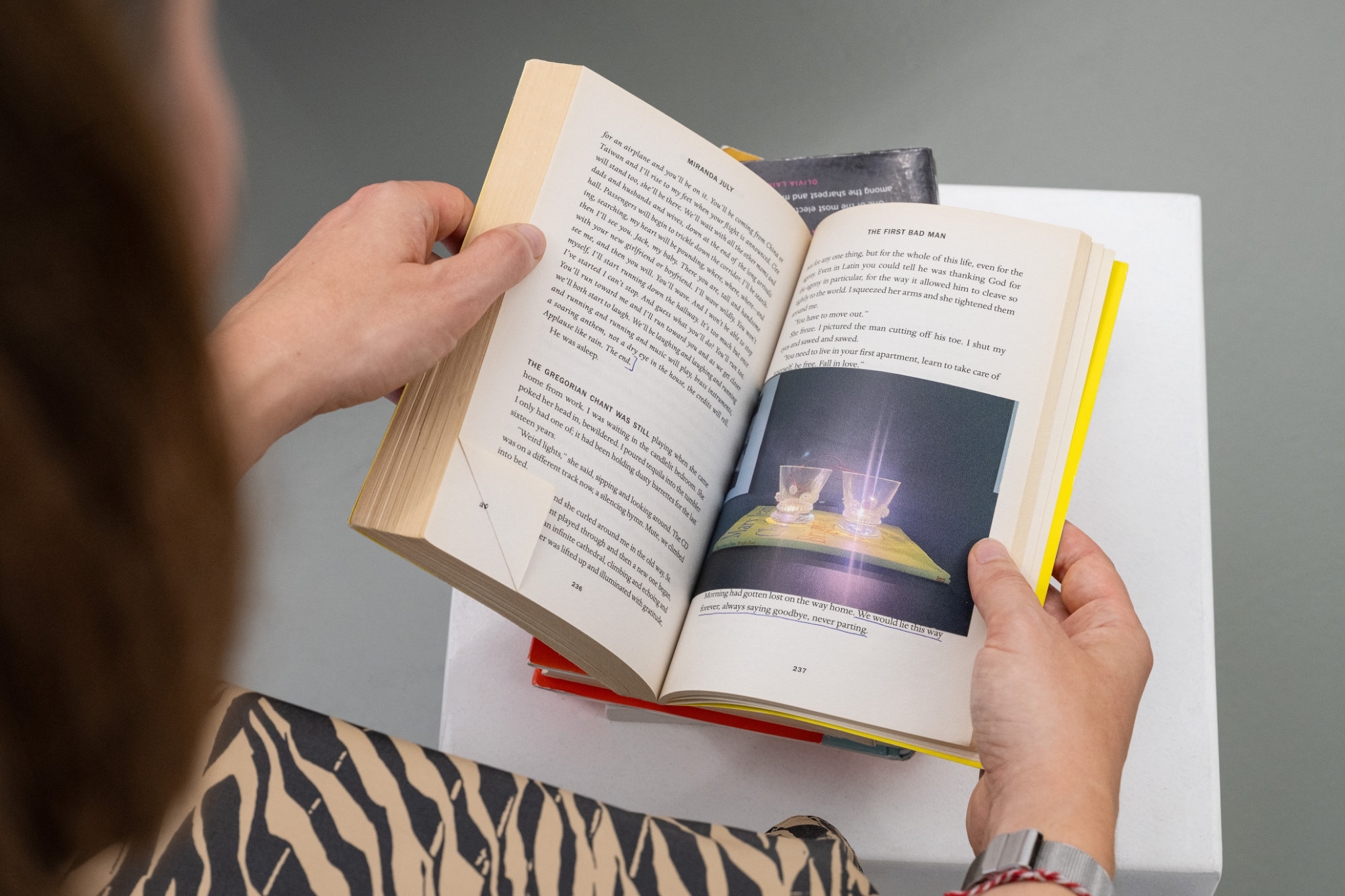
The exhibition Love’s Practitioner brings together works by several generations of artists who explore emotional bonds and love as an active connection with others, as well as extension of the self through others. In this context, love is regarded as a physical and mental process of attunement to and with others: it is understood as a continuous act of care that nurtures and sustains relationships and integrates the growth and well-being of others with one’s own state of being.[2]
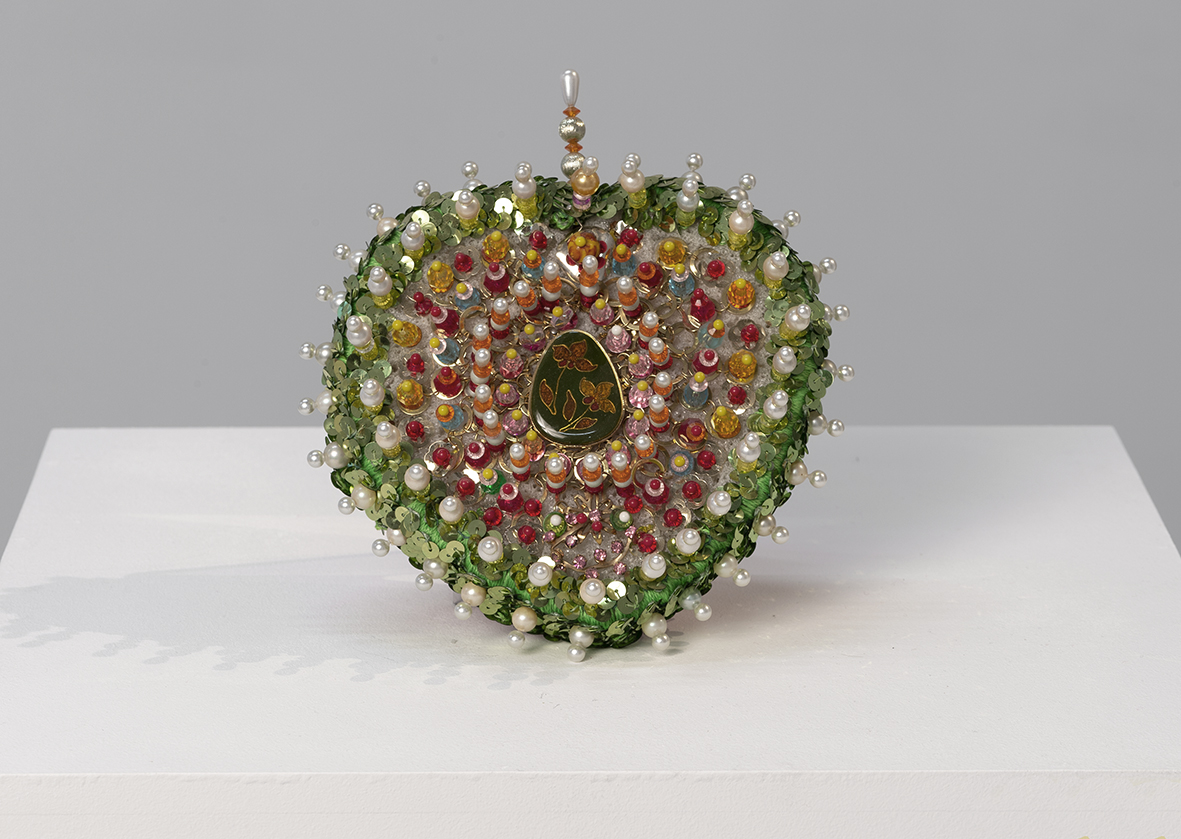
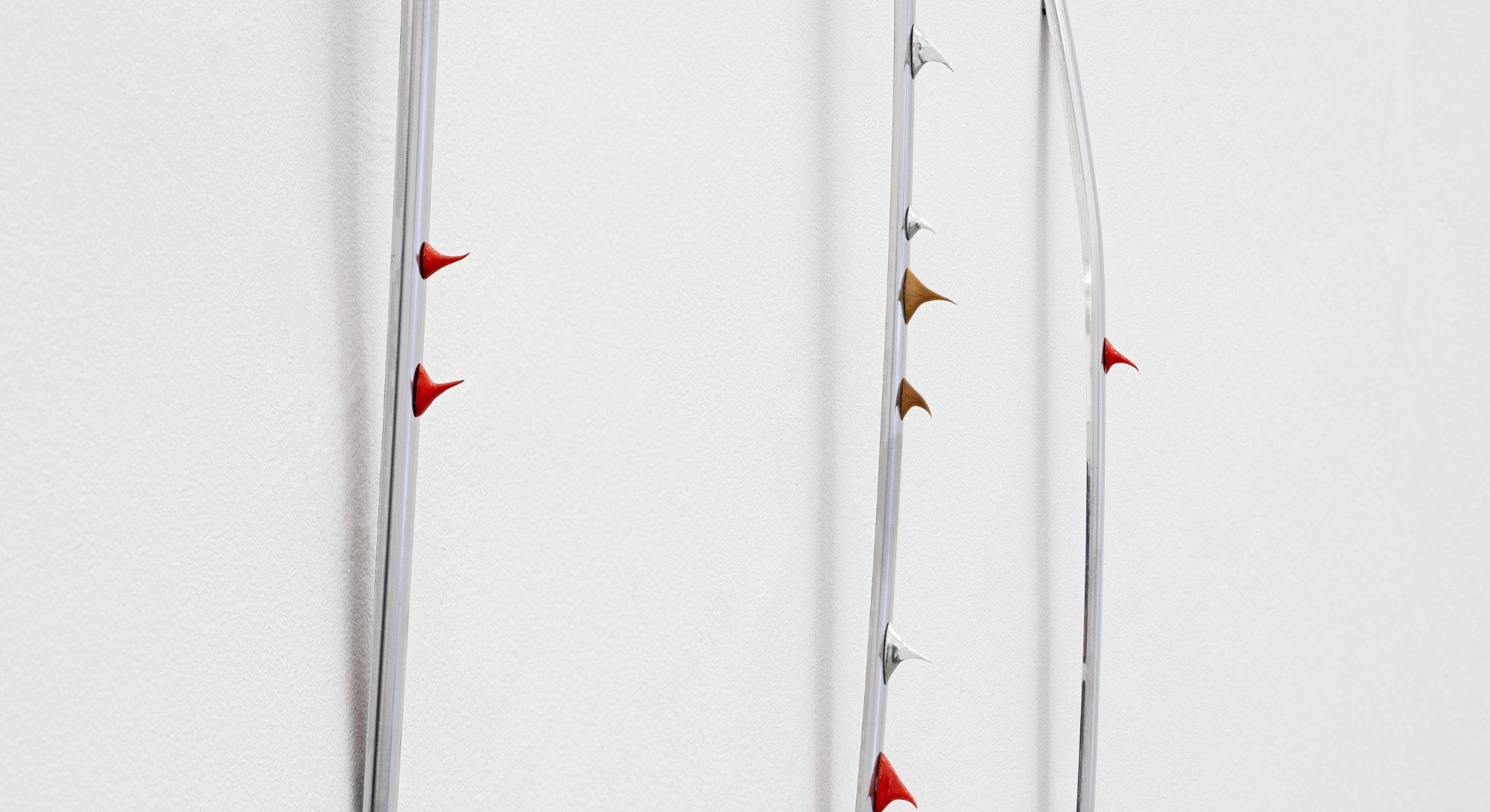
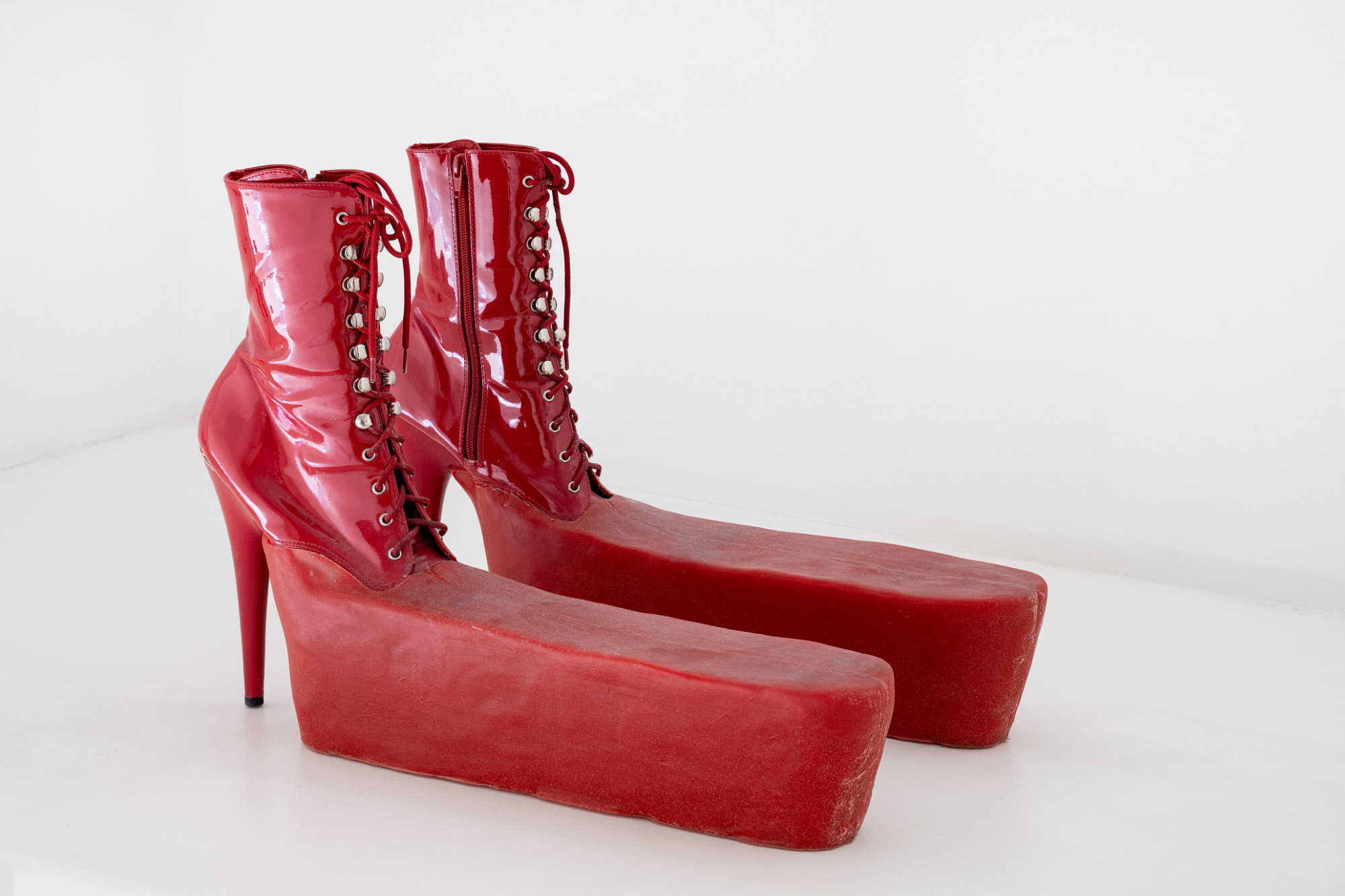
Some works in the exhibition explore metaphors, symbols and emotional imagery often associated with love—the colour red, women’s shoes, perfume, rose thorns, painted fingernails, or secret notes—without lapsing into clichés. Despite the powerful influence of such imagery, love is always felt in completely new ways. The exhibition brings together artistic perspectives that aim to establish connections and seek to liberate themselves from stereotypical interpretation or gender-based attribution.
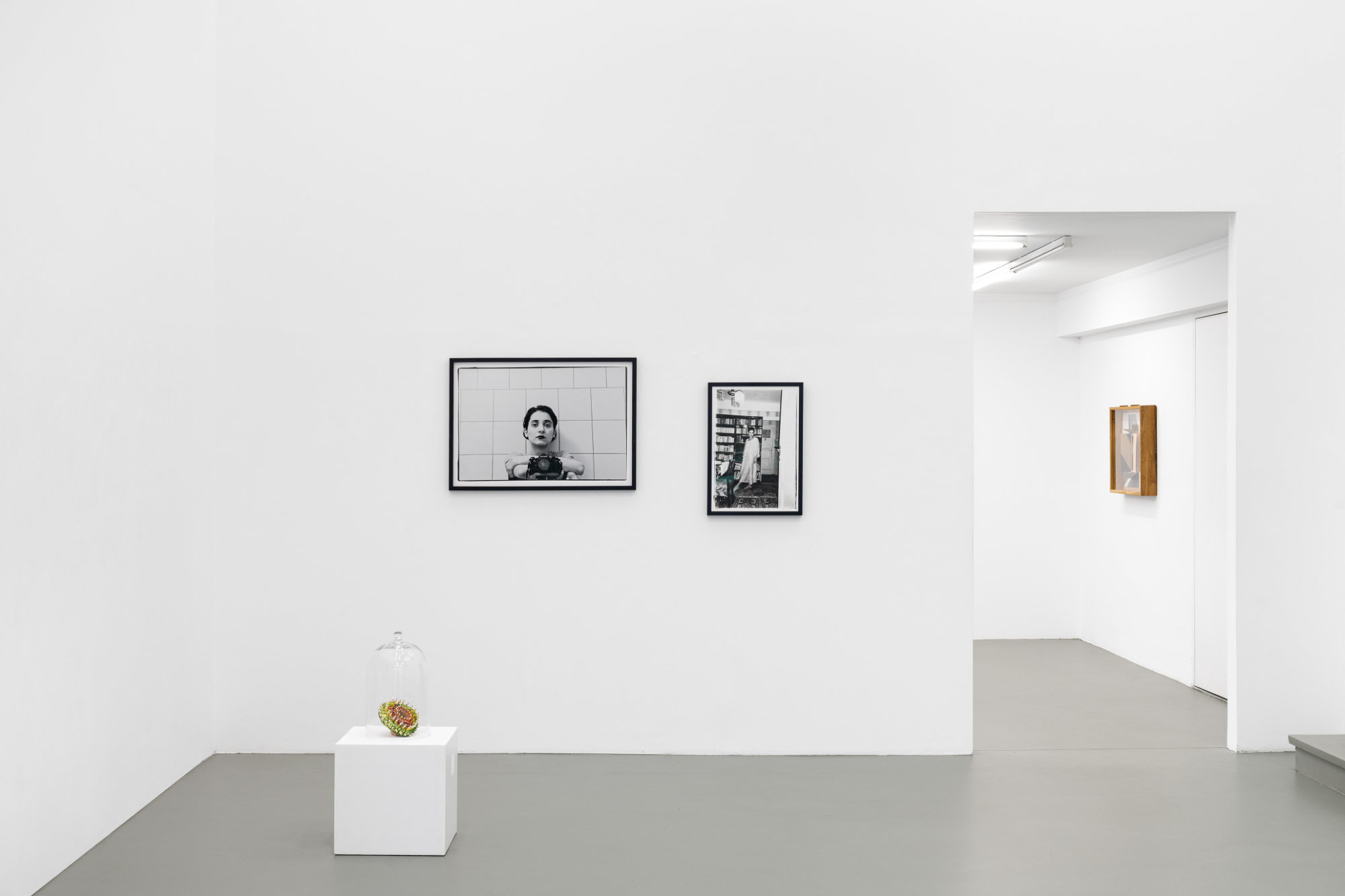
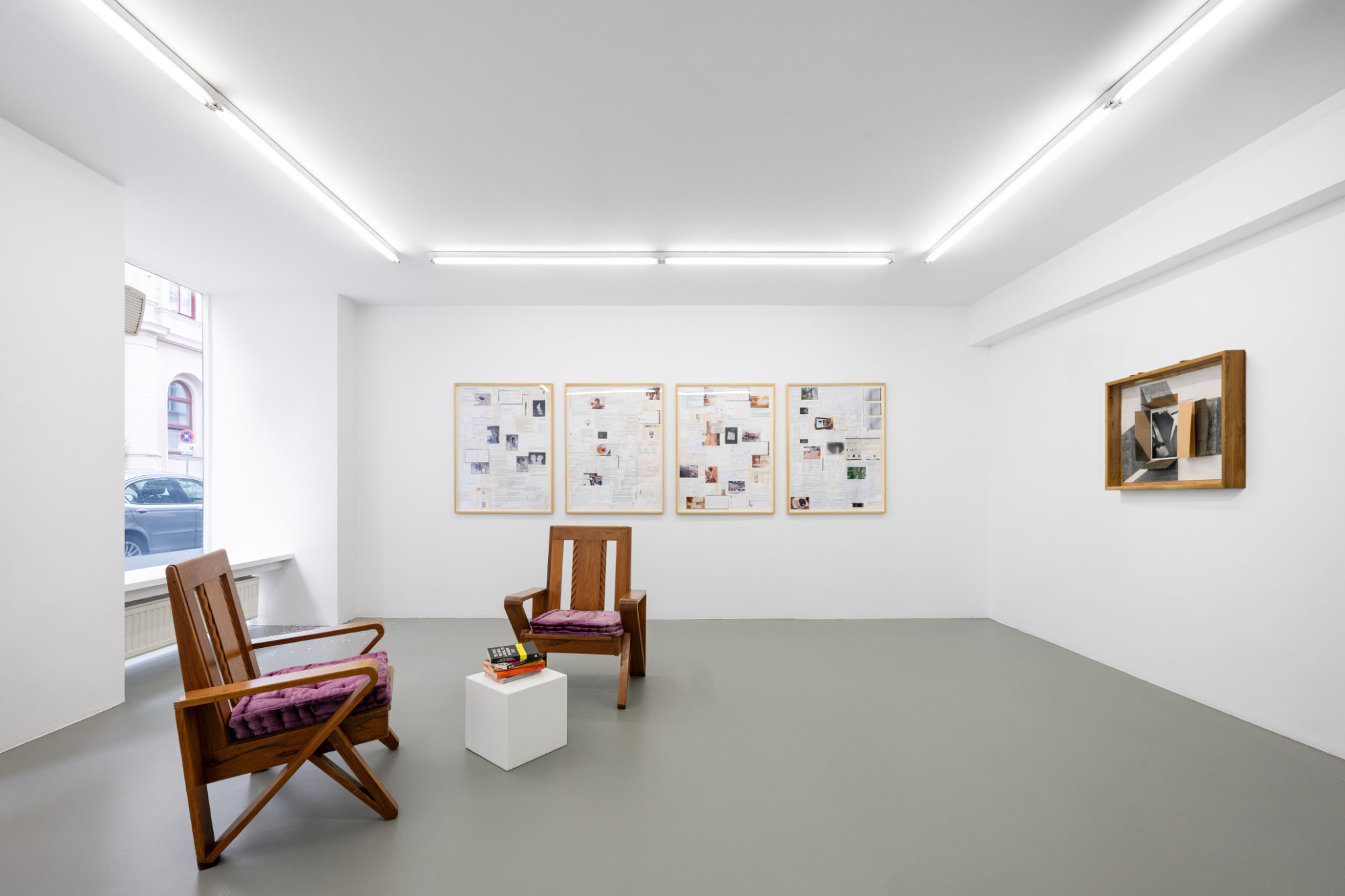
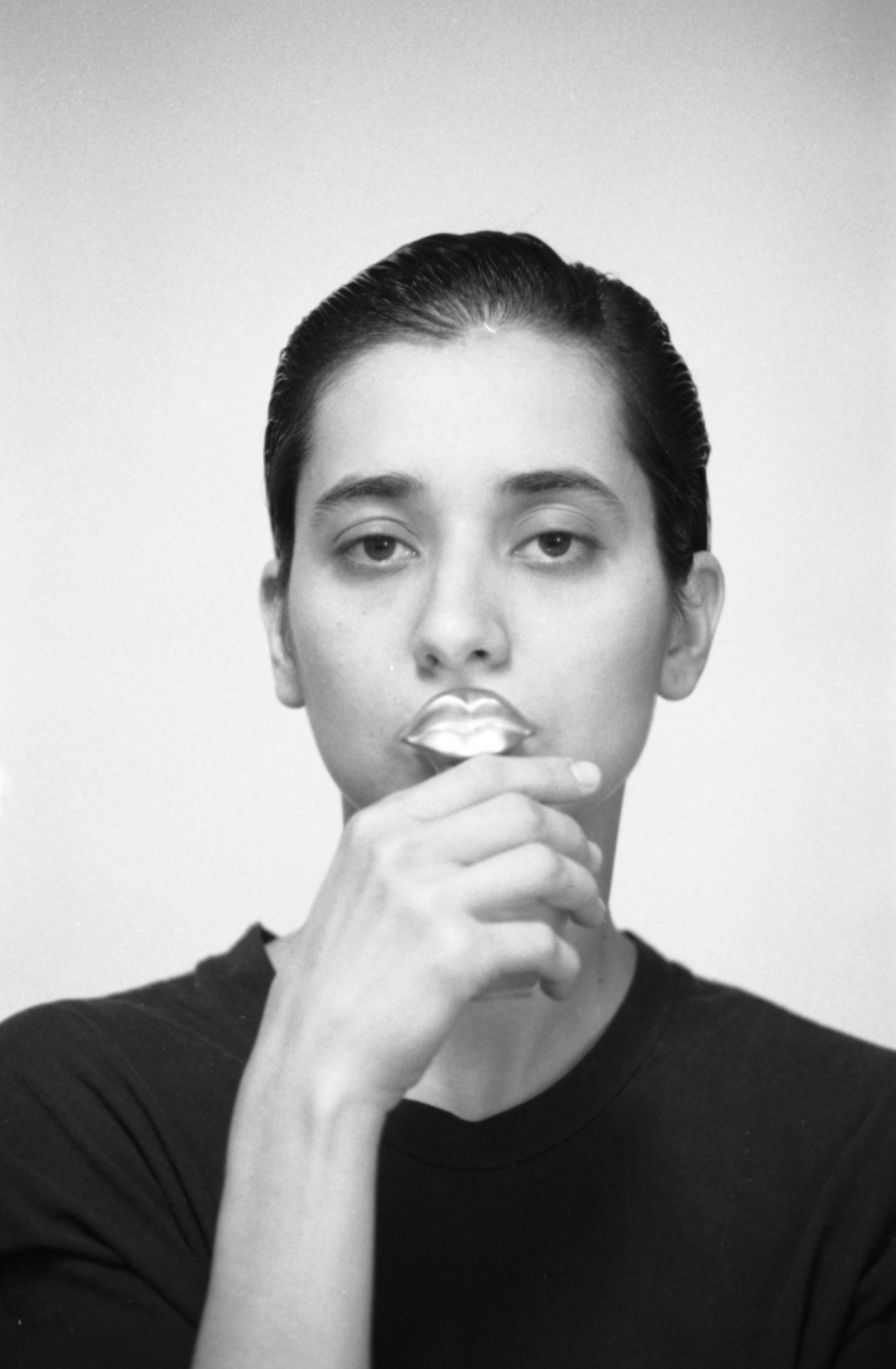
Artists of different generations, from Ja Jess (b. 1998), Haiqing Wang (b. 1994), Talia Chetrit (b. 1982), Alice Channer (b. 1977), Aurora Király (b. 1970) and Iosif Király (b. 1957), to Renate Bertlmann (b. 1943), Meret Oppenheim (1913-1985) and Sarah Pucci (1902-1996), each develop their own visions of contact zones. Through photography, collage, sculpture and performance, they explore processes of self-realisation, emotional and physical closeness, familial forms of affection, and the transmission of connection across generations. In this context, love does not appear as a romantic ideal, but as an everyday practice that is manifested in touch, care, empathy, memory, artistic collaboration, or in reading and writing—as a process of engaging with one another. At the same time, this represents a turn towards feeling, sensing, and remembering, which contrasts the concept of a definitive, coherent self with a living, open process.
For the opening of the exhibition, Ja Jess has developed a performance linked to the genetic text of a virtual fertilisation. In Jess’s singing, the DNA sequences responsible for means of communication (language and voice production) overlap.
[2] Love is seen here as an active connection, extensively described by Bell Hooks, who linked her description to a quote of M. Scott Pecks (with an echo of Erich Fromm): „the will to extend one’s self for the purpose of nurturing one’s own or another’s spiritual growth.“ In Peck, M.S.: The Road Less Traveled, 1978, quoted by Hooks in: All About Love: New Visions, New York, 2001, p. 4. The exhibition title is also connected to Hooks, p. XX.
Photos
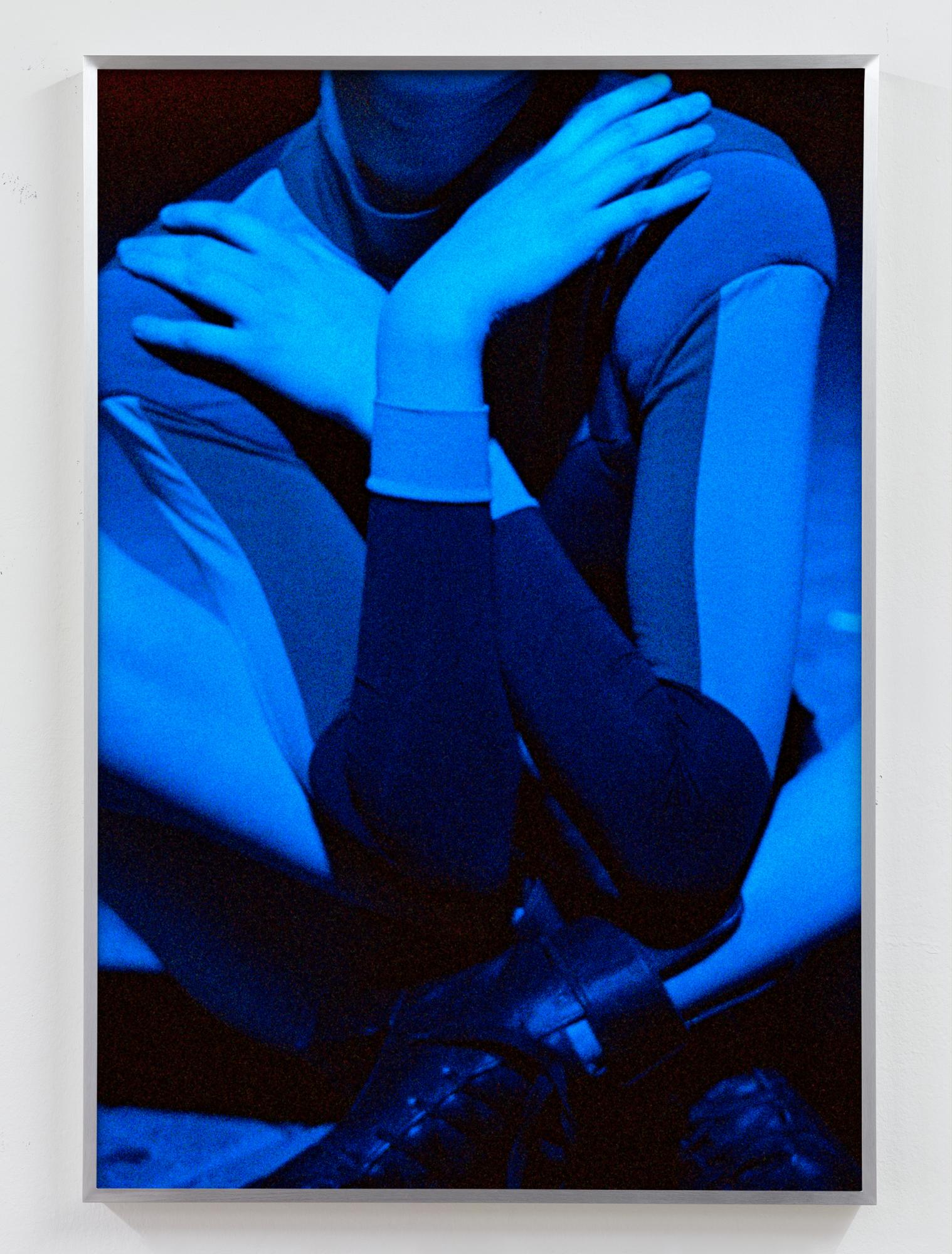
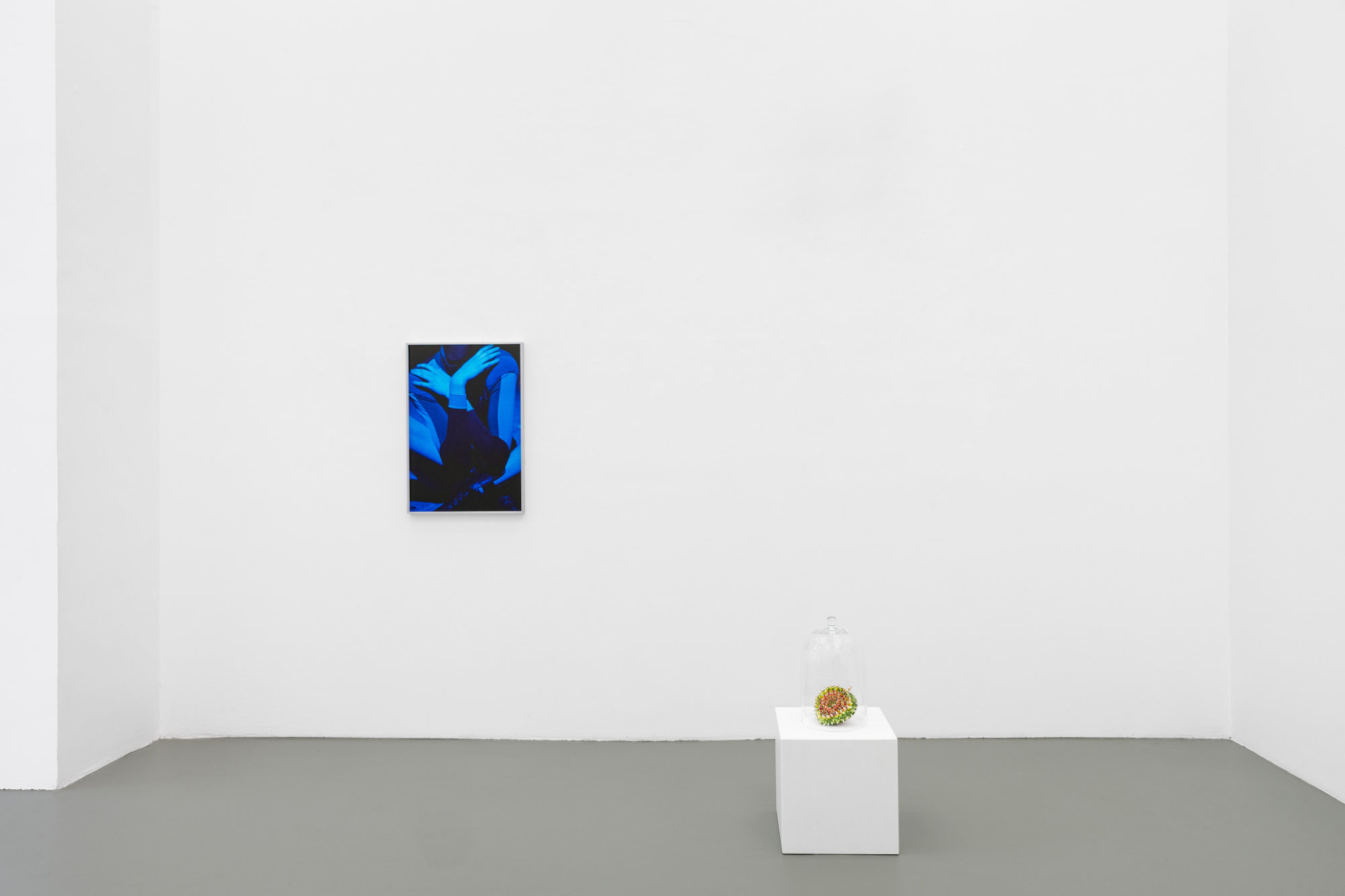
Talia Chetrit
"Blue Angel, 2024
Inkjet print mounted on aluminum
80,6 x 49,9 cm (framed 81,2 x 55,5 cm)
Edition of 4 + 2 AP
© Tino Kukulies, Courtesy die Künstlerin und Sies + Höke, Düsseldorf