




GIANNI MANHATTAN curated by Odessa Warren
„Silent Choir“
www.giannimanhattan.com
Curator(s):
Odessa Warren is a Lebanese-British curator from Cyprus. She is currently Curator at Ibraaz in London where she works on exhibitions and public programmes. Previously, she was Assistant Curator of International Art at Tate Modern. She has also worked in a curatorial and research capacity with Beirut Art Center, The Palestinian Museum, and Forensic Architecture. Independent projects include War-Torn Ecologies: Resistant Worlds with Beirut Art Center and The Mosaic Rooms and Otra Orilla (Another Shore) for Abu Dhabi Art.

Artist(s):
-
Valentin Noujaïm (b. 1991, French-Lebanese) graduated from the Screenwriting Department of La Fémis in Paris and was a guest student at the Städelschule in Frankfurt am Main. Noujaïm's work challenges dominant narratives in society, shedding light on the lives of individuals and communities historically marginalized by systemic discrimination. The fantasized worlds he creates through his films also underline his commitment to explore different formats: 16mm film, archives, digital footage, and special effects. Noujaïm will present his first institutional solo show in 2025. His films have been selected in numerous festivals, including CPH:DOX, Visions du Réel, IFFR, Villa Médicis Film Festival, DocLisboa, BAFICI, DokuFest, BlackStar Film Festival et Internationale Kurzfilmtage Winterthur. His work has also been presented in several group exhibitions: Nîmes Triennale (2024), Museo Madre (2024), Magasins Généraux (2023), CNAC Magasin (2022), Salon de Montrouge (2022), Air de Paris Gallery (2022), Exo Exo Gallery (2022), Saatchi Gallery (2021), among others. His works are part of the collections of the CNAP, FRAC Bretagne and Lafayette Anticipations.
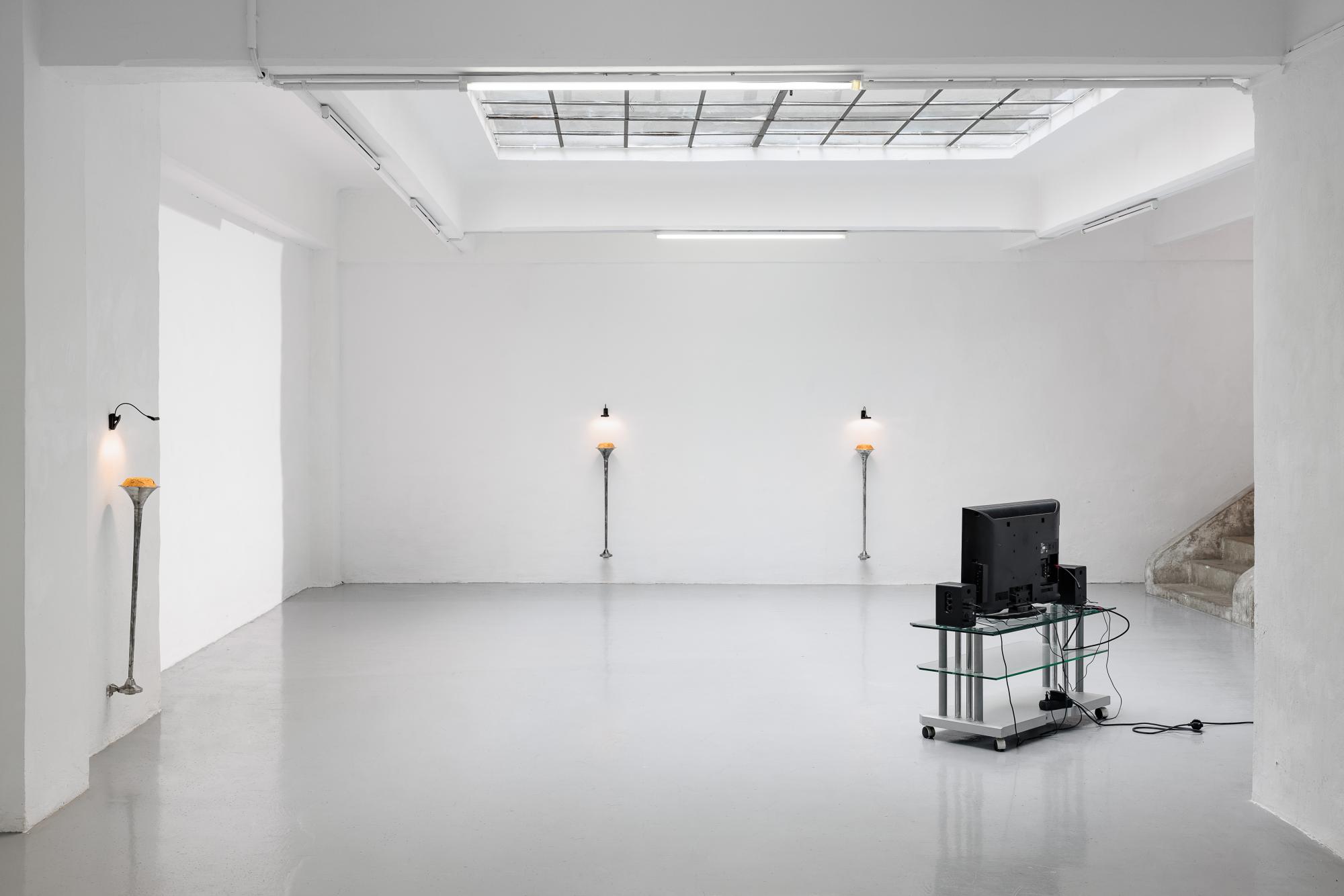
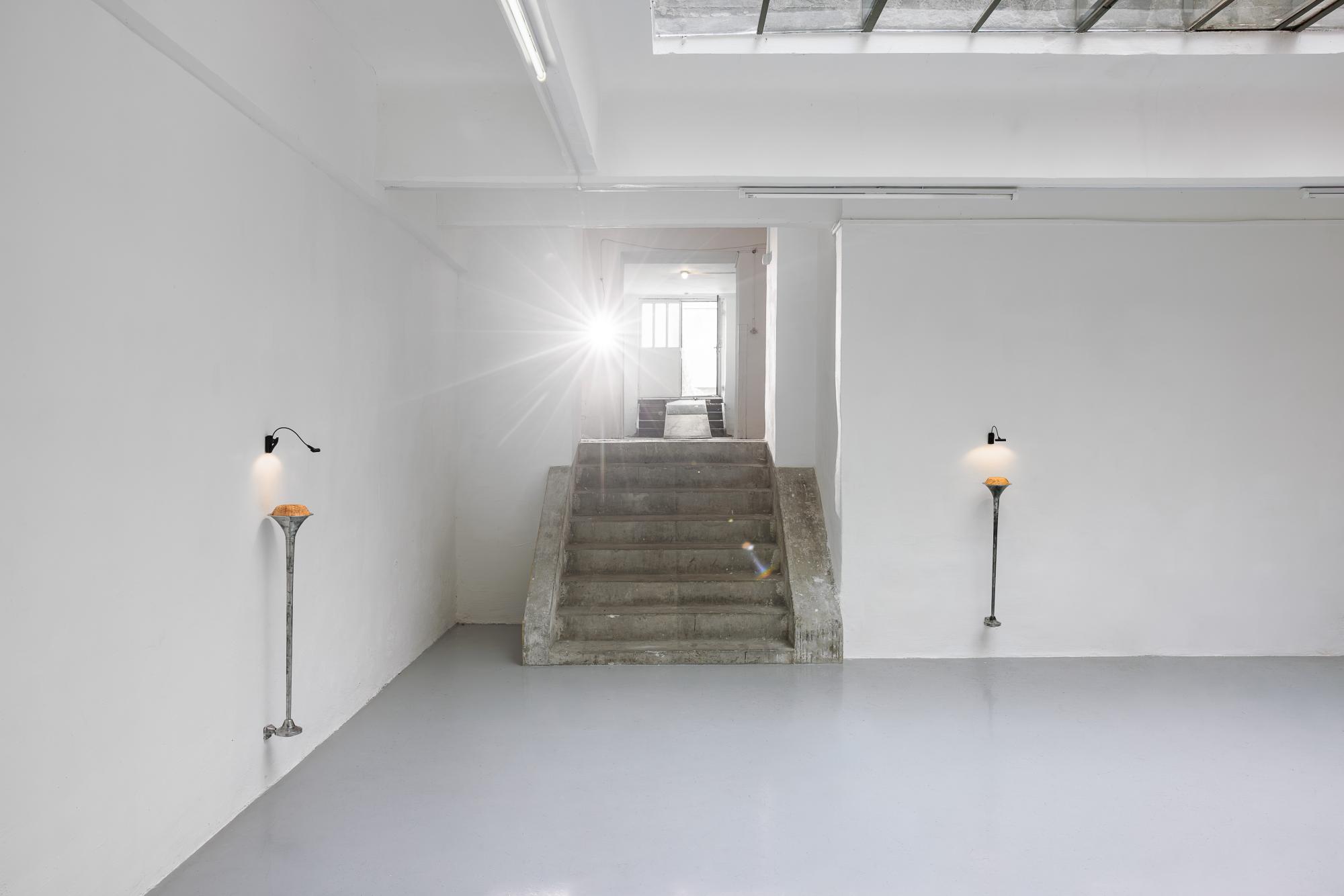
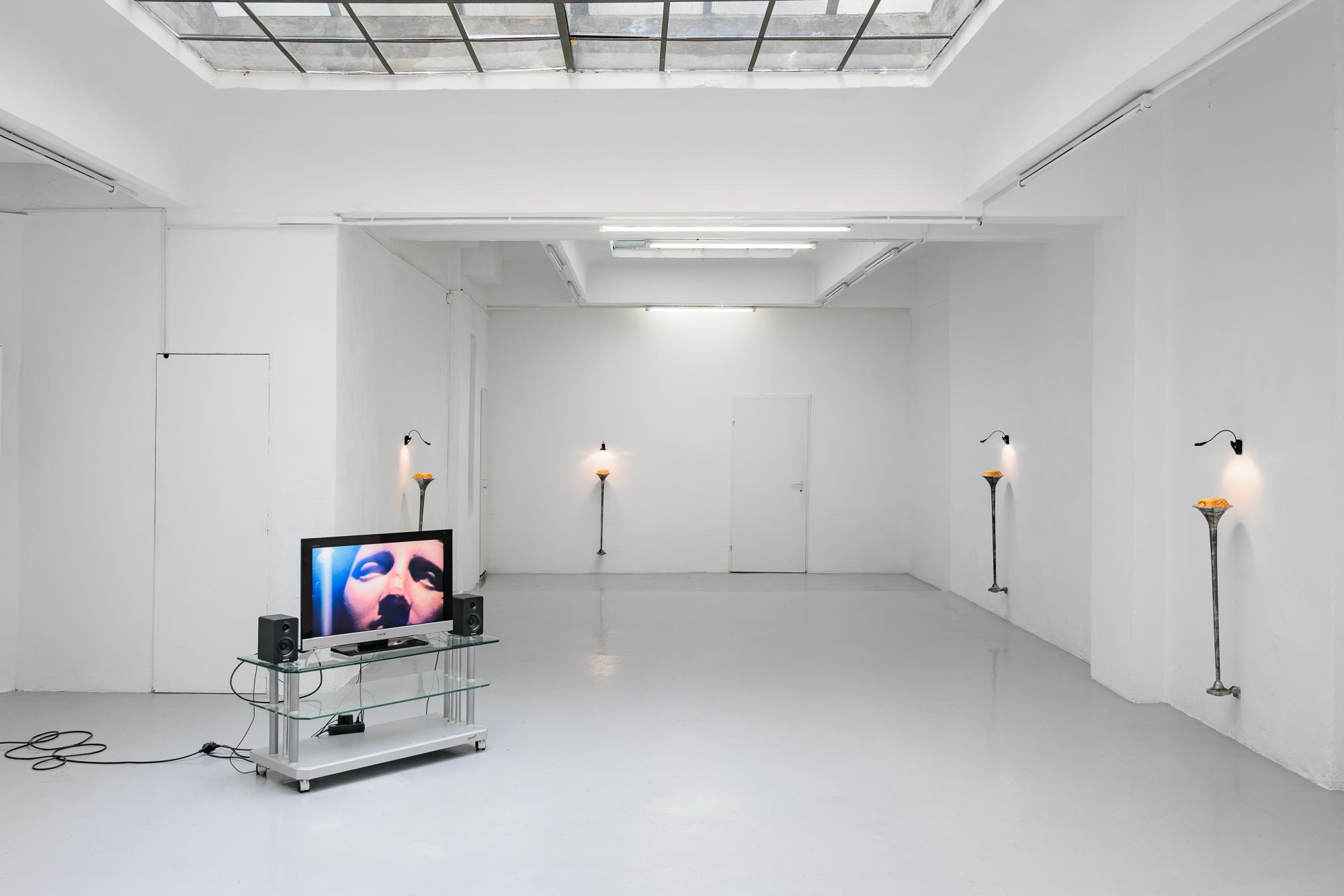
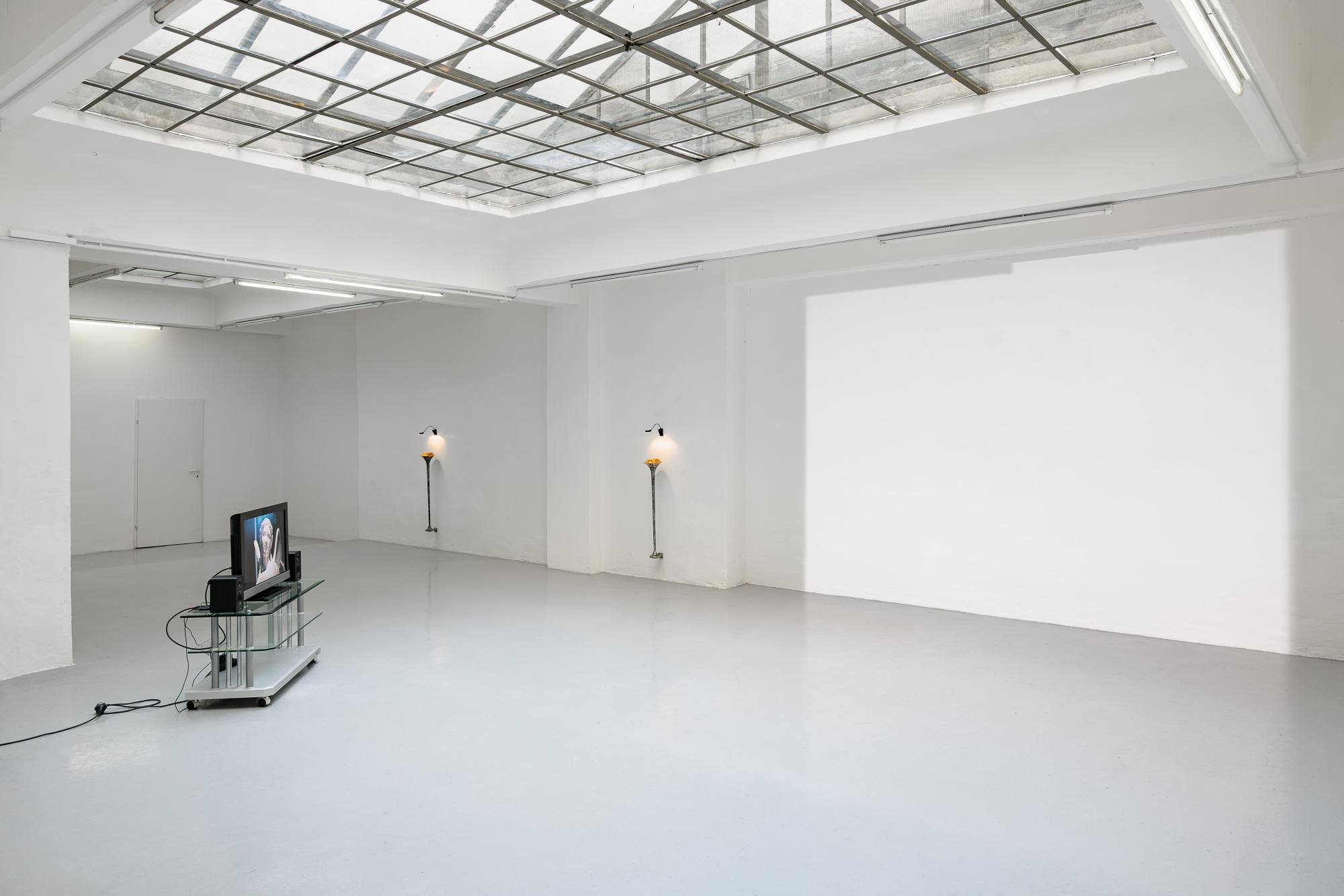
Gianni Manhattan presents Silent Choir, a solo exhibition by Valentin Noujaïm. Working through sculpture and installation, the artist introduces the first part of a new body of work inspired by the story of St John and the Cave of the Apocalypse.
In the first century, the apostle John was banished to the island of Patmos by the Roman emperor Domitian for preaching Christianity. There, he withdrew into the silence and darkness of a cave overlooking the sea, where he received a vision of the world’s end. Seven angels appeared to him, each sounding a trumpet, and announced impending catastrophe. The account of St John’s prophetic experience became the Book of Revelation in the Bible.
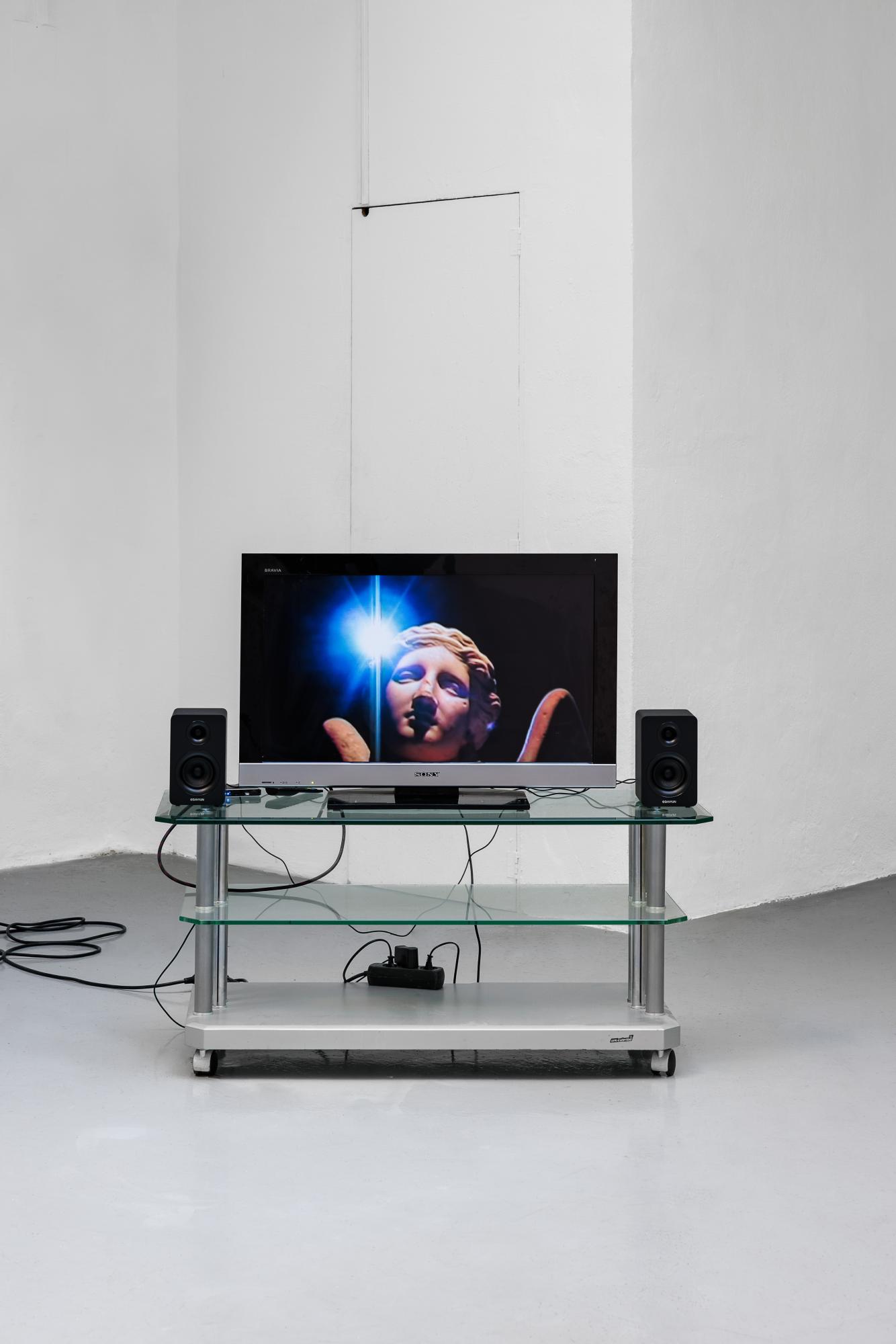
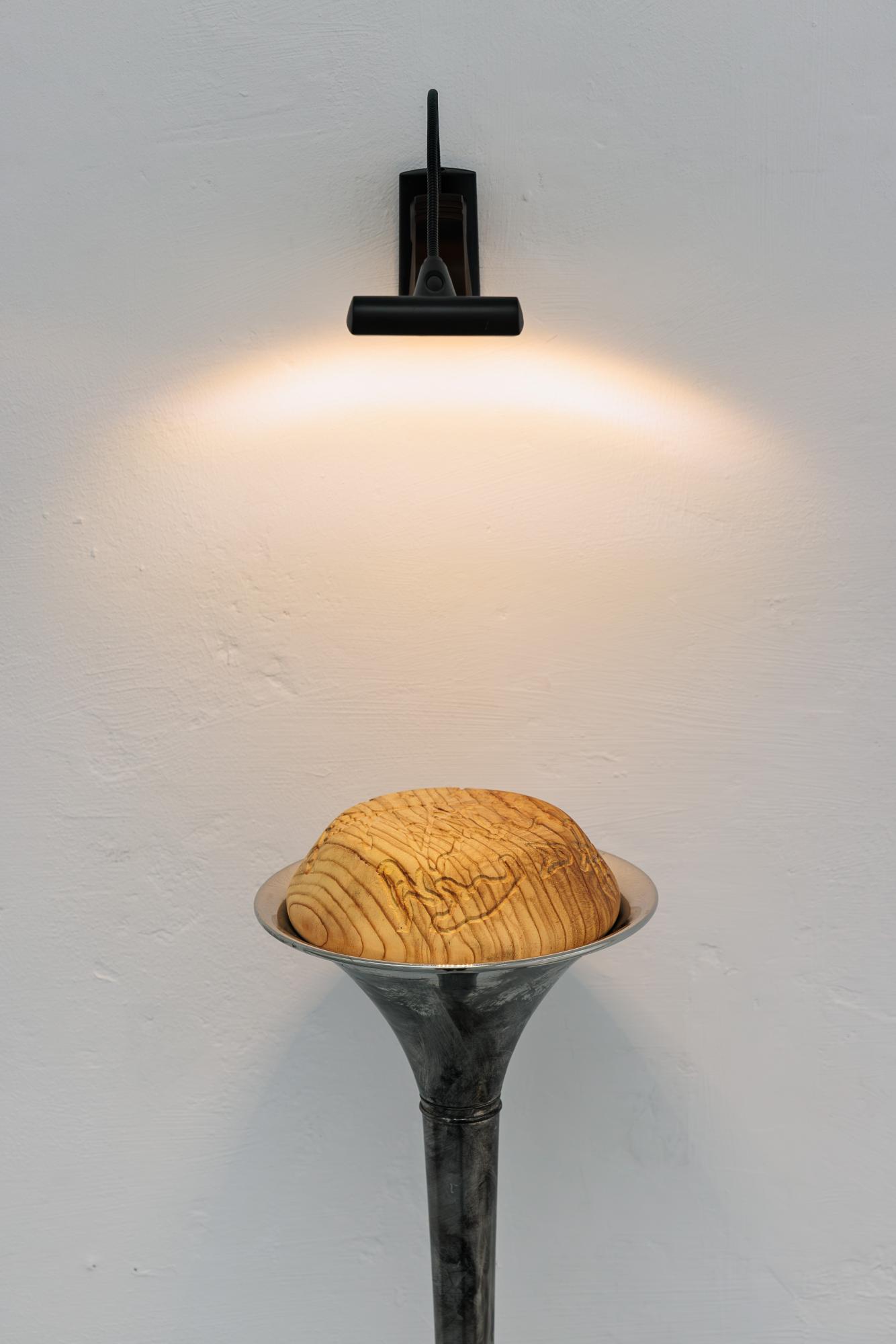
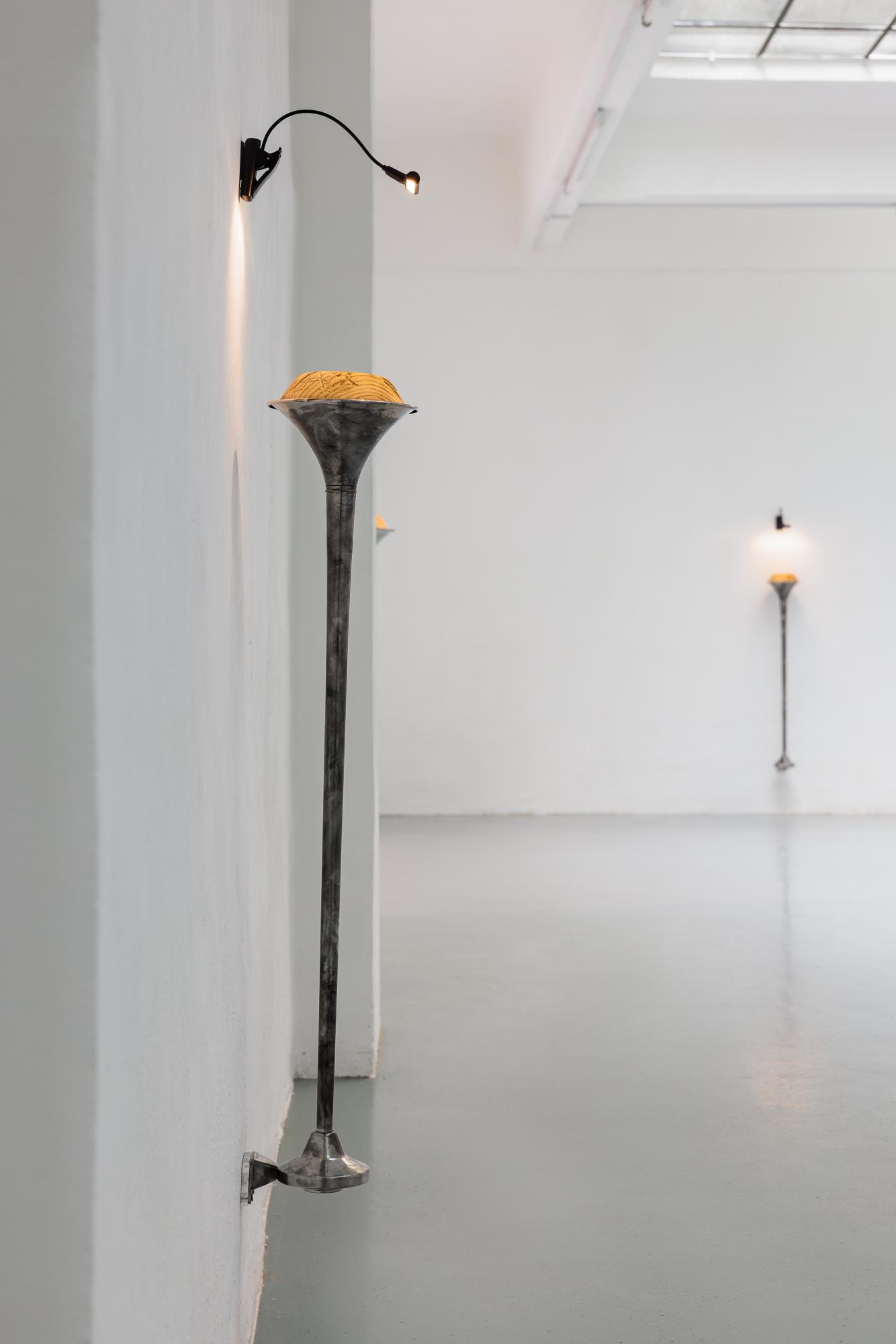
The gallery space is darkened, lit only at its entrance. Its silent, solemn atmosphere evokes that of St John’s cave and his isolation within it. Seven trumpets fill the room, recalling the seven angels of the apocalypse. Each is fitted with a mute, forming Noujaïm’s silent choir. The hum of white noise is heard in the space, like the dead sound of a feed cut mid-transmission, underscoring the trumpets’ muteness. Their surfaces are engraved with a range of motifs, among them drawings made by the artist’s brother as a child during the war in Lebanon. A television recalls the domestic sets of the early 2000s, a nod to his own association with light and sound, formed through early memories of the announcements of catastrophe.
For Noujaïm, St John’s retreat from the world signalled a way for him to make sense of its evils. In the darkness, in his solitude, everything was revealed to him. The artist sets this story against a present moment marked by permanent noise and hyper-exposure, three years into a livestreamed genocide met with impunity. In Greek, ἀποκάλυψις (apokálypsis) carries a double meaning- apocalypse and revelation. In a world where sound and image have failed, the artist asks what may be revealed to us in the dark quiet.
The exhibition carries forward Noujaïm's interest in myth and storytelling as a means of thinking through the present, turning here to the Christian apocalyptic imagination. He approaches St John not as a religious icon, but as a figure who, at a time of persecution and defeat, retreated from the world, and was granted a vision of its unmaking and renewal. The work also extends the artist’s reflection on evil, as a concept reached for to explain destruction and violence that is otherwise inexplicable. In the Book of Revelation, each trumpet, sounded in turn, announces a different part of the apocalypse. The muteness of the seven trumpets in Noujaïm's Silent Choir is undetermined- whether because they have already sounded, or because their silence keeps a further catastrophe at bay.
Photos
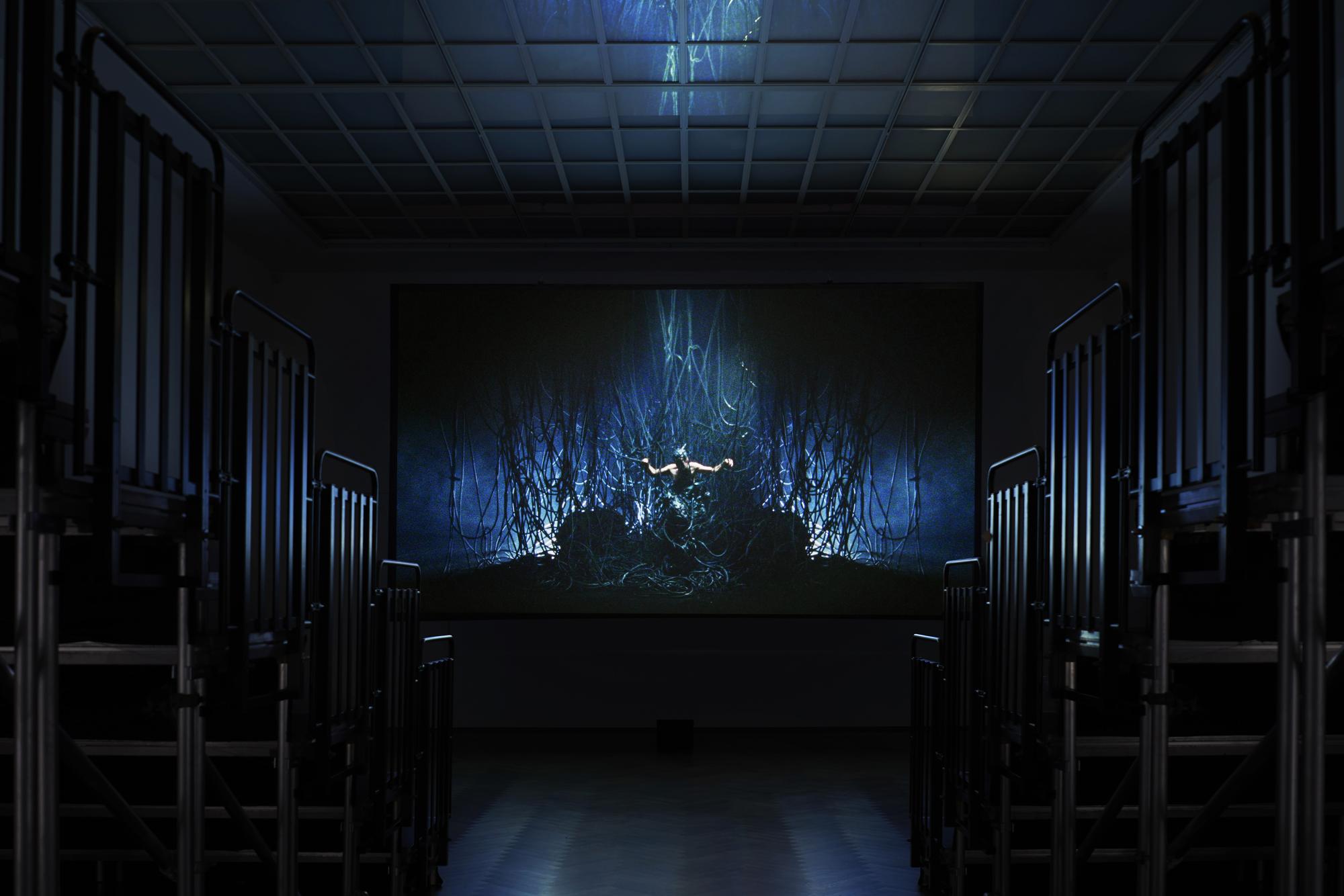
Valentin Noujaïm, La Défense Volume III – Demons to Diamonds, 2025, installation view, in: Valentin Noujaïm, PANTHEON, Kunsthalle Basel, 2025
photo: Philipp Hänger / Kunsthalle Basel
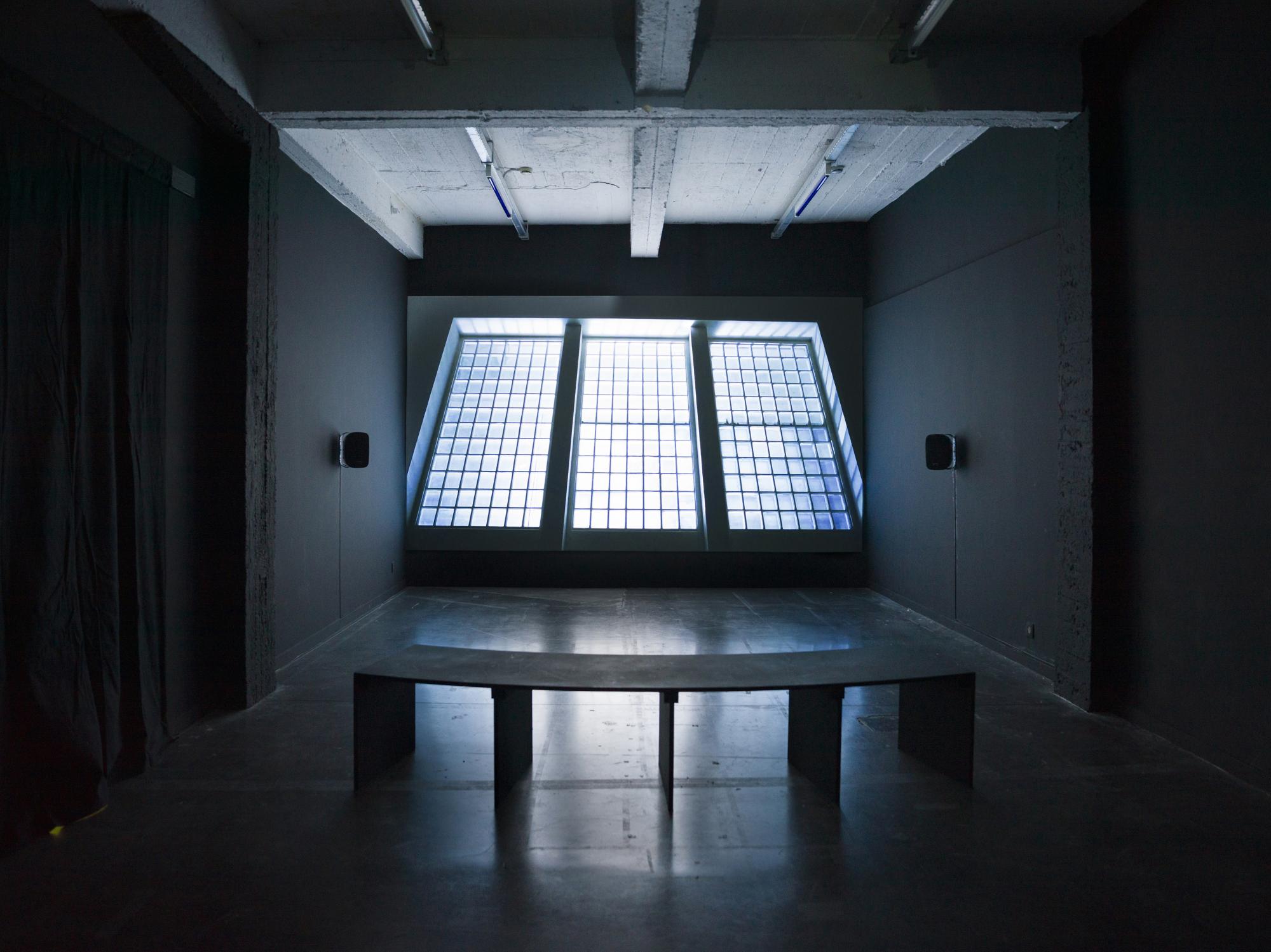
Valentin Noujaïm in The Sunsets were Purple and Red and Yellow and on Fire (2026), installation view, Kunsthalle Mechelen, Mechelen.
photo: Lavinia Wouters / Kunsthalle Mechelen.
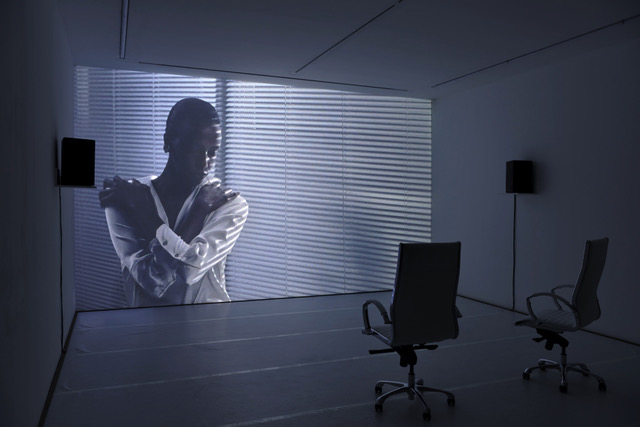
Valentin Noujaïm, La Défense Volume II – To Exist Under Permanent Suspicion, 2023, installation view, in: Valentin Noujaïm, PANTHEON, Kunsthalle Basel, 2025,
photo: Philipp Hänger / Kunsthalle Basel