



Gregor Podnar curated by Katarzyna Różniak-Szabelska
„Additional Scenes“
www.gregorpodnar.com
Curator(s):
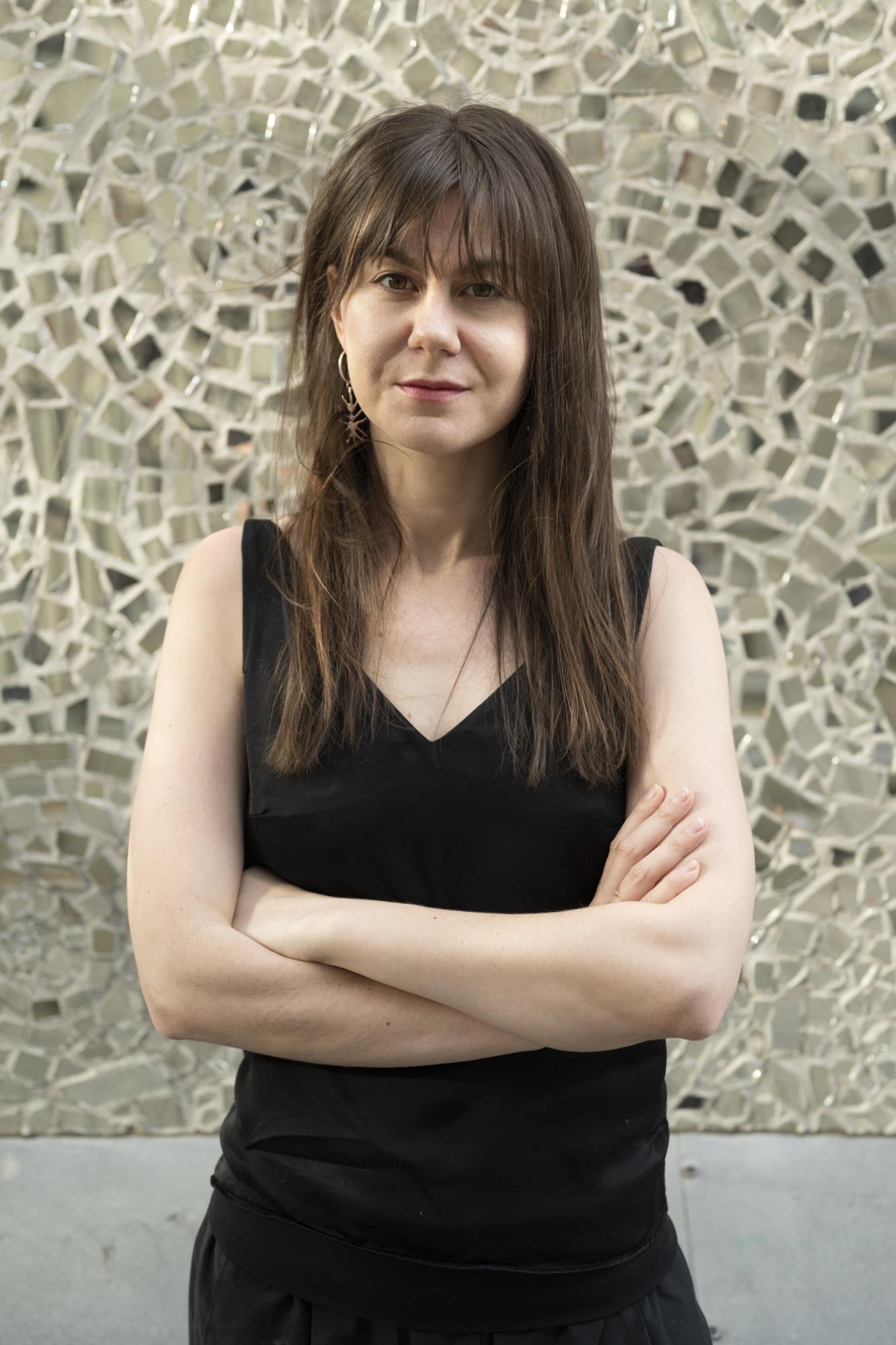
Katarzyna Różniak-Szabelska – art historian, curator in the Department of Modern Art at the Muzeum Sztuki in Łódź. Member of the curatorial team for the permanent exhibition “Ways of Seeing. Collection of Muzeum Sztuki in Łódź”, which opened in 2025. She graduated with a degree in art history from the University of Warsaw.
From 2020 to 2025, she was affiliated with the Arsenal Gallery in Białystok, where she curated group exhibitions “Cocaigne”, “Fiddlesticks”, “Right after Valentine’s Day” (together with Tomek Pawłowski-Jarmołajew), “Deschool!”, “In the beginning was the Deed!!* (together with Post Brothers), and solo exhibitions by artists such as Augustas Serapinas (together with Post Brothers), Anna Hulačová, Yarema Malashchuk and Roman Khimei, Gideon Horváth, Patryk Różycki, Marta Romankiv, Alicja Rogalska, Lukáš Jasanský, and Martin Polák, as well as public space interventions and numerous community-based activities with the public.
She focuses primarily on the social dimensions of contemporary and modern art in Central and Eastern Europe.
Artist(s):
-
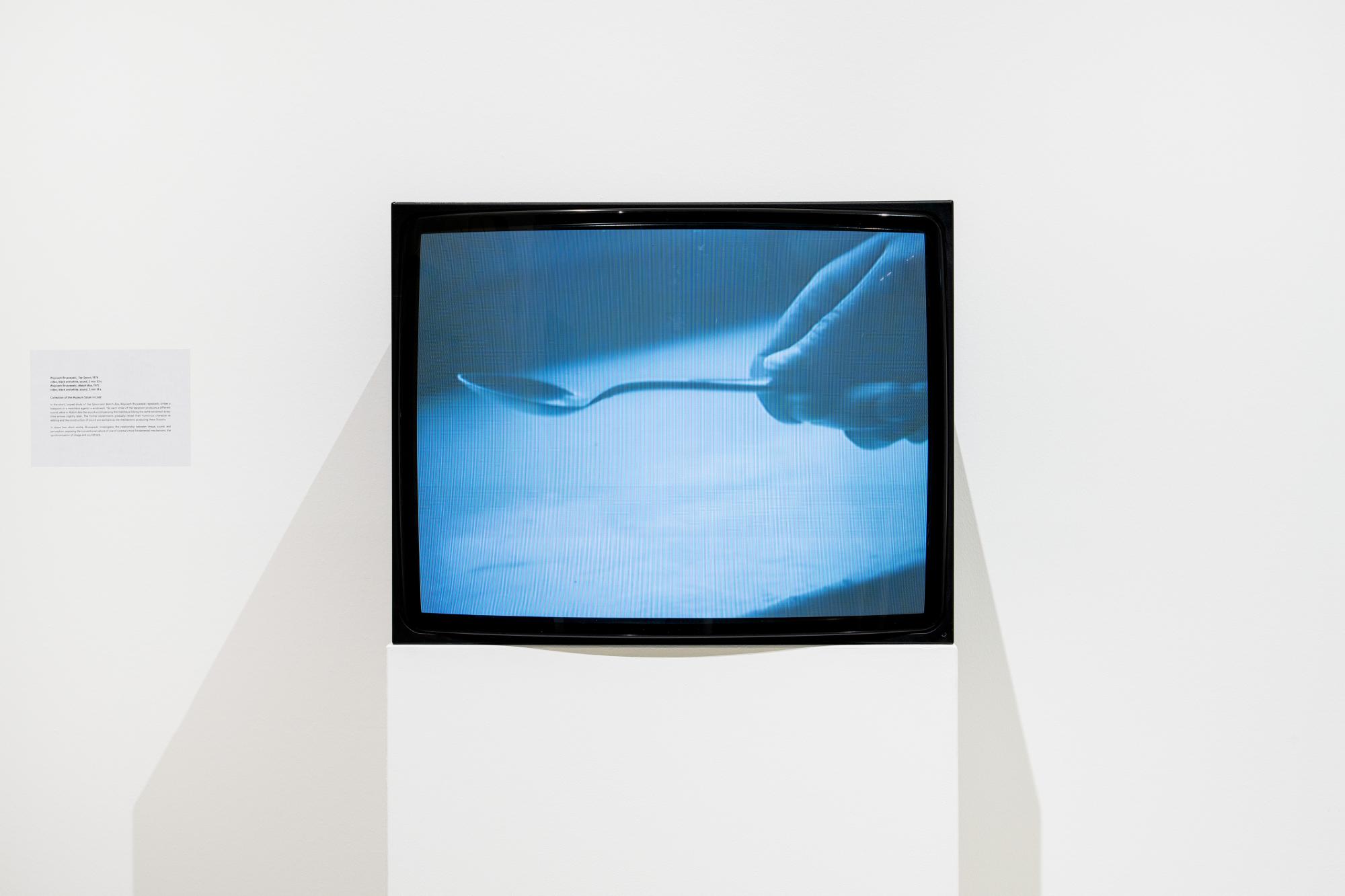
Wojciech Bruszewski (1947, Wrocław – 2009, Łódź) was a multimedia artist regarded as the creator of the first video works in Poland. He graduated from the Cinematography Department of the Leon Schiller National Film, Television and Theatre School in Łódź in 1970 and from its Directing Department in 1975. He was a member of the Zero-61 group (1965–1968) and a co-founder of the Workshop of the Film Form (WFF, 1970–1977). Bruszewski’s work developed the analytical programme of the WFF, focusing on exposing the mechanisms through which film constructs reality, like the false naturalism produced by the synchronization of image and sound. Combining rigorous analysis of the medium with humour and a spirit akin to Fluxus, his practice from this time can be understood as an attempt to expose the mechanisms of media manipulation.
-
Paweł Kwiek (b. Warsaw 1951 – d. Warsaw 2022) was a Polish contemporary visual artist, photographer, and cinematographer. In 1973 Kwiek completed the Łódź Film School with a degree in cinematography. He was a co-founder and member of the Film Form Workshop (1970–1980) and lecturer at the Warsaw Academy of Fine Arts (1977–1978) and the Łódź Film School (1978–1981). One of the forerunners of video art in Poland, he made experimental films, photography and video, and authored manifestations, statements, and multidisciplinary artistic events combining culture and disciplines such as philosophy and cybernetics. Kwiek’s work is found in the collections of MSN Warsaw, Muzeum Sztuki in Łódź, and the Kontakt Collection in Vienna. He had individual and group exhibitions including Documenta 6 (Kassel 1977); Works and Words (International Art Manifestation), Galerie de Appel (Amsterdam 1979); 1, 2, 3…Avant Garde, Ujazdowski Castle (Warsaw 2007); Künstlerhaus Stuttgart (2007); Sala Rekalde (Bilbao 2008); Changing Channels: Art and Television 1963–1987, mumok (Vienna 2010); In the Near Future: The Collection of the Museum of Modern Art in Warsaw (2014); Oskar Hansen: Open Form, MACBA (Barcelona 2014); and Rainbow in the Dark, SALT (Istanbul 2015).
-
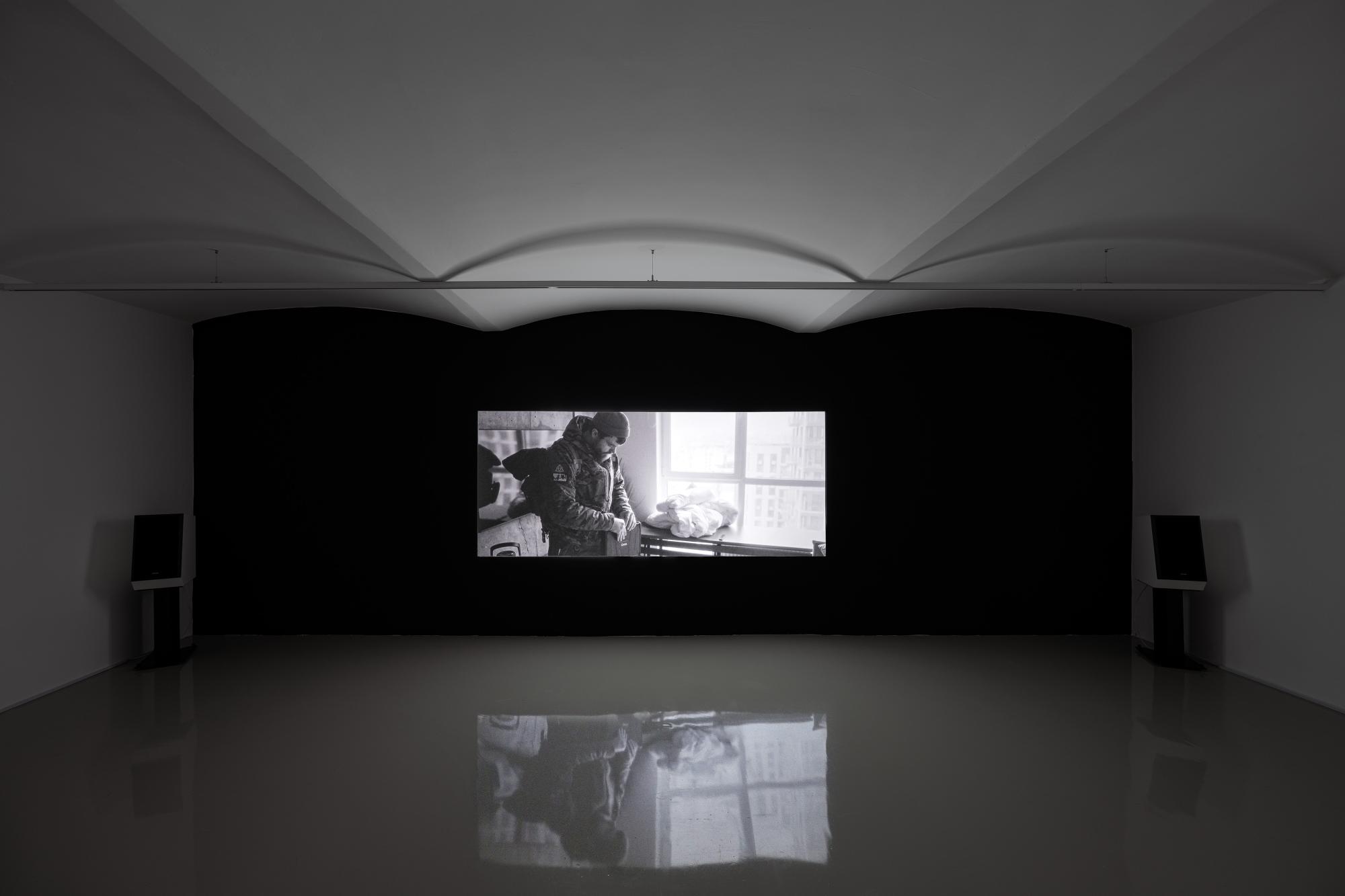
Yarema Malashchuk (born 1993, Kolomyia) and Roman Khimei (born 1992, Kolomyia) have been working together as a filmmaker and visual artist duo since 2016. Both graduated in cinematography from the Institute of Screen Arts in Kyiv, Ukraine and are based in Kyiv. Since 2022, following the full scale Russian invasion of Ukraine they are also members of the Ukrainian artistic collective known as the Prykarpattian Theater. Their practice examines the relationship between personal experience and collective histories, exploring how individuals navigate shifting political and social realities, particularly the experience of war. At the same time, they reflect on the film medium and its role in representing Ukraine’s history and contemporary reality of its citizens.
-
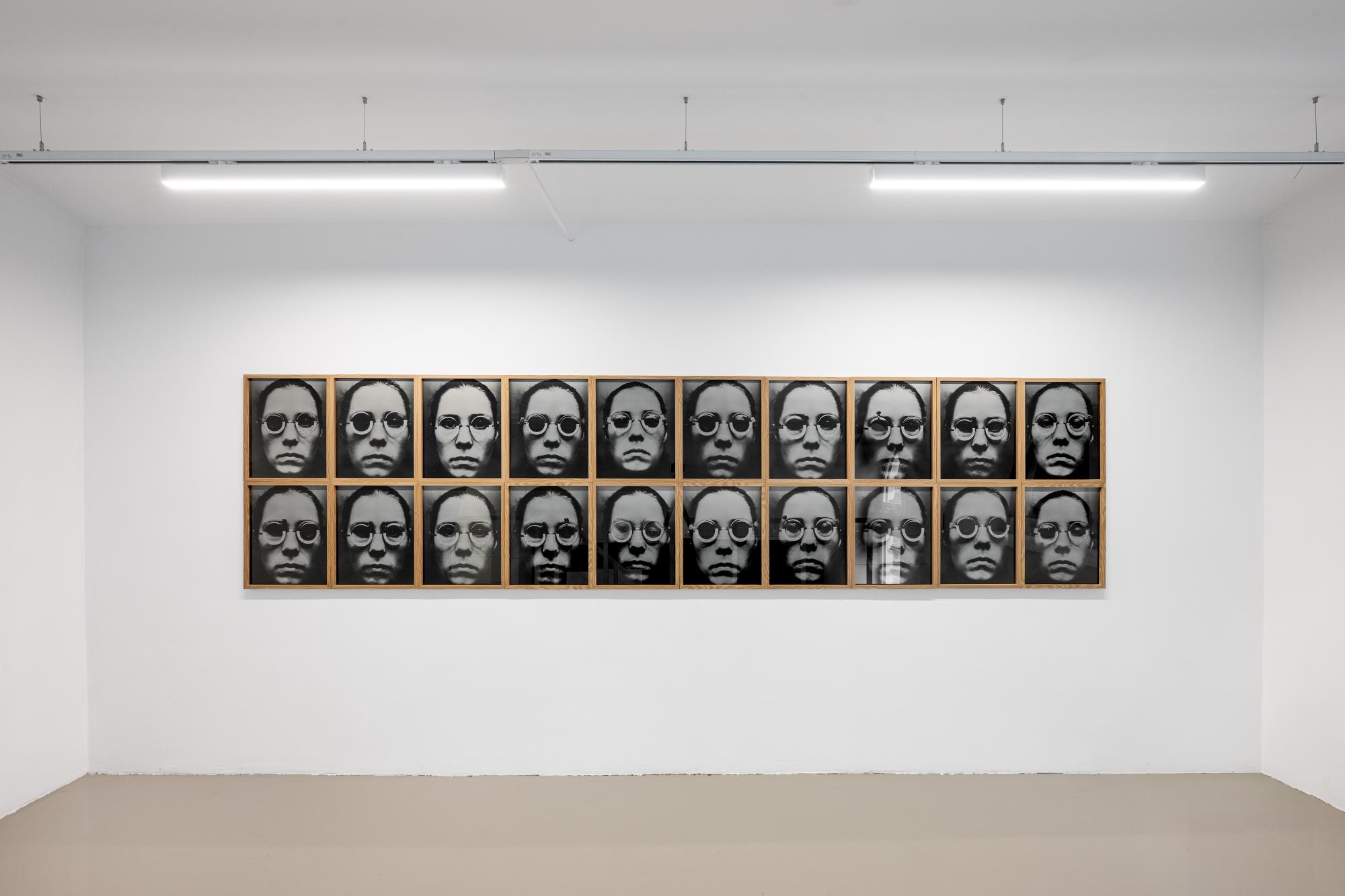
Małgorzata Potocka (born 1952, Warsaw) is an artist, actress, filmmaker, and director. She graduated from the Acting Department of the Leon Schiller National Film, Television and Theatre School in Łódź in 1978 and from its Directing Department in 1981. During her studies, she became involved with the artistic circles around the Workshop of the Film Form, although she was never a member of the group. Her background as an actress and director gave her a distinct perspective on the film medium, allowing her to explore the relationship between producing and being produced by the cinematic image. While sharing the WFF’s interest in analytical approaches to the medium of film, she expanded this inquiry through introspective works focused on self-representation. Together with Józef Robakowski, she co-ran the Exchange Gallery, a space dedicated to experimental and intermedia practices.
-
Józef Robakowski (born 1939, Poznań) is an artist and art historian working with film, photography, video, drawing, installation, objects, and conceptual projects. He graduated in art history from Nicolaus Copernicus University in Toruń in 1967 and from the Cinematography Department of the Leon Schiller National Film, Television and Theatre School in Łódź in 1970. He was a member of the Zero-61 group (1961–1969) and a co-founder and the key figure of the Workshop of the Film Form (1970–1977). In his work, Robakowski examined, among other things, the material and technological foundations of film, the relationship between the camera and the artist, and the mechanisms of perception. In 1978, together with Małgorzata Potocka, he co-founded the Exchange Gallery, an independent space for the exchange and documentation of experimental artistic practices.
-
The Workshop of the Film Form (WFF) was an art collective active between 1970 and 1977, founded by students and graduates of the Leon Schiller National Film, Television and Theatre School in Łódź. The group developed around a critical rethinking of film education and official cinema, drawing on new approaches to audiovisual communication and the legacy of the pre-war avant-garde. Its members focused mostly on analysing the medium of film and television. The group was initiated by Wojciech Bruszewski, Paweł Kwiek, Józef Robakowski, Andrzej Różycki, and Zbigniew Rybczyński. Ryszard Waśko soon became part of its core, while Janusz Połom, Antoni Mikołajczyk, Kazimierz Bendkowski, and Jacek Łomnicki, among others, were associated with the Workshop in the following years.
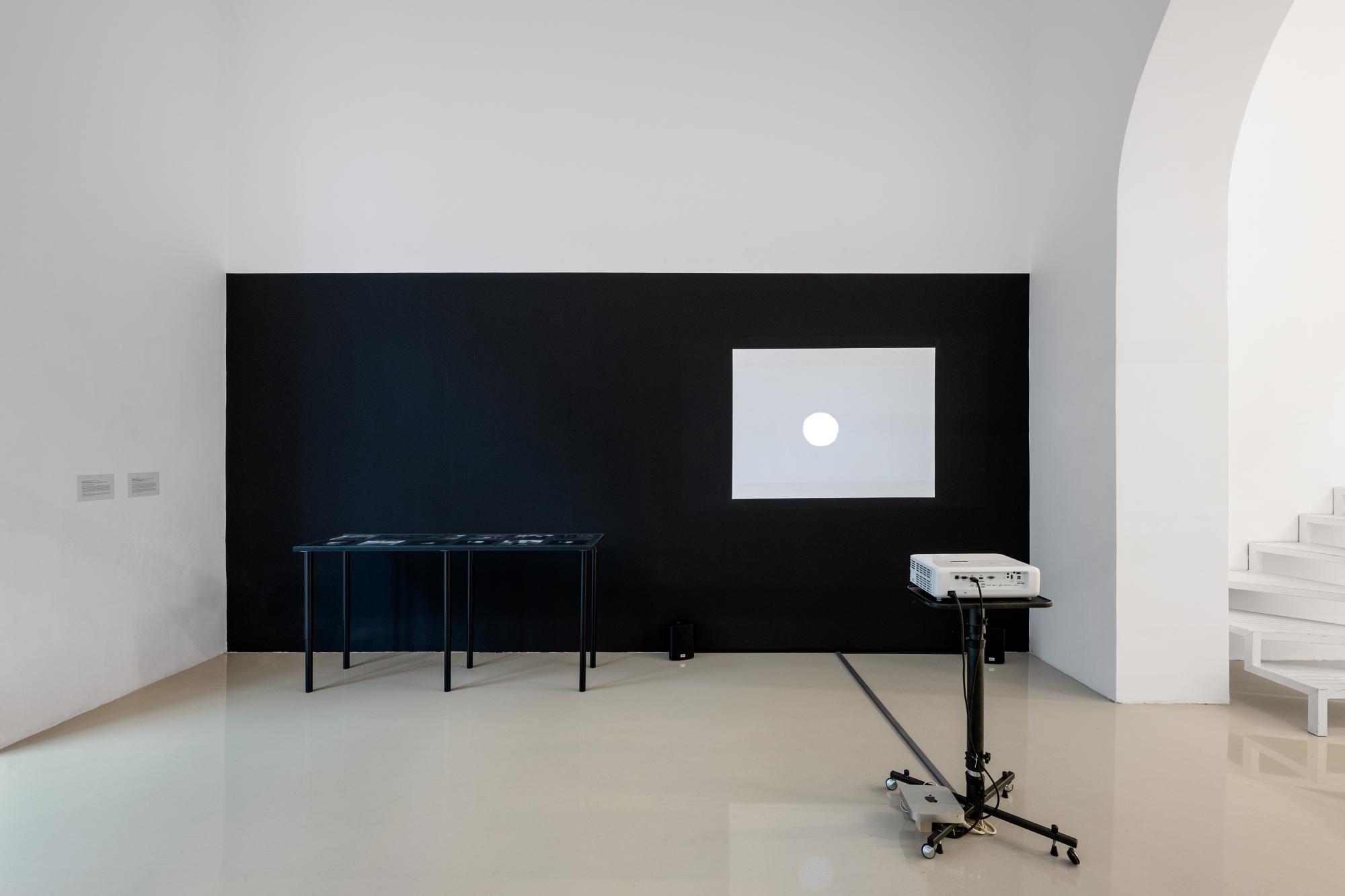
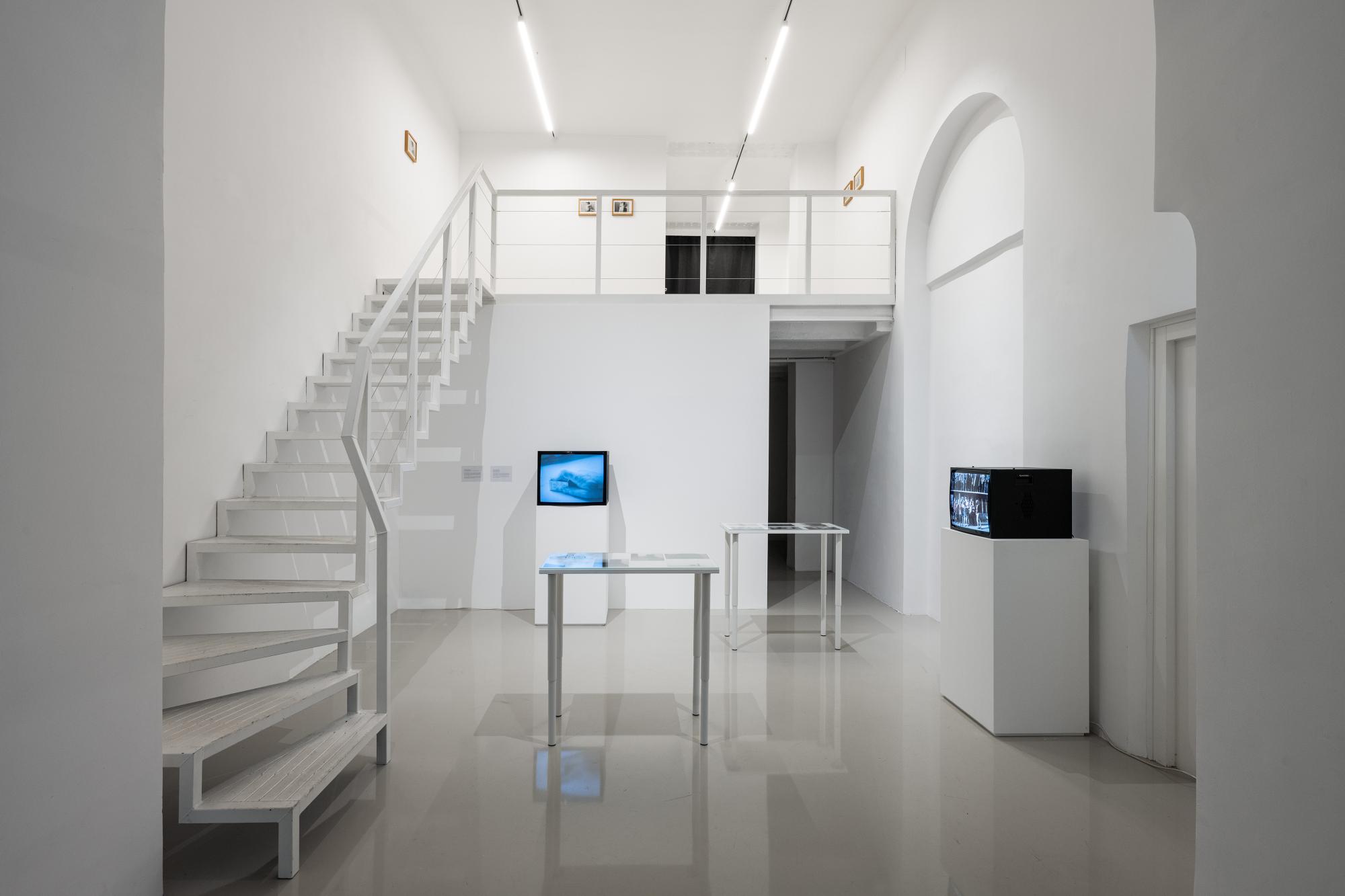
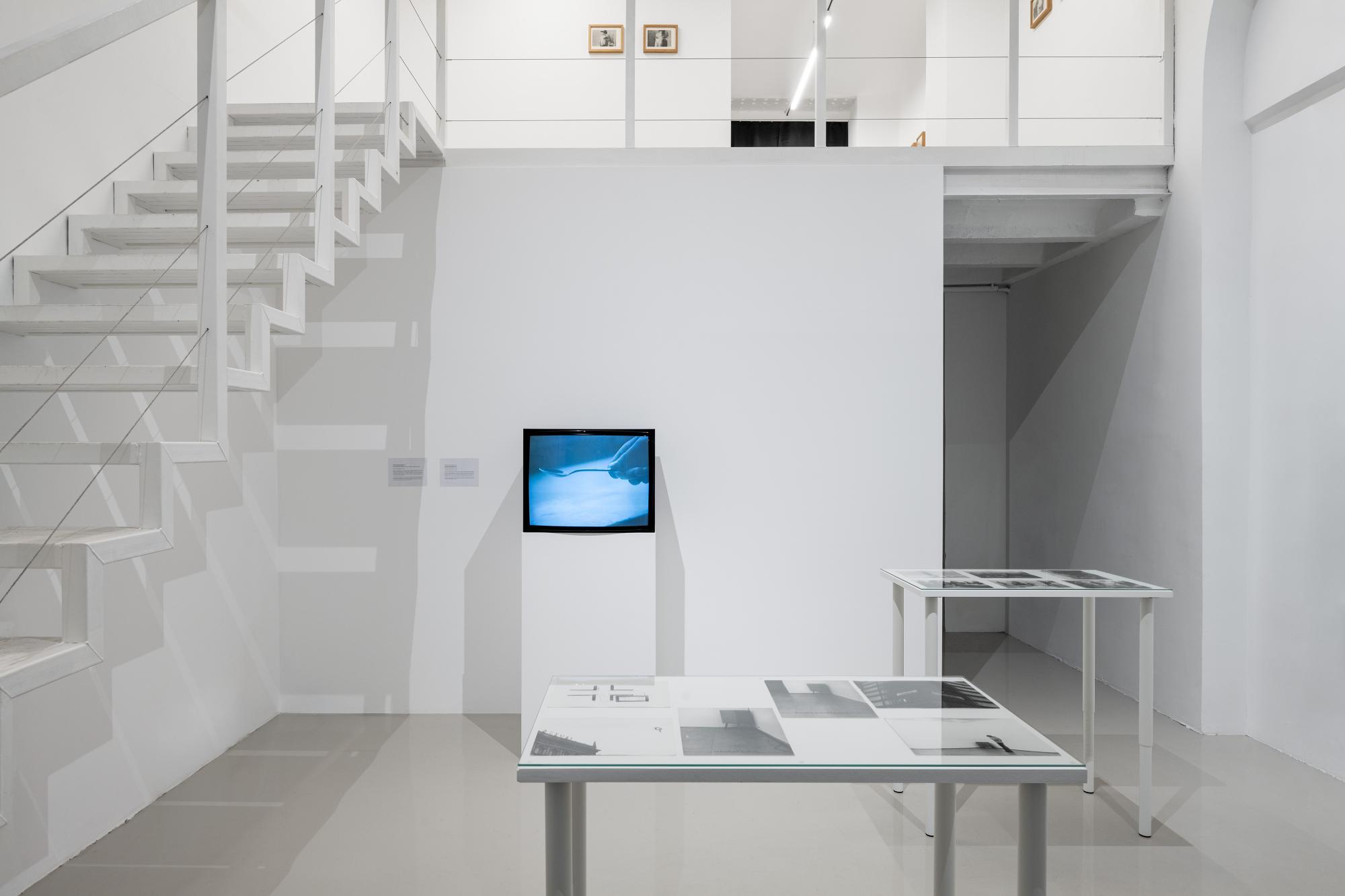
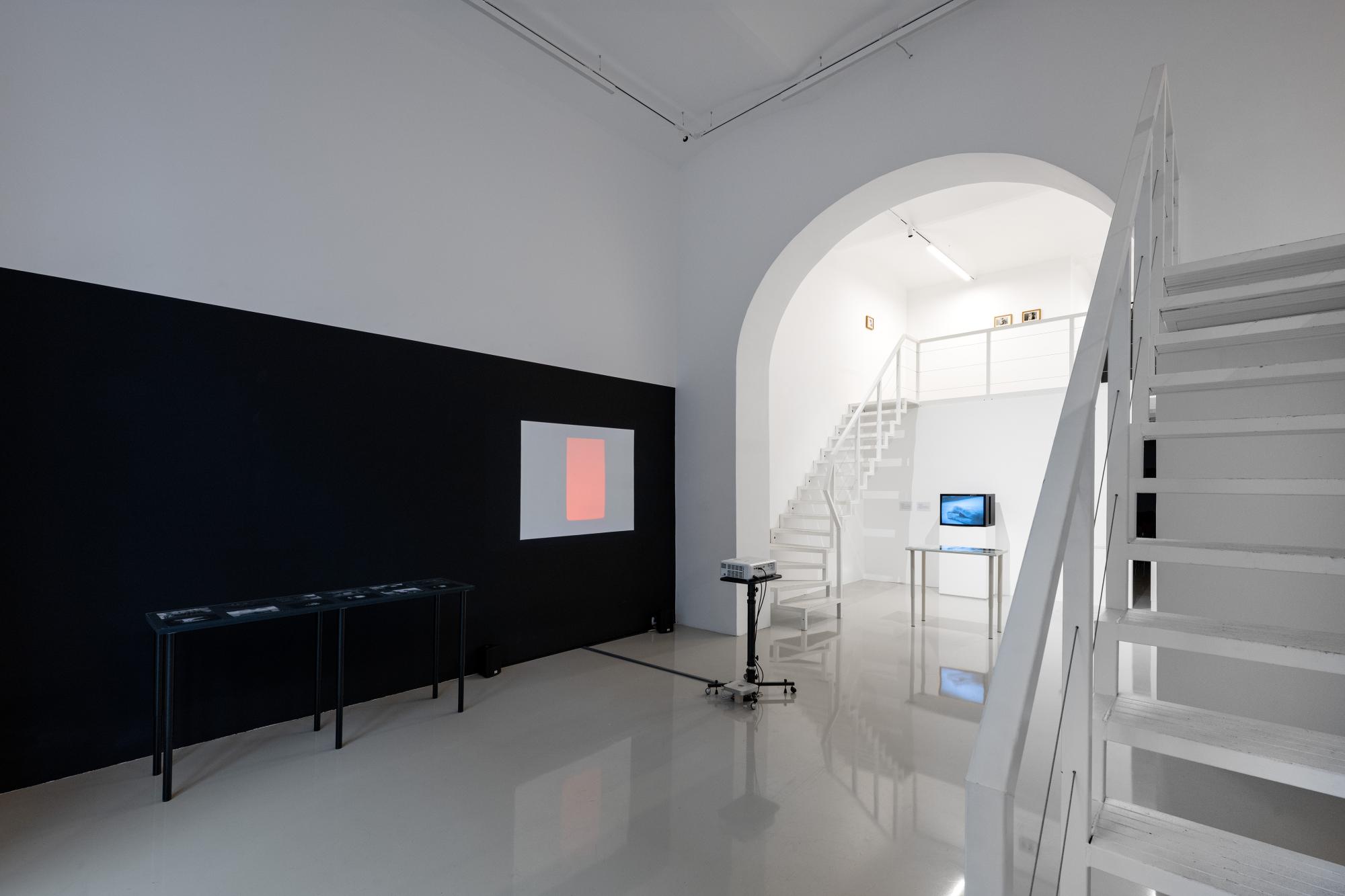
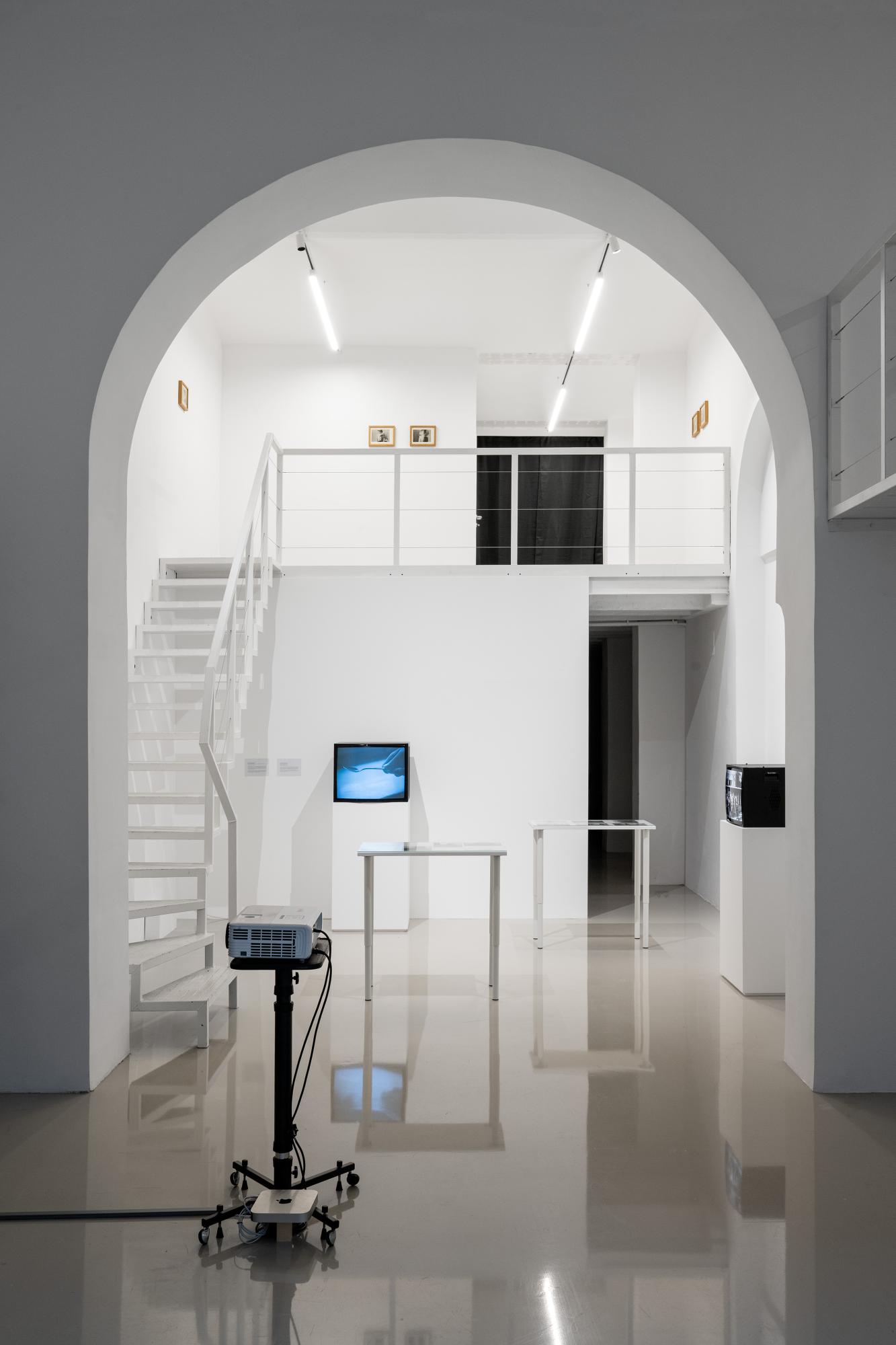
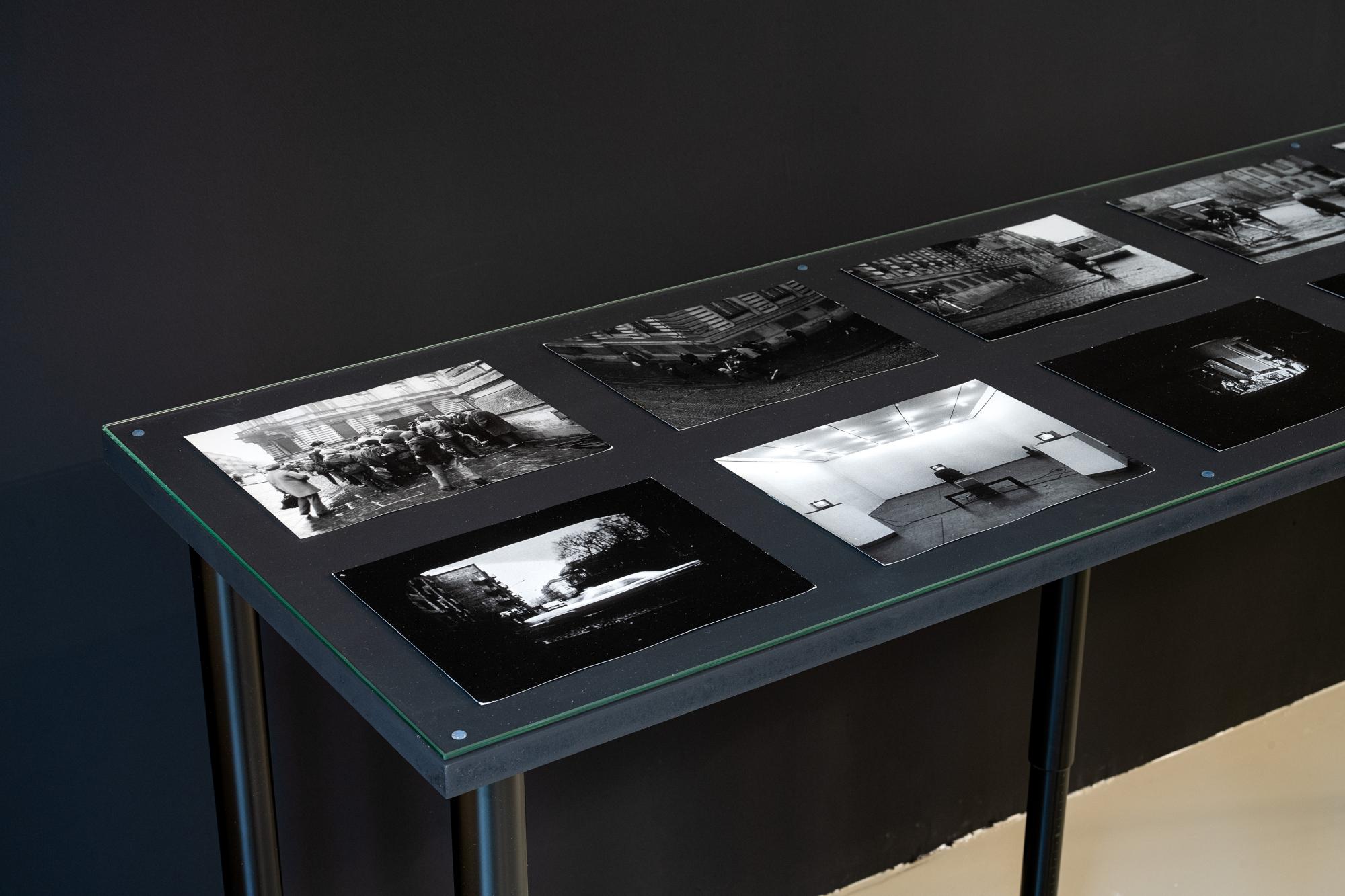
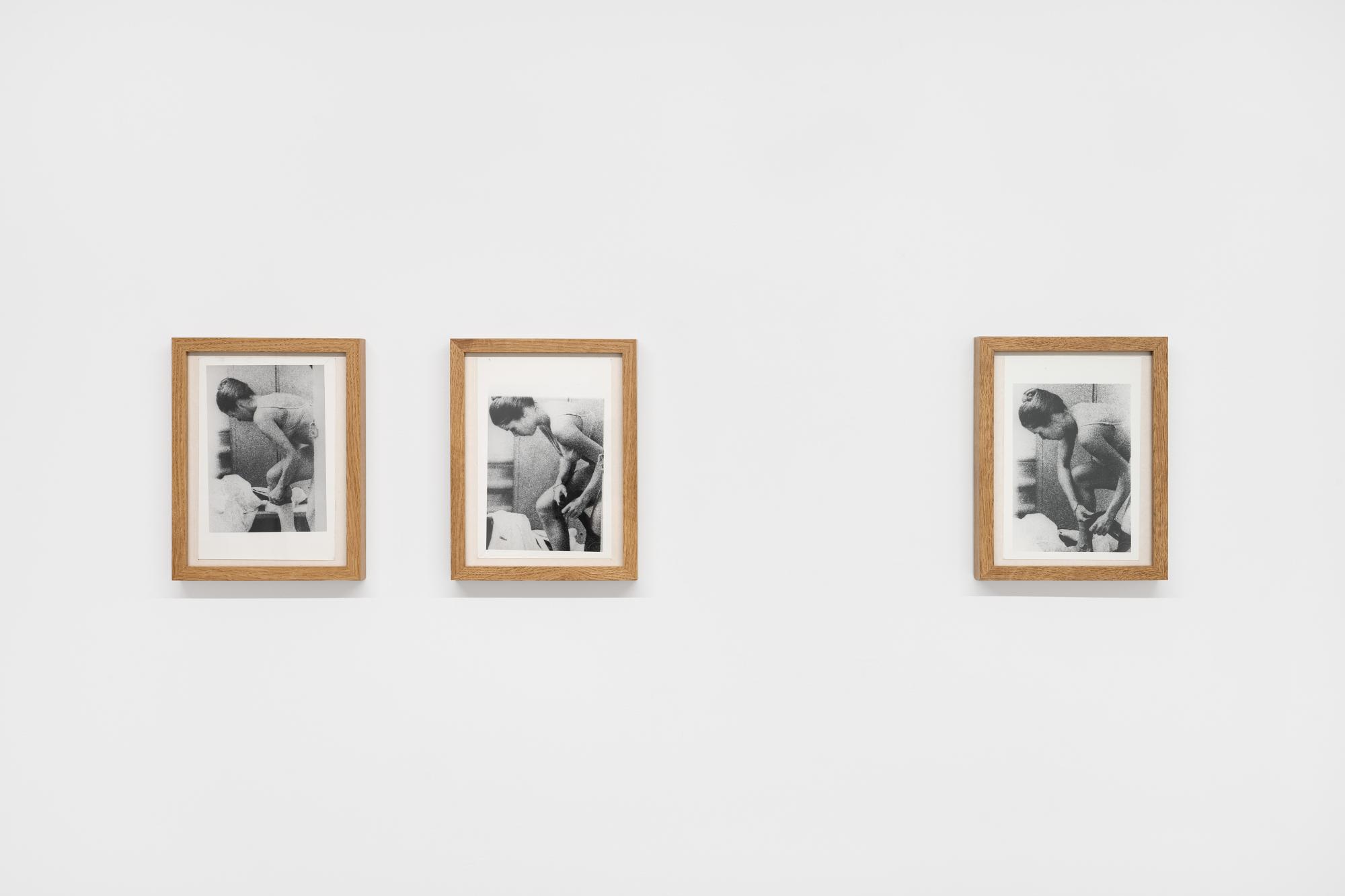
Additional Scenes brings together works by Wojciech Bruszewski, Paweł Kwiek, Yarema Malashchuk & Roman Khimei, Małgorzata Potocka, Józef Robakowski and the Workshop of the Film Form. Presented in partnership with Muzeum Sztuki in Łódź and with the support of the Polish Institute Vienna, the exhibition connects the experimental film practices of the Polish 1970s and 1980s with contemporary approaches to the moving image.
The project searches for traces of love within one of the most analytical currents of the Polish neo-avant-garde, focusing on attempts to strip film of cinematic conventions and reimagine it as an open form of communication. It considers relationships between artists as spaces of collaboration and care, while asking how they have at times distorted visibility within art history. These questions are brought into the present through the work of Yarema Malashchuk and Roman Khimei, whose practice examines the construction of cinematic images against the backdrop of Russia’s full-scale invasion of Ukraine. Here, once again, exposing the artifice of film representation opens up the possibility of an authentic connection between filmmakers, actors and viewers.
Photos
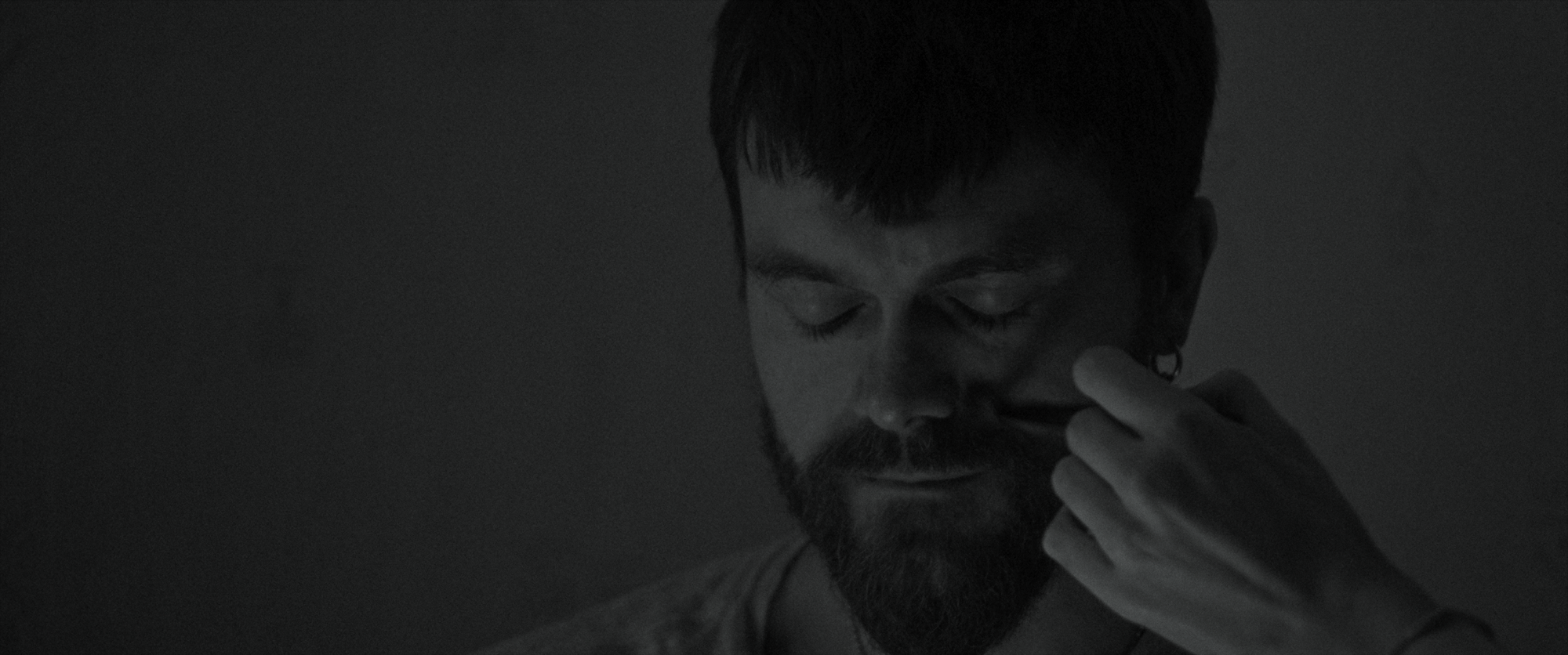
Yarema Malashchuk and Roman Khimei, Additional Scenes, 2024
single-channel video, 16 min 46 s; video still
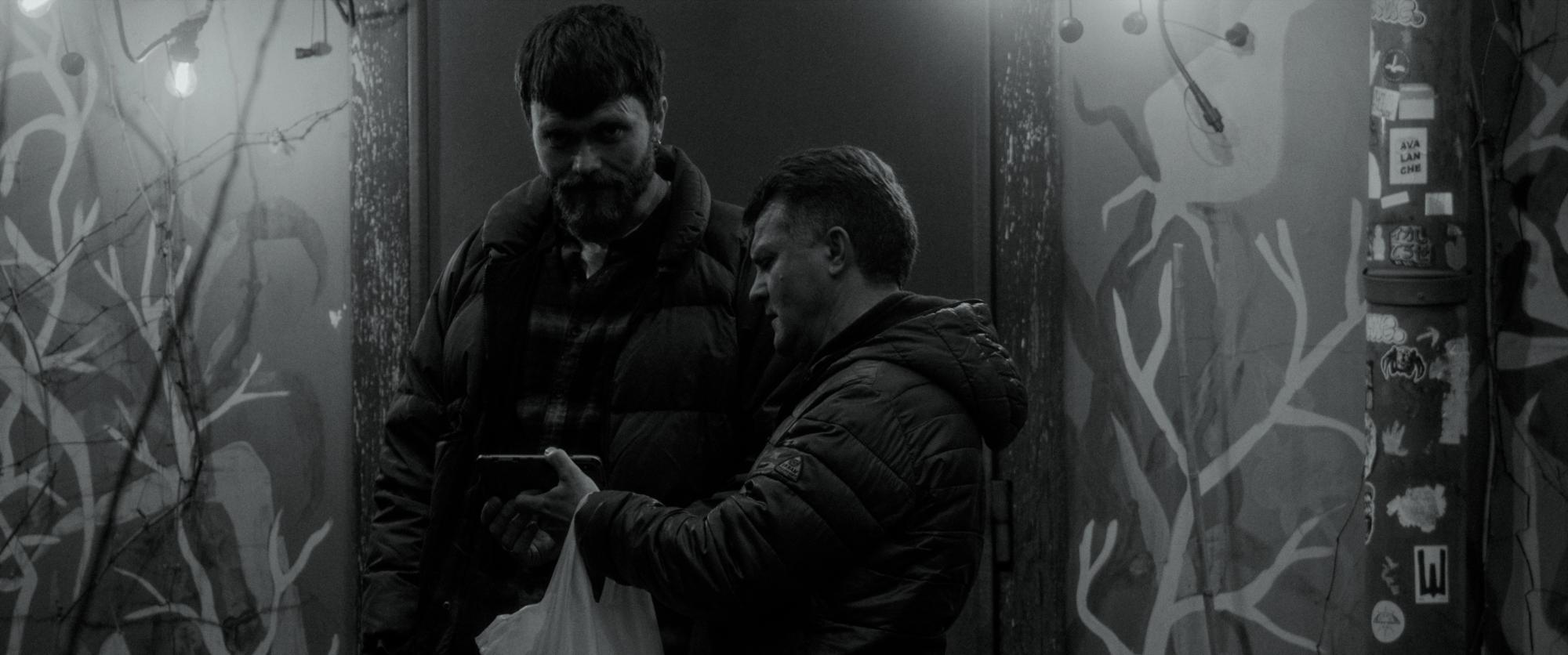
Yarema Malashchuk and Roman Khimei, Additional Scenes, 2024
single-channel video, 16 min 46 s; video still
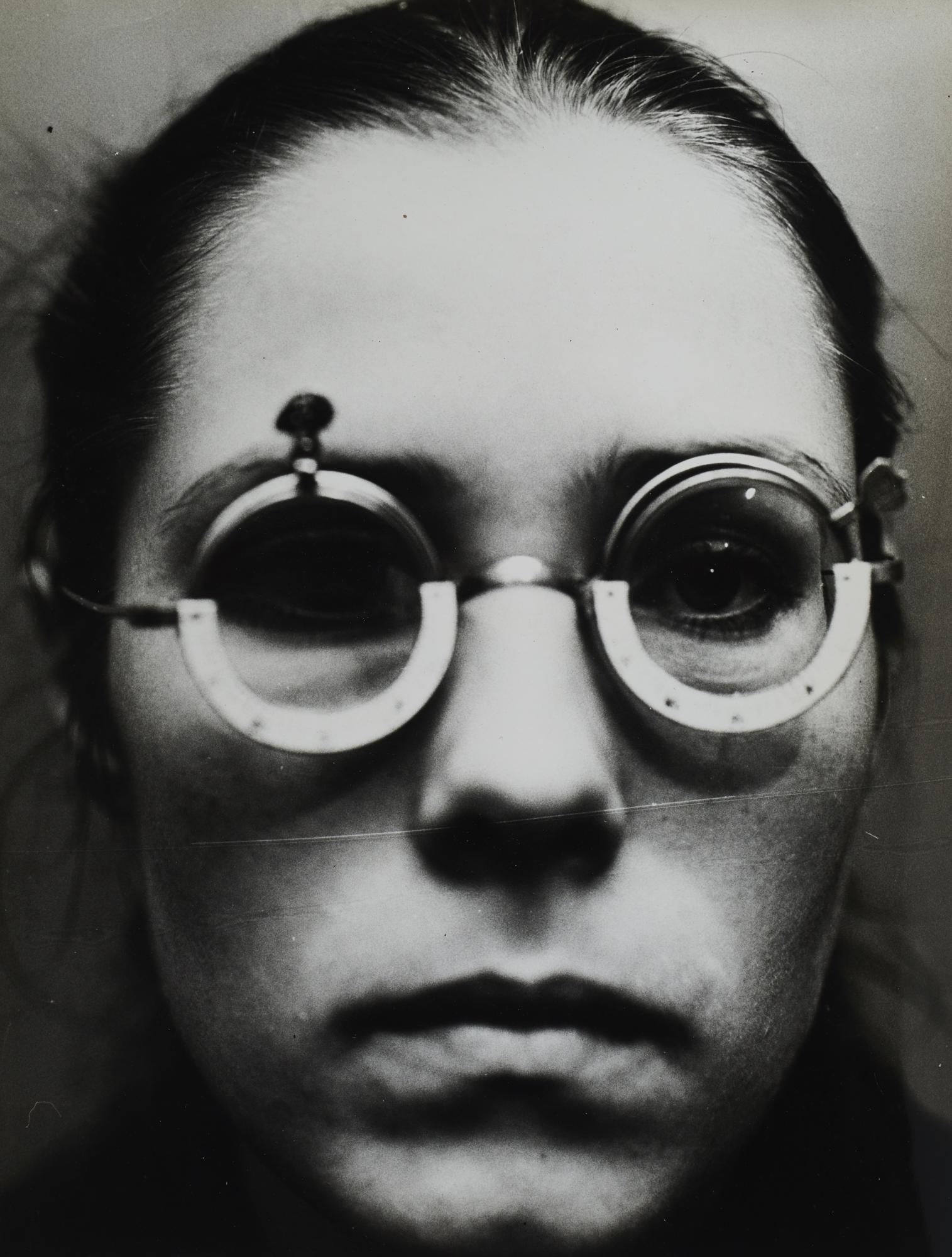
Małgorzata Potocka, Untitled from the series Corrections, 1983
photography, black and white, 50 x 40 cm
Courtesy of the artist.