



SOPHIE TAPPEINER curated by Jean-Rodolphe Petter, with Oriane Emery
„Fugitive Love“
www.sophietappeiner.com
Curator(s):
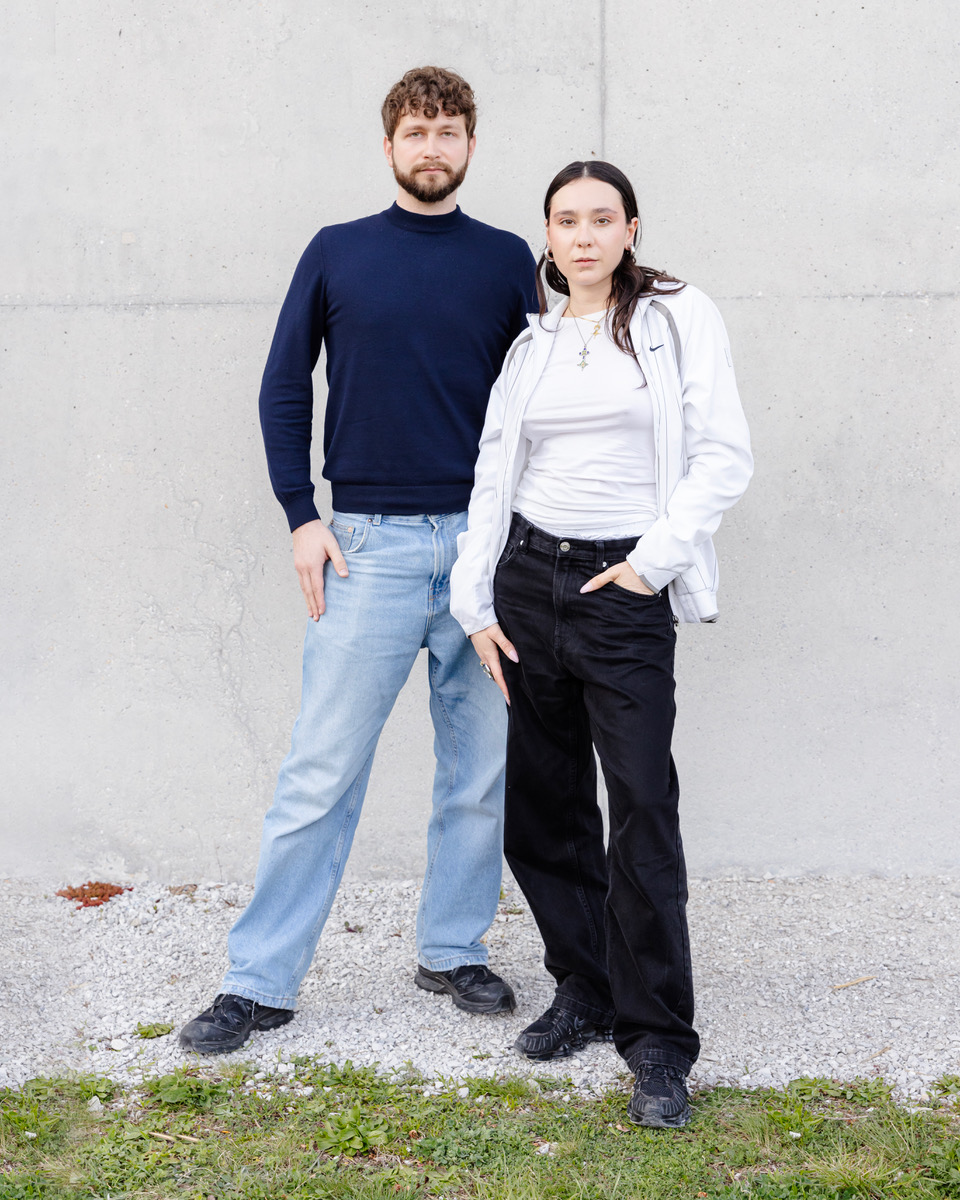
Jean-Rodolphe Petter (b. 1993) is a Swiss curator and writer based in French-speaking Switzerland. His work moves between exhibitions, research, publishing, and public conversation, with a particular focus on marginal cultural histories, vernacular gestures, and forms of emergence that often escape institutional visibility. Since 2023, he has co-led CALM – Centre d’Art La Meute in Lausanne, while developing projects in Switzerland and Vienna, publishing across several platforms, and lecturing at venues including CAPC Bordeaux.
Oriane Emery (b. 1999) is a Swiss-Algerian artist based in French-speaking Switzerland. Working across performance, installation, video, and collaborative formats, she brings an embodied and intuitive approach to questions of memory, displacement, and relation. Alongside her artistic practice, she has co-directed CALM – Centre d’Art La Meute since 2023, and her recent trajectory includes a distinction from ECAL, the EXECAL prize, residencies in Mexico and Algeria and performances presented in independent and institutional contexts.
Artist(s):
- Sophie Calle
- Samir Kennedy
- Roy Köhnke
- Miriam Laura Leonardi & Gabriele Garavaglia
- Irina Lotarevich
- Charly Mirambeau
- Shahryar Nashat
- Unyimeabasi Udoh
- Shirin Yousefi
Fugitive Love has the immediate quality of a refrain: two familiar, almost pop words whose pairing nevertheless unsettles what they seemed to promise. Love is generally understood as something we seek to hold onto, protect, name or make last. The fugitive, by contrast, refers to what remains only for a moment, what evades capture, what is on the run, but also what refuses to submit to the established order. Their encounter therefore does not describe a love that has simply disappeared. It points to a relationship that must sometimes move, become opaque or change form in order to continue to exist.
The exhibition approaches love beyond the romantic couple while retaining its full force of desire, pleasure, dependence, vulnerability, grief and contradiction. Moving across bodies, images, clothing, places and narratives, love unsettles any singular account of where it resides. It connects partners, loved ones, strangers, temporary communities and absent people.
What makes love fugitive is not necessarily its brevity, but its refusal to adopt the forms through which a relationship is expected to become visible, intelligible and legitimate. Making a relationship visible, nameable and recognisable is not always enough to emancipate it, and not everything that remains opaque is absent. Certain attachments survive precisely because they escape ownership, classification, administration or their conversion into immediately consumable images. When permanence and recognition are denied to them, escape becomes a method: a way of preserving what can only continue to live by remaining in motion.
Bringing together historical, established and emerging positions, Fugitive Love traces these movements from the 1980s to the present. Rather than assembling the works around a shared representation of love, the exhibition constructs a space that follows the forms through which relationships endure: through what they conceal, displace, leave behind or keep alive.
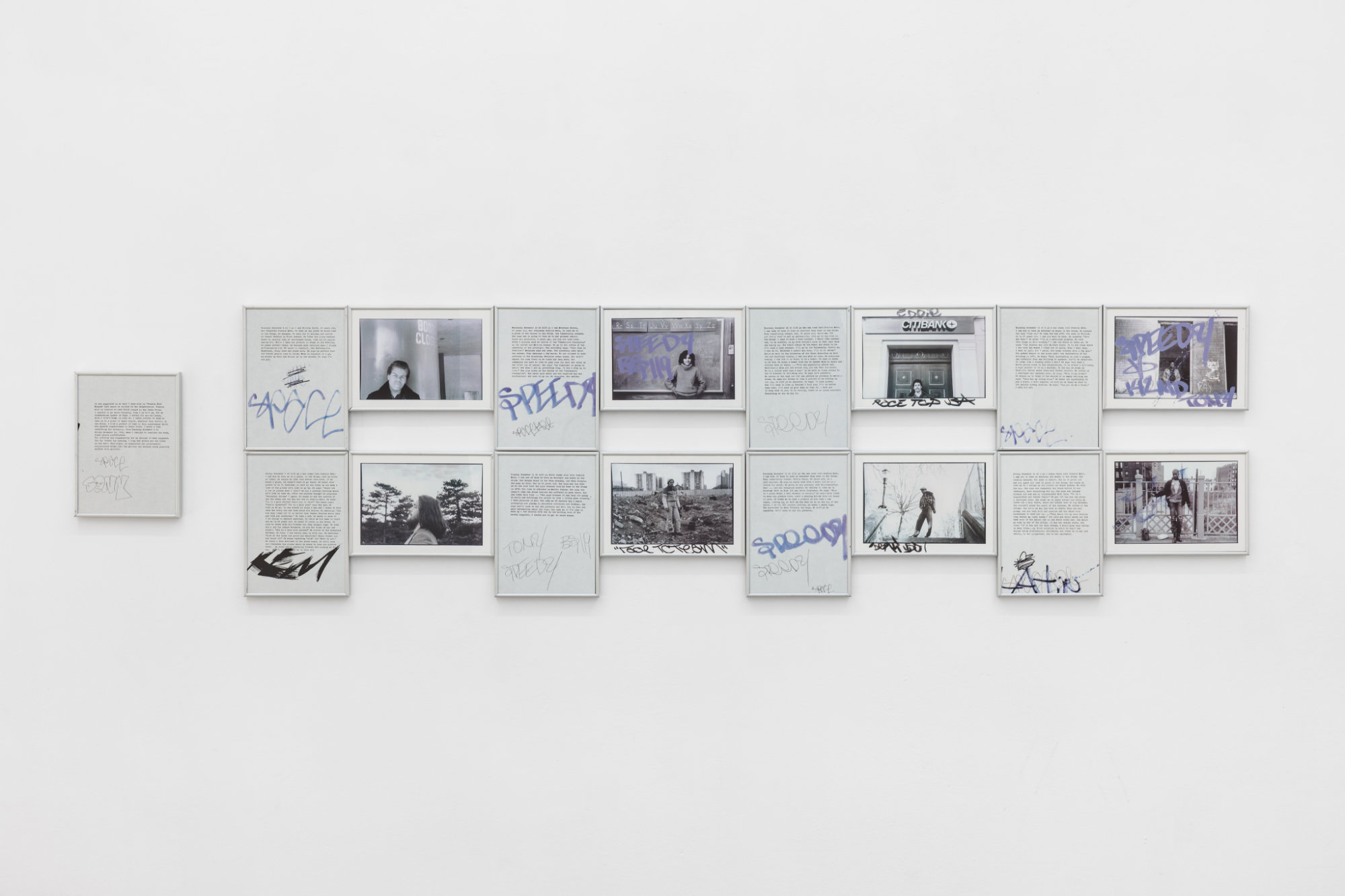
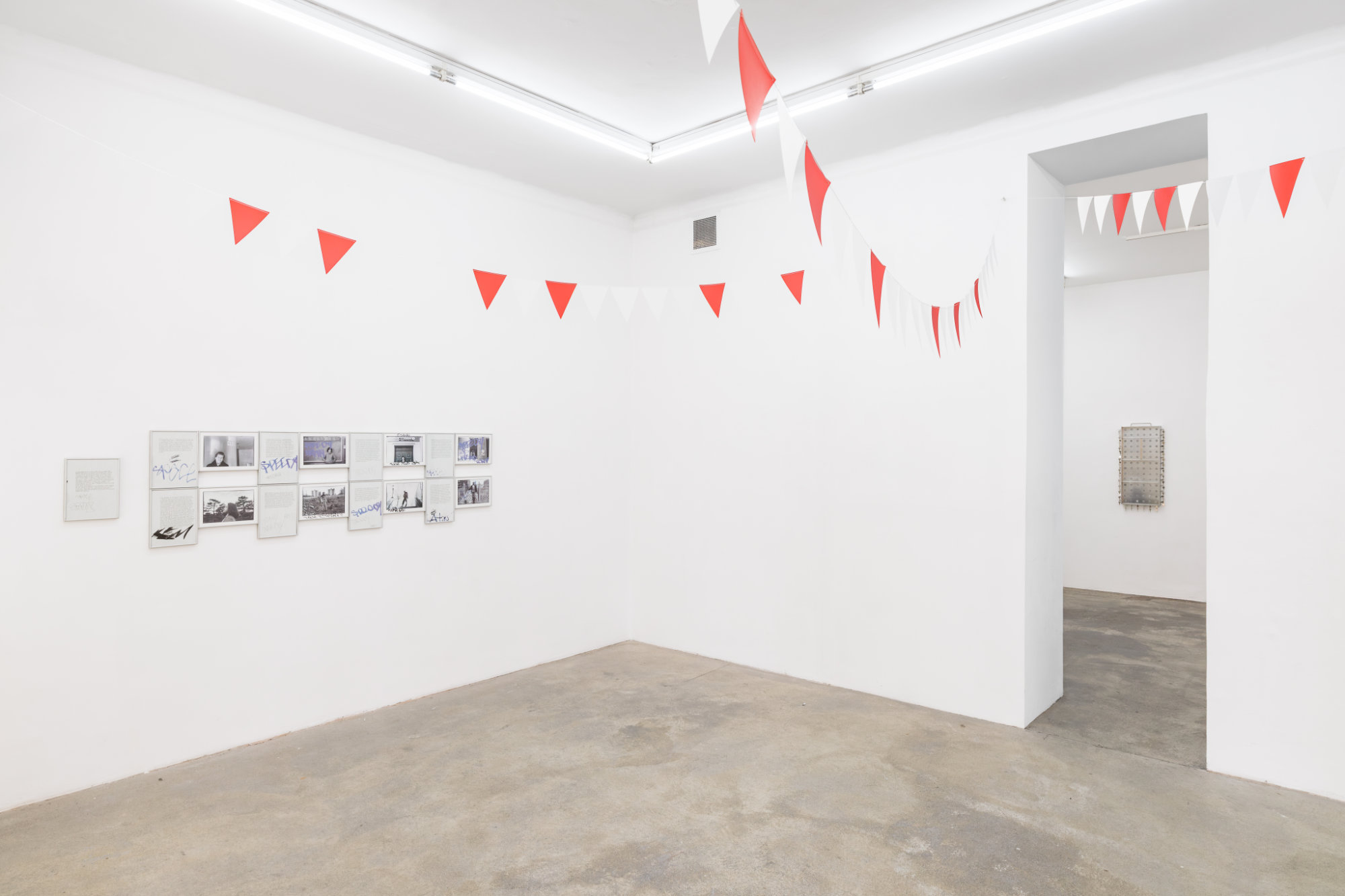
First presented at Fashion Moda in 1980, Sophie Calle’s The Bronx forms the historical anchor of the exhibition. After asking residents of the South Bronx to lead her to places that mattered to them, Calle documented these encounters through photographs of each resident standing in front of the place they had chosen, accompanied by written testimonies; together, these photographs and texts formed the installation presented at Fashion Moda. On the night before the opening, young people from the neighbourhood broke into the gallery and covered the exhibition space, including parts of the installation, with tags. Rather than erasing their intervention, Calle preserved its traces, which became an integral part of the work and displaced her authority over it.
In his performance The Aching, Samir Kennedy transforms British, Irish and North American folk songs into a physical experience that is both tender and brutal. Voice, movement and repetition allow pain to circulate between the performer’s body and that of a temporarily assembled audience, so that grief ceases to be a closed interior state and becomes an emotion carried collectively. The performance will take place on Saturday, 12 September at 5 pm and will last 45 minutes.
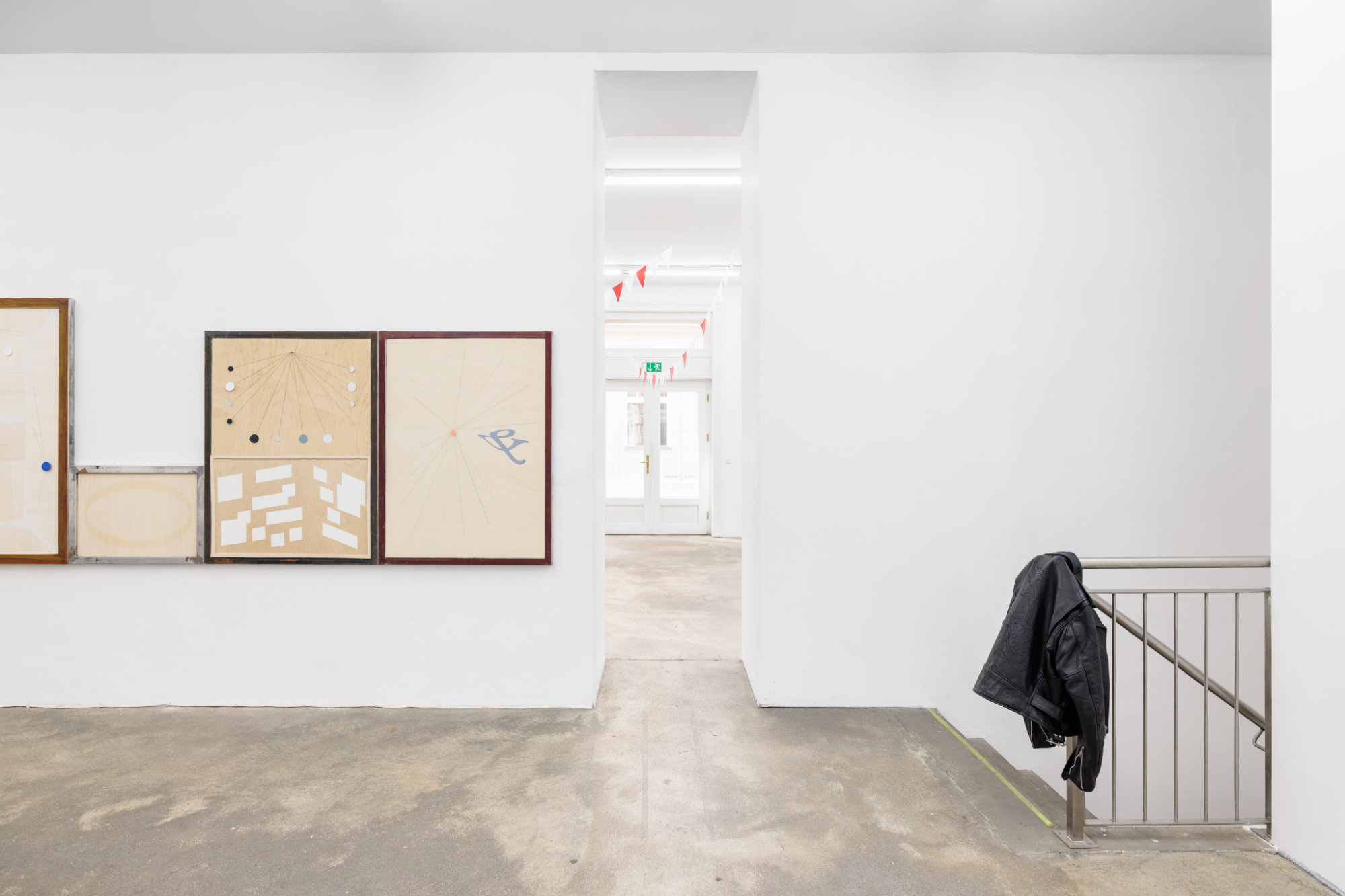
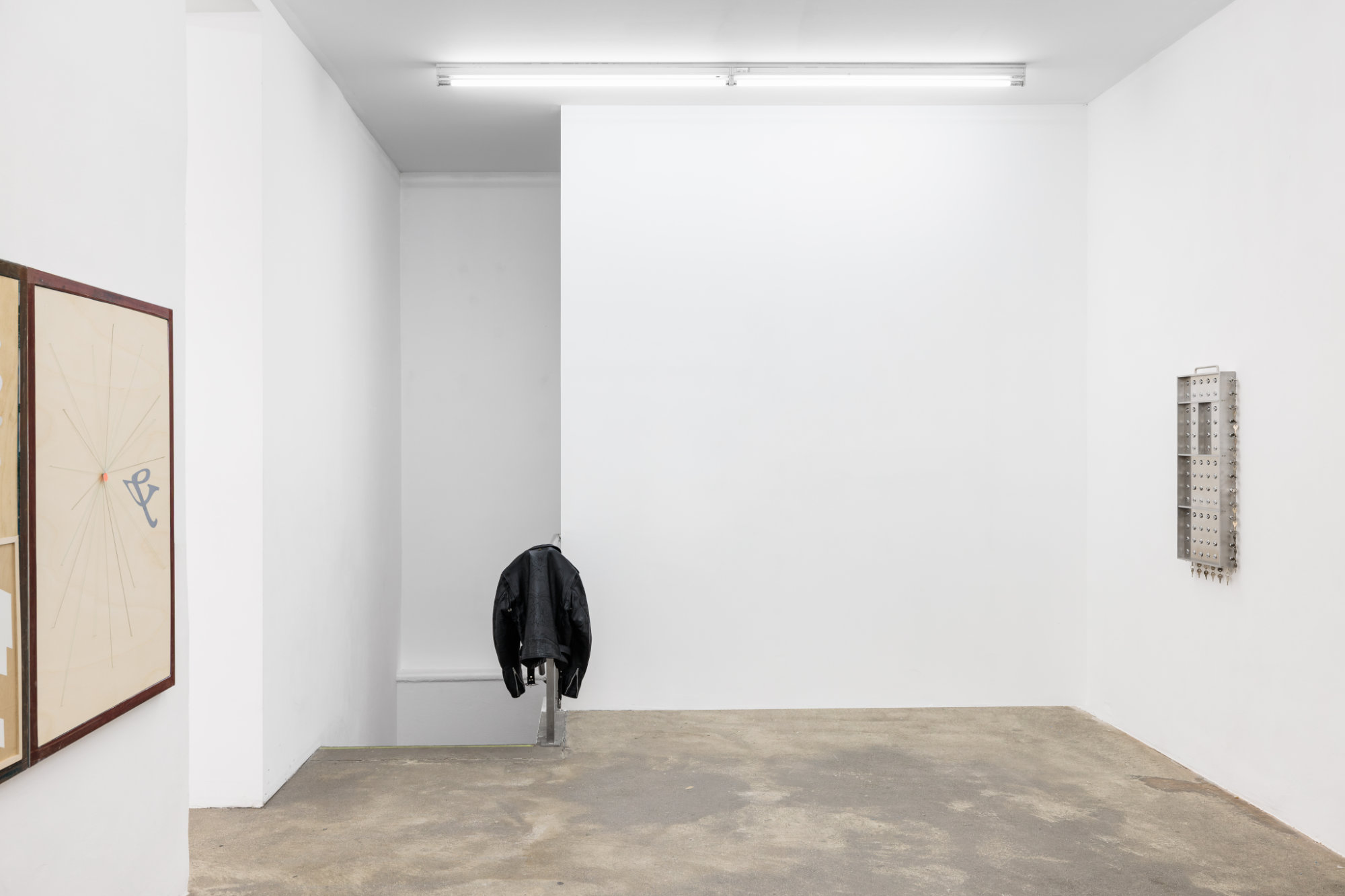
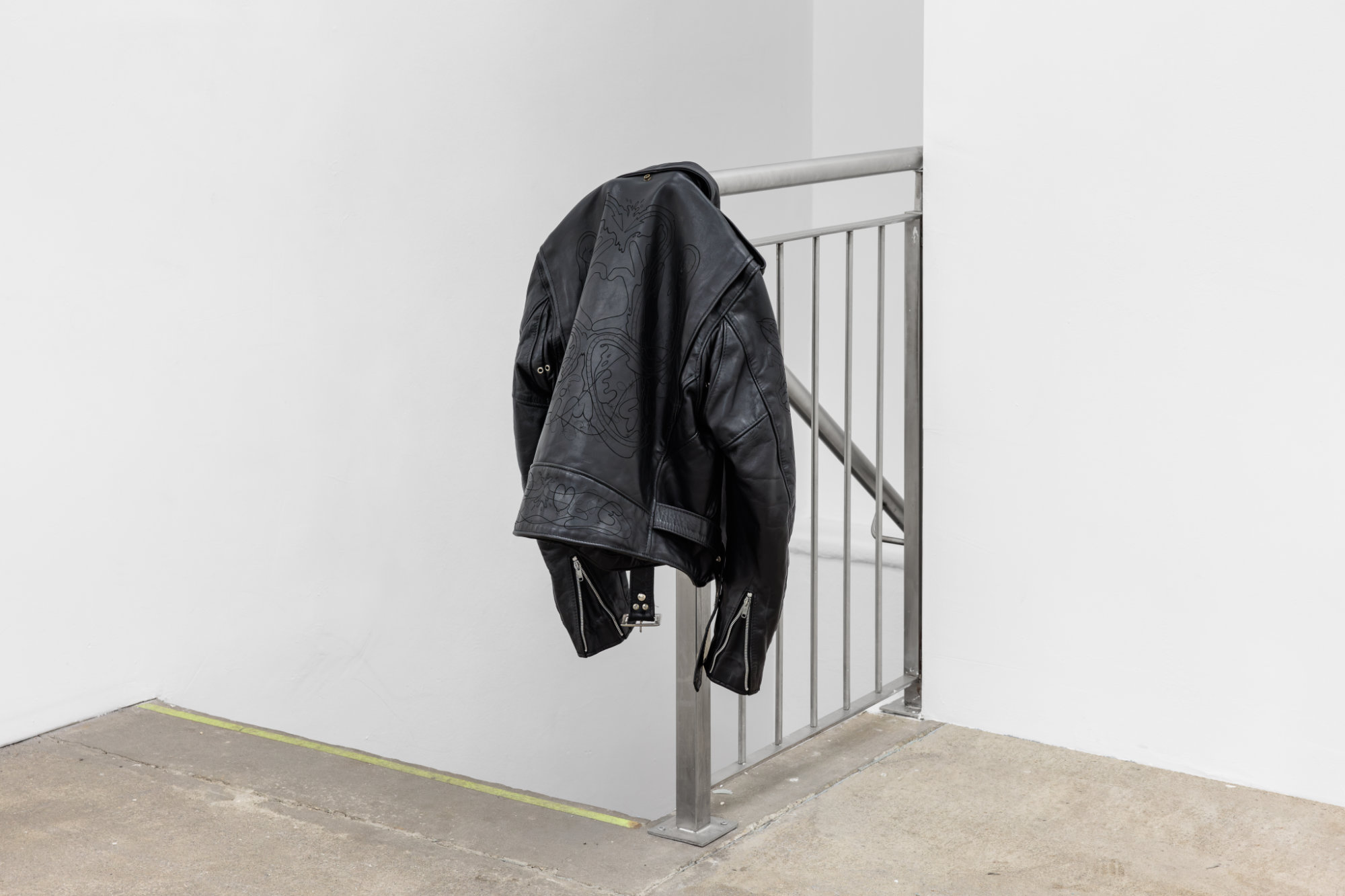
Roy Köhnke’s leather jacket, from his Public Display of Affection series, is suspended from the gallery’s staircase railing as though someone had just slipped out of it, turning clothing into a substitute for an absent body. An iconic garment, the Perfecto biker jacket has been repeatedly reappropriated by punk, queer and trans communities as a vehicle for political expression in public space. Marked with hand-drawn images, the jacket reactivates this collective history while transforming familiar declarations of love into an intimate and resistant form of address, rooted in personal experience while opening onto broader histories of queer and trans struggle.
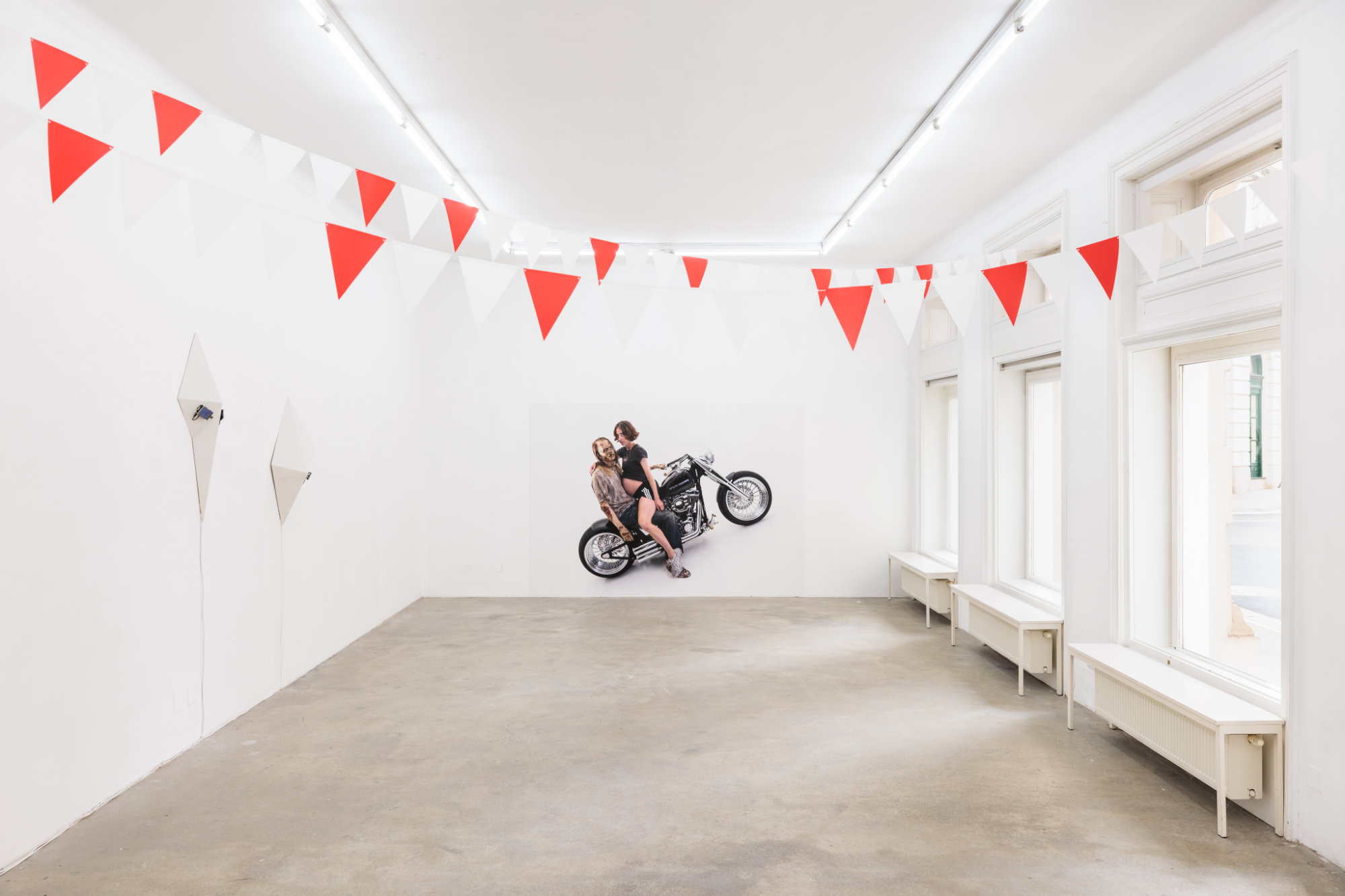
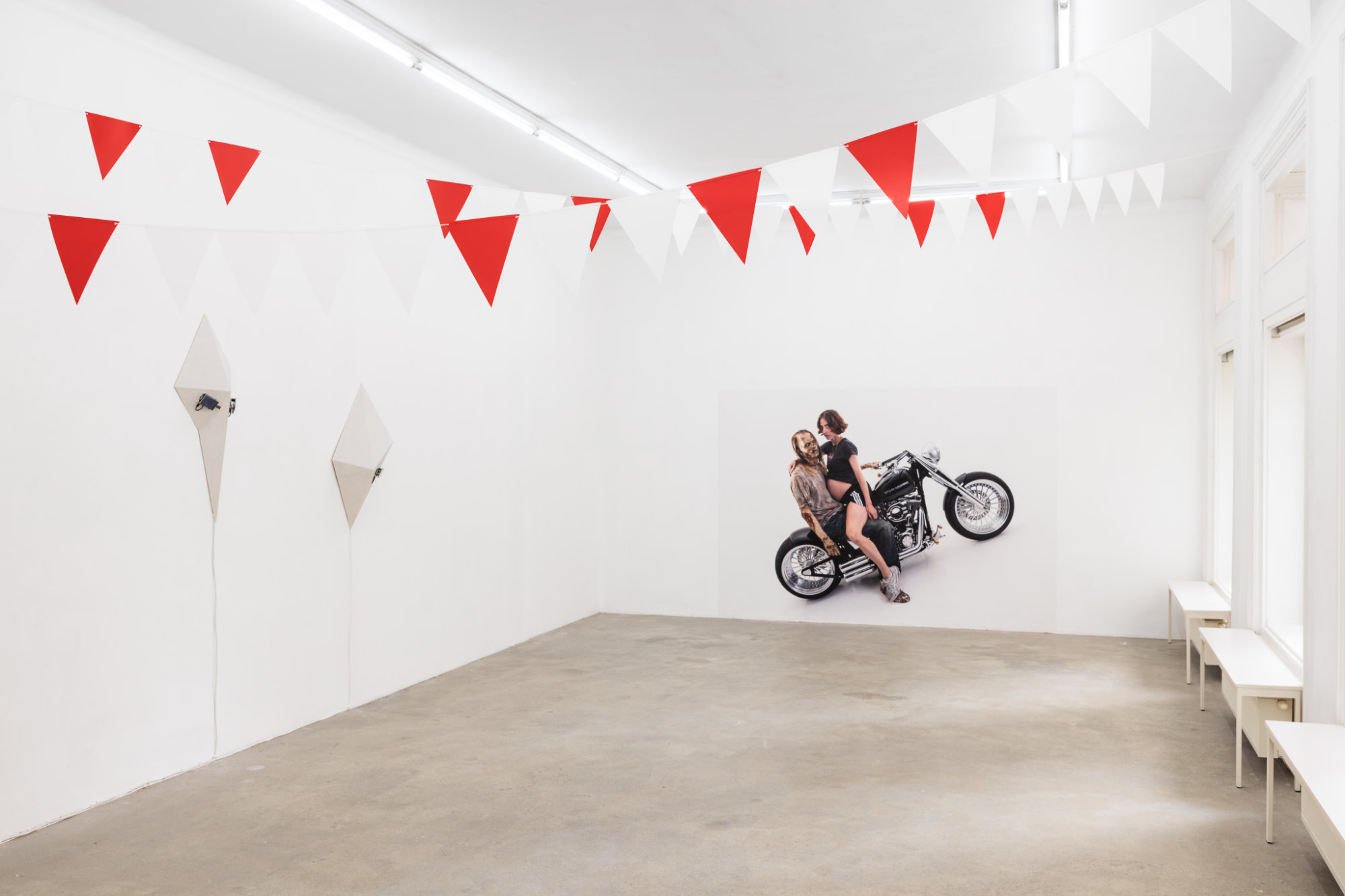
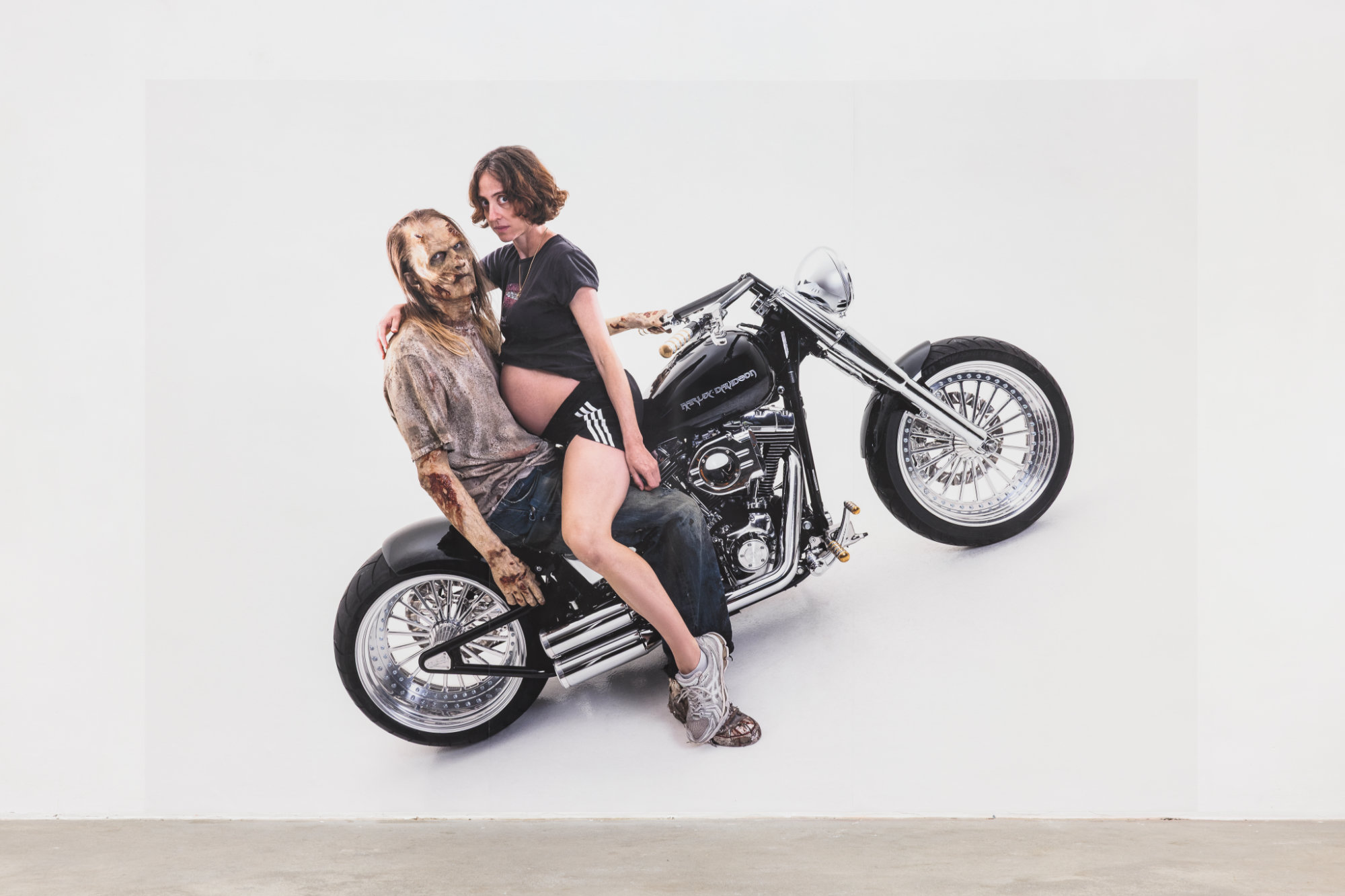
In BAE, Miriam Laura Leonardi and Gabriele Garavaglia stage themselves together on a Harley-Davidson. Enlarged to the scale of the wall, the portrait shifts a real intimate situation into a fiction that is at once pop, advertising-like and monstrous. The relationship appears at the very moment it is transforming: exposed and disguised, shaped by desire and the projection of a shared future, it cannot be reduced to the recognisable image of either the couple or the family.
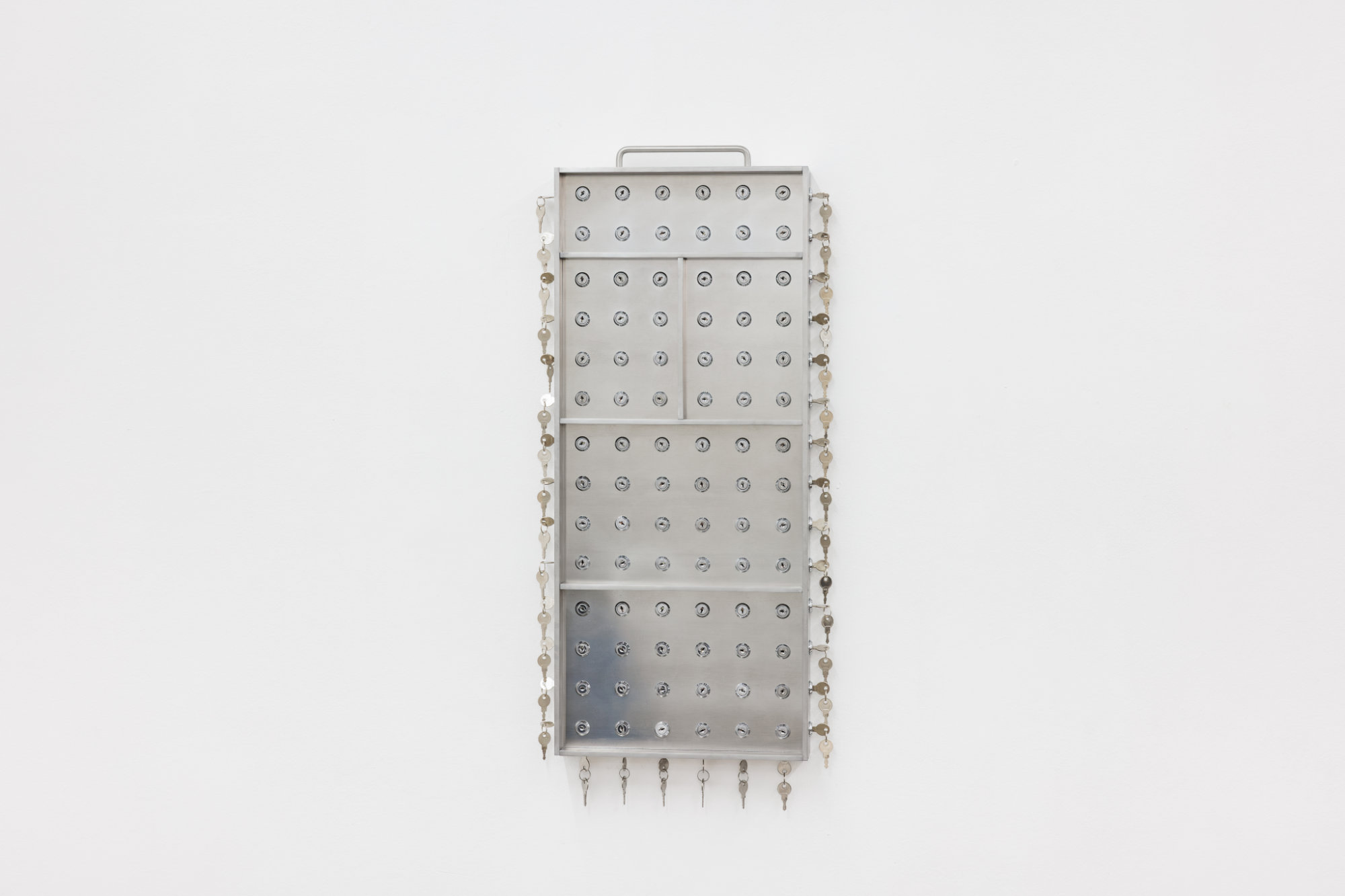
In Housing Anxiety, Irina Lotarevich draws on the vocabulary of housing, locksmithing and construction to confront the elementary need for shelter with the abstract systems that regulate access to a place in which to live. Positioned between a protective structure and an apparatus of control, the work reminds us that intimacy always depends on material, administrative and economic conditions that can also make it impossible.
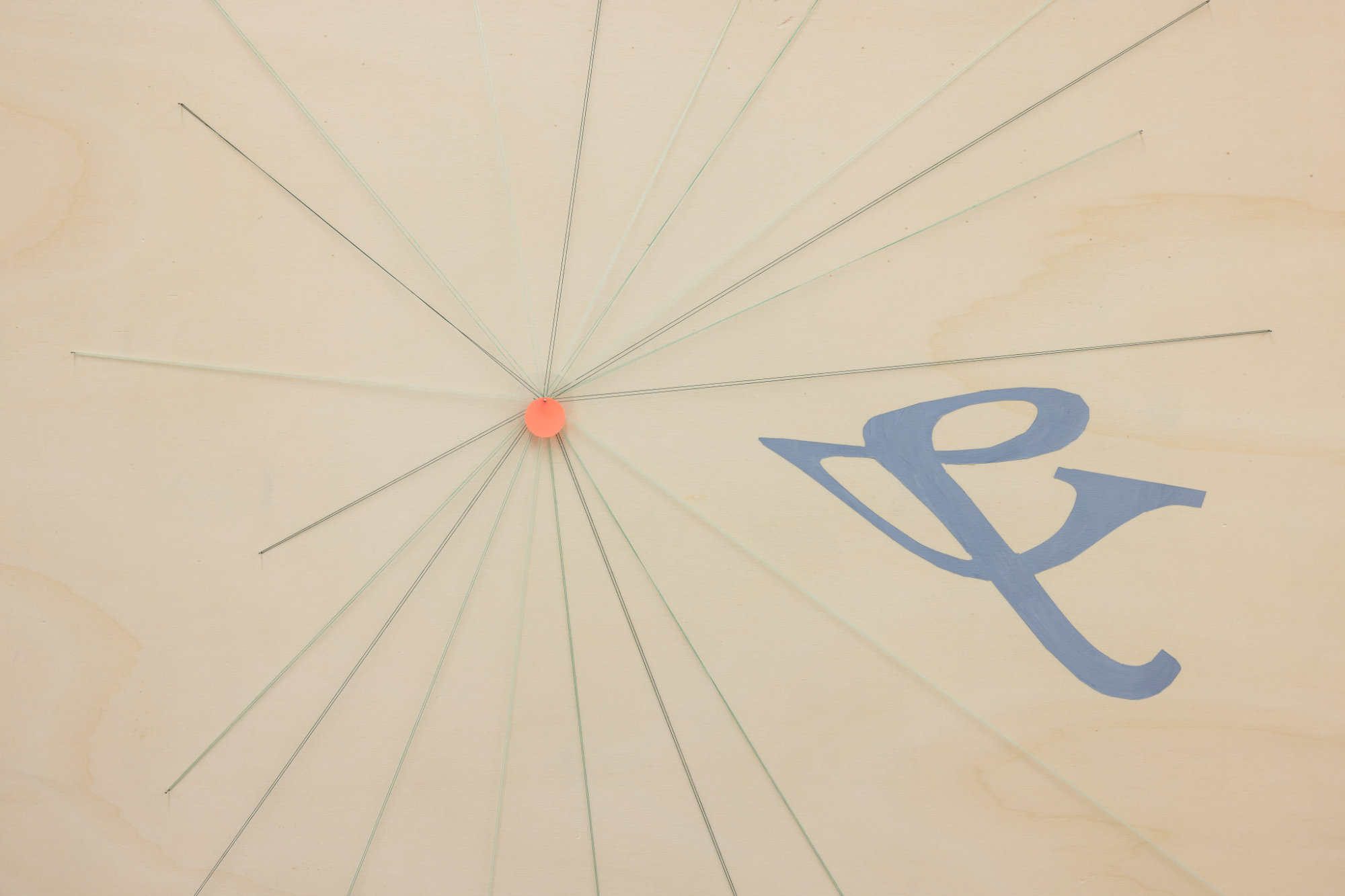
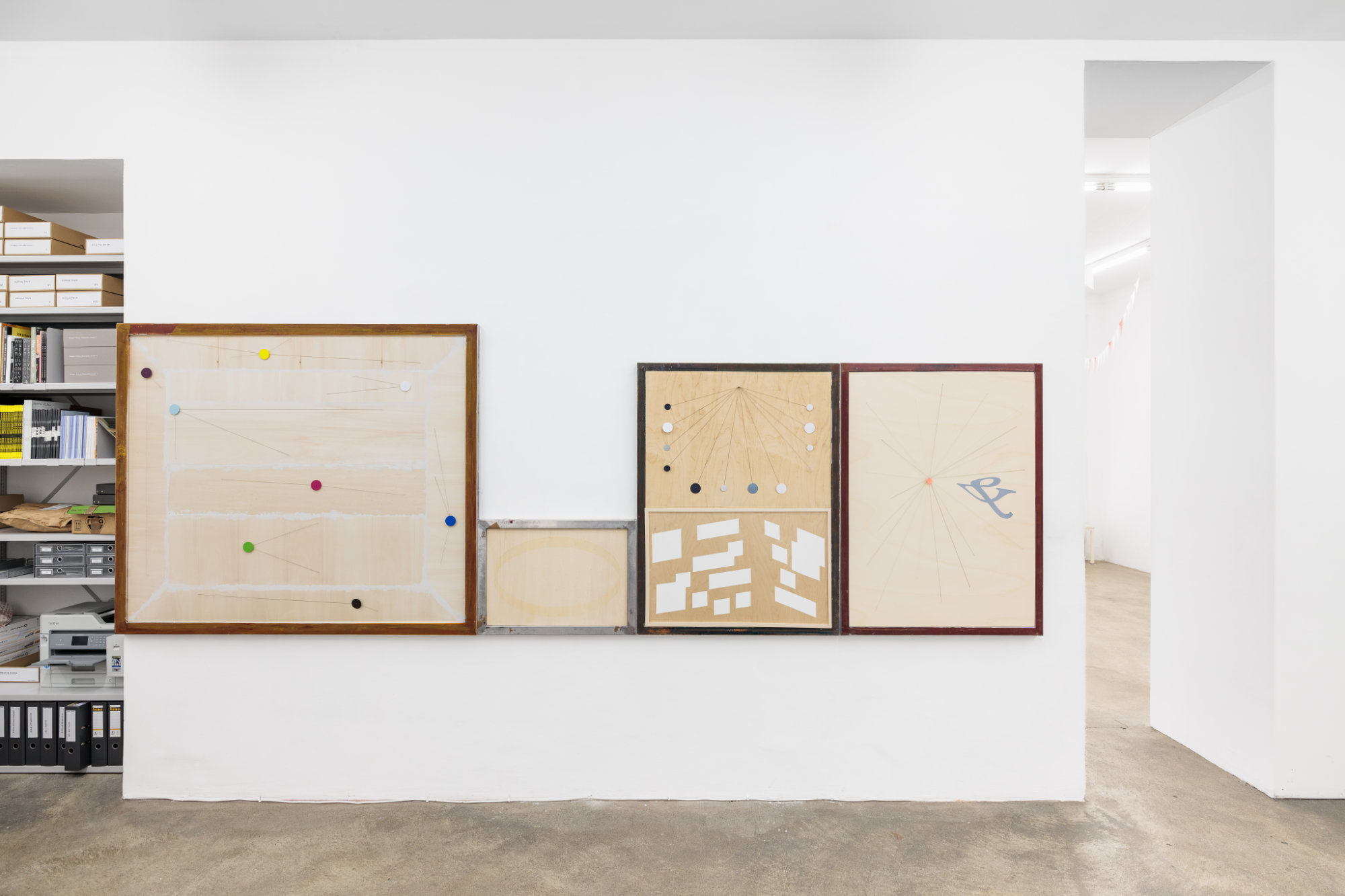
In works from Charly Mirambeau’s Solar Anus series, metal frames surround wooden panels where nails, sequins and graphic elements are connected by threads. Drawing on amateur practices and feminist material traditions, these constructions develop a language somewhere between ornament, diagram and writing. Their constellations operate like rebuses without a fixed key, suggesting a syntax while resisting definitive interpretation. Through this unstable grammar, abstraction, materiality and ornament become tools for inventing new forms of meaning.
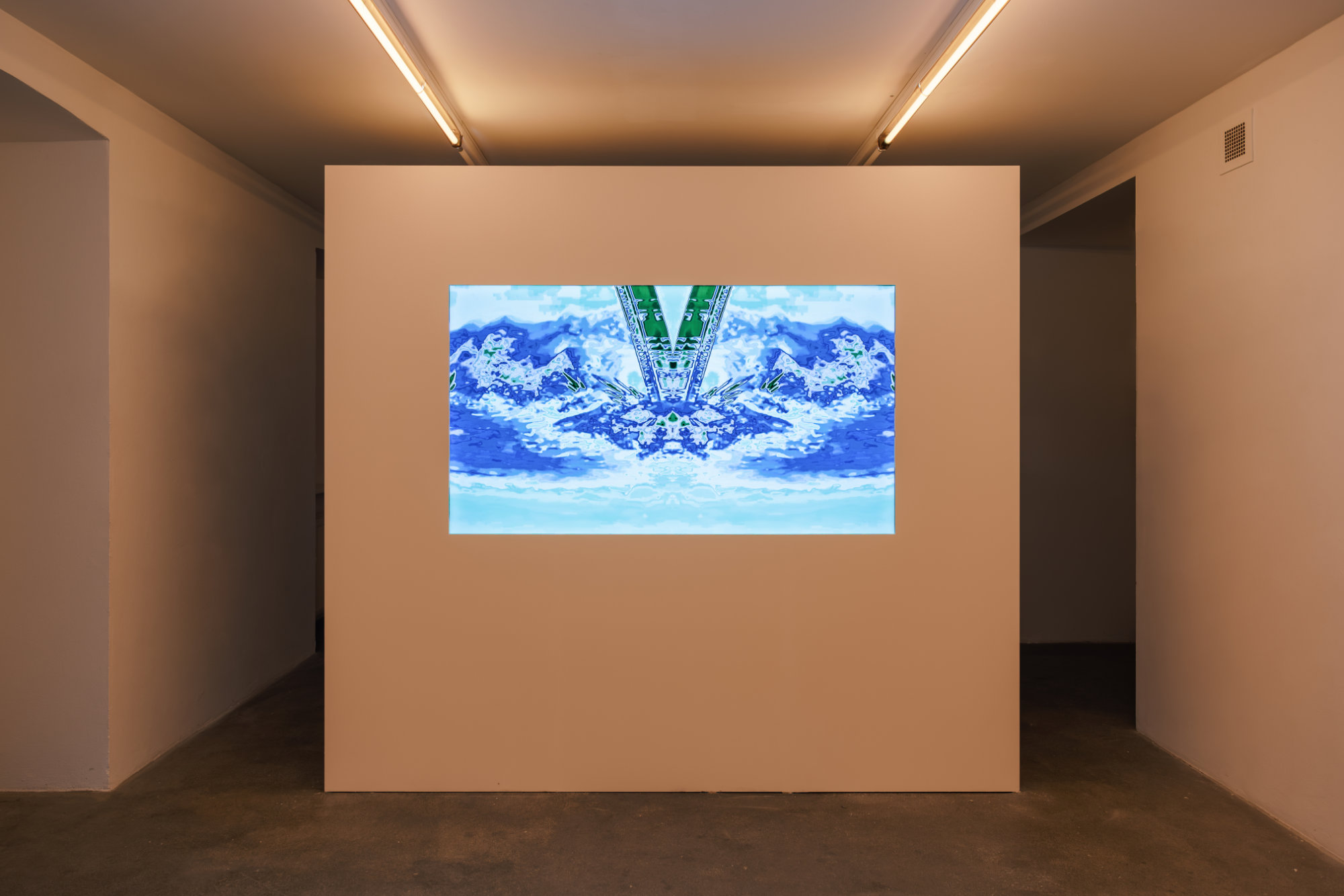
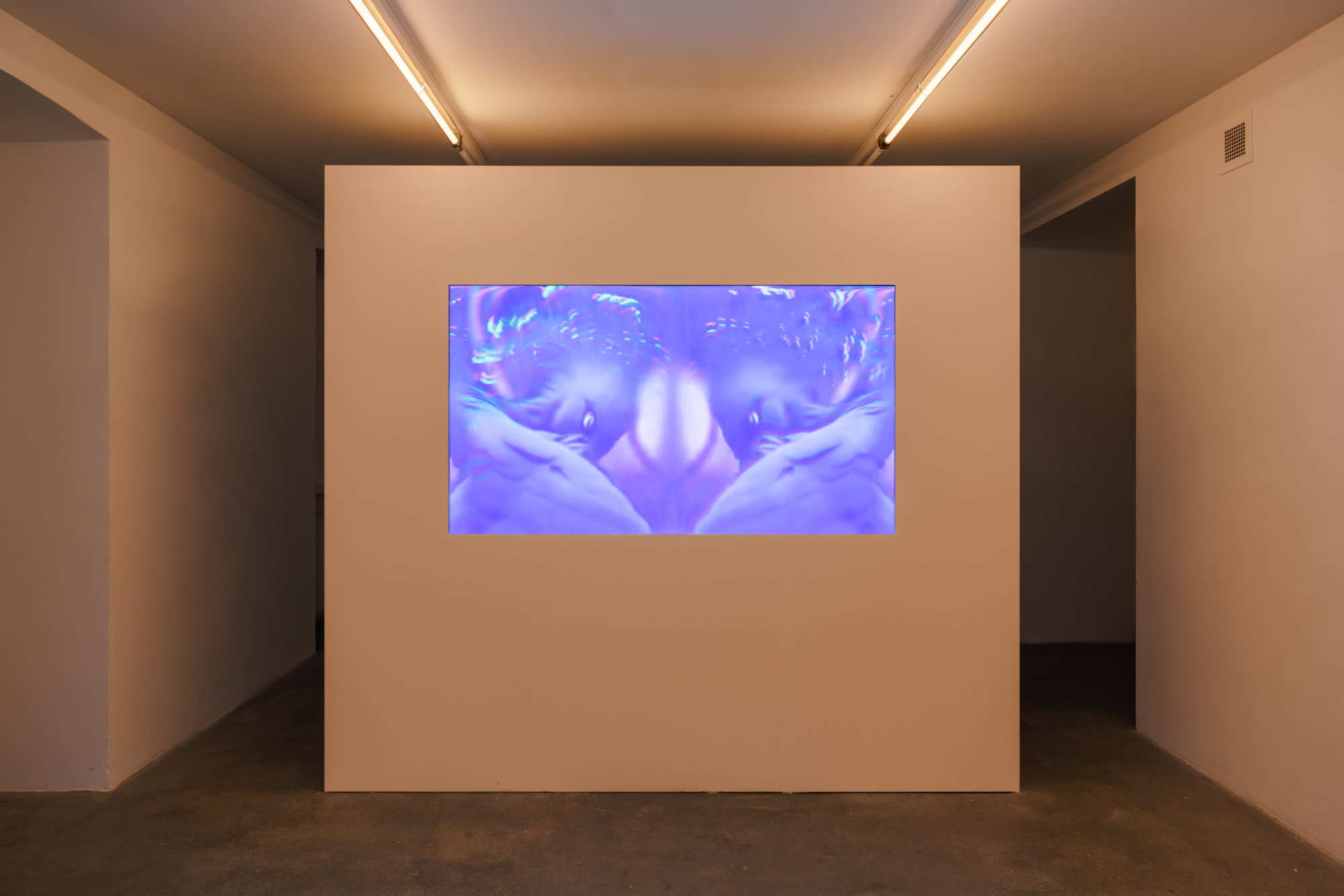
In Boyfriend_00.JPEG, Shahryar Nashat confronts the intimacy promised by the title with the technological mediation of the screen. The loved body never appears as a fully available presence: framed, fragmented, enlarged and repeated, it becomes simultaneously closer and more elusive, making visible how technologies intended to preserve an image can also make its absence palpable.
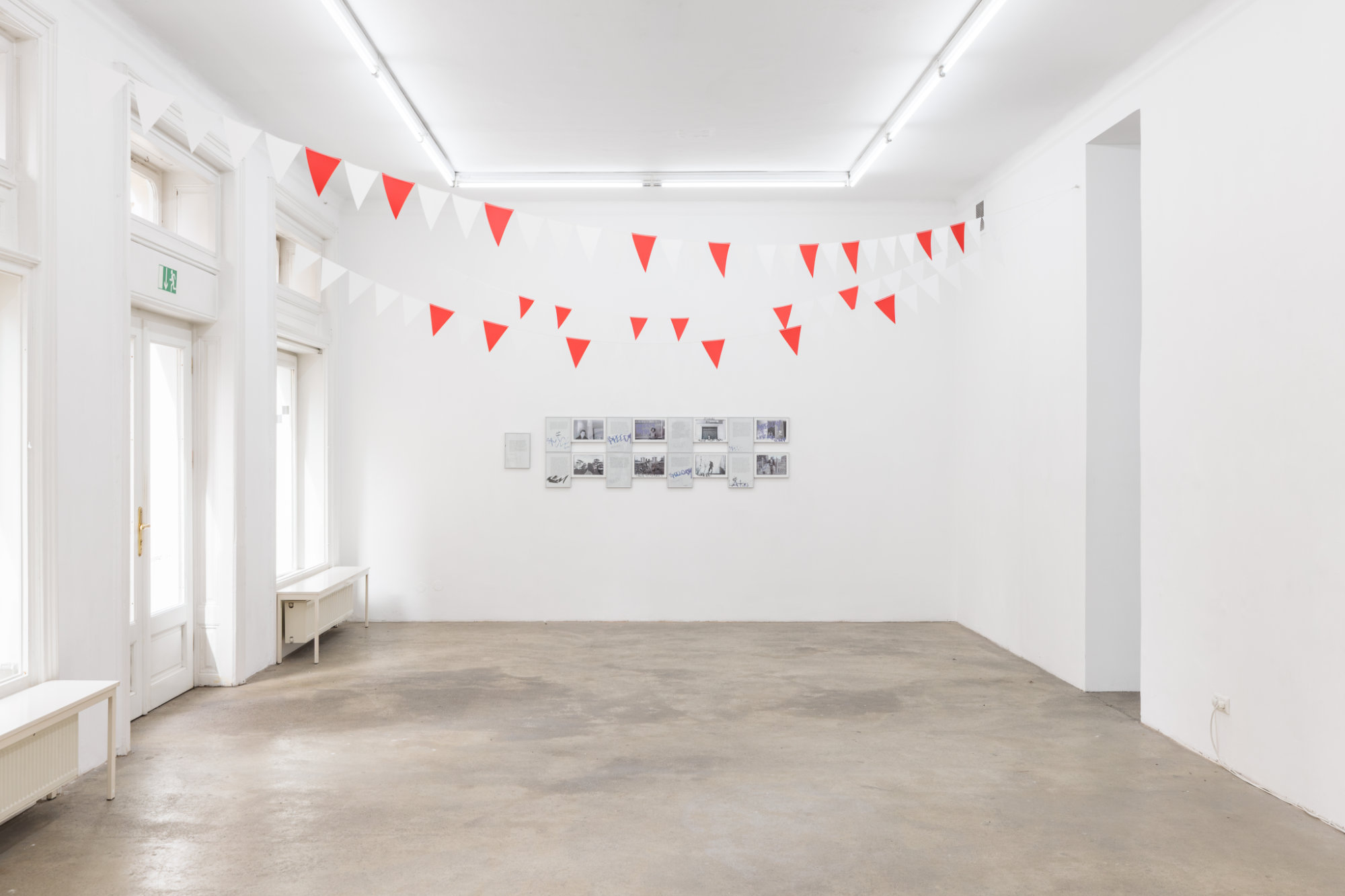
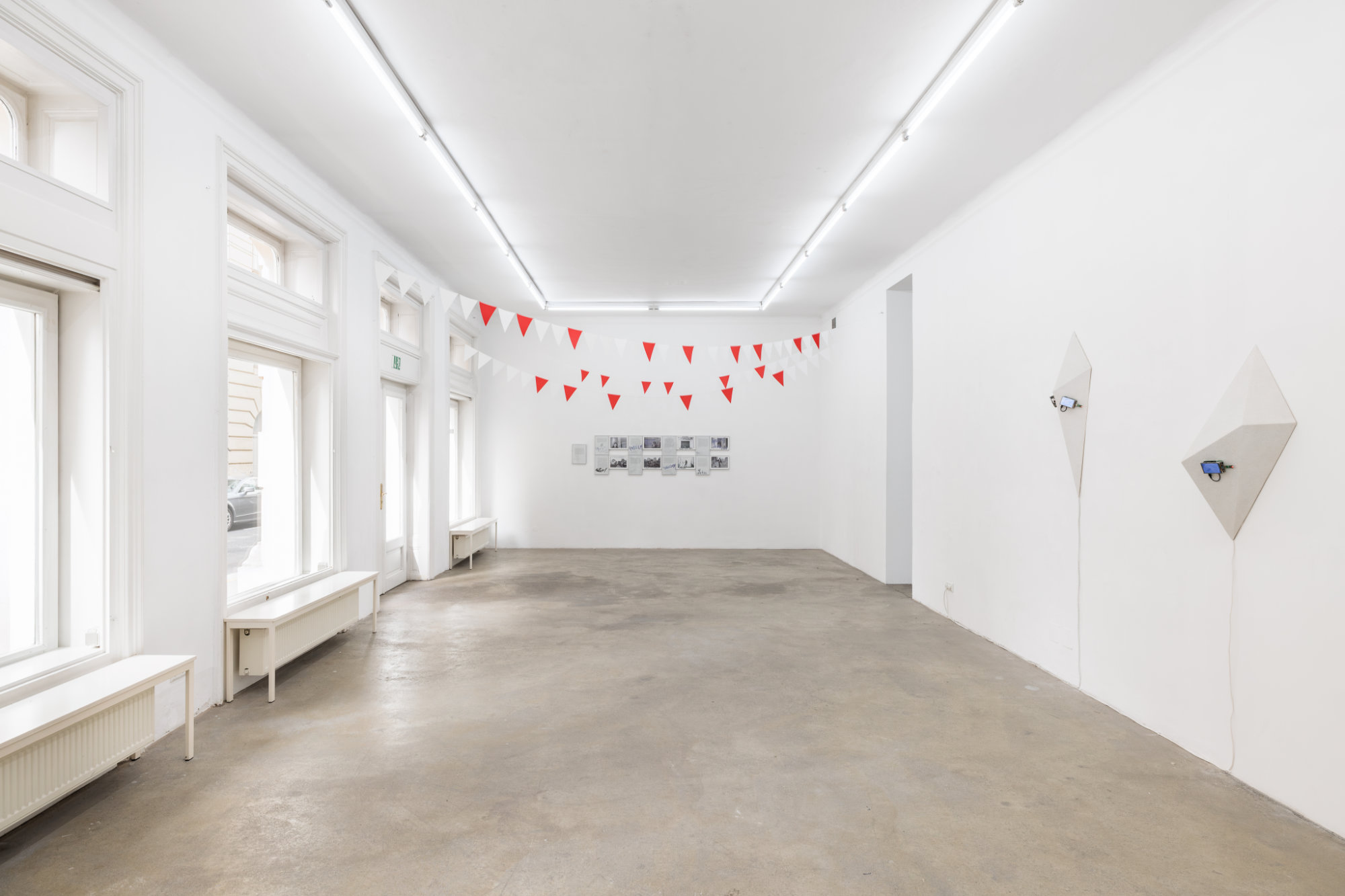
Unyimeabasi Udoh’s three-part installation Franchise plays on the French republican motto “Liberté, Égalité, Fraternité,” replacing its final term with “Neutralité.” Encoded in Morse code and arranged in the form of bunting, the words become materially and linguistically unstable. The work opens a gap between universal ideals and their unequal realisation, while the substitution of neutrality points to the choice of those in positions of power to look away in the face of injustice, turning the festive motif into a deadpan image of moral cowardice.
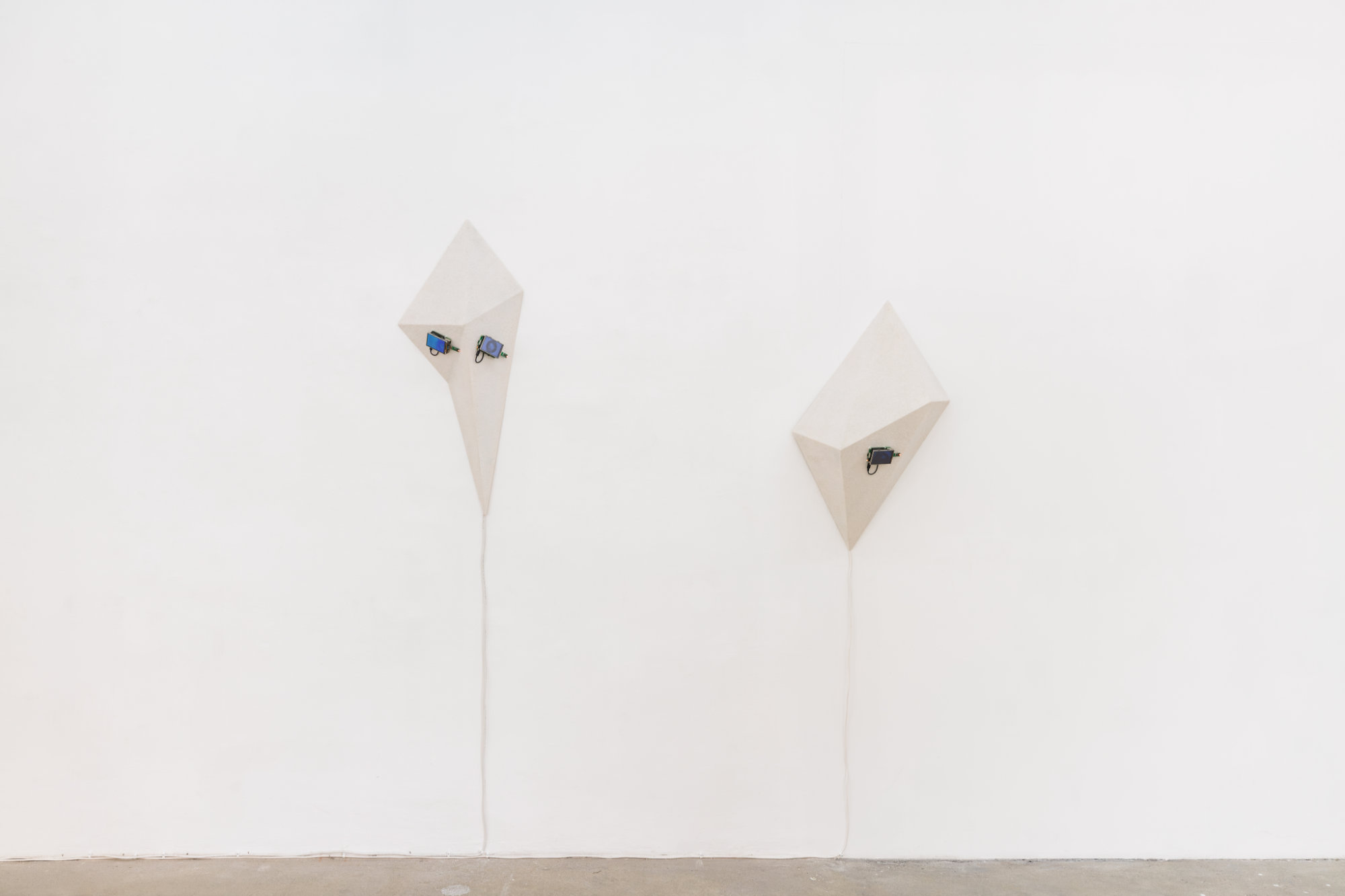
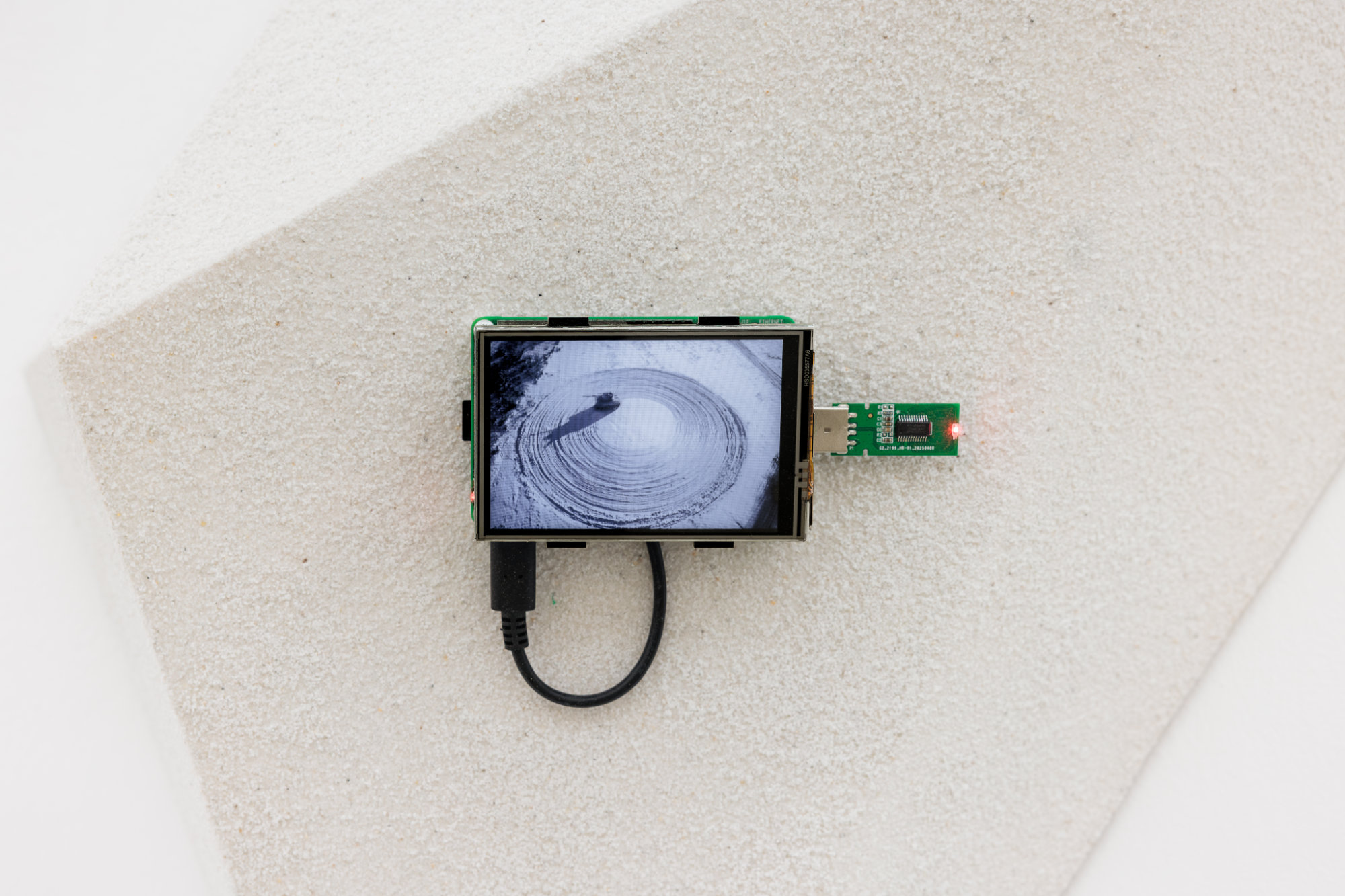
Finally, Shirin Yousefi’s sculptures contain three videos, like centres of activity embedded within matter. They loop images of gazelles circling continuously, seemingly under threat of extinction, alongside a zombie tank caught in a repetitive circular movement. These contrasting rotations cause the same forms to shift between exhilaration and fear, attraction and flight. Depending on one’s point of view, what resembles a dance may become an encirclement, leaving it uncertain whether the bodies are drawing closer, protecting one another, or attempting to escape in search of lost horizons.
Photos
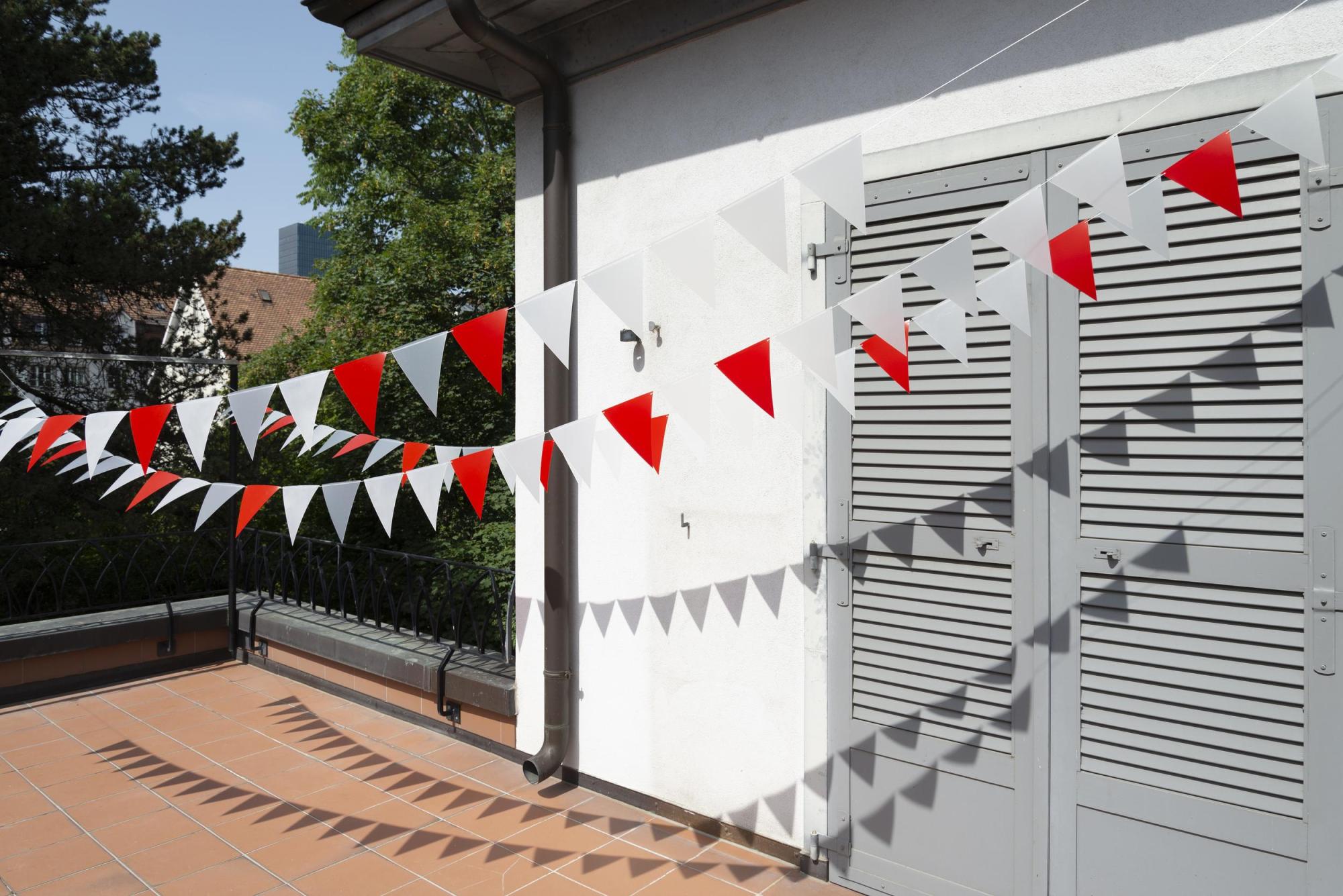
Unyimeabasi Udoh, Franchise, 2025, Polypropylene, matte medium, retroreflective glass beads, and polyester twine. Installation in three parts, composed of Franchise (Liberté), Franchise (Égalité), and Franchise (Neutralité), all 2025, dimensions variable.
Courtesy of the artist.
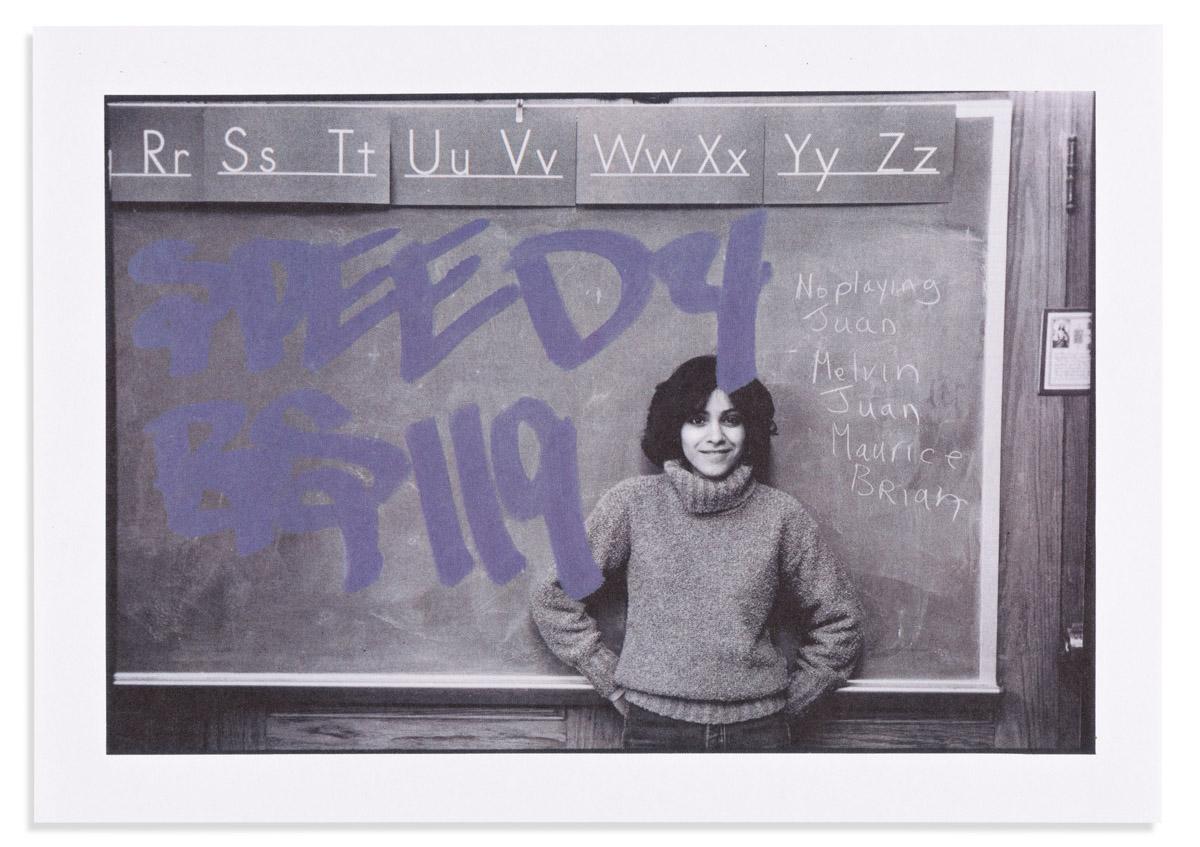
Sophie Calle, The Bronx, 2002, detail, 28 pages, éd. Item éditions : Paris,
Courtesy of the artist and Item éditions.
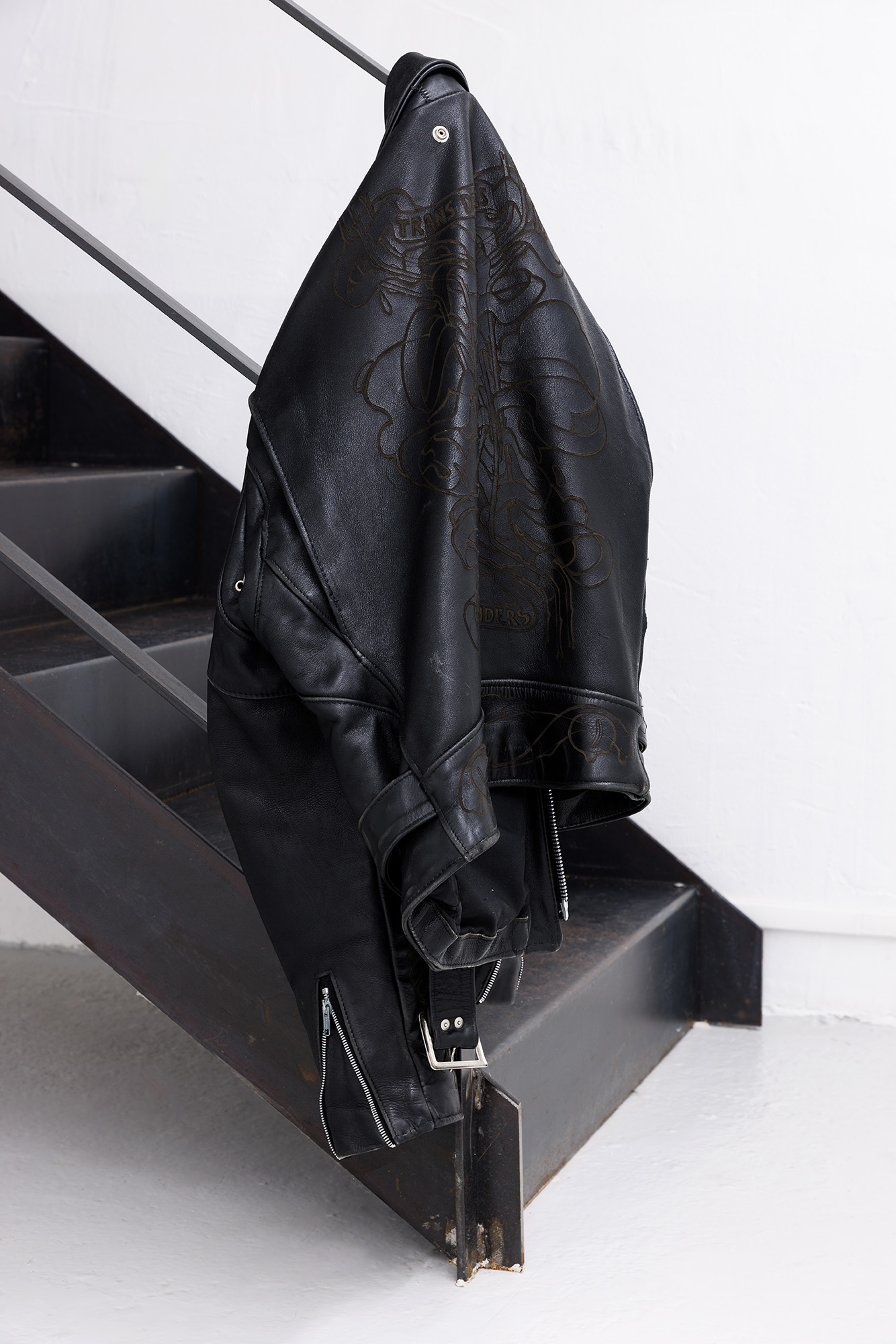
Courtesy of the artist. Photography: Salim Santa Lucia
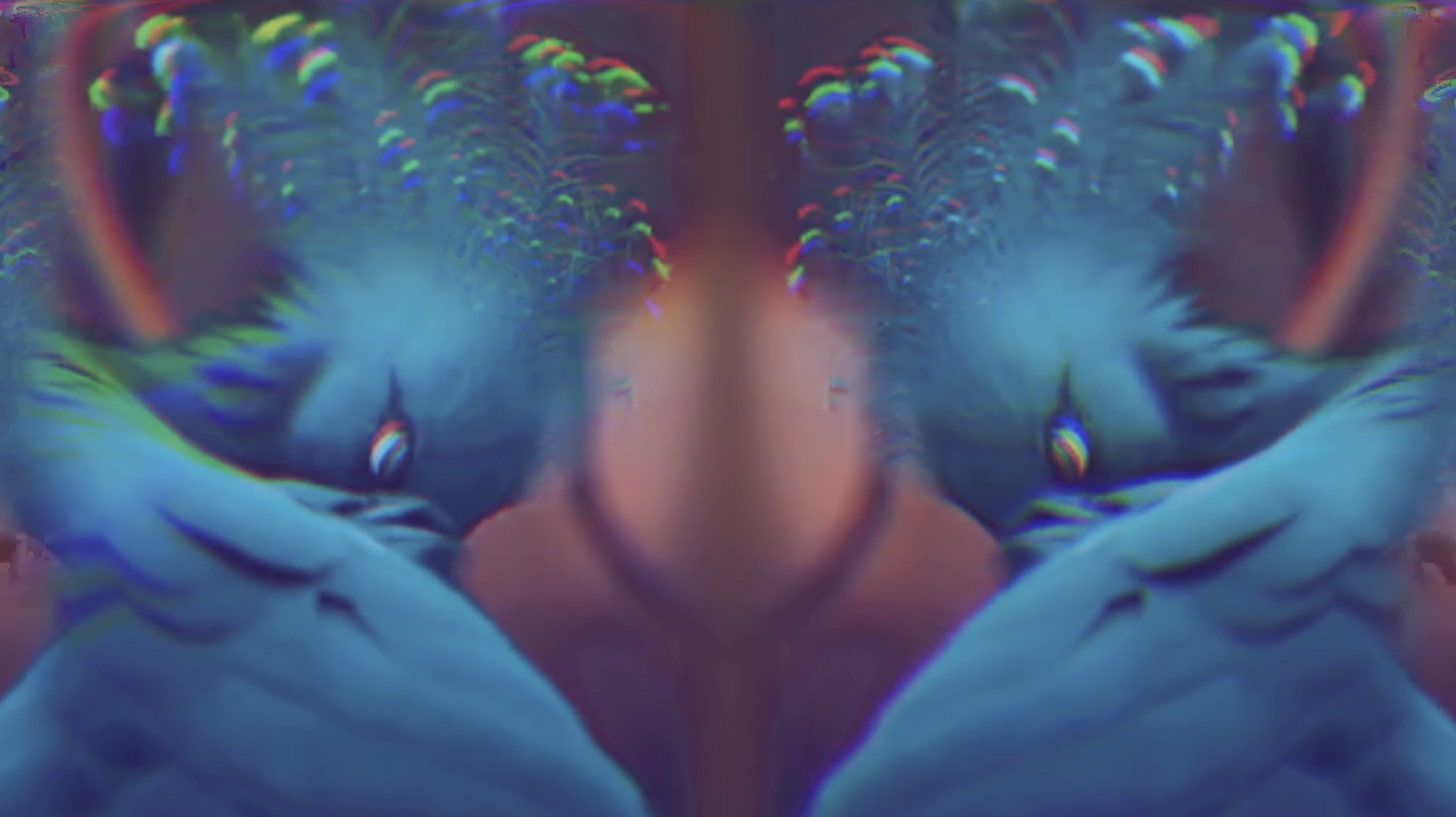
Shahryar Nashat, Boyfriend_00.JPEG, 2022, (5 + 2 AP), HD video on LED wall, color/sound, 8 min.
Courtesy of the artist.
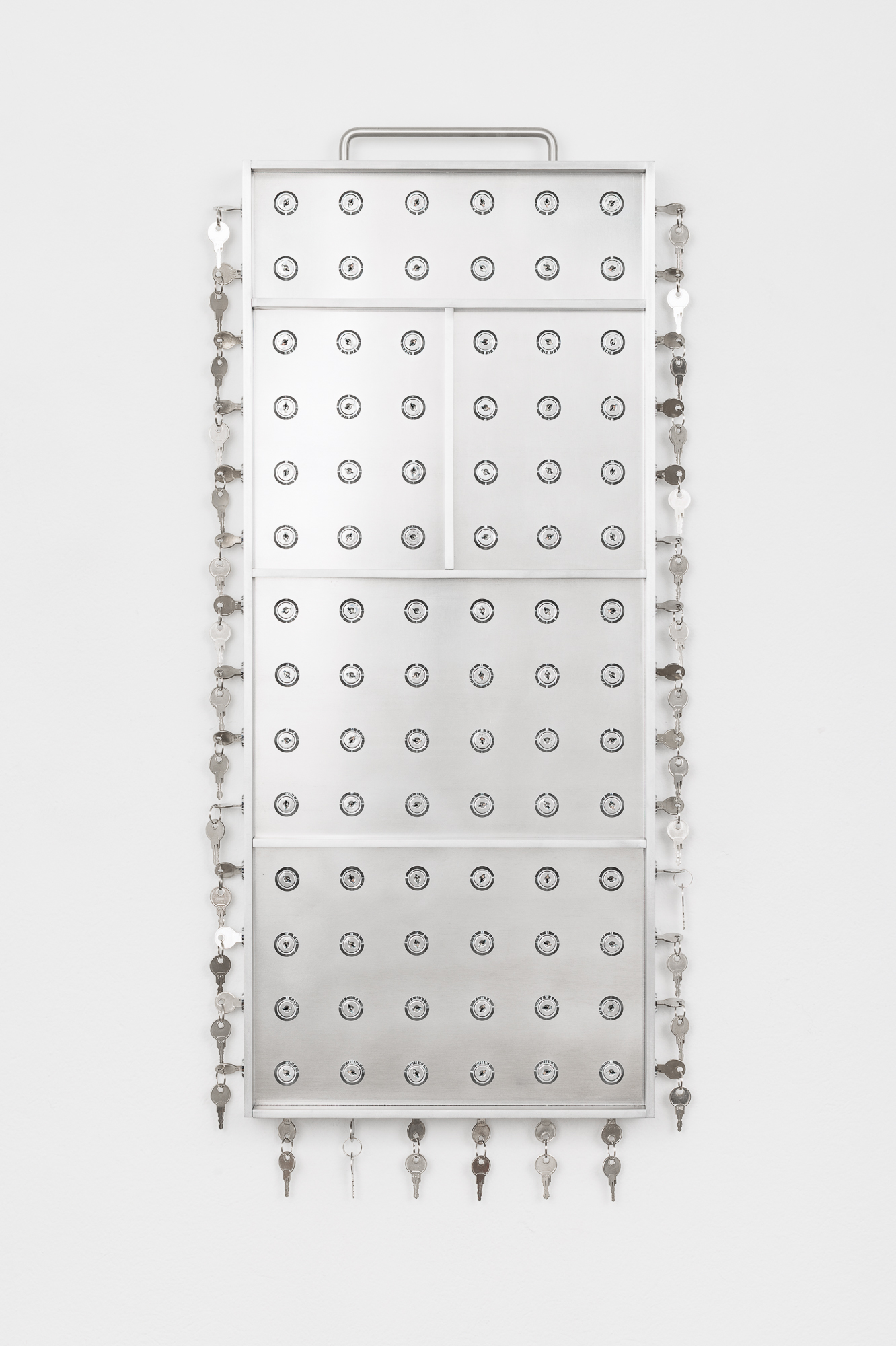
Irina Lotarevich, Housing Anxiety 8, 2023, aluminium, stainless steel, locks and keys, 91 x 38 x 7 cm
Courtesy of the artist and SOPHIE TAPPEINER. Photography: Manuel Carreon Lopez / kunst-dokumentation.com