




Galerie Elisabeth & Klaus Thoman curated by Benedikt Wyss
„After Love“
www.galeriethoman.com
Curator(s):
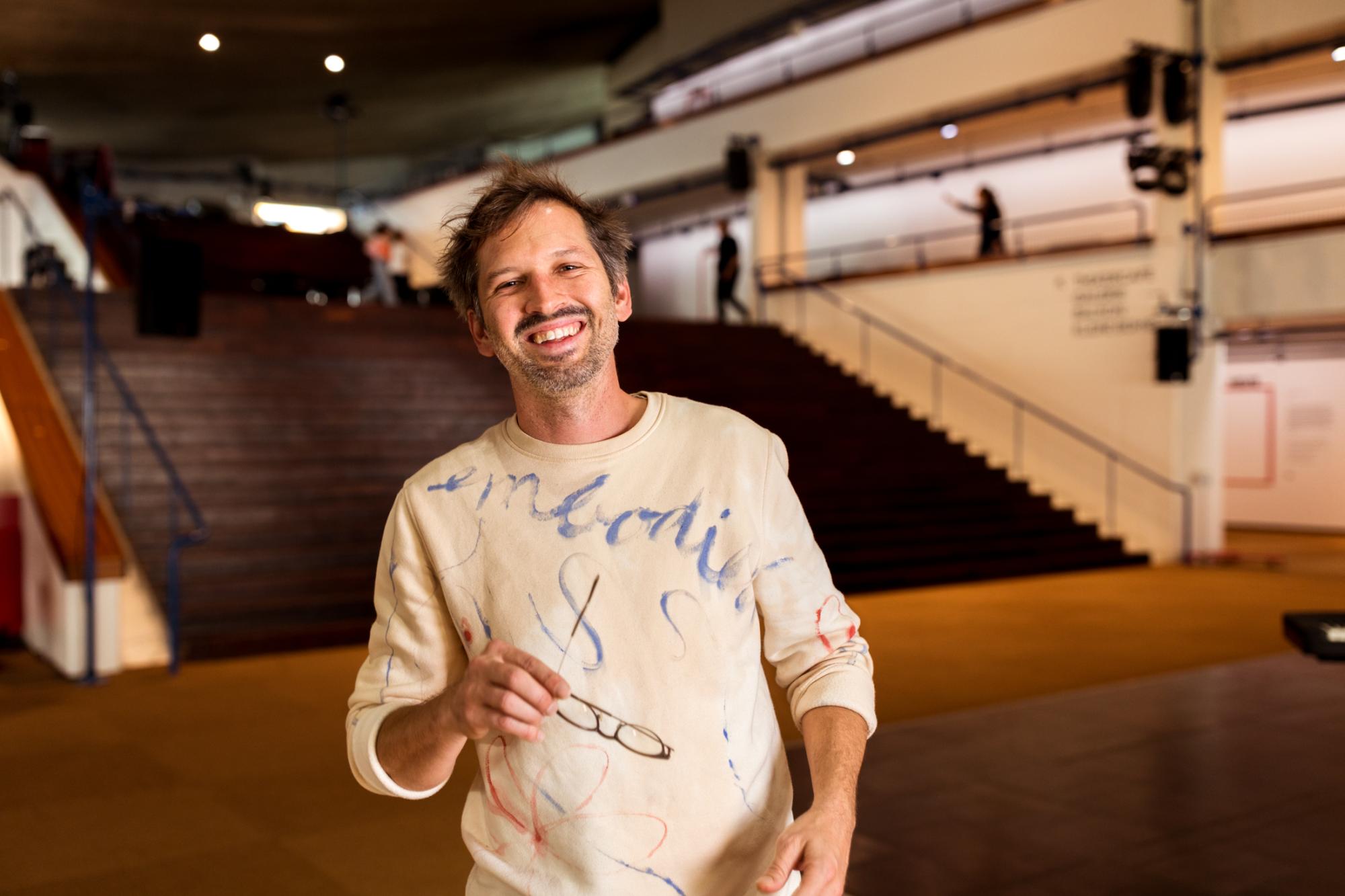
Benedikt Wyss (b. 1984) is a freelance curator from Basel, known for his interdisciplinary and dynamic practices. Wyss studied sports science, history, African studies, teacher education, art history, and curating in Basel and Berlin. His exhibitions and happenings are often conceived as serial formats and take place in unconventional spaces. He initiated projects such as the Draisine Derby on railway tracks, the Lago Mio artist residency, and the AR app Primo Print in Motion. Wyss regularly curates projects at Theater Basel. Since 2020, he functions as Co-Director at Kunstverein SALTS in Basel.
Artist(s):
-
The work emerges under conditions that are not exclusively artistic.
Certain activities are already taking place.
The work begins there.Nanna Kaiser lives and works in and between Vienna and Neumarkt in Styria. Her practice draws on fragments of painting, sculpture, video, and text, developing within the context of an exhibition and in relation to each specific spatial situation. Her work has been presented, among other venues, at Belvedere 21 (Vienna), FOX (Vienna), the Museum of Contemporary Art (Belgrade), Vienna Contemporary (Vienna), Shore Gallery (Vienna), Fünfzwanzig (Salzburg), Frac Île-de-France (Romainville), as well as in further exhibitions across Europe.
-
The search for the limits of one's own existence runs throughout R. Sebastian Schachinger's practice. He approaches life with curiosity. His work offers a poetic, playful, and philosophical perspective on concepts such as time, everyday life, labour, and the social constructs that surround them. Through large-scale installations, sculpture, sound, and performance, he explores the tensions between objects, personal memories, the body, machines, and the various mechanisms and relationships that emerge between them. Schachinger regards performance—usually unrehearsed and unfolding spontaneously—as a practice of learning about life and the world through physical experience. His body, as both readymade and vessel, works.
R. Sebastian Schachinger, born in Freiburg im Breisgau (DE), lives and works in Basel (CH). He received his Bachelor of Arts in Fine Arts from the HGK Basel FHNW. His exhibitions include City Salts, Birsfelden/Basel (CH); Kunsthalle Basel, Basel (CH); Kunsthalle Palazzo, Liestal (CH); Kunsthaus Baselland, Muttenz/Basel (CH); Fasan, Basel (CH); Amore, Basel (CH); Kaiserwache, Freiburg (DE); Wittockiana, Brussels (BE); and WAF Galerie, Vienna (AT). In 2024, he was represented by Galerie Windhager von Kaenel at Vienna Contemporary. In 2022, Schachinger received the Swiss Art Awards / Kiefer Hablitzel Göhner Prize. From 2023 onward, he directed the project space RUF in Vienna (AT)
-
Museum of Broken Relationships (Zagreb, HR ; Chiang Mai, THA) is an internationally acclaimed contemporary museum project founded by artists Olinka Vištica and Dražen Grubišić. Emerging from the aftermath of their own relationship, the project began as a unique art installation presenting personal objects left behind after breakups, each accompanied by anonymous narratives.
It soon developed into a traveling exhibition and, over the course of more than 60 exhibitions worldwide, evolved into a growing collection of more than 4.000 donated objects from around the world, forming an ever-expanding archive of intimate emotional histories. Alongside its permanent home in Zagreb, Croatia, the project expanded in 2024 with a second permanent location in Chiang Mai, Thailand, further extending its global reach.
Recognized with the Kenneth Hudson Award for Europe’s most innovative museum, the Museum of Broken Relationships redefines the museum as a participatory space where private experiences of love, loss, and separation become shared cultural material. It operates at the intersection of art, storytelling, and collective memory, transforming personal rupture into public reflection.
After Love
What becomes of love when it changes its form?
A relationship ends without everything that emerged from it disappearing. Things remain, rooms carry memories, and relationships continue to shape the present – in ways that cannot be assigned clearly to either the past or the future. After Love brings together two artistic perspectives on what happens when love changes its form.
The title remains deliberately open. After Love describes what follows love, but equally a movement beyond it, alongside it, or in relation to it. One could use the term post-love for this. But post-love suggests a concept, a theoretical category that looks at love from a distance and describes a state after it. This is not the position I want to take. The post itself also suggests an overcoming, perhaps even the end of what came before. That is precisely not what this is about. After Love does not ask what takes the place of love, but what love can become when it changes its form – and how it remains present in that changed form.
As Ariana Reines writes in her text for the curated by festival, referring to a poem by James Schuyler: «It isn’t obviously about love, but it is palpably made of love.» This is where After Love begins. The artists do not approach love as a subject to be examined. They are themselves part of situations shaped by love, its past, and its present forms. I did not want to bring together artists who engage with love as a subject, but works in which this situation itself is part of the artistic proposition. They do not represent or explain love. They allow it to become active in things, actions, relationships, and encounters.
The Museum of Broken Relationships, originally conceived by Olinka Vištica and Dražen Grubišić as a one-time art project following the end of their own relationship, collects personal objects that people have kept after a breakup. Each object is accompanied by an anonymously told story. What is initially private and personal becomes part of a growing archive: a collection of things in which stories of love, loss, memory, and separation overlap. With permanent locations in Zagreb and Chiang Mai and numerous exhibitions around the world, the museum has become a place where individual experiences are transformed into a shared cultural history.
The museum looks at what relationships leave behind. Yet the objects it collects are not simply relics of the past. Once they enter the museum, they enter a new context and acquire a new presence. Their stories are no longer only about what happened. They become part of what happens now. They inhabit a space in which private experiences can be shared, remembered, imagined, and read anew. An object that was once part of a relationship does not thereby become evidence of its end. It remains the bearer of a story, while becoming a starting point for new encounters.
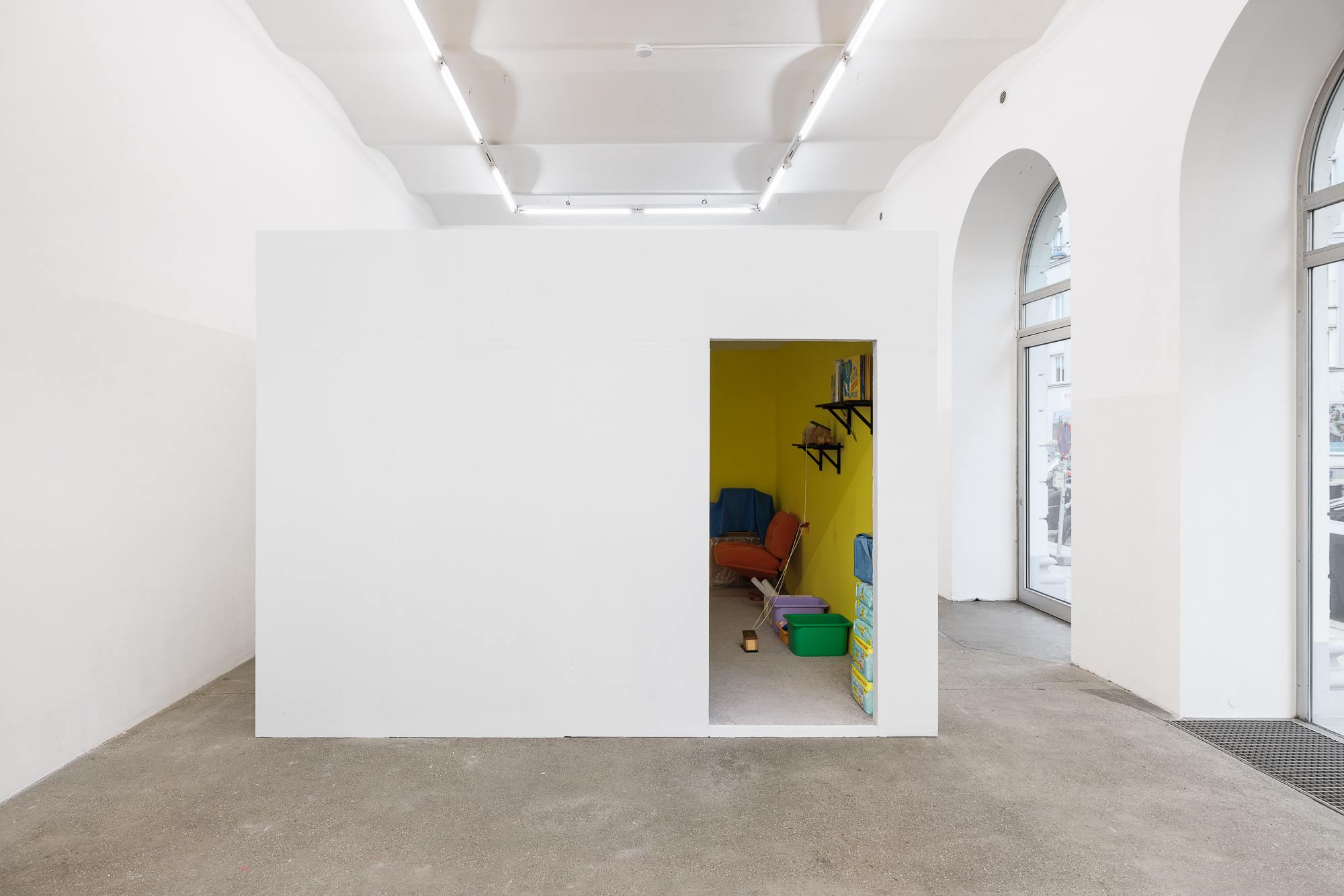
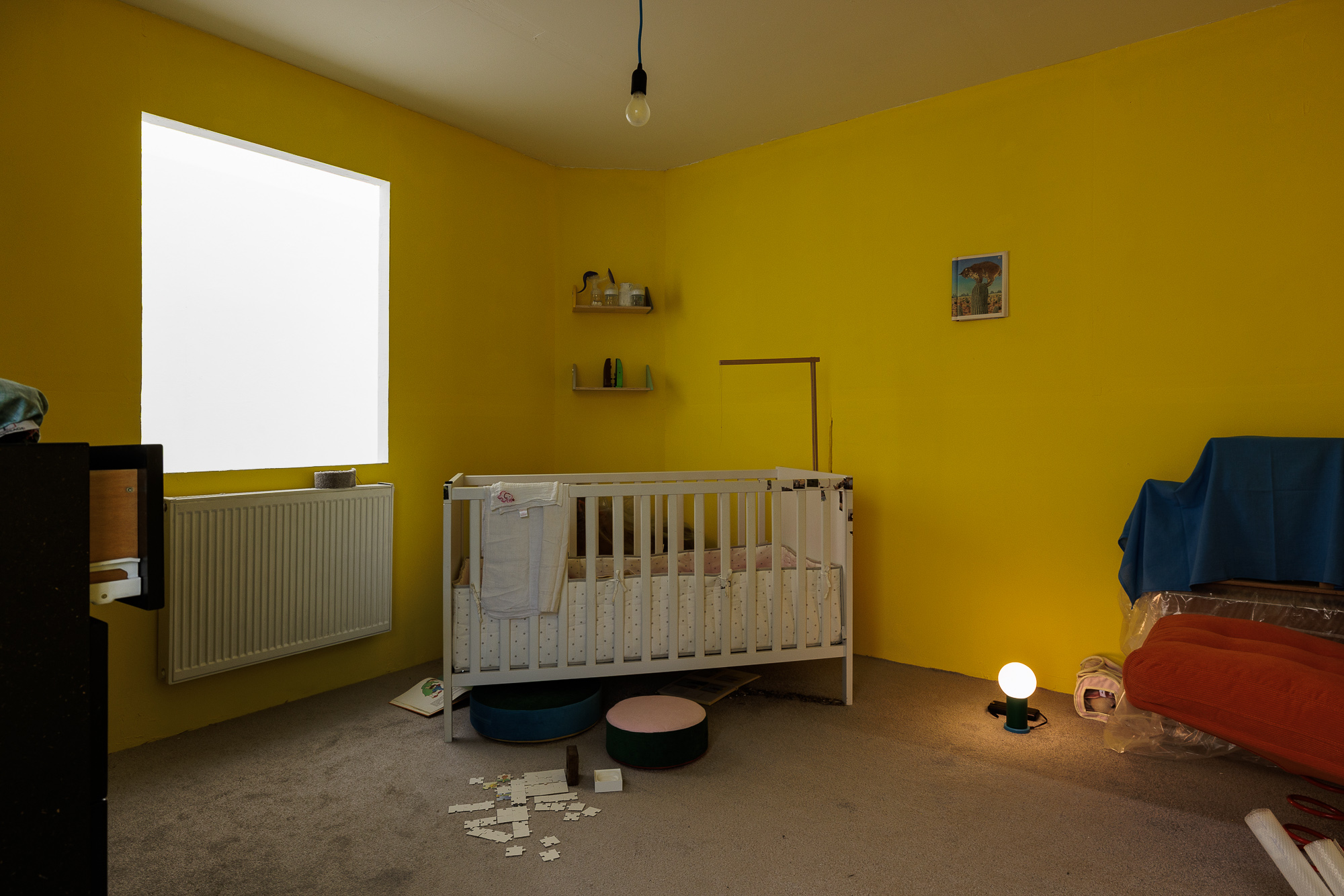
Nanna Kaiser and R. Sebastian Schachinger approach the changing form of love from another direction. The two artists were once a couple and are working together in this constellation for the first time for After Love. Their installation takes its starting point in their personal lives and moves playfully between fiction and reality. Kaiser and Schachinger embody a couple expecting their first child and together set up the future nursery. Objects are borrowed from friends and family, taken from existing collections, altered, softened, raised, and given new functions. What begins as a game gradually becomes a real situation: a room takes shape, things are gathered, relationships are activated.
The room does not represent a failed future. Nor does it reconstruct a past relationship. It moves speculatively between what is and what might have been, while existing very concretely in the present – between two people who are no longer a couple and yet continue to share intimate aspects of their lives and imagine a future together. The things in this room are not props in a story. They are part of an action that is taking place now. They are borrowed, altered, and arranged. The room is real, and so is what happens in its making.
This is where the two works meet. The Museum of Broken Relationships takes objects whose original relationships have changed and gives them a new function. Kaiser and Schachinger take a relationship that has changed and play with it. At first glance, the museum belongs to the past, the nursery to the future. But this temporal order remains on the surface. The museum brings what has been left behind into the present; the nursery allows a future once set in motion to emerge in the present. What seemed to belong to the past becomes present; what was imaginable takes shape.
In both works, time is not simply remembered or imagined, but becomes present through things, spaces, and relationships. Love appears here neither as a completed story nor as an abstract idea. Its presence becomes tangible: in things that are kept, in stories that are retold, in relationships that change, and in actions that emerge from them.
I do not read “after” primarily as what comes next. What interests me instead is the continuity of a love that changes its form while remaining present. There is no clear before and after, but forms that flow into one another, change, and continue to have an effect. The past can be remembered, the future imagined – but love happens now: in the things we keep, in the stories we tell, in the spaces we create, and in the games we play.
After Love is not about the end of love. It asks what love can become.
Benedikt Wyss
Photos
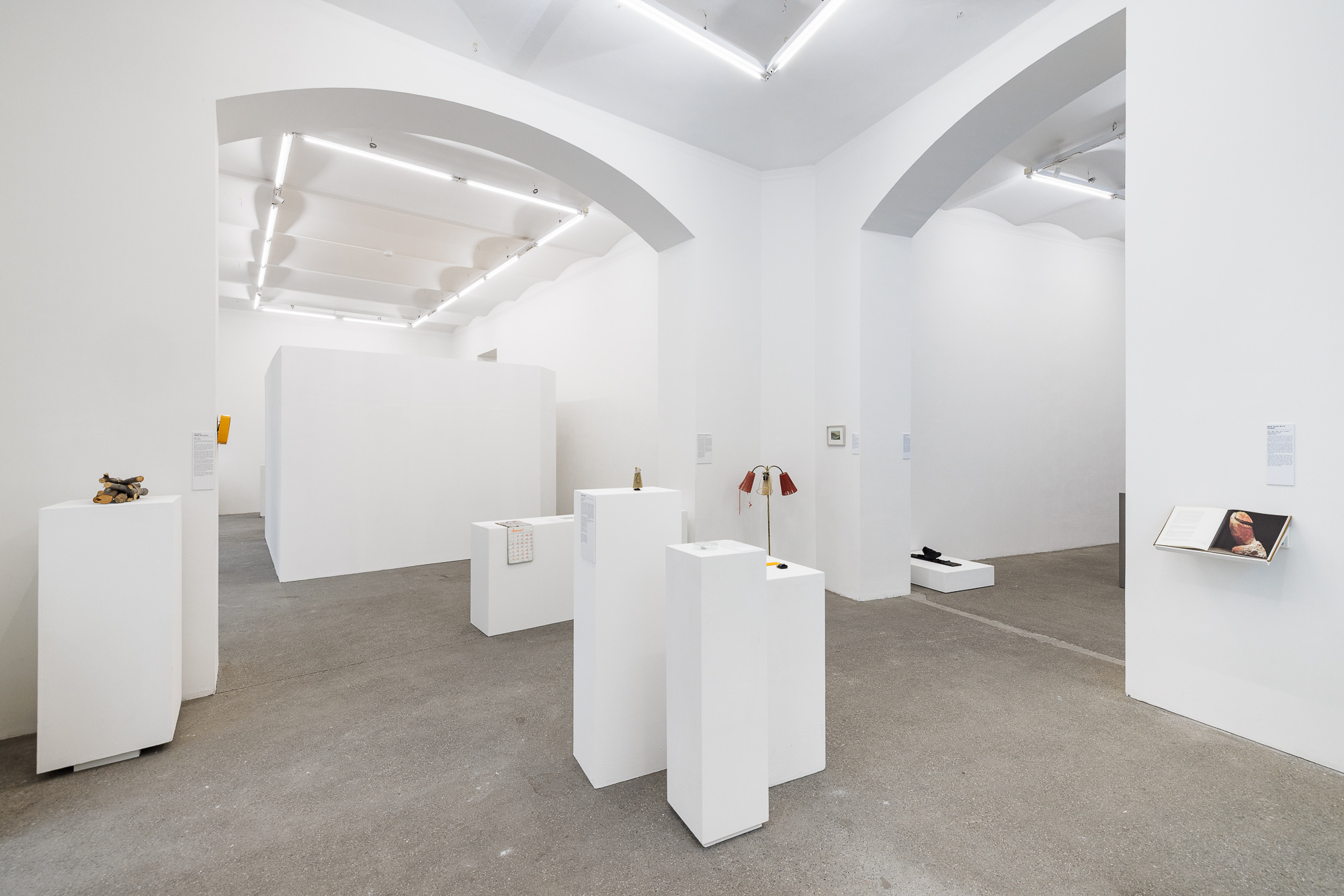
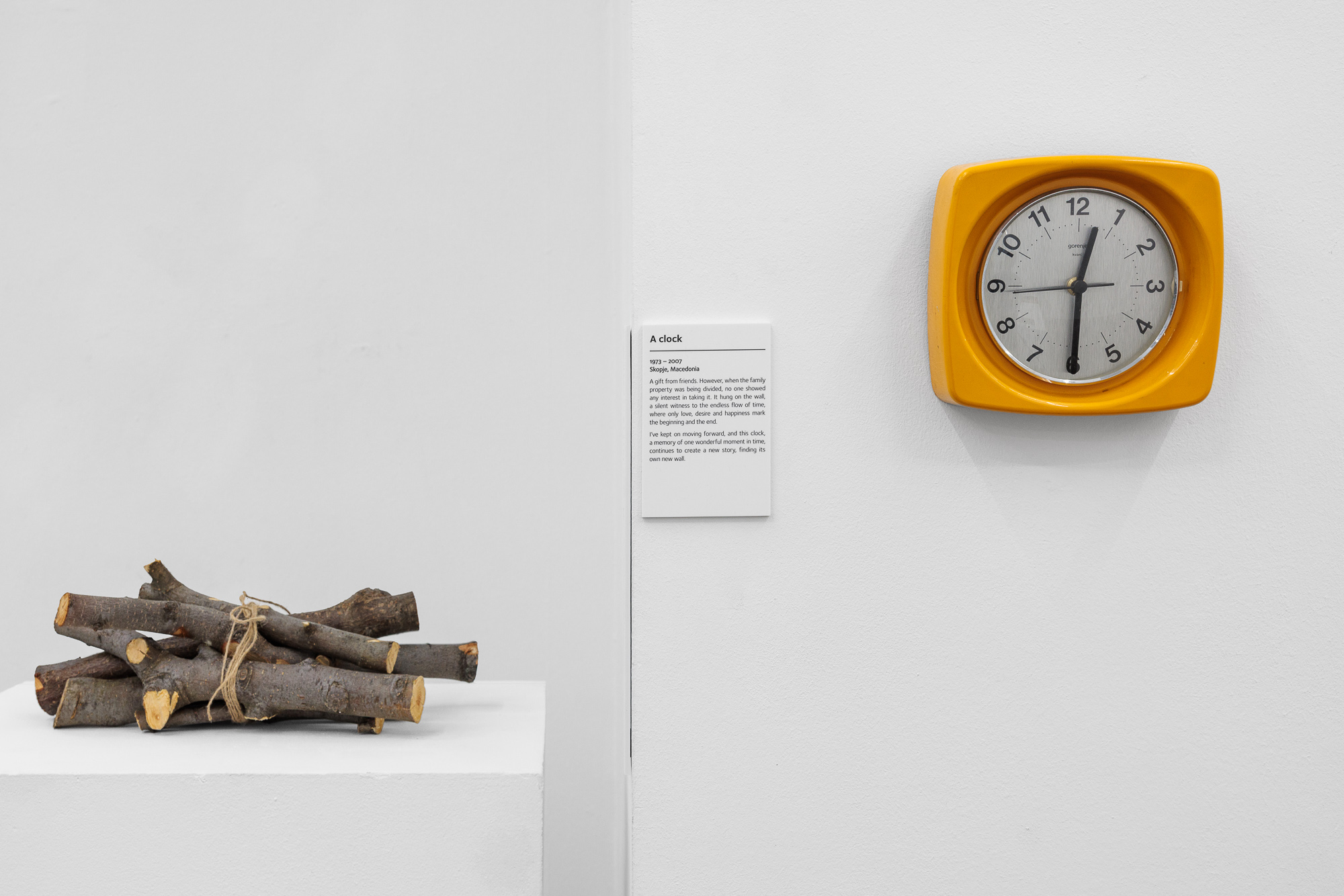
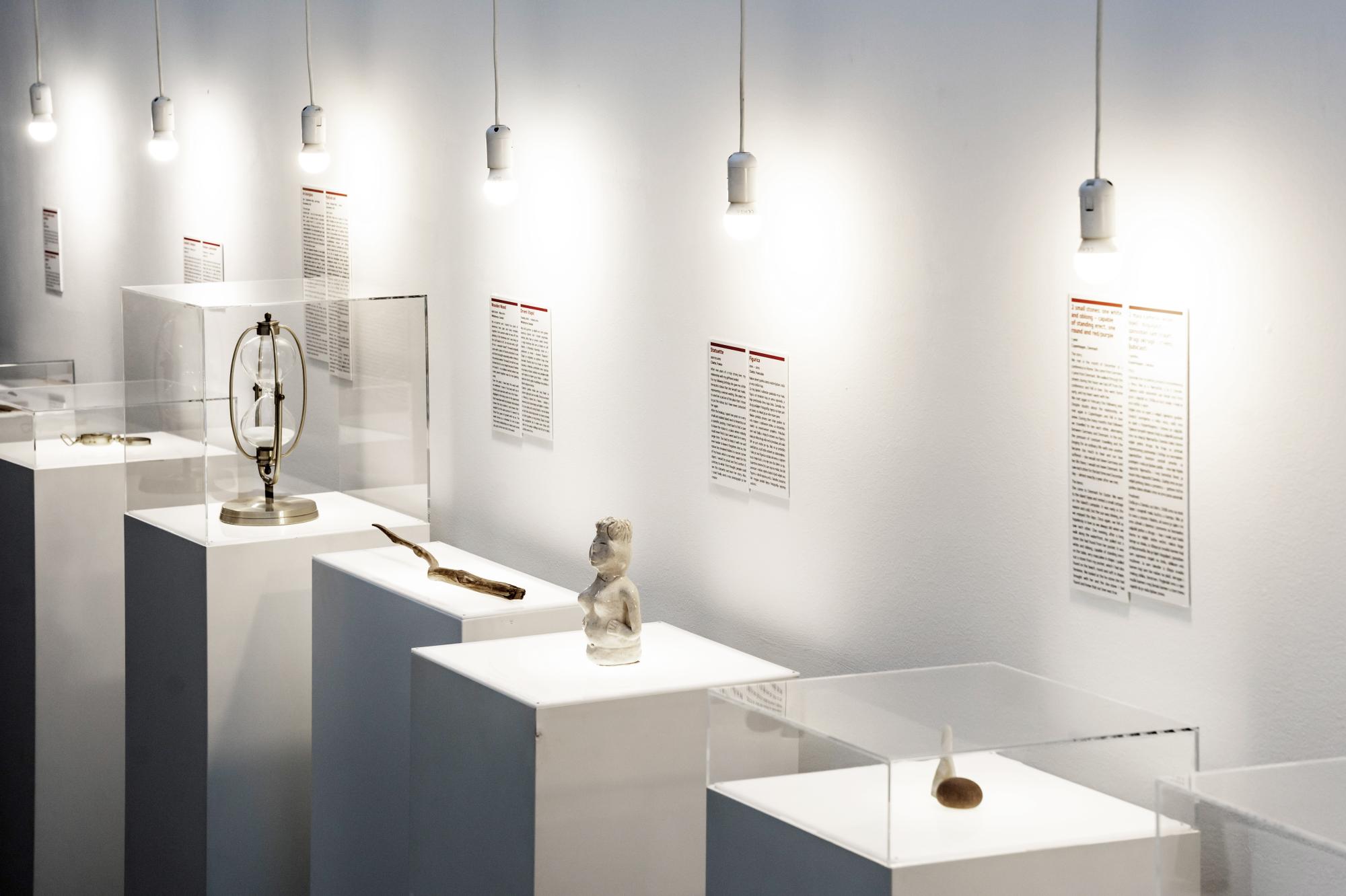
Museum of Broken Relationships, exhibitionviews
© Sanja Bistricic
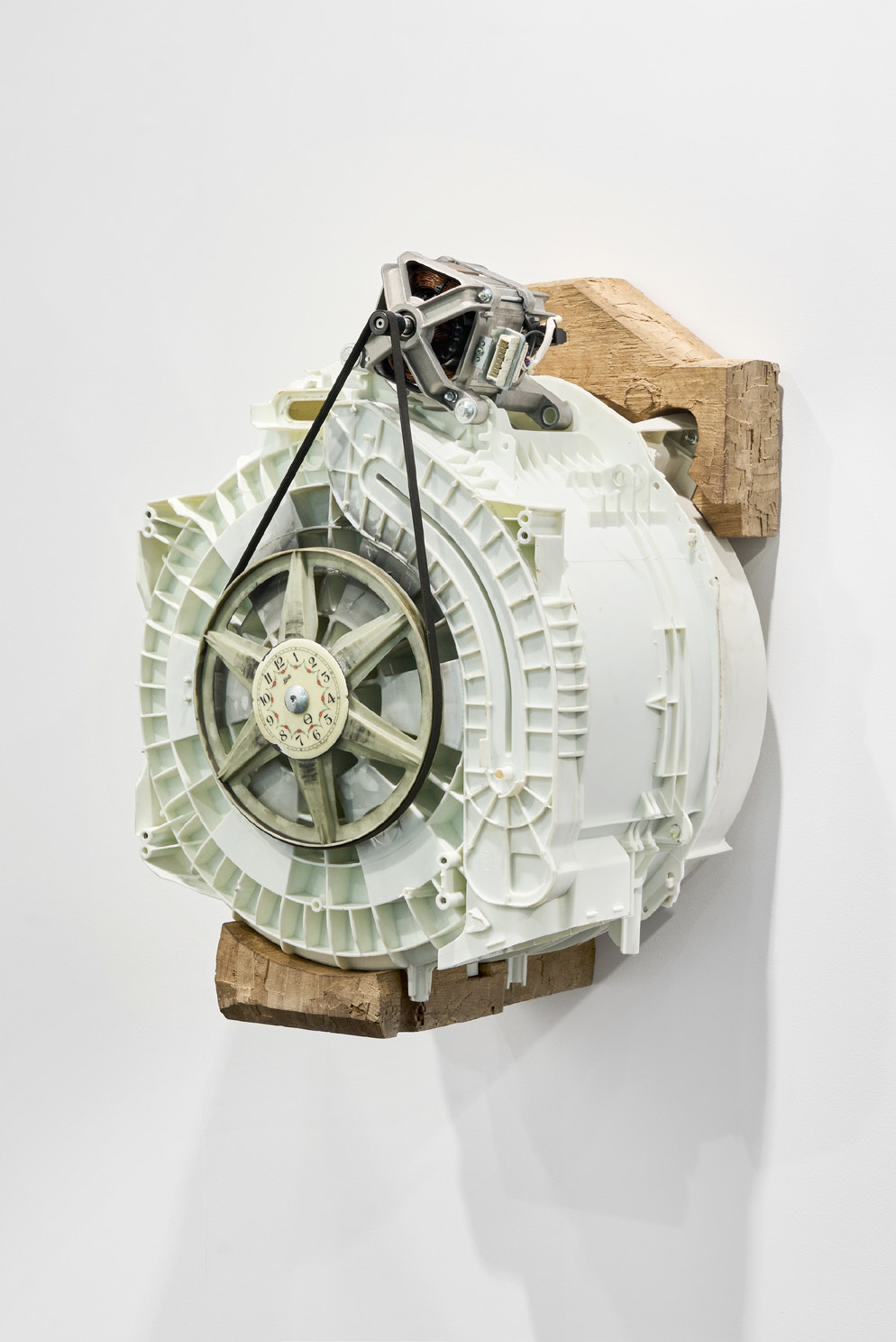
R. Sebastian Schachinger, Sunday Sculpture No. 5, 2024, washing machine, clock dial, oak, 45 x 52 x 73 cm
© Choreo
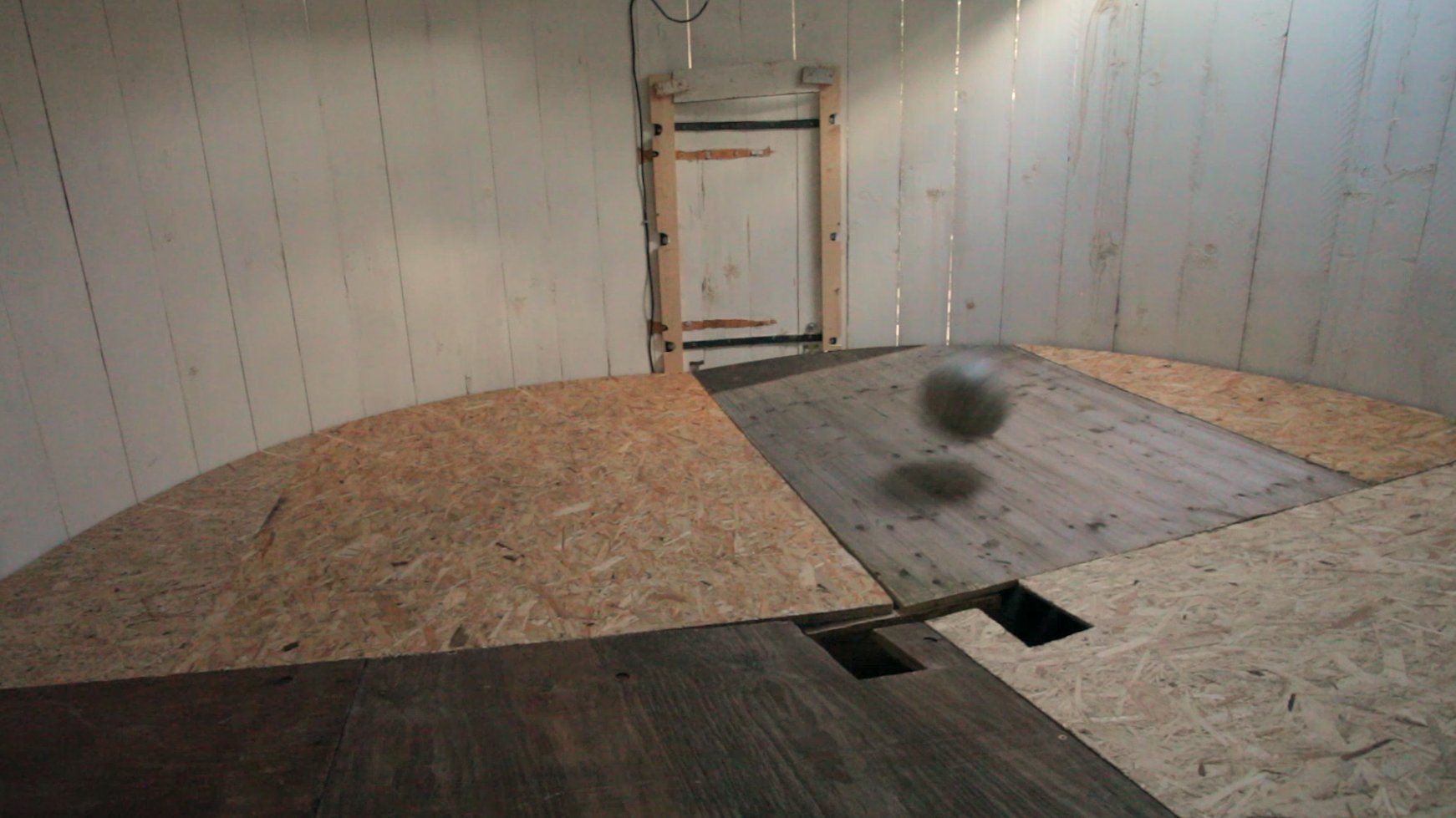
R. Sebastian Schachinger, exhibitionview 'Der sichere Steinwurf lernt sich das durch das Ballspiel', City SALTS, Basel, CH
© the artist
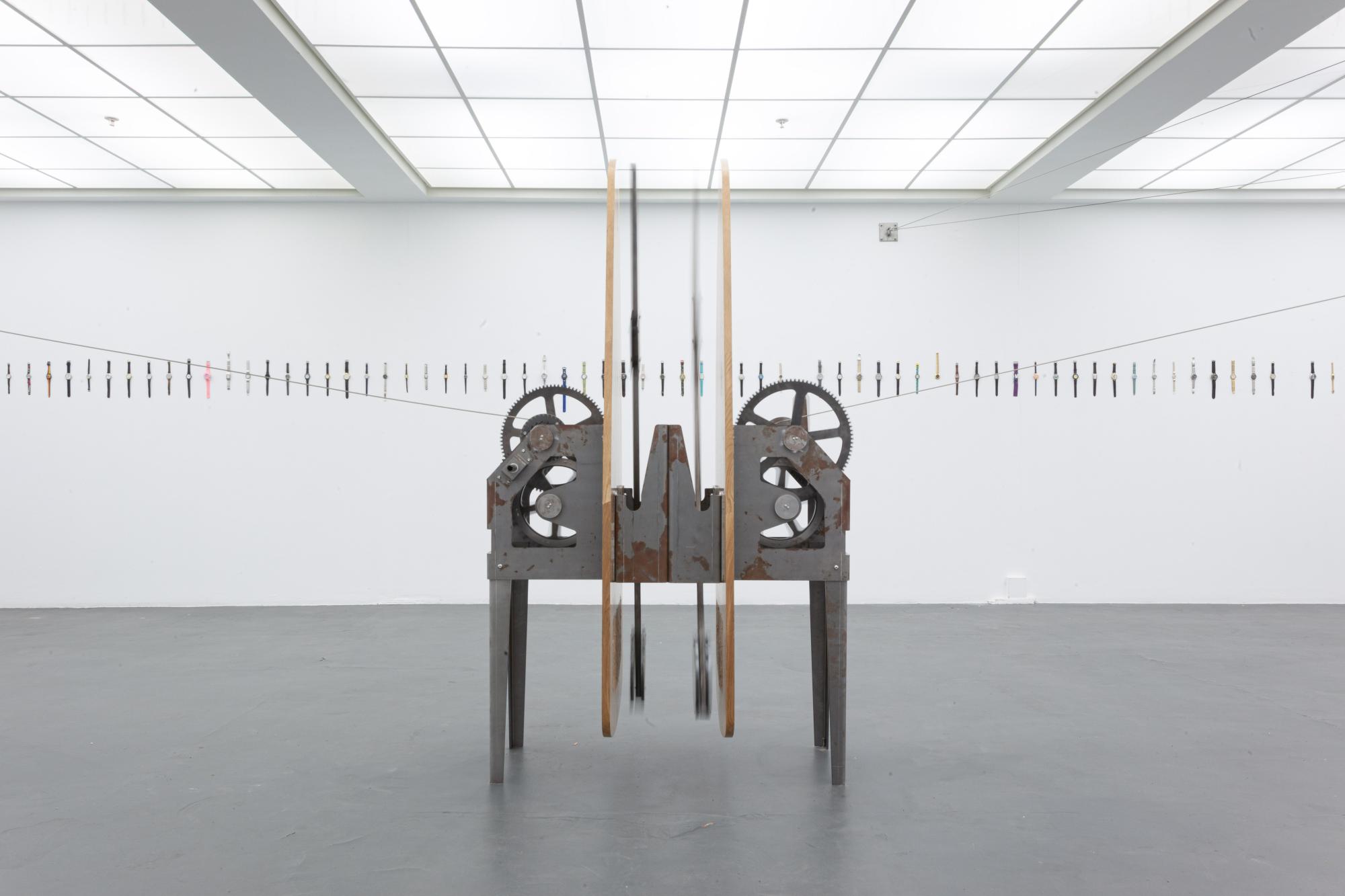
R. Sebastian Schachinger, Lovers (Metronom), 2023, oak, steel, 130 x 190 x 60 cm 2023, exhibition view 'Notizen zur 13ten Stunde', Kunsthaus Baselland, 2023
© the artist
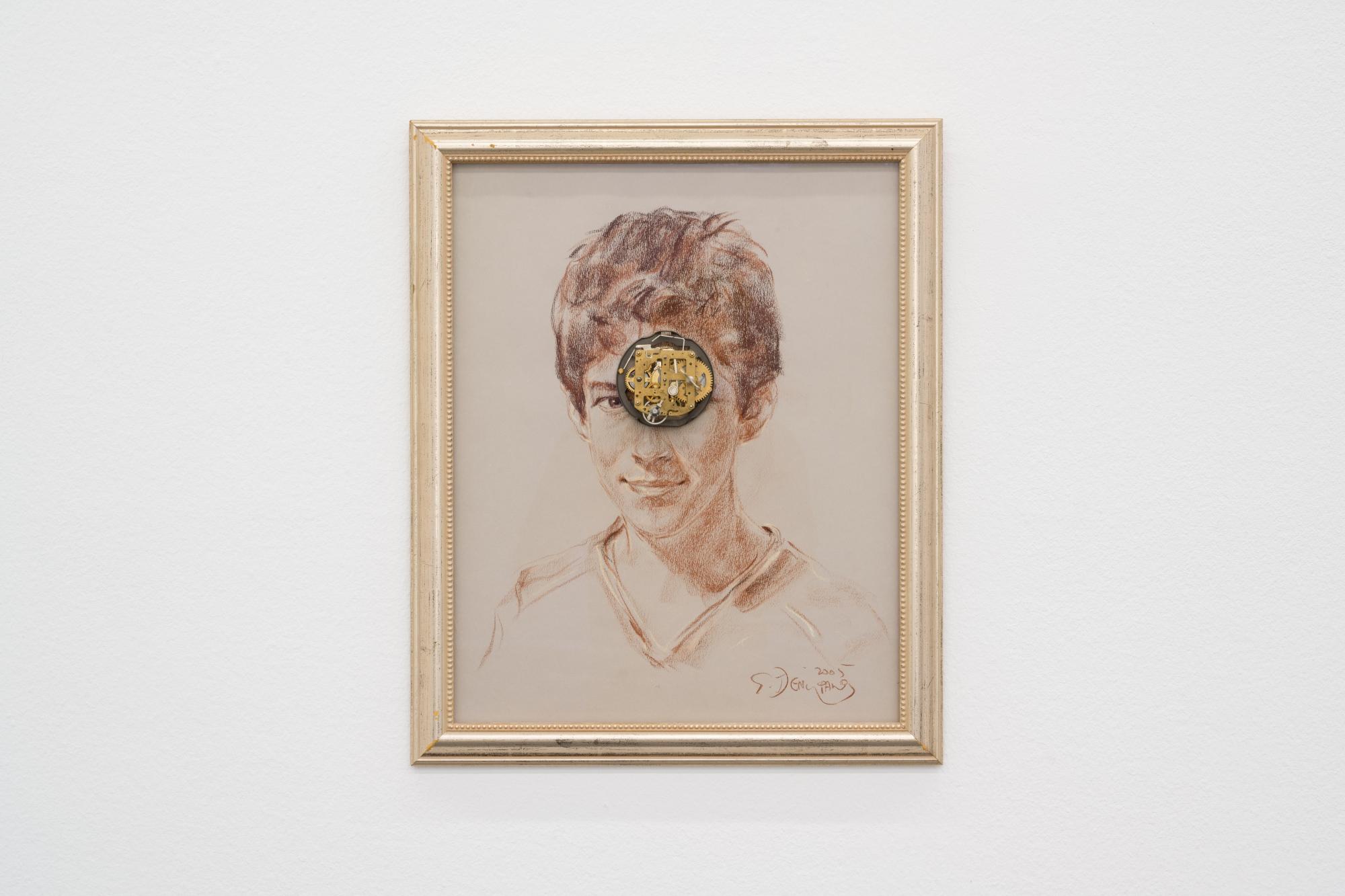
R. Sebastian Schachinger, Selfportrait with clock, 2005 - 2023, archive-proof framed drawing, clockwork, 50 x 40 x 10 cm
© Finn Curry, Kunsthaus Baselland
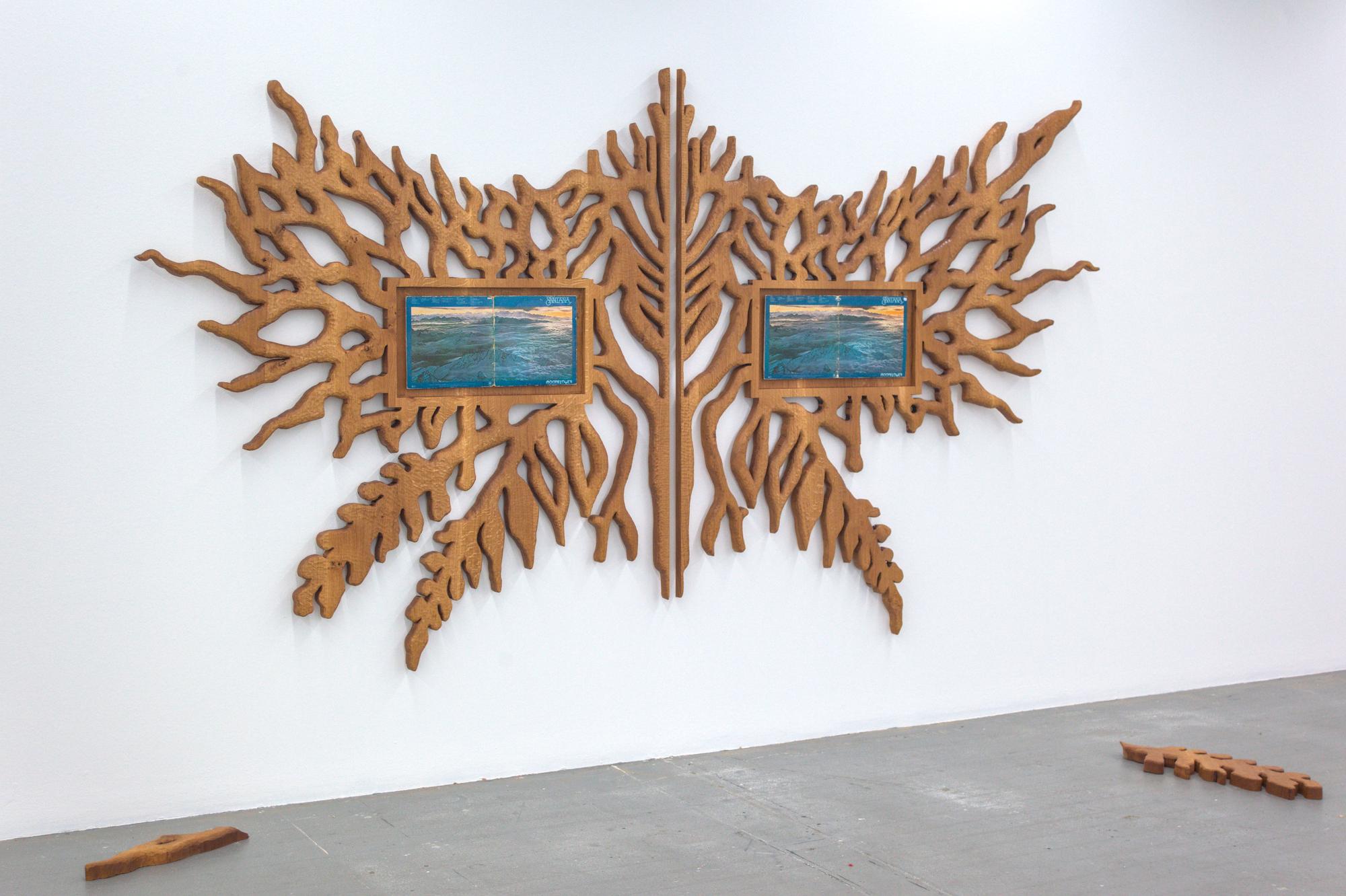
R. Sebastian Schachinger, Frame for One, 2021, oak, two copies of Santanas double LP album “Moonflower”, 400 x 200 cm, unique
© the artist
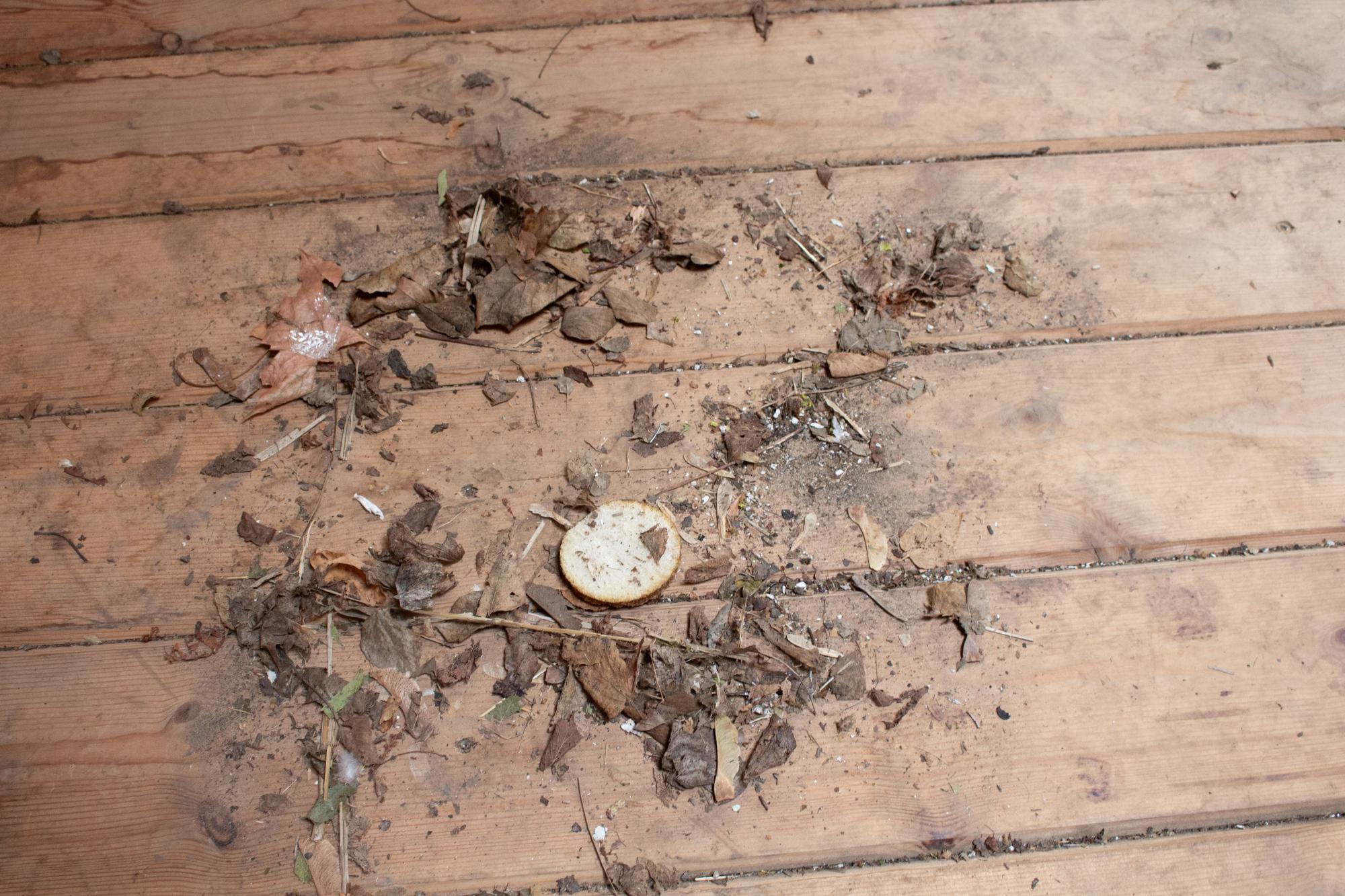
Nanna Kaiser, exhibitionview, aqb Budapest 2026
© private
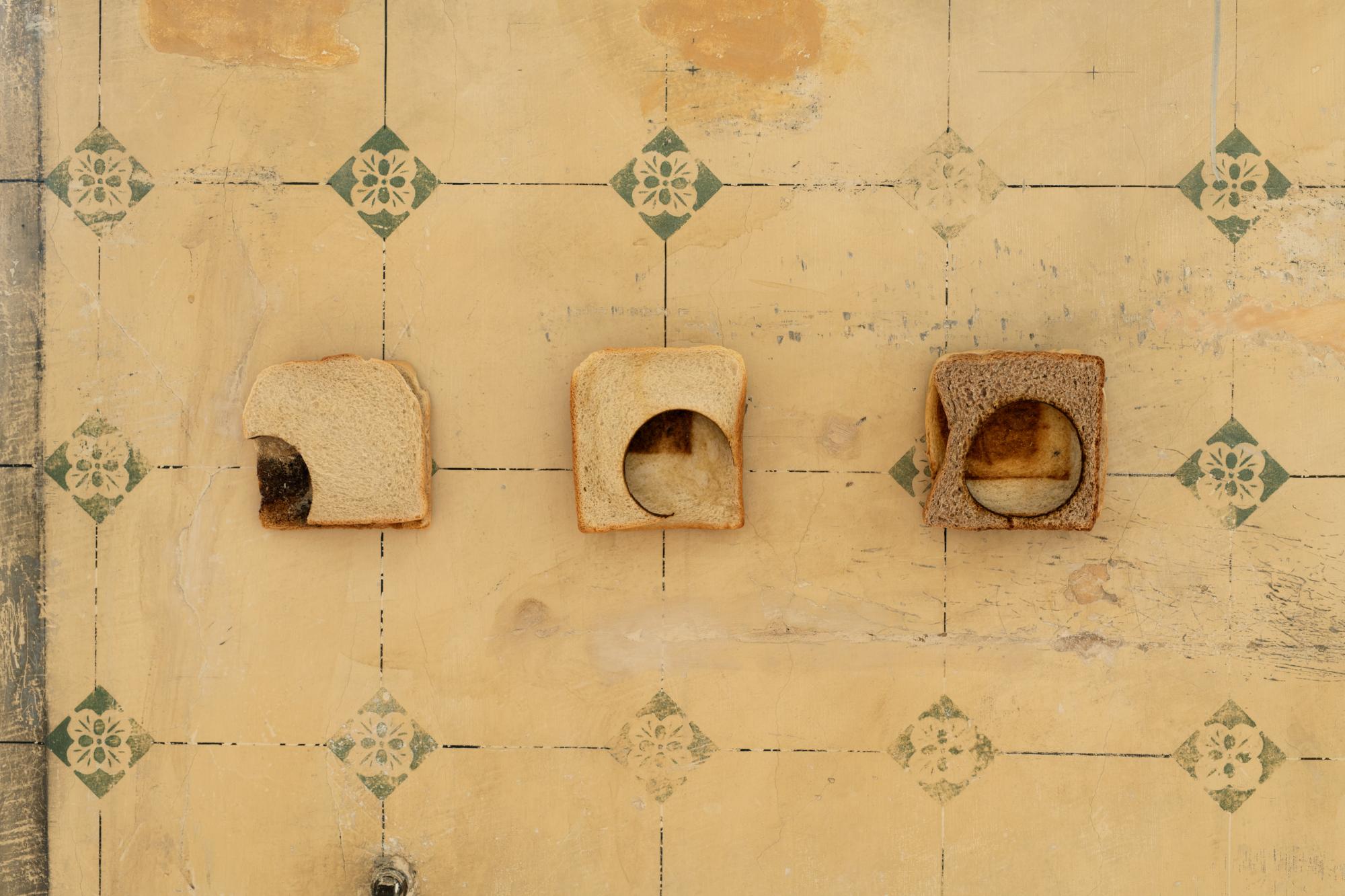
Nanna Kaiser, exhibitionview Fox Wien 2026
© Stefan Lux
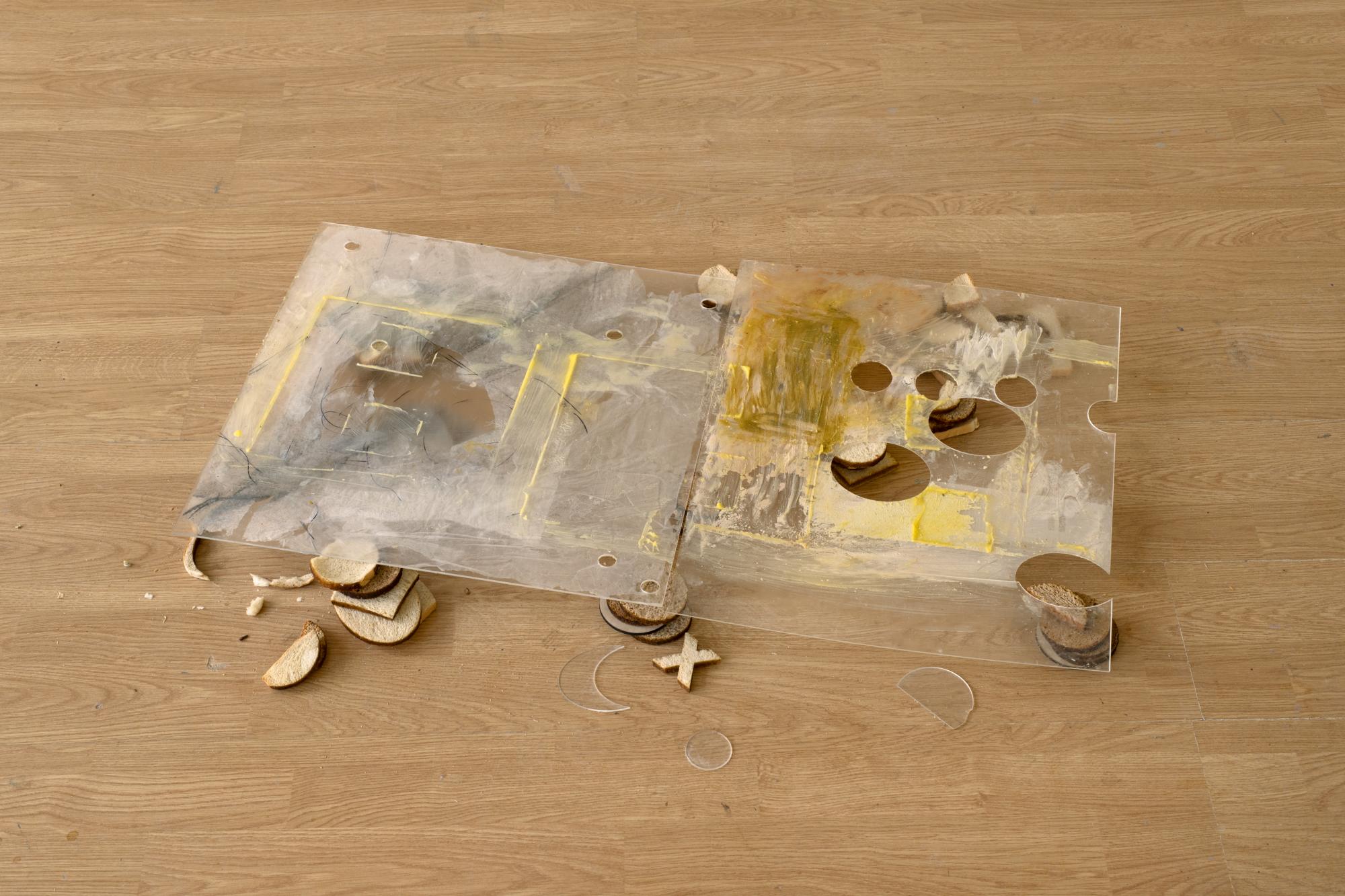
Nanna Kaiser, exhibitionview, Fox Wien 2026
© Stefan Lux
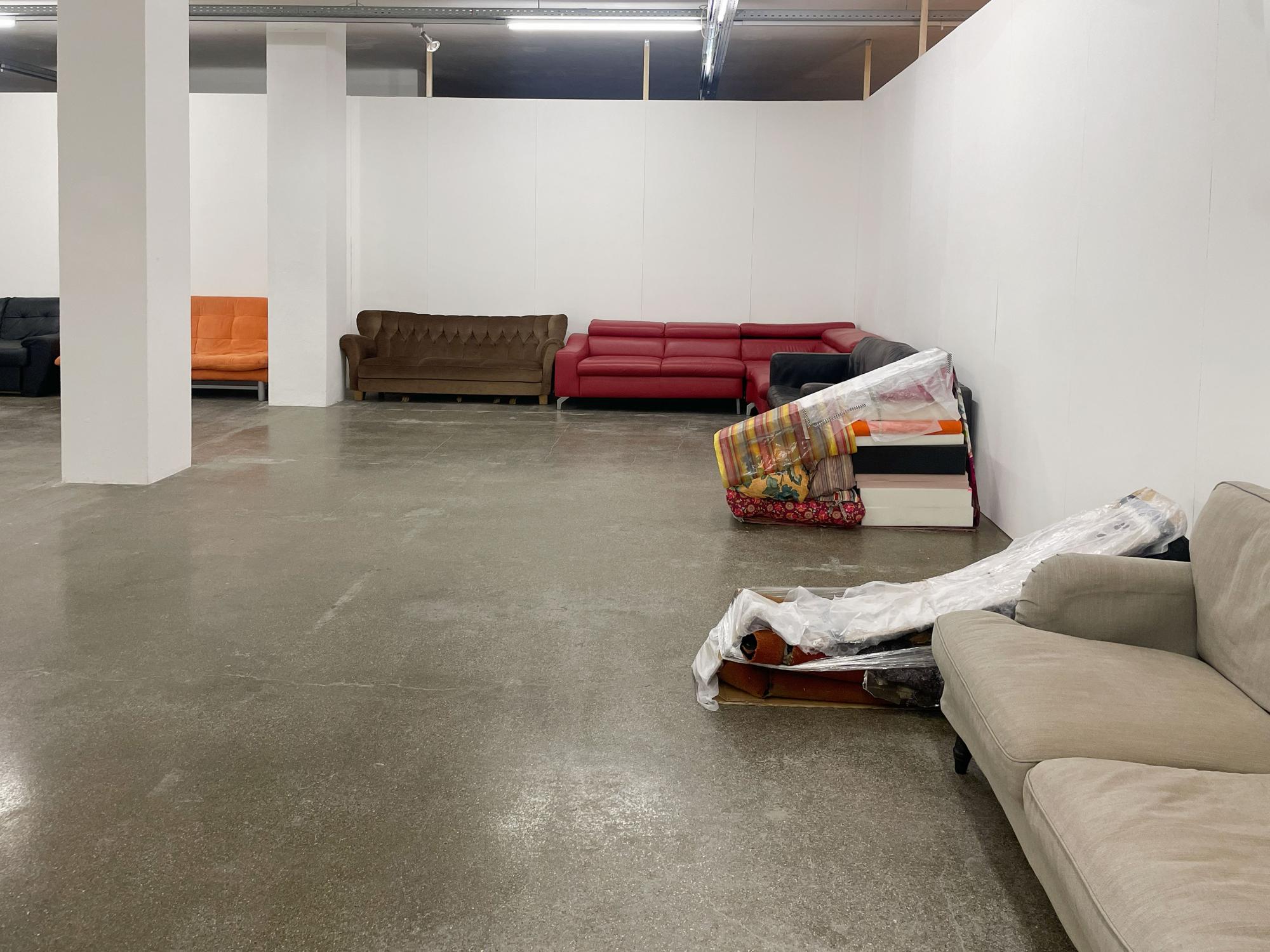
Nanna Kaiser, exhibitionview galerie5020 Salzburg
© private

Nanna Kaiser, exhibitionview, galerie5020 Salzburg
© private
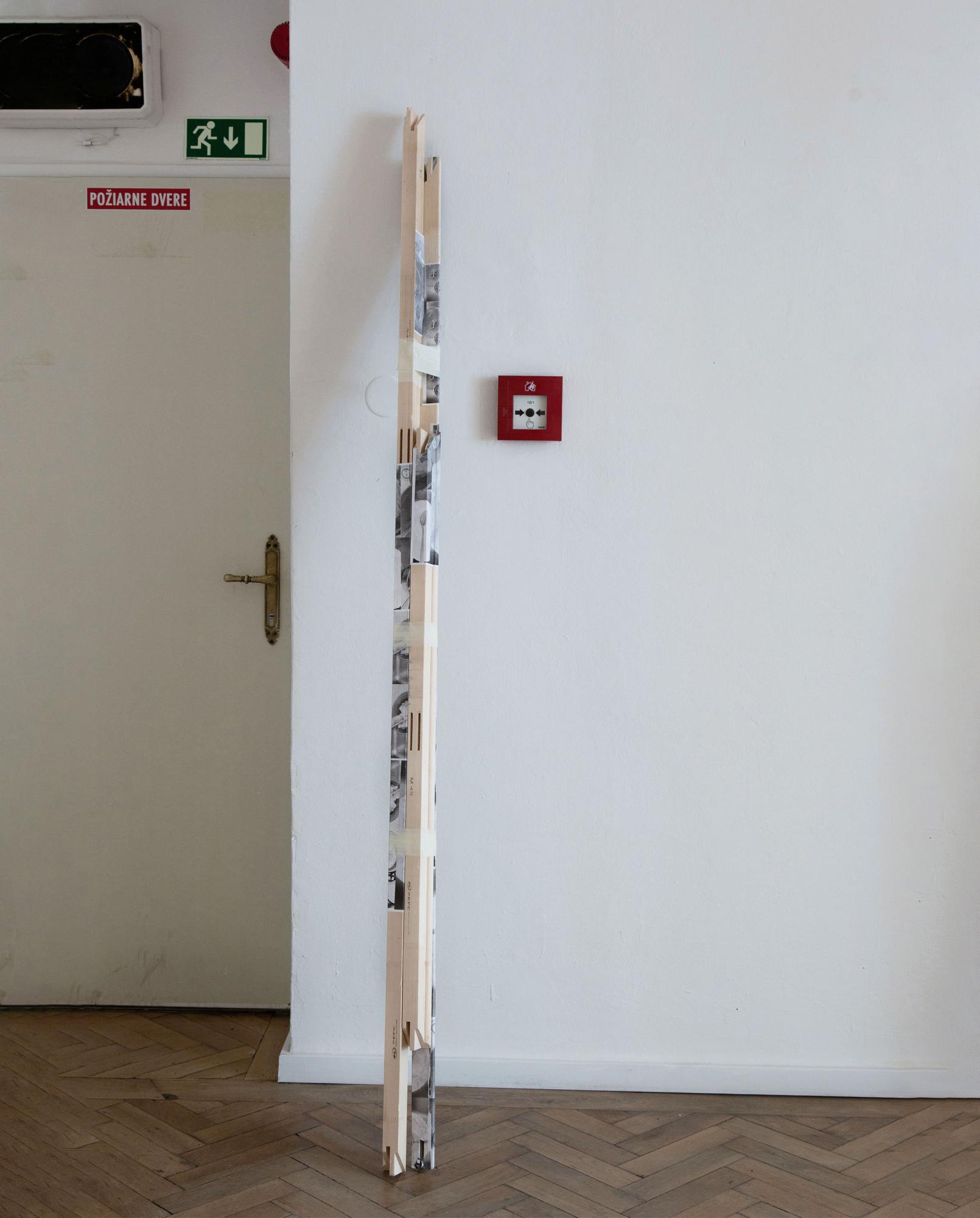
Nanna Kaiser, exhibitionview Medium Gallery Bratislava 2026
© Daniel H. Pineda

Nanna Kaiser, exhibitionview Medium Gallery Bratislava 2026
© Daniel H. Pineda
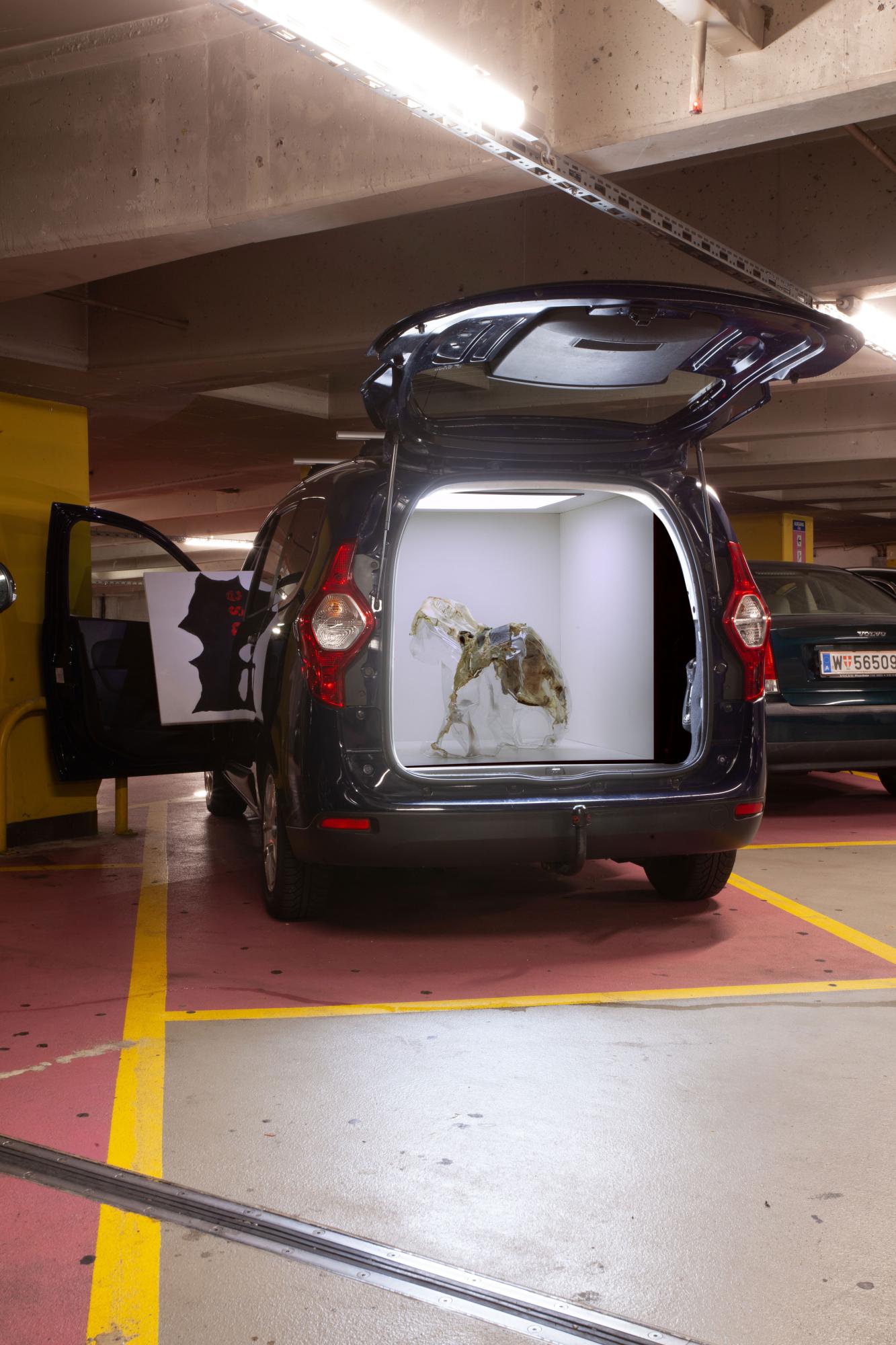
Nanna Kaiser, VAN, 2025
© R. Sebastian Schachinger
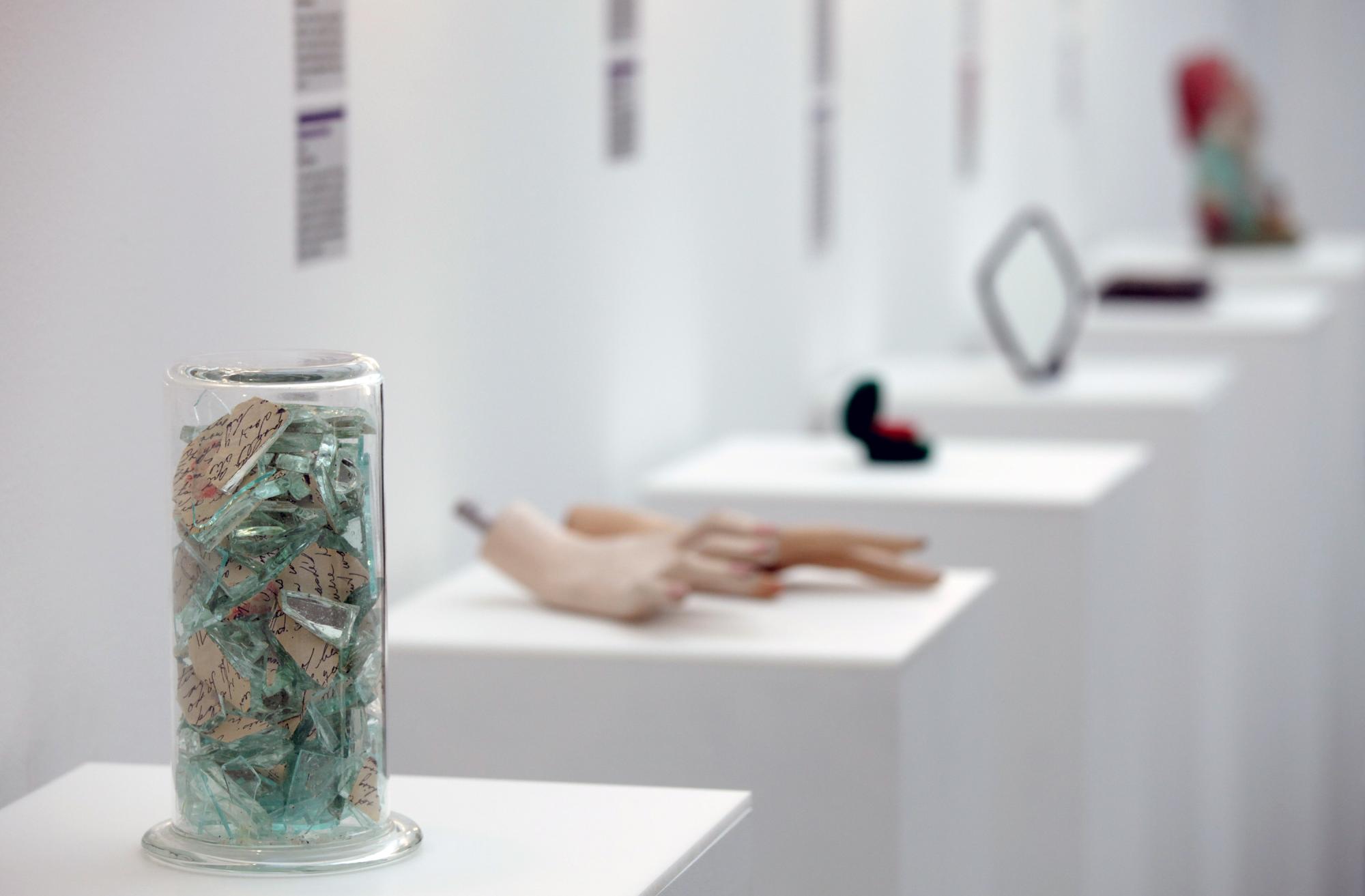
Museum of Broken Relationships, exhibitionview
© Ana Opalić
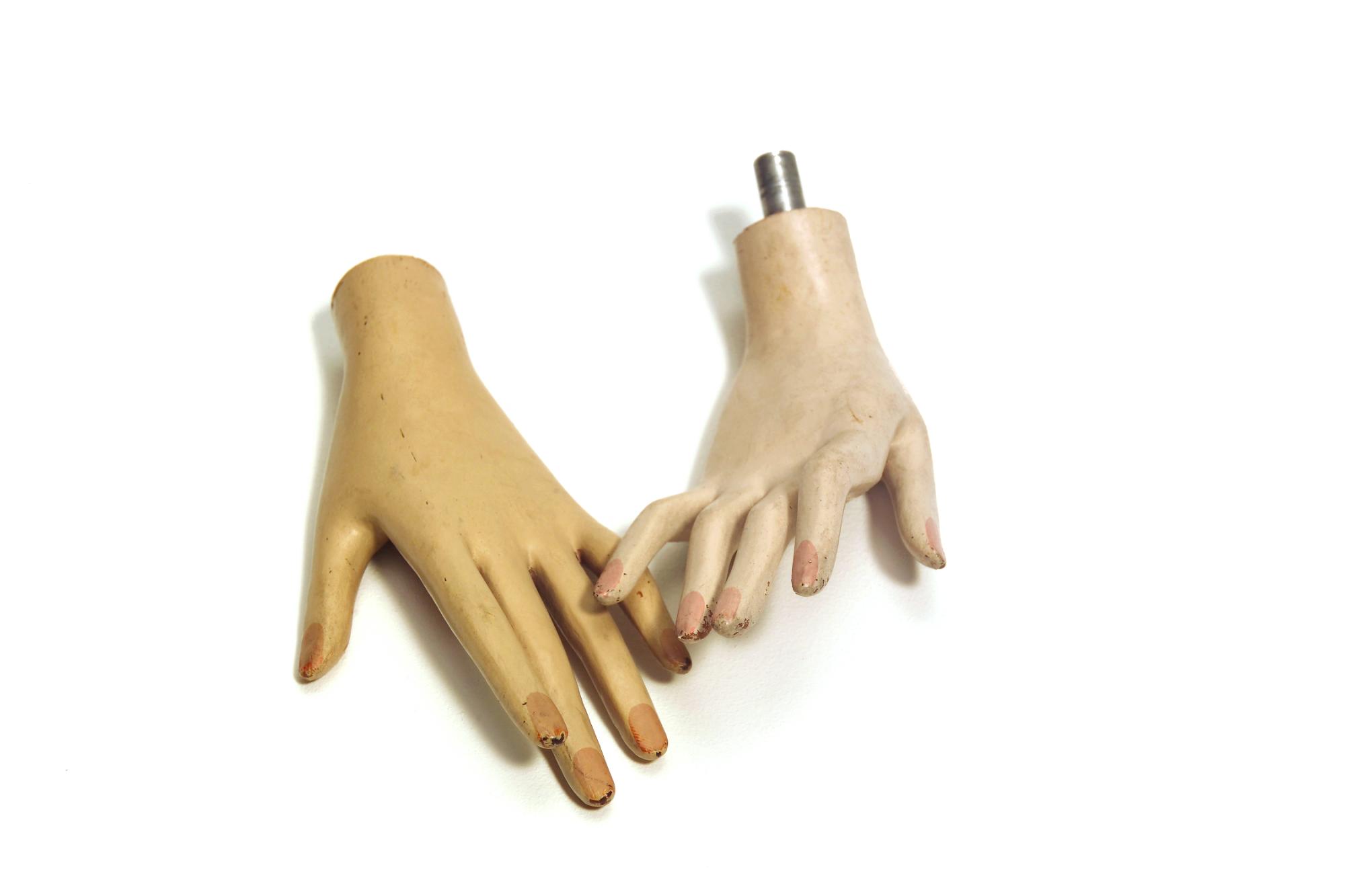
Museum of Broken Relationships, workview
© Museum of Broken Relationships
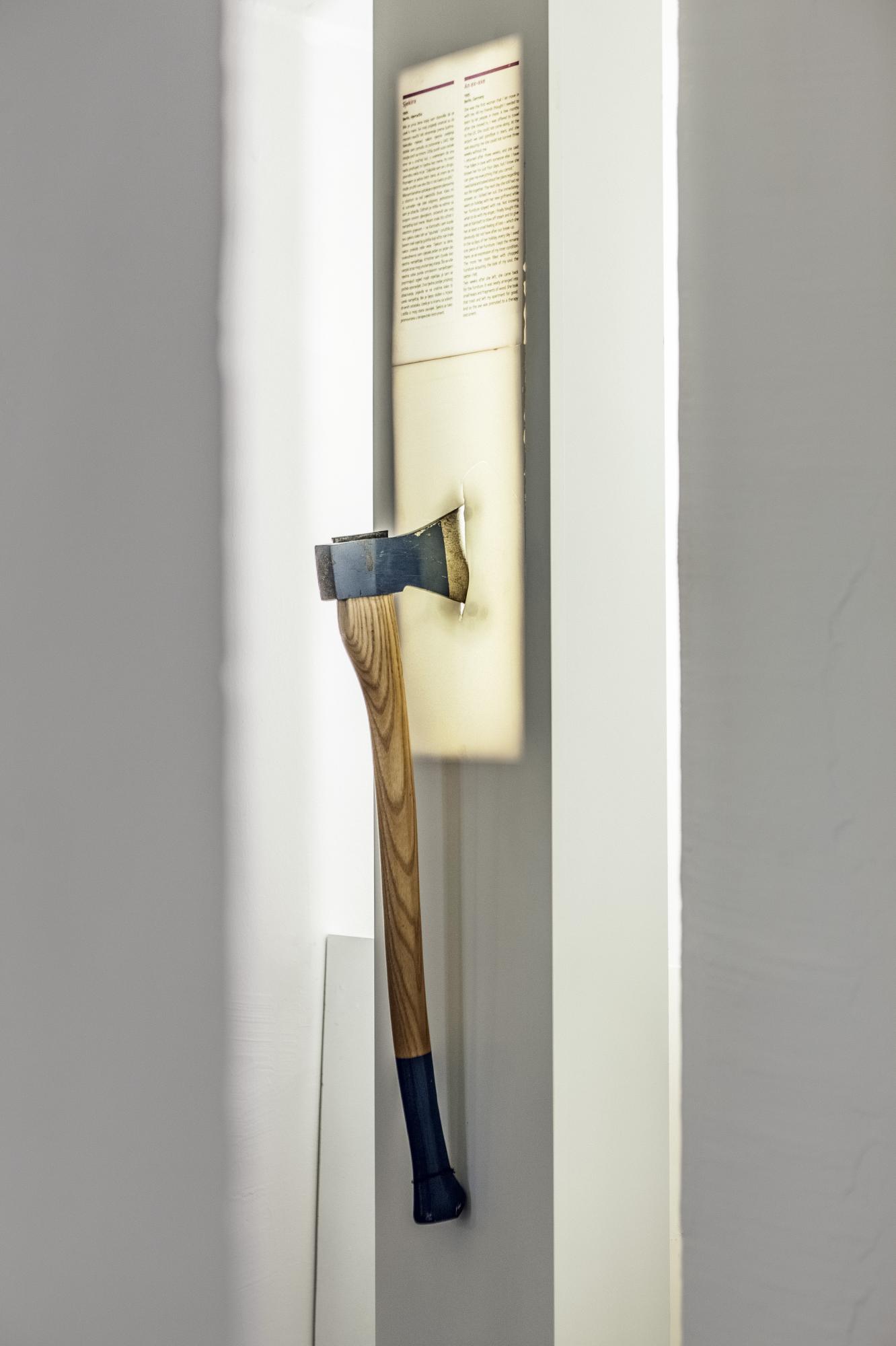
Museum of Broken Relationships, workview, ex-axe
© Mare Milin
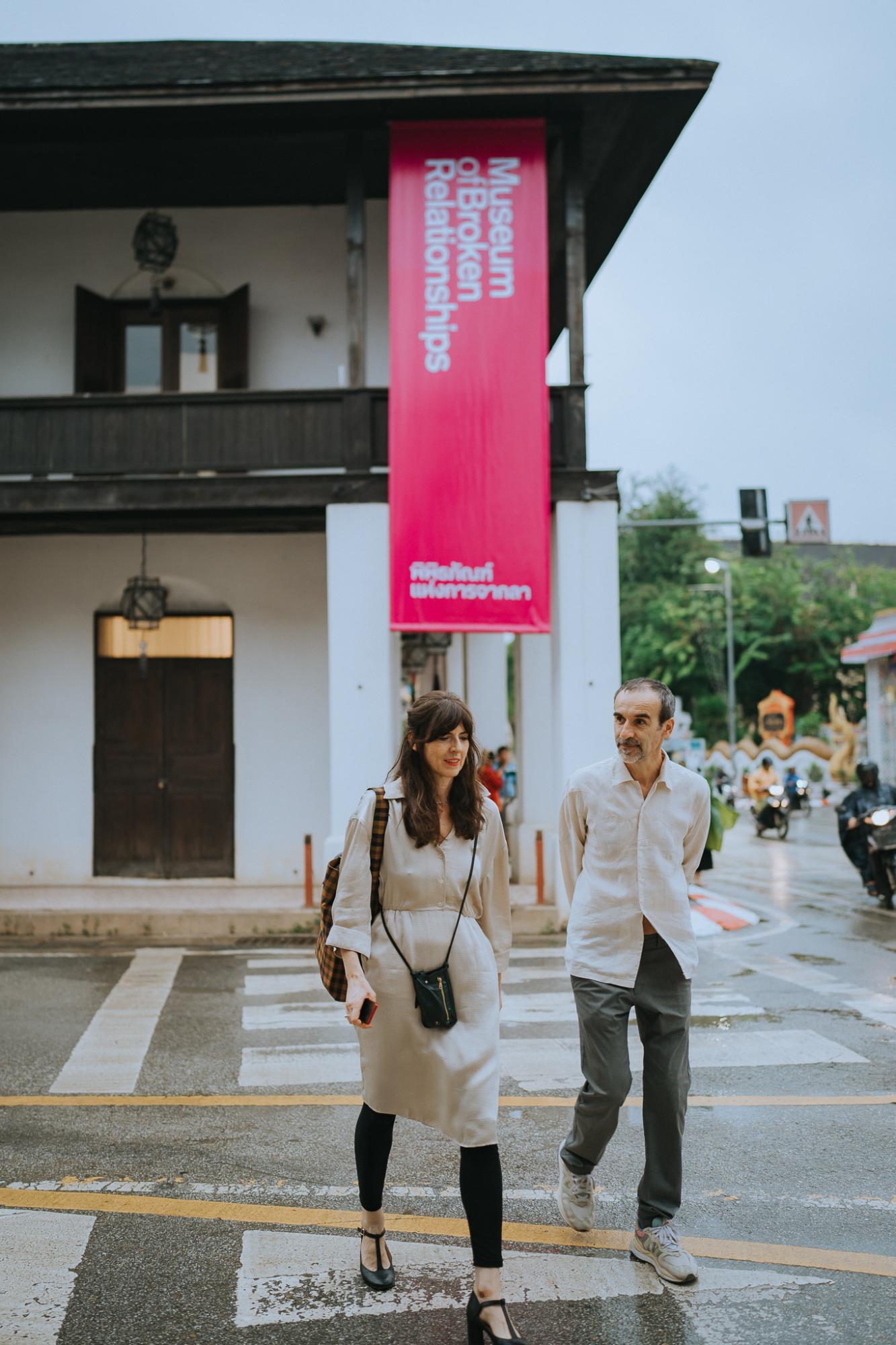
Founders of Museum of Broken Relationships Olinka Vistica and Drazen Grubisic in front of the Museum in Chiang Mai.
© Museum of Broken Relationships