




 Zurück
Galerie Krinzinger
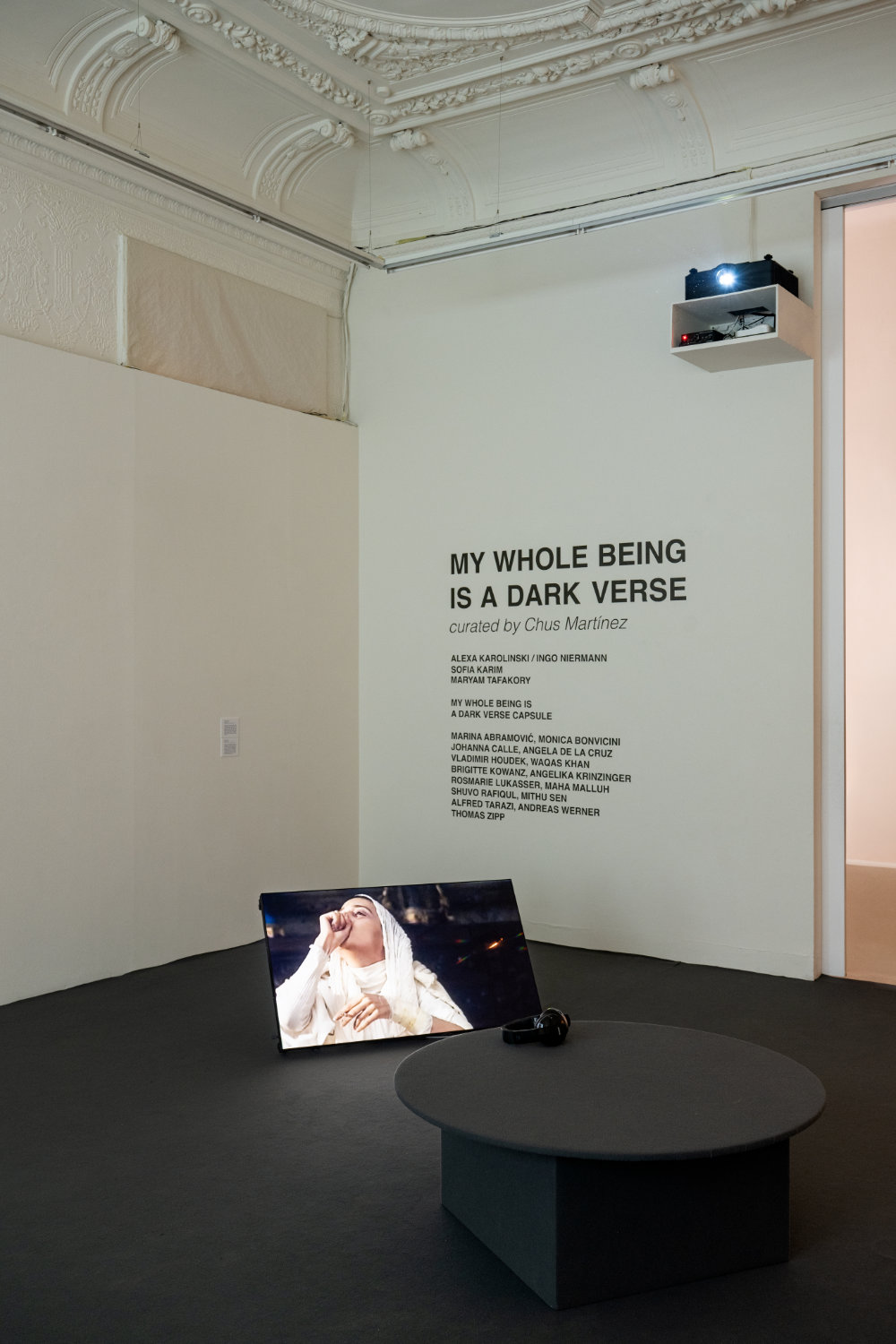
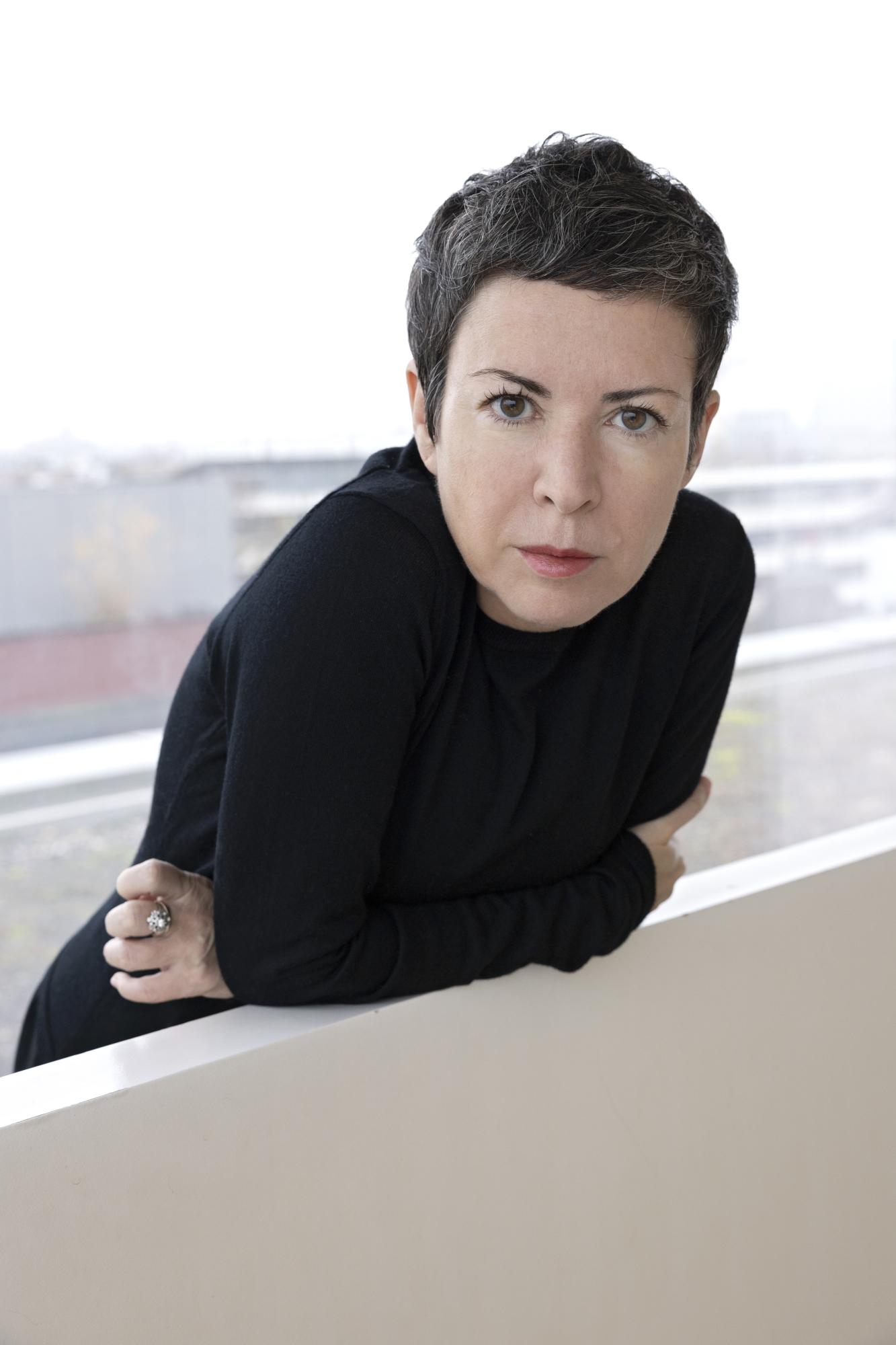
curated by Chus Martínez
CHUS MARTÍNEZ is a curator, writer, and academic with a background in philosophy and art history. She is Head of the Institute Art Gender Nature at the Basel Academy of Art and Design FHNW and Associate Curator at TBA21 (Thyssen-Bornemisza Art Contemporary) in Madrid.
Martínez is a board member of CIMAM and serves on advisory boards including Castello di Rivoli and the Deutsches Historisches Museum. Former roles include Chief Curator at El Museo del Barrio, Head of Department at dOCUMENTA (13), Chief Curator at MACBA, and Director of the Frankfurter Kunstverein. She is known for a critical and experimental curatorial practice, and for influential publications and exhibitions on art, ecology, and feminist thought, approaching art as a site of knowledge production and transformation.
In 2025, she served as Artistic Director of the 36th Ljubljana Biennial of Graphic Arts.
She has also curated the Pavilion of Denmark — Things to Come—at the current 61st International Art Exhibition of La Biennale di Venezia with Maja Malou Lyse. Among her most recent exhibitions are A Velvet Ant, a Flower and a Bird at the Potter Museum of Art and Pedagogies of War. Roman Khimei and Yarema Malashchuk by TBA21 at the Museo Nacional Thyssen-Bornemisza.
Marina Abramović, Monica Bonvicini, Johanna Calle, Angela de la Cruz, Vladimir Houdek, Sofia Karim, Alexa Karolinski/Ingo Niermann, Waqas Khan, Brigitte Kowanz, Angelika Krinzinger, Rosmarie Lukasser, Maha Malluh, Shuvo Rafiqul, Mithu Sen, Maryam Tafakouri, Alfred Tarazi, Andreas Werner, Thomas Zipp
Ausstellungstext
Ich stelle fest, dass ich in letzter Zeit immer wieder zu der Zeit zurückkehre, die ich Mitte zwanzig im Iran verbracht habe. Ich habe nie öffentlich darüber gesprochen, weil ich keinen Grund dafür sah. Dennoch sind diese Monate sowohl für mein Leben als auch für meine persönliche Entwicklung von entscheidender Bedeutung. Nirgendwo sonst habe ich eine derart brutale Diskrepanz zwischen dem medial vermittelten Bild eines Ortes und dem Ort selbst erlebt. Nirgendwo sonst habe ich einen so starken Wunsch verspürt, das, was ich erlebte und von den Menschen und einer Kultur lernte, mit anderen zu teilen.
Dort erlebte ich zum ersten Mal Poesie als Sprache des Widerstands. Poesie ist in jeder Kultur von grundlegender Bedeutung, doch das Wissen, das die Menschen dort über ihre Dichterinnen und Dichter besaßen, war so kraftvoll und einzigartig, dass es mich tief berührte. Die Dichterin, die mein Herz ganz besonders eroberte, war Forugh Farrokhzad. „Mein ganzes Wesen ist ein dunkler Vers“ oder, je nach Übersetzung, „All mein Wesen ist ein dunkler Vers“ – so lautet die erste Zeile ihres Gedichts Another Birth (Tavallodī Dīgar, تولدی دیگر).
Another Birth wurde im Frühjahr 1964 veröffentlicht und umfasst fünfunddreißig Gedichte, die in den sechs Jahren vor der Veröffentlichung entstanden waren. Das Buch entstand in einem Moment tiefgreifender kultureller Veränderungen im Iran. Anfang der 1960er-Jahre befand sich das Land unter dem Schah in einem Prozess rasanter Modernisierung und war zugleich von tiefen politischen, sozialen und religiösen Spannungen geprägt.
Another Birth veränderte die Wahrnehmung Farrokhzads als Dichterin grundlegend. Bis dahin war sie häufig vor allem als „Frauendichterin“ betrachtet worden; danach wurde sie zunehmend als Schriftstellerin wahrgenommen. Dunkelheit bedeutet für Farrokhzad weder Verzweiflung noch bloße Negation. Dunkelheit ist ein Zustand, der auf ein noch nicht verwirklichtes Potenzial verweist – ein Raum, aus dem eine andere Form der Wahrnehmung, der Sprache und des Lebens entstehen kann. Sie glaubte zutiefst an die Möglichkeit einer Wiedergeburt des Bewusstseins durch die poetische Vorstellungskraft.
Aus diesem Grund habe ich mich im Kontext einer Ausgabe von „curated by“, die der Liebe gewidmet ist, dazu entschieden, über die Dunkelheit nachzudenken. Dunkelheit als das Gefühl, dass wir weiterhin lieben, aber auch weiterhin denken, reflektieren und jene Zeiten interpretieren sollten, die ein Bewusstsein für die historischen Dimensionen verlangen, in denen unsere kulturellen und künstlerischen Praktiken stattfinden.
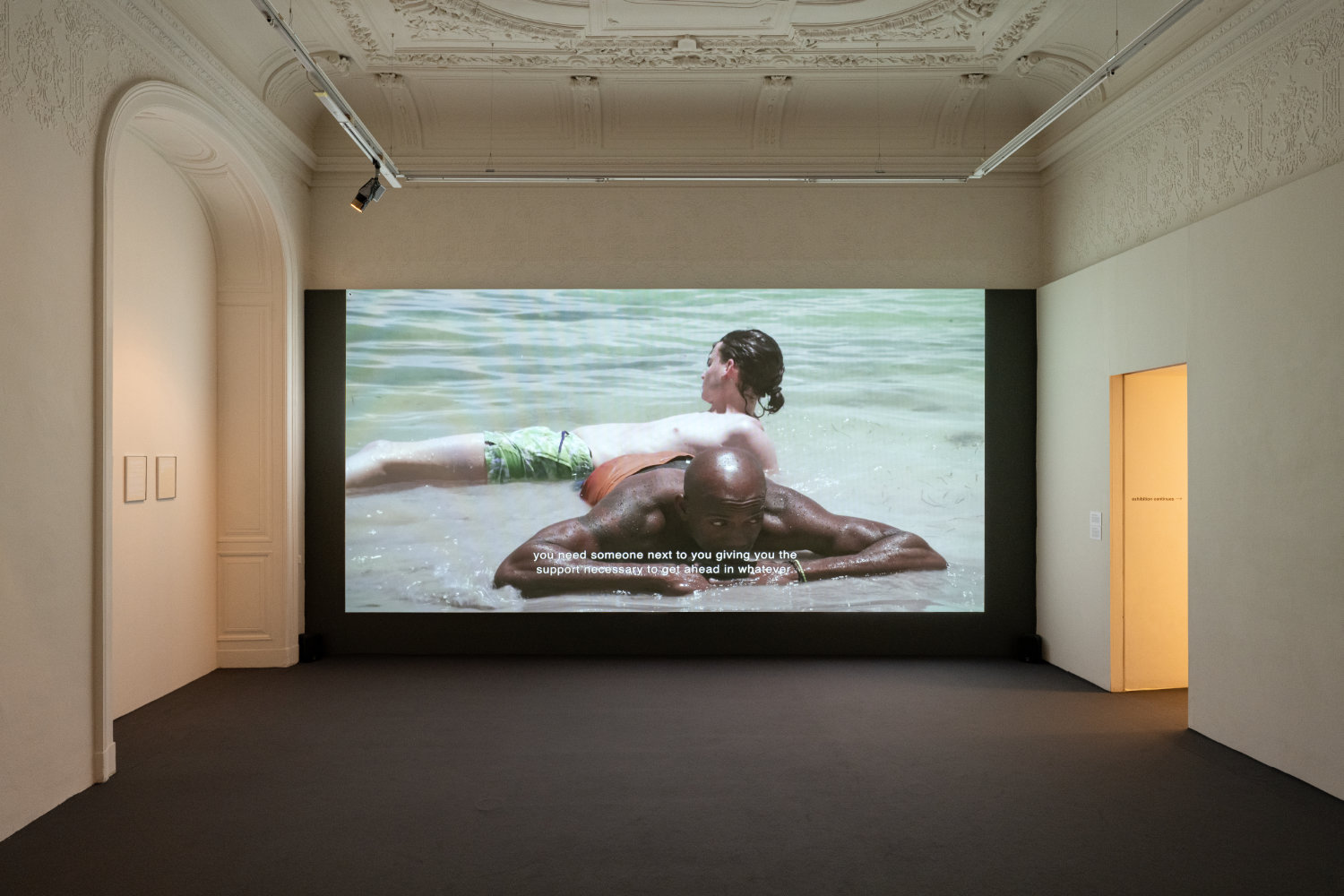
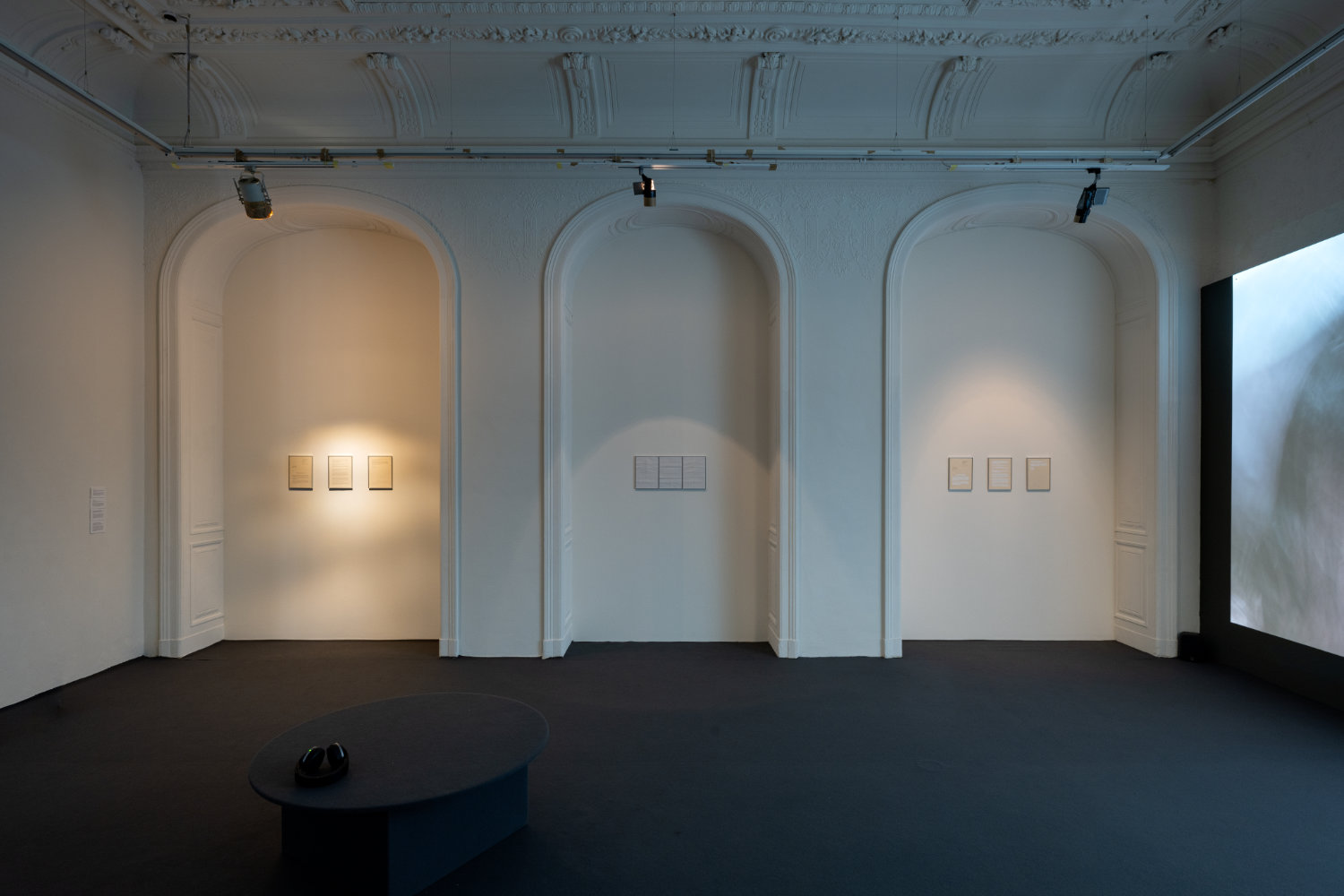
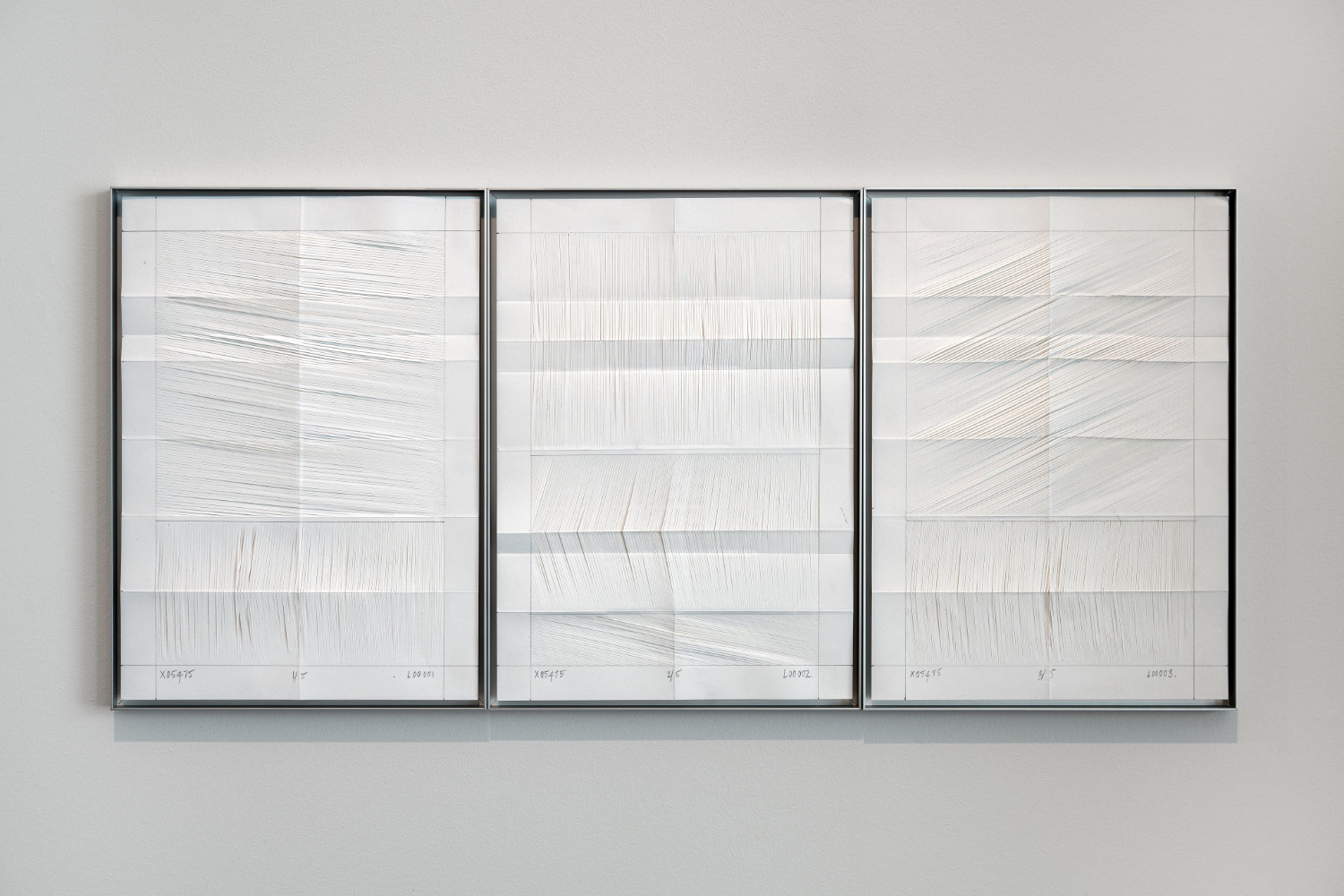
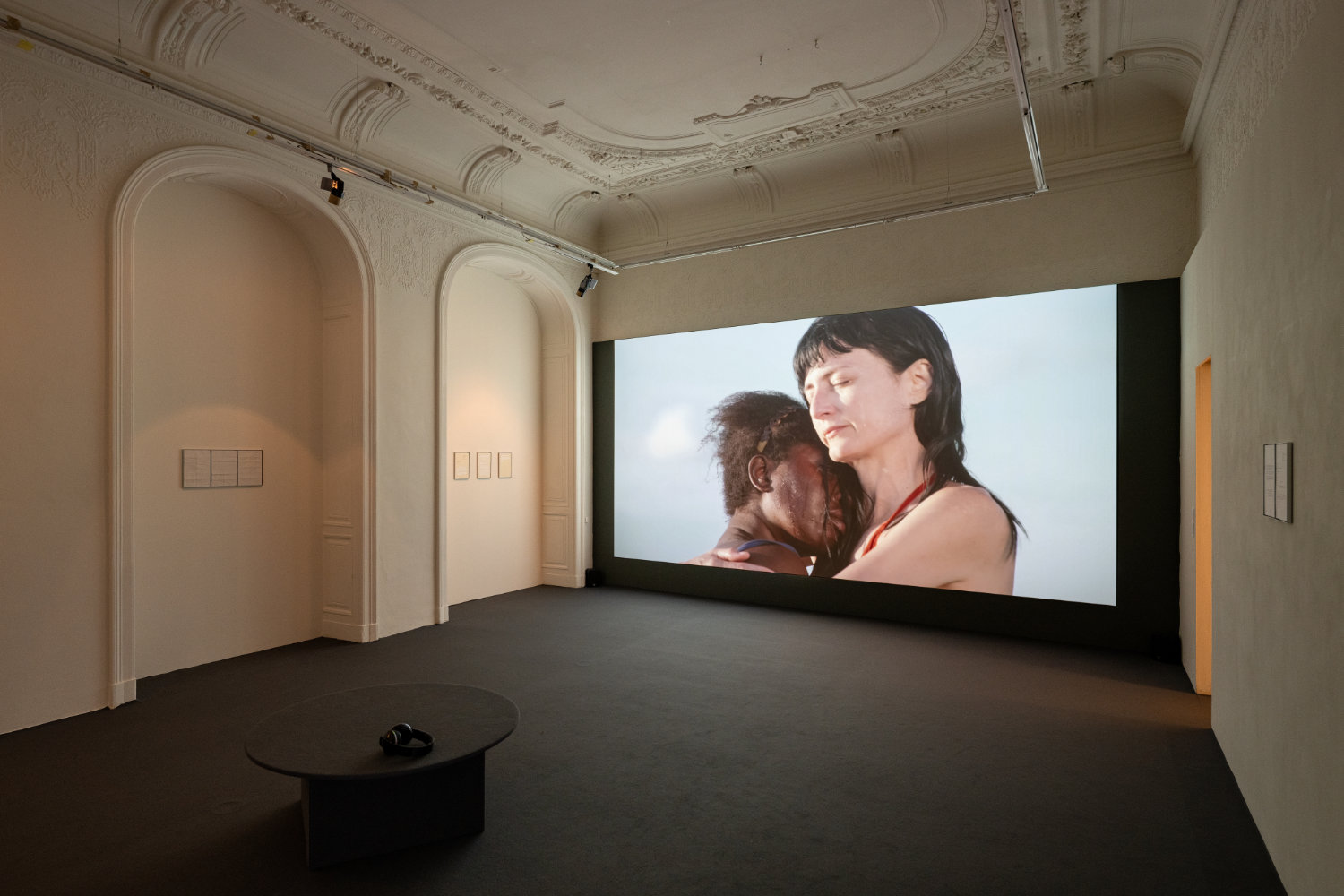
Aus diesem Grund habe ich mich dafür entschieden, zwei Filme ins Zentrum der Ausstellung zu stellen: Oceano de amor (2019) von Alexa Karolinski & Ingo Niermann und Nazarbazi (2021) von Maryam Tafakory. Im selben Raum wie diese beiden Filme begegnet das Publikum einer Reihe von Arbeiten, die von Sofia Karim initiiert wurden: Tippex Letter (Diptych) von Timothy James Young und Sofia Karim sowie Letters of light to Stacey Dyer, in prison in California von Sofia Karim.
Arbeiten im Hauptraum
Oceano de Amor:
Der in Havanna angesiedelte Film begleitet eine vielfältige Gruppe von Menschen, die über Liebe, Einsamkeit, Arbeit, Begehren, Alter, Behinderung und Fürsorge sprechen. Gemeinsam entwerfen sie die Vorstellung einer Gesellschaft, in der die Verteilung sinnlicher und emotionaler Fürsorge zu einer kollektiven Verantwortung und nicht länger zu einem privaten Privileg wird. Der Film fragt, ob Liebe selbst als eine Form sozialer Infrastruktur verstanden werden könnte. Die Beteiligten entwerfen eine Zukunft, in der die einzige unverzichtbare menschliche Arbeit darin besteht, Liebe zu geben und zu empfangen.
Der kubanische Kontext ist dabei von grundlegender Bedeutung. Ingo Niermann erklärte, dass er, gemeinsam mit Alexa Karolinski. Kuba ausgewählt habe, weil es eines der wenigen Länder ist, die noch immer formal an sozialistischen Idealen ausgerichtet sind. Dadurch wird es zu einem wichtigen Kontext, um Formen der Umverteilung zu imaginieren, die über die Ökonomie hinausgehen.
Nazarbazi (2021) von Maryam Tafakory – Nazarbazi bedeutet „das Spiel der Blicke“ – ist ein Essayfilm über Liebe, Begehren und die Politik des Blicks im iranischen Kino, in dem Darstellungen körperlicher Intimität zwischen Frauen und Männern seit Langem verboten sind.
Ausgehend von Filmen aus der Zeit nach der Revolution fügt Tafakory eine Montage von Bildern zusammen, in denen weibliche Körper zugleich präsent und ausgelöscht sind. Dabei legt sie die Mechanismen offen, durch die Zensur Sichtbarkeit, Berührung und Affekt reguliert. Anstatt Intimität unmittelbar darzustellen, richtet der Film seine Aufmerksamkeit auf die subtilen Gesten, Blicke, Pausen und Abwesenheiten, durch die Begehren innerhalb der von der Zensur gesetzten Grenzen und gegen diese Grenzen zum Ausdruck kommt.
Poesie und Schweigen werden zu den zentralen Sprachen des Films. Sie ermöglichen es ihm, Räume zu bewohnen, die weder berührt noch ausgesprochen werden können: die inneren Landschaften des Verlangens, die Erfahrung der Unberührbarkeit jenseits des Körpers und die ungeschriebenen Verbote, die das emotionale und gesellschaftliche Leben prägen. Auf diese Weise verwandelt Nazarbazi die Zensur selbst in künstlerisches Material und zeigt, wie Einschränkung neue Formen visueller und emotionaler Kommunikation hervorbringen kann.
Die Briefe
Hail Mary, 2025 (Diptych) (2025) von Timothy James Young und Sofia Karim.
Timothy James Young ist ein Schriftsteller und Künstler, der derzeit im Todestrakt eines kalifornischen Gefängnisses inhaftiert ist und dort eine umfangreiche künstlerische und literarische Praxis entwickelt hat. Sofia Karim ist Künstlerin, Architektin und Menschenrechtsaktivistin. Sie arbeitet seit Langem in einer kontinuierlichen kreativen Zusammenarbeit mit Young und ermöglicht dadurch die Produktion, Realisierung und öffentliche Präsentation der Arbeiten über die Grenzen des Gefängnisses hinaus.
Letters of Light von Sofia Karim (2026)
Die drei Briefe sind Stacey Daniella Dyer gewidmet und für sie geschaffen. Dyer ist eine inhaftierte Überlebende schwerer sexueller und häuslicher Gewalt in der Kindheit. Sie befindet sich seit mehr als zwei Jahrzehnten in einem kalifornischen Gefängnis und verbüßt eine lebenslange Haftstrafe ohne Möglichkeit auf vorzeitige Entlassung.
Bilder

Oceano de amor, HD, 93 min., 2019 (Videostill)
Alexa Karolinski/Ingo Niernann for the Army of Love
Supported by
Robot Love, a project of the Niet Normaal Foundation
Castello di Rivoli – Museo d'Arte Contemporanea
Fachausschuss Film und Medienkunst Basel-Stadt / Basel-Landschaft
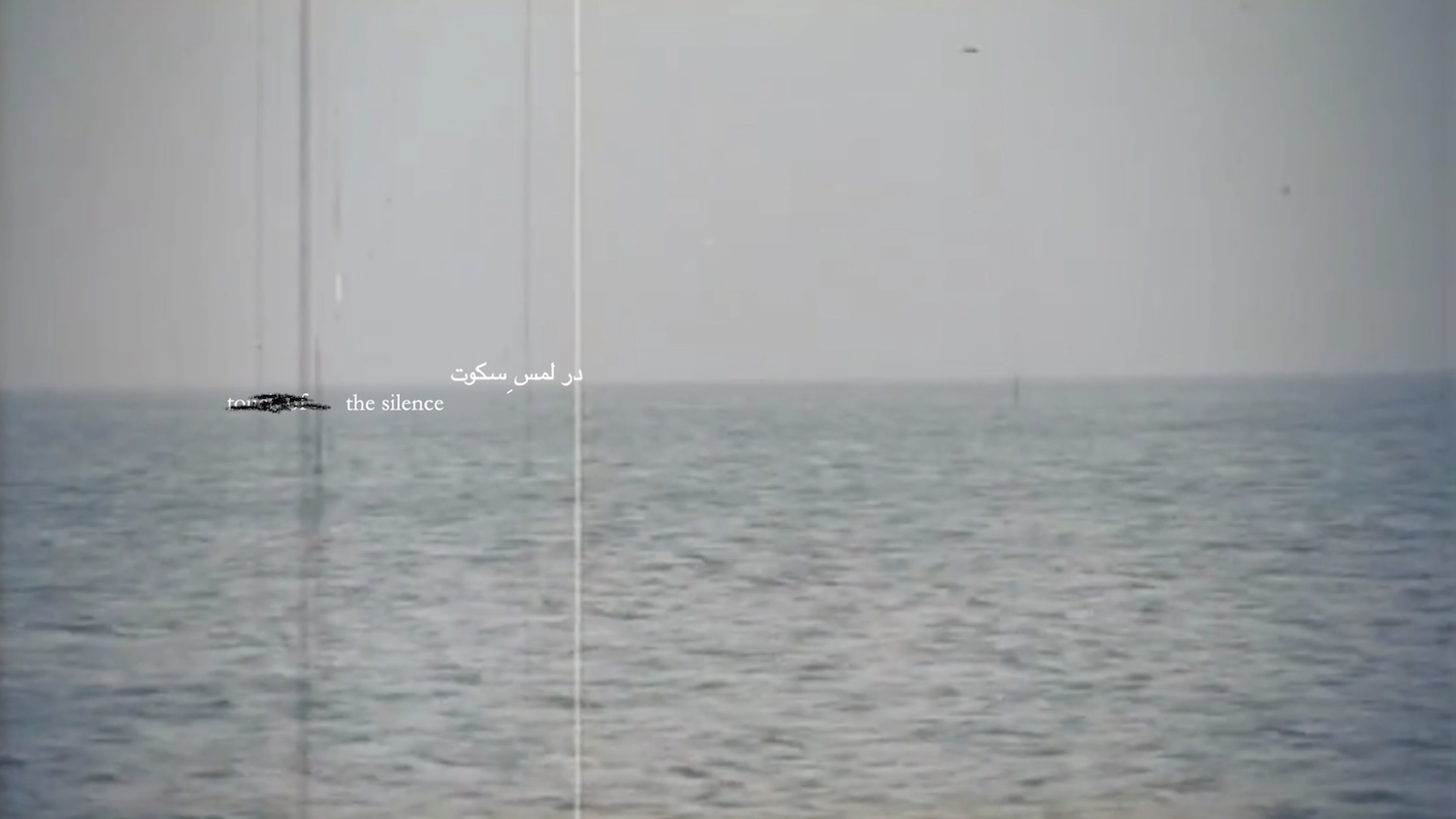
Nazarbazi, 2021, Videostill
Maryam Tafakory
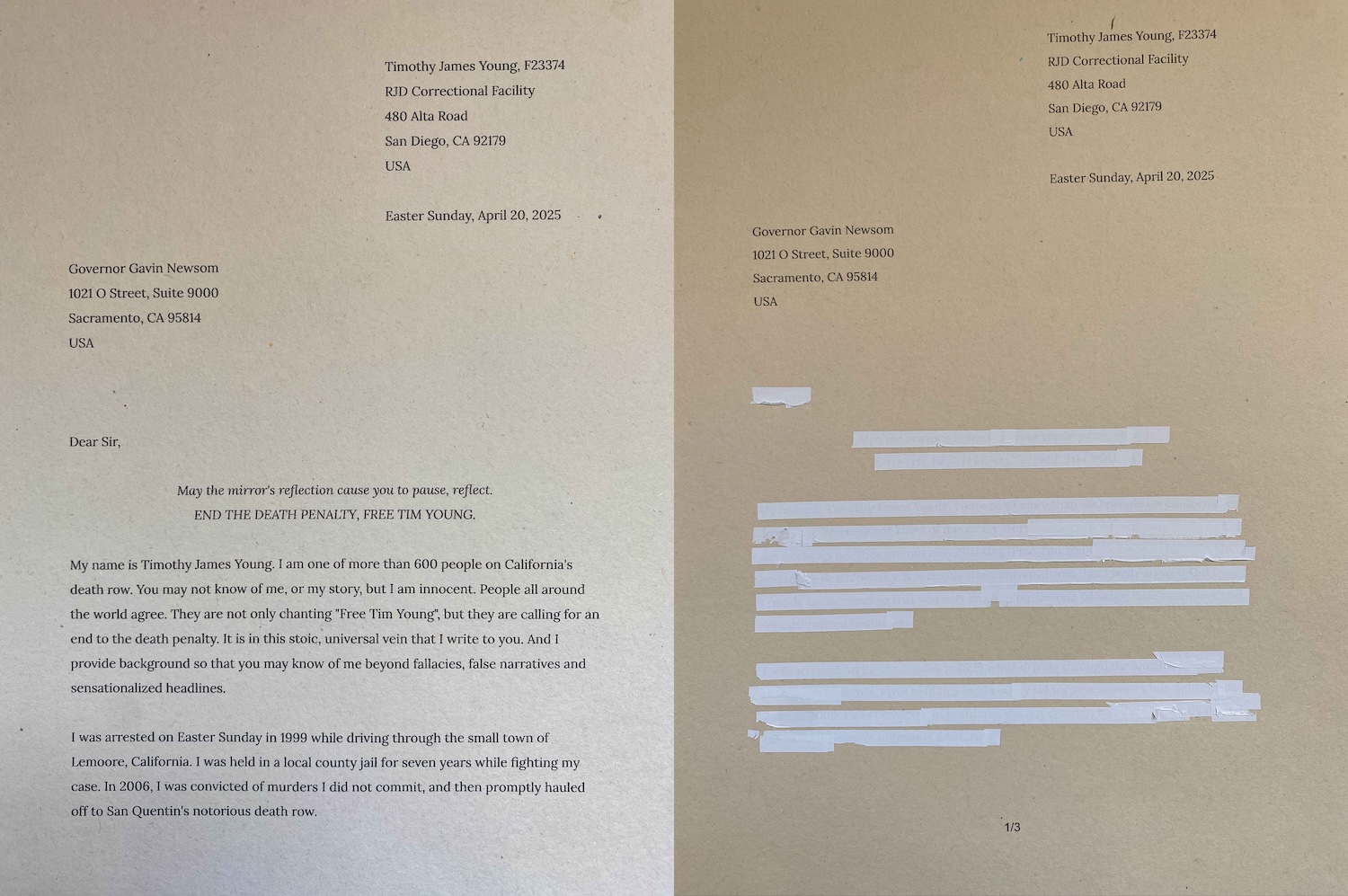
Hail Mary, 2025
Sofia Karim